Introduction
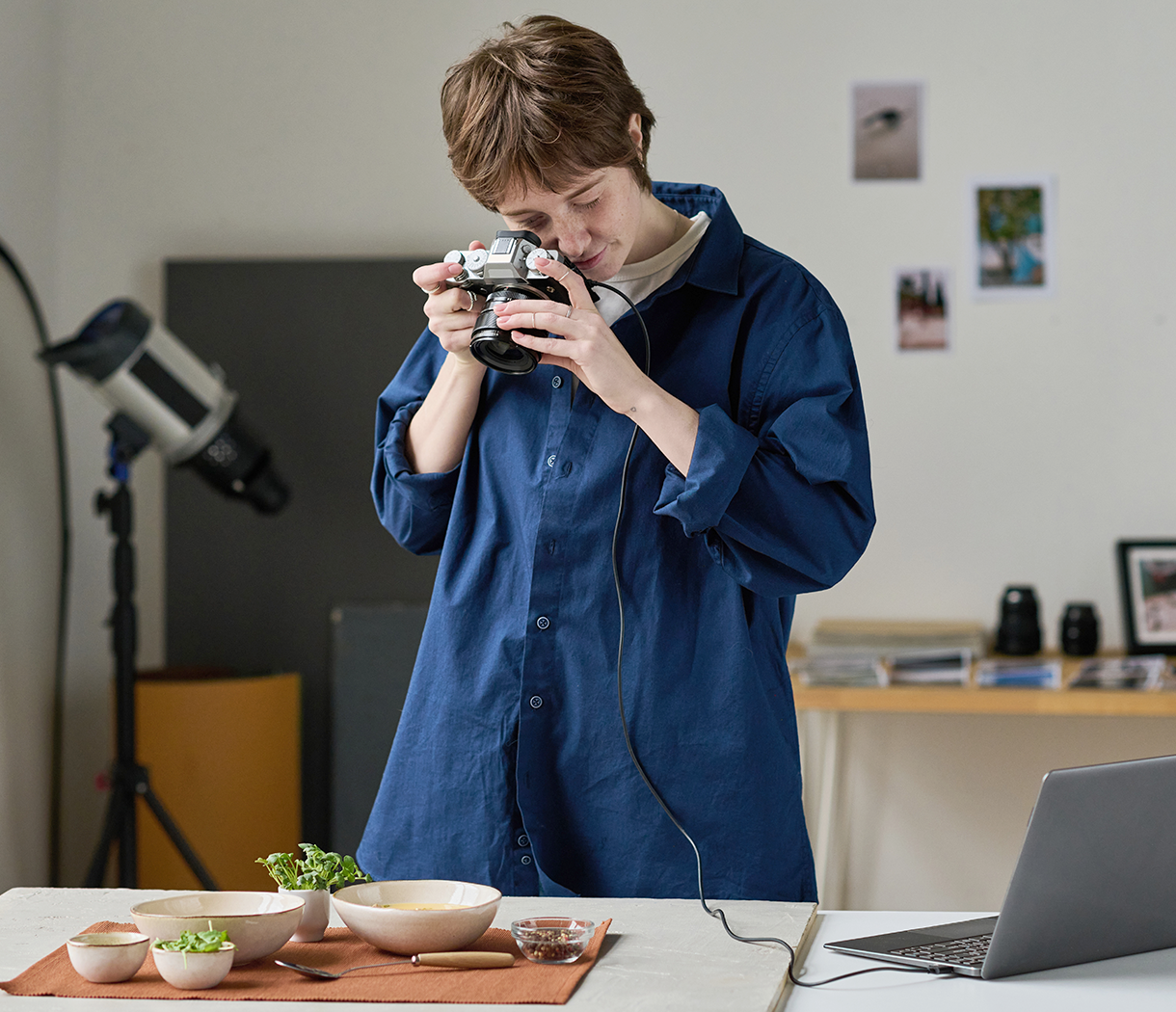
Film sets demand extended hours, heavy equipment handling, and sustained mental focus, placing immense physical and psychological stress on photographers and the production crew. Traditional recovery methods, such as stretching, massage, or caffeine, provide only temporary relief and fail to address cumulative muscle fatigue or joint strain. CO₂ Cryotherapy, a cutting-edge recovery technique using pressurized carbon dioxide gas at extremely low temperatures, has emerged as a highly effective solution. By stimulating blood circulation, reducing inflammation, and promoting cellular repair, CO₂ Cryotherapy not only alleviates physical strain but also enhances mental clarity and energy levels, making it a critical tool for professionals working under high-pressure environments.
1. The Demands of Film Photography
1.1 Long Hours on Set
Photographers on film sets often face days that exceed twelve hours, with minimal opportunities for rest. Holding heavy cameras, adjusting angles, and moving equipment across complex or uneven terrain places repeated stress on the shoulders, neck, lower back, and wrists. Night shoots disrupt circadian rhythms, exacerbating fatigue and impairing alertness. Over time, repetitive physical strain can contribute to chronic musculoskeletal disorders and reduce overall efficiency. Understanding these demands emphasizes the need for innovative recovery strategies, as conventional rest or passive recovery alone is insufficient for maintaining optimal performance during intensive shooting schedules.
1.2 Physical and Mental Stress
Beyond physical challenges, photographers experience intense cognitive load and stress. Coordinating with directors, framing critical shots, and responding quickly to changing environments elevate stress hormones such as cortisol. This mental strain can amplify muscular tension, diminish reaction times, and impair decision-making. Additionally, chronic stress contributes to systemic inflammation and can predispose individuals to long-term musculoskeletal issues. To maintain both body and mind, recovery approaches must target physiological and neurological aspects, highlighting why therapies like CO₂ Cryotherapy are increasingly adopted in high-performance film production settings.
2. Understanding CO₂ Cryotherapy
2.1 How CO₂ Cryotherapy Works
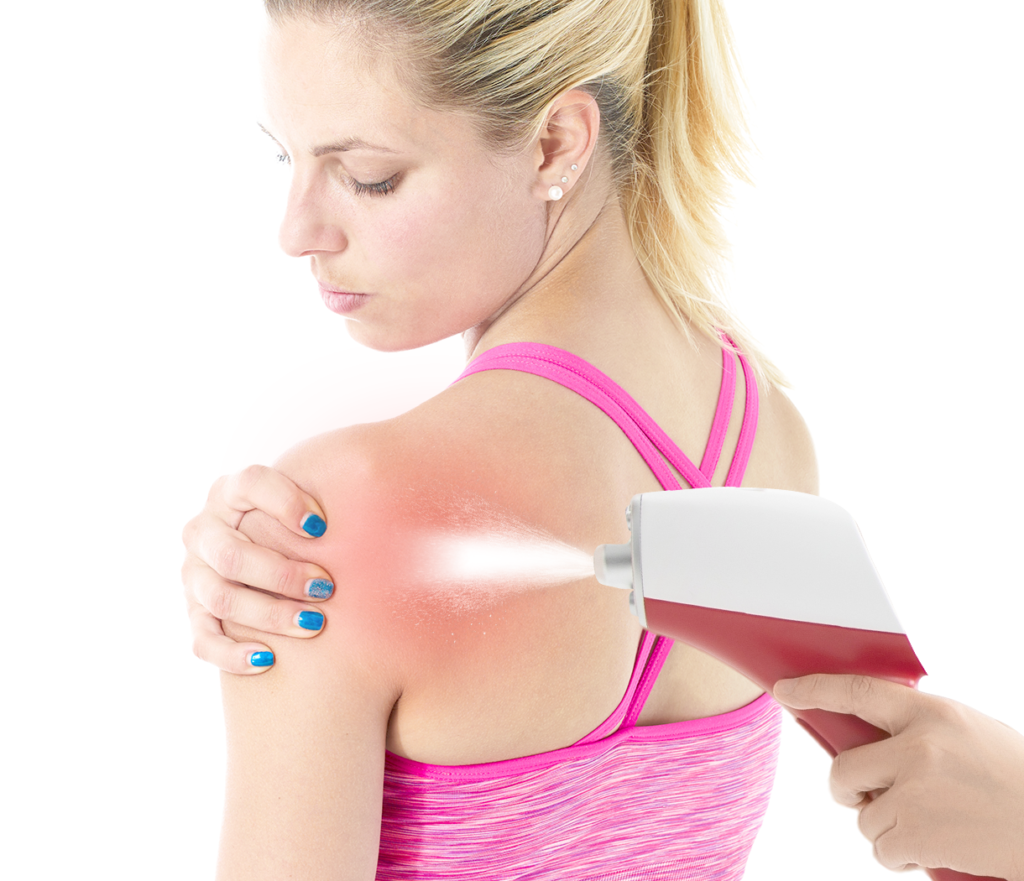
CO₂ Cryotherapy involves the application of pressurized carbon dioxide gas at temperatures as low as -78°C. Exposure to these extreme cold conditions triggers a rapid thermogenic response, inducing vasoconstriction followed by vasodilation, which enhances blood flow and oxygen delivery to tissues. At a cellular level, cryotherapy promotes anti-inflammatory cytokine release, accelerates lactic acid clearance, and stimulates tissue repair mechanisms. By reducing localized muscle tension and metabolic waste accumulation, CO₂ Cryotherapy allows photographers to recover muscle function efficiently, providing rapid restoration of both physical capability and energy reserves needed for prolonged and demanding shooting schedules.
2.2 Advantages Over Traditional Cold Treatments
Traditional cold therapies, such as ice packs or cold-water immersion, are often inconsistent in temperature, difficult to control, and may not penetrate deeply enough to relieve deep muscle fatigue. In contrast, CO₂ Cryotherapy delivers a controlled, high-pressure cold exposure that can be precisely targeted to affected muscle groups, such as shoulders, lower back, or forearms. This precise application enhances recovery efficiency while minimizing discomfort and avoiding unnecessary cold exposure to surrounding tissues. Additionally, CO₂ Cryotherapy sessions are brief, making them compatible with tight filming schedules while providing reproducible and rapid recovery results.
3. Benefits of CO₂ Cryotherapy on Set
3.1 Rapid Energy Recovery
One of the primary advantages of CO₂ Cryotherapy for photographers is the immediate boost in energy levels. Cold exposure stimulates peripheral blood vessels, improving circulation and oxygen delivery to fatigued muscles. Concurrently, the sympathetic nervous system is activated, and endorphins are released, producing a natural sense of alertness and mental rejuvenation. Unlike caffeine or energy drinks, which provide temporary stimulation without addressing underlying muscular fatigue, CO₂ Cryotherapy targets the physiological sources of tiredness, ensuring sustained energy and endurance throughout long shooting days. This effect enables photographers to maintain both technical precision and creative focus.
3.2 Pain and Muscle Relief
Extended holding of cameras, repetitive wrist and arm movements, and static postures often result in localized muscle soreness and joint discomfort. CO₂ Cryotherapy mitigates this by inducing vasoconstriction, which reduces inflammation, followed by reactive vasodilation that accelerates metabolic waste clearance. Muscles in the trapezius, lumbar region, and forearms are particularly prone to strain on set. By reducing these symptoms, photographers maintain better posture, dexterity, and range of motion. Regular cold therapy sessions can prevent chronic conditions, ensuring long-term musculoskeletal health and consistent shooting performance without compromise due to pain or stiffness.
3.3 Enhanced Focus and Mental Clarity
Beyond physical recovery, CO₂ Cryotherapy provides significant neurological benefits. The cold stimulus activates the sympathetic nervous system, resulting in heightened alertness, faster cognitive processing, and improved reaction times. Photographers can maintain precise focus and adapt quickly to dynamic filming environments. Mental clarity is critical when capturing complex sequences or working under high-pressure conditions, where even minor lapses in attention can impact results. CO₂ Cryotherapy’s combined physical and cognitive benefits ensure that photographers are not only rested but also primed for performance-intensive tasks, providing a competitive advantage during long production schedules.
4. The Role of CO₂ Cryotherapy in Injury Prevention for Photographers
Photography on film sets exposes professionals to cumulative strain, which, if left unmanaged, can lead to chronic injuries, including repetitive strain injuries, joint inflammation, and tendon fatigue. Shoulders, neck, lower back, and wrists are particularly vulnerable due to prolonged equipment handling and static postures. CO₂ Cryotherapy plays a proactive role in injury prevention by reducing localized inflammation, relaxing tense muscles, and enhancing microcirculation. By promoting tissue repair and preventing lactic acid accumulation, it minimizes the risk of chronic damage before it occurs.
Scientific studies indicate that cold therapy reduces the release of inflammatory mediators, alleviates microtrauma, and preserves muscle function. Photographers benefit not only from immediate relief but also from a long-term decrease in the likelihood of injury. Neurological stimulation from cold exposure also enhances coordination and reaction speed, further protecting against strain-related accidents on set. Integrating CO₂ Cryotherapy into regular routines is therefore more than a recovery method—it is a preventive strategy, safeguarding musculoskeletal health and maintaining optimal physical performance throughout demanding production schedules.
FAQ
How quickly can photographers feel energy recovery after a session?
Most users notice improved alertness and reduced fatigue immediately following a 2–3 minute session.
Can CO₂ Cryotherapy be used multiple times during a shooting day?
Yes, brief sessions can be repeated with adequate intervals to sustain energy and alleviate muscle strain.
Is it effective for outdoor shoots in extreme temperatures?
Yes, localized cryotherapy helps counteract environmental fatigue and maintain muscle performance even in challenging conditions.
Can assistants and lighting crew benefit similarly?
Absolutely; any team member experiencing muscular fatigue can gain recovery benefits.
Are there side effects from frequent use?
Side effects are minimal when proper guidelines are followed; temporary skin redness or tingling may occur.
Conclusion
CO₂ Cryotherapy offers a scientifically validated solution for the physical and cognitive demands of film photography. By promoting rapid recovery, alleviating pain, and enhancing mental clarity, it enables photographers and production crew members to maintain peak performance during long, high-intensity shoots. Beyond immediate benefits, regular integration of CO₂ Cryotherapy serves as a preventive measure against chronic musculoskeletal injuries. Its non-invasive, rapid, and reproducible nature makes it an indispensable tool for sustaining energy, focus, and musculoskeletal health throughout demanding filming schedules. For professionals seeking efficiency, longevity, and consistent performance on set, CO₂ Cryotherapy represents a transformative advancement in occupational recovery.
References
Local Cryotherapy. “Cryotherapy Services for Recovery and Performance.”
https://www.localcryotherapy.com
Bleakley, C. M., & Davison, G. W. (2010). “Cryotherapy and Inflammation: Evidence-Based Practice.” Journal of Athletic Training.
https://www.ncbi.nlm.nih.gov/pmc/articles/PMC2907136/
Costello, J. T., et al. (2012). “The Effectiveness of Cold Water Immersion and Cryotherapy in Recovery.” Sports Medicine.
https://link.springer.com/article/10.2165/11631660-000000000-00000