Introduction
Athletes constantly seek faster, safer recovery solutions that support performance and reduce injury downtime. CO₂ cryotherapy is a non‑invasive modality that delivers rapid, targeted cooling to muscles and joints, triggering physiological responses that reduce pain, inflammation, and tissue stress. Unlike ice baths or traditional cold packs, this cryotherapy works within seconds, improving circulation and supporting recovery while minimizing discomfort. This article explores the science, applications, and safe integration of CO₂ cryotherapy into sports medicine, providing evidence-based guidance for athletes and clinicians.
1. Understanding CO₂ Cryotherapy
Before implementing it into recovery routines, it is essential to understand how CO₂ cryotherapy works and why it stands out from traditional cold methods.
1.1 What Is CO₂ Cryotherapy?
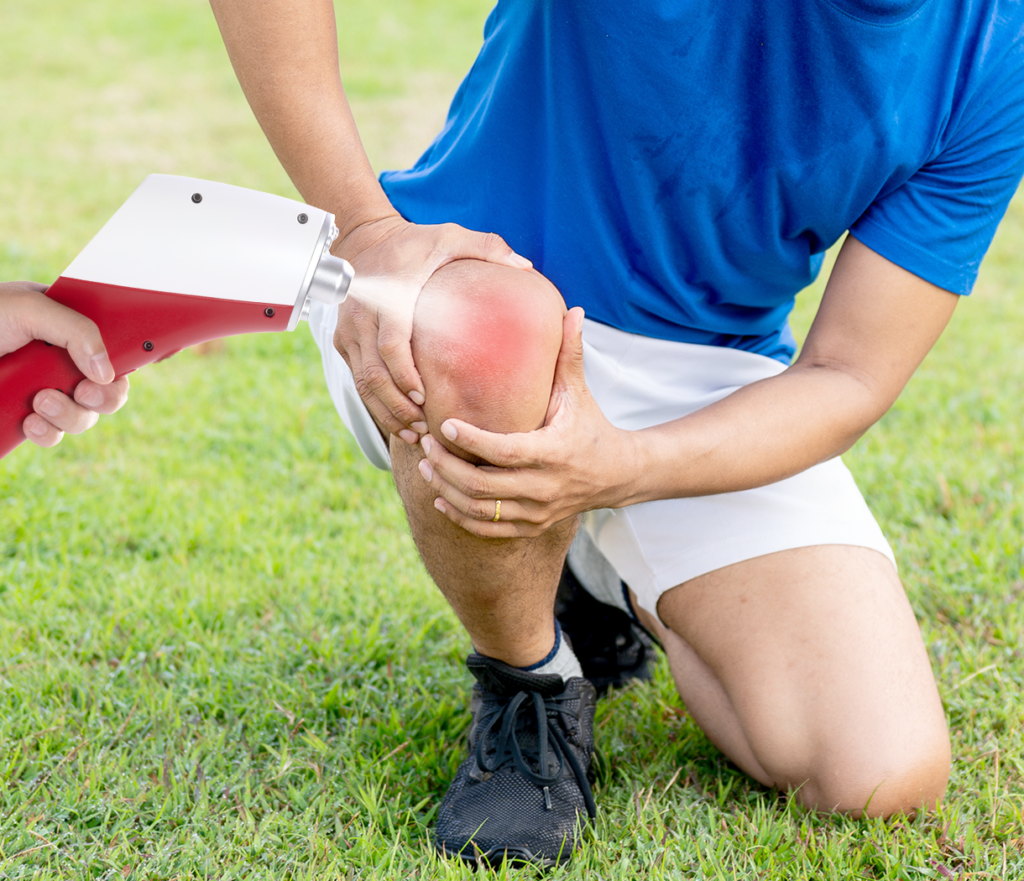
CO₂ cryotherapy uses pressurized carbon dioxide gas to rapidly cool the skin and underlying tissues. Treatment is brief—usually 10–15 seconds per targeted area—but triggers significant physiological effects. Rapid cooling provides a thermal shock that modulates pain signals and initiates anti-inflammatory responses. Unlike ice packs, this cryotherapy is precise, non-invasive, and easily applied to specific muscle groups or joints, making it suitable for both professional and recreational athletes.
1.2 How It Differs from Traditional Cold Therapy
Ice packs and cold baths gradually reduce tissue temperature and may lack precision. In contrast, CO₂ cryotherapy delivers immediate cooling to localized areas, allowing clinicians to control exposure time and targeted depth. Its portability and efficiency make it practical for training facilities, clinics, and competition sidelines, where quick treatment is often needed.
2. Physiological Mechanisms Behind Recovery
The benefits of CO₂ cryotherapy stem from both vascular and neural effects, supporting faster post-exercise tissue recovery.
2.1 Rapid Vasoconstriction and Reactive Hyperemia
CO₂ cryotherapy induces immediate vasoconstriction, reducing swelling and limiting local inflammation. Following cooling, reactive hyperemia occurs: blood flow increases above baseline, delivering oxygen and nutrients to tissues, which accelerates repair. This biphasic response is especially useful after high-intensity training or minor injuries.
2.2 Modulation of Inflammatory Pathways
The cold stimulus decreases pro-inflammatory cytokines like IL‑1, IL‑6, and TNF‑α while reducing tissue edema. This limits pressure on pain receptors and reduces discomfort. Managing inflammation in this way supports recovery for overuse injuries, tendinopathies, and post-exercise muscle soreness.
2.3 Neuromodulation and Pain Relief
Rapid cold exposure slows nerve conduction and activates large-diameter fibers that inhibit pain via the gate control mechanism. Additionally, it stimulates endogenous opioid release, such as beta-endorphins, providing systemic analgesic effects without drugs. Athletes can safely achieve drug-free pain relief to maintain training consistency.
3. Key Sports Applications
CO₂ cryotherapy is used widely in sports medicine to address muscle and connective tissue recovery.
3.1 Acute Muscle Strains
Early intervention after strains reduces secondary tissue damage. Cryotherapy lowers metabolic activity in affected fibers and decreases protective spasm. Reduced swelling and improved circulation allow earlier controlled rehabilitation.
3.2 Tendon and Ligament Recovery
Connective tissue injuries, including tendinitis and ligament sprains, benefit from cold exposure. Fibroblast activity and collagen synthesis are enhanced, and growth factor expression improves extracellular matrix remodeling. This supports stronger, organized tissue repair over repeated sessions.
3.3 Post-Exercise Recovery and DOMS
Delayed onset muscle soreness (DOMS) often impairs performance for days. CO₂ cryotherapy limits inflammatory mediator accumulation and promotes metabolic waste removal. Improved circulation enhances nutrient delivery, supporting faster functional recovery between training sessions.
4. Safety and Best Practices
While generally well tolerated, correct application ensures safety and maximizes benefits.
4.1 Side Effects and Risk Management
Most side effects are mild and transient, such as skin redness, tingling, or temporary numbness. Short exposure times reduce risk of frostbite or tissue injury. Device calibration and clinician training are essential.
4.2 Contraindications
CO₂ cryotherapy should be avoided in severe cold hypersensitivity, impaired circulation, active skin lesions, autoimmune disorders, and certain neuropathies. Pre-treatment assessment ensures safe use.
4.3 Post-Treatment Care
Avoid extreme heat, sunlight, or high-sweat activity for 24–48 hours after treatment. Integrate cryotherapy with hydration, nutrition, and rehabilitation exercises for best outcomes.
5. Integrating CO₂ Cryotherapy into Recovery Programs
5.1 Combining with Physical Therapy
Cryotherapy works best alongside rehab exercises, manual therapy, and neuromuscular training. Reduced pain and improved mobility enable deeper stretching and better movement quality.
5.2 Professional vs. Amateur Use
Professional teams often include CO₂ cryotherapy in comprehensive recovery suites, while amateur athletes access it in clinics. Protocol consistency is key for both populations.
5.3 Future Trends
Smart temperature‑controlled devices, integration with wearable recovery metrics, and personalized treatment protocols are emerging. Evidence-based research continues to refine optimal timing, frequency, and combination therapies.
FAQ
Q1: How quickly do athletes feel results?
Immediate pain relief is common due to neural inhibition and endorphin release; optimal recovery benefits require multiple sessions.
Q2: Is CO₂ cryotherapy better than ice baths?
CO₂ cryotherapy is more precise and localized, whereas ice baths provide systemic cooling. Choice depends on injury type and goals.
Q3: How often can athletes safely receive treatment?
Localized CO₂ cryotherapy can be administered multiple times per week when no contraindications exist.
Q4: Does it replace physical therapy?
No, it complements rehab, allowing athletes to participate more effectively in therapeutic exercise.
Q5: Is it suitable during competition season?
Yes, when properly timed, it helps manage soreness and maintain performance readiness.
Conclusion
CO₂ cryotherapy provides rapid, non-invasive pain relief and supports tissue recovery, making it a valuable tool for athletes. When applied correctly and combined with structured rehabilitation, it enhances performance, reduces downtime, and fits into evidence-based sports medicine programs. Its precision, efficiency, and growing evidence base position this cryotherapy as a modern essential in athletic recovery strategies.
References
CO₂ Cryotherapy: Mechanisms and Relief for Nerve Pain
https://www.localcryotherapy.com/ar/co2-cryotherapy-nerve-pain.html
The Expanding Role of CO2 Cryotherapy Devices in Modern Medicine
How CO₂ Cryotherapy Quickly Reduces Localized Pain and Swelling
How CO₂ Cryotherapy Provides Powerful General Analgesia
How CO₂ Cryotherapy Supports Recovery After Back Injuries