
Introduction
Maintaining joint mobility is crucial for overall health, athletic performance, and daily functionality. Many individuals experience stiffness, discomfort, or limited range of motion due to aging, arthritis, or repetitive stress. While traditional therapies like stretching, physical therapy, and anti-inflammatory medications can help, they often provide only temporary relief. Local cryotherapy has emerged as a non-invasive, drug-free solution to support joint health. By targeting inflamed or stiff areas with controlled cold exposure, this therapy may reduce swelling, alleviate pain, and enhance mobility. This article explores how local cryotherapy works, its benefits for different joints, and practical guidelines for safe use.
1. Understanding Joint Stiffness and Reduced Mobility
1.1 Causes of Joint Stiffness
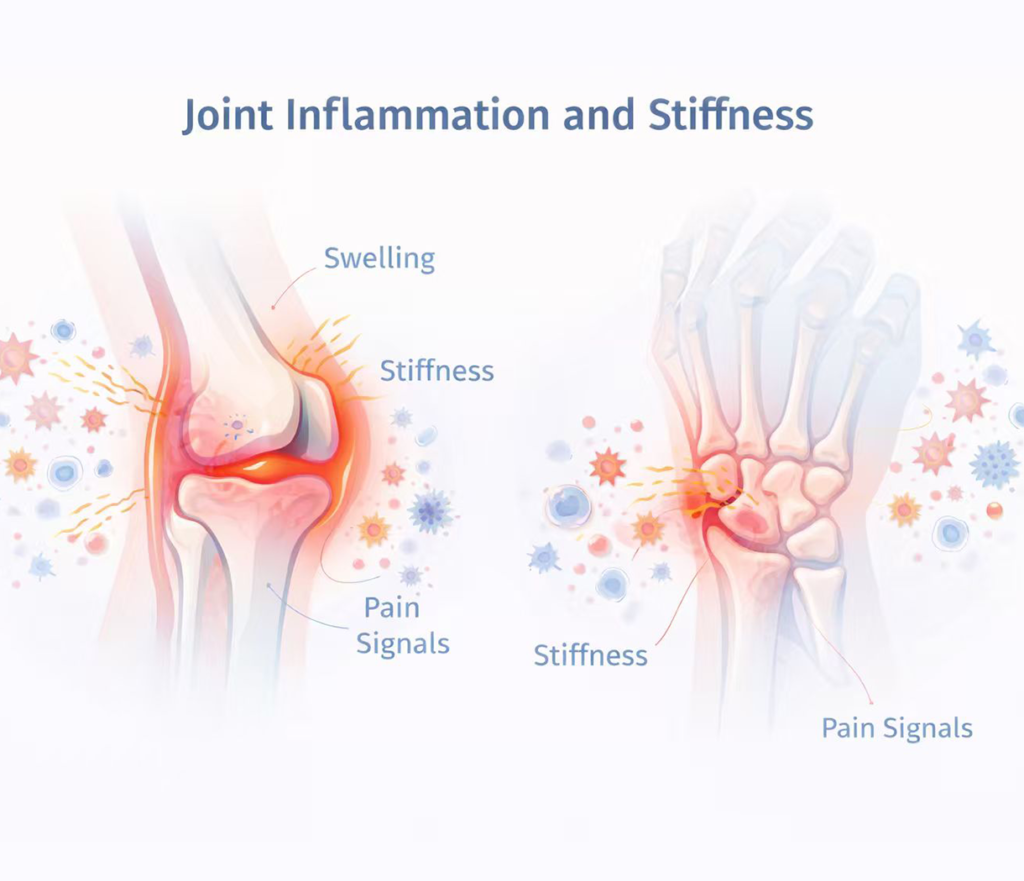
Joint stiffness can result from a variety of factors:
- Age-related cartilage degeneration
- Arthritis (osteoarthritis, rheumatoid arthritis)
- Muscle imbalances or overuse injuries
- Poor circulation and inflammation
These factors can limit the range of motion and make daily activities painful or uncomfortable.
1.2 Why Reduced Mobility Matters
Limited joint mobility is not just an inconvenience—it can:
- Increase the risk of falls or injuries
- Reduce exercise and activity participation
- Accelerate muscle weakness and joint degeneration
Understanding the importance of mobility emphasizes why interventions like local cryotherapy are gaining popularity.
2. What Is Local Cryotherapy?
2.1 Definition and Concept
Local cryotherapy involves applying extremely cold temperatures to a targeted area of the body using specialized devices. Unlike full-body cryotherapy, which exposes the entire body to cold, this cryotherapy focuses on a specific joint or muscle group. The goal is to reduce inflammation, relieve pain, and improve tissue recovery.
2.2 How Local Cryotherapy Works
Cold therapy affects the body in multiple ways:
- Vasoconstriction and vasodilation cycles: Initially narrows blood vessels, then dilates them after therapy, enhancing circulation
- Reduction of inflammatory mediators: Cold exposure can slow metabolic processes in inflamed tissues
- Nerve signal modulation: Cold can decrease pain signaling, offering temporary relief
These mechanisms collectively support improved joint function and range of motion.
3. Benefits of Local Cryotherapy for Joint Mobility
3.1 Reducing Pain and Inflammation
Local cryotherapy can temporarily reduce pain by decreasing nerve excitability and lowering levels of inflammatory substances in the joint. This provides relief that enables easier movement during daily activities or physical therapy sessions.
3.2 Enhancing Range of Motion
By reducing swelling and muscle tension around joints, cryotherapy allows for improved flexibility. Individuals often experience smoother joint movements after a session, which can enhance performance in sports or rehabilitation exercises.
3.3 Supporting Recovery from Overuse or Injury
Joints subjected to repetitive strain or minor injuries often benefit from cold therapy. Local cryotherapy can accelerate recovery by limiting tissue damage and promoting healthy blood flow, which supports repair and maintains joint function.
4. Joints That Benefit Most from Local Cryotherapy
4.1 Knee Joints
The knees bear significant weight and are prone to arthritis or sports-related injuries. Targeted cold therapy can alleviate swelling, relieve discomfort, and improve walking or bending.
4.2 Shoulder and Elbow Joints
Shoulders and elbows are susceptible to repetitive motion injuries, such as tendonitis. Local cryotherapy can reduce inflammation and improve range of motion for overhead movements or lifting tasks.
4.3 Wrist and Hand Joints
For individuals experiencing carpal tunnel syndrome or arthritis in the hands, cold therapy can relieve stiffness and support dexterity, enabling better grip and daily activity performance.
5. Local Cryotherapy vs Traditional Joint Treatments
5.1 Cryotherapy vs Ice Packs
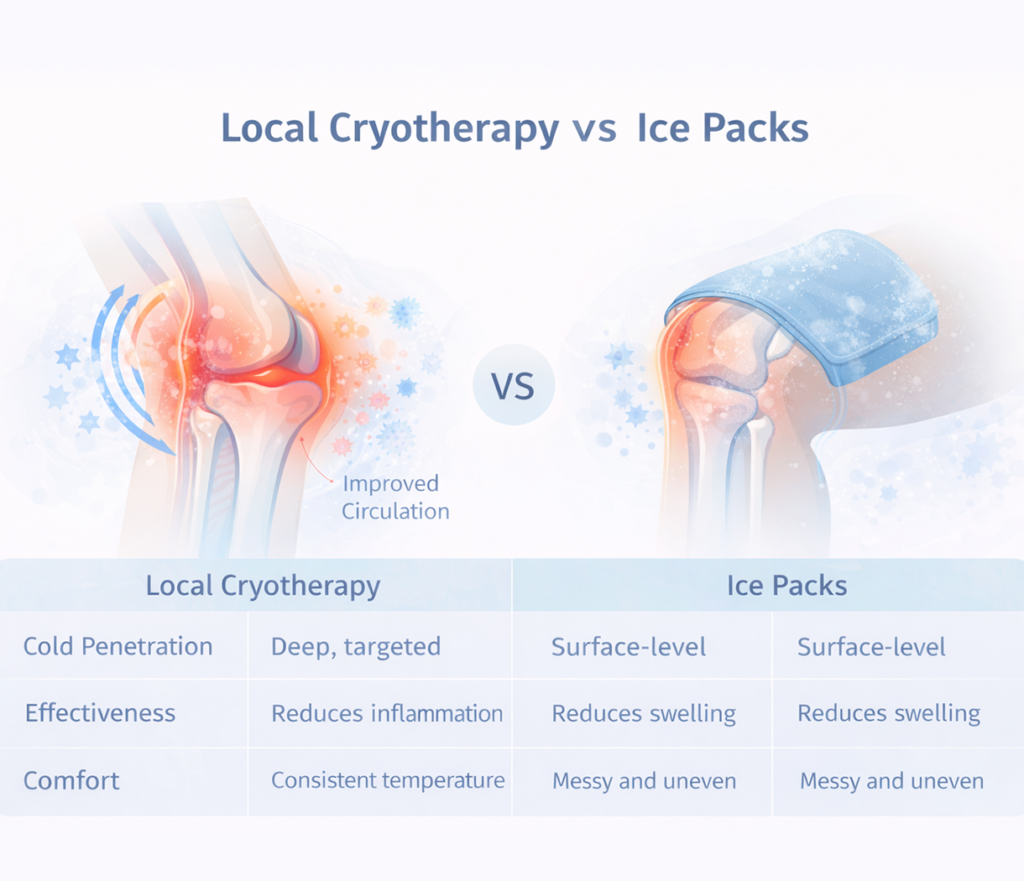
While ice packs provide surface-level relief, local cryotherapy penetrates deeper into tissues and can more effectively modulate inflammation and pain. It also offers consistent temperature control for optimized treatment.
5.2 Cryotherapy vs Anti-Inflammatory Medications
Medications can reduce pain temporarily but may cause side effects if used long-term. Local cryotherapy provides a drug-free alternative for chronic joint care.
5.3 Integrating Cryotherapy with Physical Therapy
Using cryotherapy before or after exercise can enhance mobility gains from stretching and strengthening exercises. It complements conventional therapy without replacing it.
6. Practical Guidelines for Using Local Cryotherapy
6.1 Session Duration and Frequency
- Typical session: 5–10 minutes per joint
- Frequency: 2–3 times per week for chronic conditions, or after intensive exercise
- Always follow manufacturer or clinic guidance
6.2 Safety Considerations
- Avoid direct exposure to broken skin
- Do not exceed recommended duration to prevent frostbite or cold burns
- Individuals with certain medical conditions should consult a professional before use
FAQ
Does local cryotherapy improve flexibility immediately?
Some improvement may be noticed after a session, but long-term mobility gains usually require repeated use combined with exercise.
Can I use local cryotherapy on multiple joints in one day?
Yes, but avoid prolonged exposure and allow adequate recovery time between joints.
Is local cryotherapy safe for elderly users?
Generally safe when applied according to guidelines, though supervision or consultation is recommended for frail individuals.
How does it compare to full-body cryotherapy?
Localized treatment targets specific joints more directly, is more accessible, and often more comfortable for short sessions.
Conclusion
Local cryotherapy offers a targeted, non-invasive solution for improving joint mobility and managing pain. By reducing inflammation, relieving discomfort, and supporting recovery from overuse or injury, it helps individuals maintain flexibility and perform daily activities with greater ease. When combined with stretching, strengthening, and proper medical guidance, local cryotherapy can be a valuable addition to any joint health routine.
References
Cristancho, M., & Hamblin, M. R. (2020). Cryotherapy for musculoskeletal conditions: Mechanisms and clinical applications.
https://www.ncbi.nlm.nih.gov/pmc/articles/PMC7353457
Bleakley, C. M., & Davison, G. W. (2010). What is the biochemical and physiological rationale for using cold-water immersion in sports recovery?
https://pubmed.ncbi.nlm.nih.gov/20399936
Costello, J. T., et al. (2012). Effects of cryotherapy on pain, swelling, and functional outcomes following exercise-induced injury.