
Introduction
As we age, joint pain, muscle stiffness, and inflammation become increasingly common, significantly impacting mobility and overall quality of life. Seniors often face challenges in maintaining physical activity due to these discomforts, which can lead to reduced independence and heightened risk of chronic conditions. Localized cryotherapy, a non-invasive and scientifically supported cold therapy, has emerged as an effective solution for managing pain, improving mobility, and promoting overall well-being. Unlike traditional ice packs or systemic cold exposure, localized cryotherapy targets specific areas of pain, reducing inflammation while enhancing circulation and accelerating recovery. This article explores its mechanisms, benefits, safety considerations, and practical strategies to help seniors maximize results.
1. What is Localized Cryotherapy?
1.1 Definition and Key Principles
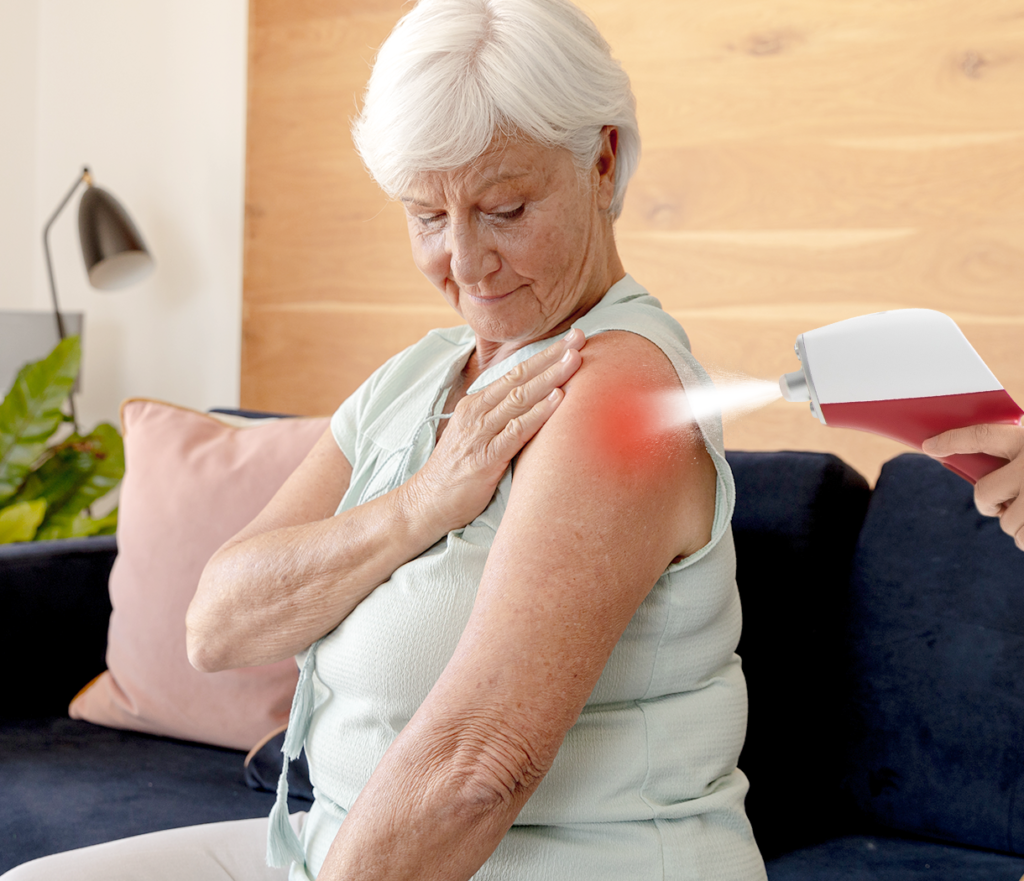
Localized cryotherapy is a therapeutic method that applies extremely low temperatures to specific body regions to alleviate pain, inflammation, and muscle soreness. Unlike whole-body cryotherapy, which exposes the entire body to subzero temperatures, localized cryotherapy focuses on targeted joints, muscles, or areas affected by injury. The therapy typically uses cold air, liquid nitrogen vapor, or specialized cryotherapy devices to deliver precise cooling. The primary principle is that controlled cold exposure triggers vasoconstriction, reduces local inflammation, and slows down nerve conduction, effectively decreasing pain perception. For seniors, localized cryotherapy provides a drug-free, non-invasive method to manage chronic joint conditions while supporting recovery from minor injuries or surgery.
1.2 How Cryotherapy Works for Pain Relief
Cryotherapy’s pain-relieving effects stem from its influence on cellular and vascular mechanisms. When applied to tissues, cold exposure causes vasoconstriction, limiting blood flow and reducing swelling in affected areas. Subsequently, vasodilation occurs once the tissue returns to normal temperature, improving oxygenation and nutrient delivery to muscles and joints. Additionally, cryotherapy slows nerve signal transmission, temporarily decreasing pain perception. Studies have shown that localized cryotherapy can modulate inflammatory cytokines, reduce oxidative stress, and improve microcirculation, which collectively support joint health and muscular function. For seniors, these physiological effects help mitigate chronic pain, improve mobility, and facilitate engagement in physical activity without the need for long-term pharmacologic interventions.
2. Benefits of Cryotherapy for Seniors
Localized cryotherapy is more than a short-term pain reliever. Its benefits extend to enhancing mobility, reducing inflammation, and improving overall well-being. By understanding these advantages, seniors and caregivers can make informed decisions about incorporating cryotherapy into a holistic pain management routine.
2.1 Reduce Pain and Inflammation
Targeted cold therapy has been shown to reduce localized inflammation and alleviate pain in conditions such as osteoarthritis, rheumatoid arthritis, and age-related musculoskeletal stiffness. By constricting blood vessels, cryotherapy temporarily limits swelling, while the subsequent vasodilation promotes tissue healing. Additionally, the therapy dampens nociceptor activity, reducing the transmission of pain signals to the central nervous system. Clinical studies indicate that seniors using localized cryotherapy experience significant reductions in joint discomfort and muscle soreness, which can decrease reliance on NSAIDs and other medications. This non-invasive approach minimizes side effects while providing an immediate sense of relief, enhancing daily comfort and functional capacity.
2.2 Improve Mobility and Flexibility
One of the most valuable outcomes of localized cryotherapy for seniors is improved joint mobility and muscular flexibility. By reducing inflammation and alleviating stiffness, seniors can perform range-of-motion exercises with greater ease, facilitating activities such as walking, climbing stairs, or performing household tasks. Cryotherapy also assists in maintaining synovial fluid viscosity, which is essential for smooth joint movement. Consistent, controlled application has been linked to increased flexibility in areas such as the knees, hips, and shoulders. By integrating cryotherapy with gentle stretching routines, seniors can maintain functional independence, reduce fall risk, and enjoy a more active lifestyle.
2.3 Enhance Overall Quality of Life
Pain reduction and improved mobility translate into enhanced overall quality of life for seniors. Relief from chronic discomfort allows individuals to participate more fully in social, recreational, and physical activities, promoting both physical and mental well-being. Cryotherapy also supports better sleep quality, as decreased nocturnal pain can reduce sleep disruptions. Moreover, improved mobility and decreased reliance on pain medications contribute to long-term health benefits, such as maintaining cardiovascular fitness and reducing the risk of secondary conditions caused by inactivity. By adopting localized cryotherapy, seniors gain a practical tool to sustain independence and daily functionality.
3. Safe Use Guidelines for Seniors
While localized cryotherapy is generally safe, proper use is critical to avoid adverse effects and maximize therapeutic outcomes. Seniors should follow specific guidelines to ensure both efficacy and safety.
3.1 Recommended Duration and Frequency
For older adults, cryotherapy sessions should begin conservatively. Typically, applications last between 5 and 15 minutes per targeted area, depending on individual tolerance. Frequency can vary but generally ranges from two to three sessions per week. It is essential to monitor skin response throughout each session, as prolonged exposure can increase the risk of cold-induced injuries. Establishing a consistent schedule allows cumulative benefits without overexposure, and adjusting session duration based on personal comfort ensures optimal outcomes.
3.2 Proper Application Techniques
Correct application of localized cryotherapy is key to safety and effectiveness. Devices should be positioned directly on the affected area without excessive pressure. Protective barriers, such as thin cloth layers, may be used to prevent frostbite or cold burns. It is important to avoid direct contact with sensitive skin regions, particularly in older adults with diminished circulation or neuropathy. Controlled, precise delivery ensures that therapeutic temperatures reach target tissues while maintaining safety, optimizing both comfort and efficacy.
3.3 Who Should Consult a Doctor First
Although cryotherapy is non-invasive, seniors with certain health conditions should seek medical advice prior to use. Individuals with circulatory disorders, severe diabetes, cold hypersensitivity, or skin conditions may be at higher risk for adverse effects. Pregnant individuals or those with cardiovascular disease should also consult a healthcare professional. Professional guidance ensures that cryotherapy complements existing treatments without introducing complications, supporting safe and effective integration into a pain management routine.
4. Common Mistakes to Avoid
Even safe therapies like localized cryotherapy can be ineffective or harmful if misused. Awareness of common mistakes ensures seniors maximize benefits while minimizing risks.
4.1 Overuse or Prolonged Exposure
Exceeding recommended session times or increasing frequency too quickly can lead to tissue damage, frostbite, or increased discomfort. Overuse may also trigger paradoxical inflammation or numbness in the treated area, undermining therapeutic benefits. Maintaining short, controlled sessions with gradual adjustments helps seniors safely adapt to cryotherapy while sustaining pain relief and functional improvements.
4.2 Incorrect Device Placement
Misplacing the cryotherapy device reduces efficacy and may expose unintended areas to excessive cold. Proper positioning on the targeted joint or muscle ensures optimal penetration of cold to affected tissues. Devices should be adjusted to match body contours, and sensors or guides provided by the manufacturer should be used to verify accurate placement. Correct positioning enhances both safety and therapeutic outcomes.
4.3 Ignoring Underlying Conditions
Localized cryotherapy is an adjunct therapy, not a cure-all. Using cryotherapy without addressing underlying medical conditions can mask symptoms while failing to treat root causes. Seniors should combine cold therapy with physician-guided interventions for arthritis, neuropathy, or post-surgical rehabilitation to achieve long-term benefits safely. Ignoring medical guidance may delay recovery or exacerbate chronic conditions.
5. Practical Strategies to Maximize Cryotherapy Benefits
To achieve optimal results, seniors can adopt several practical strategies that enhance safety, comfort, and efficacy.
5.1 Start with Short, Controlled Sessions
Seniors should begin with brief, manageable sessions of 5–10 minutes, gradually increasing duration as tolerance develops. This approach reduces the risk of cold injury while allowing the body to adapt physiologically. Monitoring skin color, sensation, and comfort levels ensures a safe start, particularly for first-time users or those with reduced sensory feedback.
5.2 Pair Cryotherapy with Daily Mobility Exercises
Combining cryotherapy with gentle stretching or range-of-motion exercises amplifies benefits. Cold therapy reduces pain and inflammation, enabling seniors to perform movements more easily. Post-cryotherapy exercises promote joint lubrication, enhance flexibility, and strengthen supportive muscles, maximizing the therapy’s functional impact.
5.3 Maintain Consistency Over Time
Cryotherapy outcomes are cumulative. Regular, consistent sessions—ideally two to three times per week—help sustain pain relief and mobility gains. Tracking sessions and observing improvements allow gradual adjustments in duration, frequency, and targeted areas, ensuring long-term efficacy and engagement.
5.4 Listen to Your Body
Seniors should monitor their physical responses carefully. Persistent numbness, tingling, or skin irritation indicates the need to pause therapy or consult a healthcare provider. Individual tolerance varies, and attentive self-monitoring helps prevent complications and ensures personalized treatment.
5.5 Combine with Other Non-Invasive Therapies
Cryotherapy can be complemented with massage, heat therapy, or physical therapy to optimize recovery. Integrating multiple approaches enhances muscular flexibility, joint function, and overall comfort. This holistic approach supports pain management while minimizing reliance on pharmacologic interventions.
FAQ
Is localized cryotherapy safe for all seniors?
Localized cryotherapy is generally safe for older adults but may pose risks for individuals with circulatory disorders, neuropathy, or cold hypersensitivity. Consultation with a healthcare provider is recommended.
How long before I see results?
Some seniors experience immediate relief from stiffness or soreness, but consistent use over several weeks typically yields the most significant improvements in mobility and pain reduction.
Can seniors use cryotherapy daily?
Daily sessions may be safe if short and controlled, but two to three sessions per week are sufficient for most seniors. Overuse can lead to tissue irritation or numbness.
Are there any side effects or risks?
Possible risks include skin irritation, frostbite, or increased discomfort if misapplied. Proper placement, protective barriers, and adherence to recommended duration minimize these risks.
Conclusion
Localized cryotherapy offers seniors a scientifically supported, non-invasive method to manage pain, reduce inflammation, and maintain mobility. When applied safely and consistently, it enhances functional independence and overall quality of life. Combining cryotherapy with gentle exercises, attentive monitoring, and complementary therapies ensures optimal benefits. By integrating these strategies, seniors can stay active, minimize discomfort, and enjoy a more fulfilling, pain-free lifestyle.
References
National Institutes of Health — Cryotherapy: Mechanisms and Benefits
https://www.ncbi.nlm.nih.gov/pmc/articles/PMC5523874
American Physical Therapy Association — Cold Therapy Guidelines
https://www.apta.org/patient-care/physical-therapy-guide/cold-therapy
Healthline — Localized Cryotherapy for Pain Relief
https://www.healthline.com/health/cold-therapy
Journal of Clinical Medicine — The Effects of Cryotherapy on Muscle Recovery and Inflammation
https://www.mdpi.com/2077-0383/9/1/35
Frontiers in Physiology — Mechanisms and Benefits of Cold Therapy in Older Adults
https://www.frontiersin.org/articles/10.3389/fphys.2020.00721/full