
Introduction
In the modern era of high-performance sports, athletes constantly search for innovative strategies to accelerate recovery and minimize injury risks. Cryotherapy, or cold therapy, has emerged as one of the most effective non-invasive solutions for muscle repair, inflammation control, and overall athletic performance enhancement. By exposing the body or localized areas to extremely low temperatures, cryotherapy triggers a cascade of physiological responses, including vasoconstriction, vasodilation, and the release of neurotransmitters such as norepinephrine and endorphins. These responses not only facilitate faster muscle recovery but also improve joint function and mental resilience. This article will explore the mechanisms, benefits, and practical applications of cryotherapy for athletes, supported by scientific research and clinical evidence.
What Is Cryotherapy and How Does It Work for Athletes?
Before exploring specific benefits, it is essential to understand how cryotherapy interacts with the human body at both systemic and cellular levels. The combination of cold-induced vascular responses and neuromodulation underpins its effectiveness in athletic recovery.
The Science Behind Cold Therapy
Cryotherapy involves exposure to subzero temperatures, ranging from -100°C to -160°C for whole-body cryotherapy (WBC) and -30°C to -80°C for localized cryotherapy devices. This extreme cold triggers a controlled stress response, prompting vasoconstriction followed by reactive vasodilation, which enhances tissue perfusion and accelerates metabolic waste clearance. Physiologically, this therapy reduces inflammatory cytokines such as interleukin-6 (IL-6) and tumor necrosis factor-alpha (TNF-α), while stimulating the release of catecholamines and endorphins, which improve mood and mental alertness. These mechanisms collectively support faster tissue repair, reduce soreness, and mitigate delayed onset muscle soreness (DOMS).
Whole-Body vs Localized Cryotherapy for Athletes
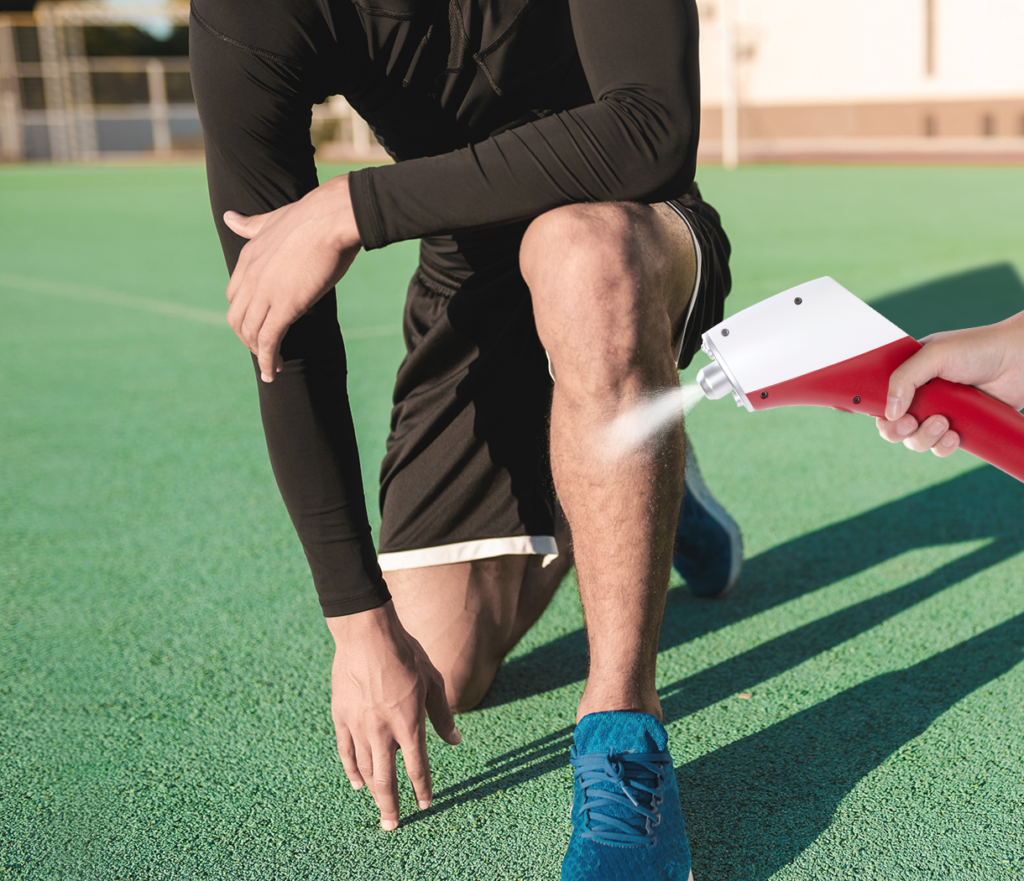
Athletes may choose between WBC and localized cryotherapy depending on their specific needs. Whole-body cryotherapy provides systemic benefits, improving circulation, reducing generalized inflammation, and promoting overall fatigue reduction. In contrast, localized cryotherapy focuses on specific muscles, joints, or injury sites, making it ideal for managing chronic pain, targeted inflammation, or rehabilitation. Professional teams often integrate both approaches strategically, employing localized sessions for acute injuries while utilizing WBC for systemic recovery after intense competitions or multi-day training sessions. https://www.localcryotherapy.com/
Cryotherapy for Muscle Recovery
Muscle recovery is essential for maintaining performance, reducing injury risk, and sustaining training intensity. Cryotherapy plays a vital role in mitigating exercise-induced muscle damage.
Reducing Muscle Soreness and Fatigue
Delayed onset muscle soreness (DOMS) is a common result of eccentric muscle contractions and high-intensity training. Cryotherapy mitigates DOMS by reducing the accumulation of lactic acid and other metabolic byproducts, improving microcirculation, and decreasing pro-inflammatory cytokine levels. Additionally, exposure to cold modulates oxidative stress in muscle tissue, promoting faster repair of microtears in muscle fibers. Athletes who utilize this therapy regularly often report decreased muscle stiffness, lower subjective fatigue, and improved performance in subsequent training sessions, which is supported by clinical studies on whole-body cold exposure.
https://pubmed.ncbi.nlm.nih.gov/21058119
Enhancing Recovery Time Between Training Sessions
Efficient recovery is critical to maintaining peak performance across repeated training sessions or competitions. Cryotherapy reduces inflammatory signaling and enhances oxygen delivery, allowing muscle fibers to repair more quickly. Timing is essential; studies suggest that exposure immediately post-exercise or within two hours after high-intensity training maximizes the recovery benefit. By integrating cryotherapy into a periodized training regimen, athletes can shorten recovery cycles without compromising training intensity, ultimately improving adaptation and performance outcomes over time.
Cryotherapy for Injury Prevention
In addition to accelerating recovery, cryotherapy serves as a preventive tool, protecting muscles, joints, and connective tissues from overuse and strain.
Joint and Ligament Protection
Repetitive motion and high-intensity training place significant stress on joints and ligaments, increasing the risk of sprains, strains, and microtears. Cryotherapy enhances collagen synthesis in connective tissues and reduces pro-inflammatory markers, improving joint stability and resilience. Localized cryotherapy applied to vulnerable areas, such as knees or shoulders, helps prevent overuse injuries by maintaining tissue integrity. Long-term protocols may include a combination of WBC for systemic benefits and localized applications for targeted injury prevention.
https://pubmed.ncbi.nlm.nih.gov/28959316
Managing Inflammation and Swelling Proactively
Low-grade inflammation is often a cumulative effect of repeated high-intensity exercise. Regular cold therapy can reduce chronic tissue inflammation, control edema, and modulate systemic anti-inflammatory responses. By addressing inflammation before it escalates into significant injury, athletes maintain higher levels of performance, reduce training interruptions, and enhance overall musculoskeletal health. Anecdotal evidence from professional sports teams indicates that consistent cryotherapy reduces minor strains and supports consistent participation in competitive schedules.
Optimizing Athletic Performance with Cryotherapy
Cryotherapy not only aids recovery but also enhances physiological and cognitive performance, contributing to peak athletic output.
Boosting Energy and Mental Focus
Cold exposure stimulates the sympathetic nervous system, increasing catecholamine and endorphin levels. These neurochemical changes improve alertness, mood, and cognitive focus. Athletes often experience enhanced mental clarity and faster reaction times after cold therapy, which can be critical in competitive environments requiring split-second decisions. Psychological resilience is also supported by repeated controlled exposure to cold, helping athletes manage performance-related stress more effectively.
Integration With Training and Nutrition
Cryotherapy complements structured training and nutritional strategies. By mitigating inflammation and facilitating tissue repair, athletes can sustain high-intensity workouts and prevent performance decline. Optimal integration includes aligning cryotherapy sessions with recovery periods, maintaining hydration, and ensuring adequate nutrient intake for muscle repair. Research suggests that combining cold therapy with periodized training and comprehensive nutrition plans improves endurance, power output, and long-term athletic adaptation.
What to Expect During a Cryotherapy Session
Understanding what occurs during a session ensures athletes maximize benefits while maintaining safety.
Typical Procedure
Whole-body cryotherapy involves standing in a refrigerated chamber or nitrogen-cooled pod for 2–3 minutes, wearing minimal protective clothing such as gloves, socks, and a face mask. Localized cryotherapy devices apply cold for 1–5 minutes directly to specific muscles or joints. During treatment, athletes may experience tingling, temporary numbness, and heightened alertness—normal responses indicating physiological activation. Proper supervision ensures safe temperature exposure, correct duration, and adherence to safety guidelines.
Possible Side Effects and Safety Tips
Cryotherapy is generally safe, but mild reactions like skin redness, tingling, or temporary numbness can occur. Individuals with cardiovascular conditions, cold hypersensitivity, or specific medical contraindications should consult a healthcare professional before treatment. Adhering to recommended session duration and protective measures maximizes therapeutic effects and minimizes risks.
https://pubmed.ncbi.nlm.nih.gov/15292057
Frequently Asked Questions (FAQ)
How often should athletes do cryotherapy for optimal recovery?
Most protocols suggest 2–4 sessions per week depending on training intensity and individual recovery needs.
Can cryotherapy prevent serious injuries?
While cryotherapy helps manage minor strains and fatigue, it complements—but does not replace—proper training techniques and conditioning.
Is cryotherapy suitable for all types of athletes?
Generally safe for most athletes, though individuals with cardiovascular or cold-sensitive conditions should seek professional guidance.
How soon are benefits noticeable?
Many athletes report reduced soreness and improved energy within 24–48 hours, with cumulative effects after repeated sessions.
Conclusion
Cryotherapy is a scientifically validated tool that accelerates muscle recovery, prevents injury, and enhances athletic performance. Its combined impact on musculoskeletal repair, systemic inflammation control, and nervous system activation makes it a holistic approach to training recovery. By integrating this therapy strategically into training routines and following professional guidance, athletes can maintain peak performance, reduce downtime, and improve long-term musculoskeletal and mental health.
References
Bleakley CM, et al. “The use of ice in the treatment of acute soft-tissue injury: a systematic review of randomized controlled trials.” Am J Sports Med, 2004.
https://pubmed.ncbi.nlm.nih.gov/15292057
Banfi G, et al. “Effects of whole-body cryotherapy on recovery from exercise-induced muscle damage in athletes.” J Sports Med Phys Fitness, 2010.
https://pubmed.ncbi.nlm.nih.gov/21058119
Lombardi G, et al. “Whole-body cryotherapy in athletes: From therapy to stimulation.” Med Sport, 2017.
https://pubmed.ncbi.nlm.nih.gov/28959316
Costello JT, et al. “Whole-body cryotherapy (extreme cold air exposure) for preventing and treating muscle soreness after exercise in adults.” Cochrane Database Syst Rev, 2012.
https://www.cochranelibrary.com/cdsr/doi/10.1002/14651858.CD010789.pub2/full