
Introduction
Seasonal weather changes often affect how the body feels during daily activities. Many individuals notice increased muscle tightness, joint sensitivity, and physical fatigue when temperatures drop or environmental conditions shift rapidly. During colder seasons, recovery routines become increasingly important because reduced movement and prolonged indoor activity may contribute to stiffness and discomfort. In modern wellness environments, CO₂ Cryotherapy is frequently discussed as a non-invasive cold stimulation approach associated with muscle recovery, localized cooling support, and seasonal body care management. As recovery-focused wellness trends continue to grow, more individuals are incorporating CO₂ Cryotherapy into routines designed to support physical comfort during seasonal transitions.
1. Seasonal Weather Changes and Recovery Challenges
1.1 Why Cold Weather Increases Muscle Tightness
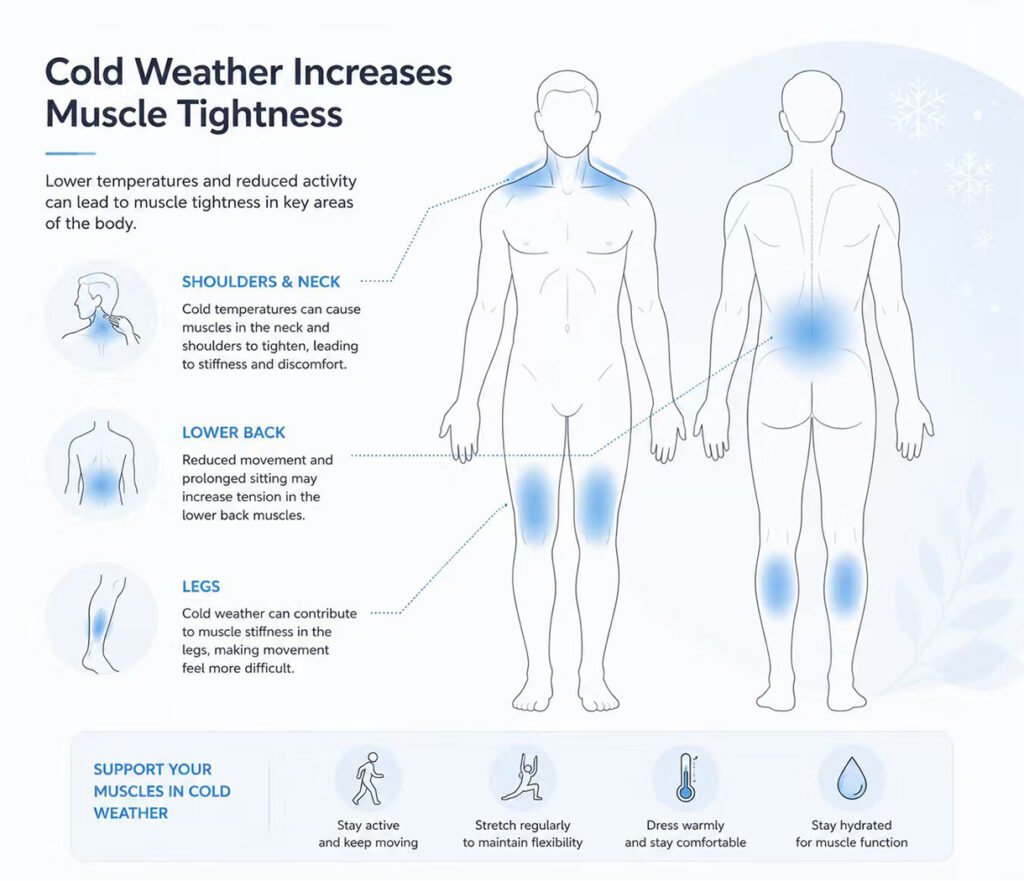
Cold temperatures may reduce muscle flexibility and increase physical tension throughout the body. During colder months, muscles often feel tighter because the body naturally reacts to lower temperatures by restricting movement efficiency and increasing muscular tension. In addition, many people become less physically active during seasonal transitions, which may further contribute to stiffness in the shoulders, lower back, and legs. Because of these seasonal recovery challenges, many wellness-focused individuals explore CO₂ Cryotherapy as part of cold-based muscle recovery routines designed to support physical comfort and mobility.
1.2 Joint Sensitivity During Seasonal Transitions
Environmental pressure changes may influence how joints and surrounding soft tissues feel during movement. Many individuals report that knees, shoulders, and lower back areas become more sensitive during colder seasons, especially after prolonged sitting or reduced activity. Over time, these discomfort patterns may interfere with mobility and daily movement efficiency. As a result, recovery-focused wellness routines increasingly include CO₂ Cryotherapy sessions as part of seasonal body care strategies associated with temporary cooling stimulation and recovery support concepts.
1.3 Reduced Movement and Physical Fatigue
Seasonal changes often lead to lower outdoor activity levels and longer periods of inactivity indoors. However, prolonged sitting and reduced movement may increase muscular tension and circulation-related discomfort. In modern recovery discussions, CO₂ Cryotherapy frequently appears alongside stretching routines and mobility-focused wellness habits because many individuals seek recovery-oriented approaches that fit into long-term seasonal wellness management.
2. Why CO₂ Cryotherapy Becomes Popular During Colder Seasons
2.1 Recovery-Focused Wellness Trends
As wellness culture continues to evolve, more people now prioritize proactive recovery routines instead of waiting for physical discomfort to become more noticeable. CO₂ Cryotherapy has gained attention within this trend because it aligns with modern recovery-focused wellness concepts involving cold stimulation and localized body recovery. In addition, many individuals prefer non-invasive wellness approaches that integrate easily into active lifestyles and seasonal recovery routines.
2.2 Temporary Cooling Stimulation and Muscle Comfort
CO₂ Cryotherapy involves rapid cooling exposure applied to targeted body areas. This cooling stimulation concept is frequently associated with post-activity recovery and temporary muscle refreshment discussions. During colder seasons, many active individuals incorporate cold-based wellness sessions into broader routines designed to support relaxation, movement comfort, and physical recovery balance.
2.3 Seasonal Recovery for Active and Sedentary Lifestyles
Both physically active individuals and sedentary workers may experience seasonal muscle tightness. For example, office workers often report shoulder and lower back stiffness during colder months, while active individuals may notice prolonged recovery fatigue after workouts. Because of these patterns, CO₂ Cryotherapy continues to appear in seasonal wellness discussions related to movement recovery and body maintenance routines.
3. How CO₂ Cryotherapy Fits Into Modern Recovery Routines
3.1 Localized Cooling and Recovery Support
One major reason CO₂ Cryotherapy attracts attention in wellness environments is its localized cooling approach. Unlike general cold exposure methods, targeted cooling sessions focus on specific body regions experiencing tension or fatigue. As a result, many individuals explore CO₂ Cryotherapy as part of recovery-oriented body care routines during seasonal transitions and physically demanding periods.
3.2 Combining CO₂ Cryotherapy with Mobility Work
Modern recovery routines rarely depend on a single method. Instead, people often combine CO₂ Cryotherapy with stretching, light exercise, hydration, and mobility-focused activities. This integrated approach supports movement efficiency while helping individuals maintain more consistent recovery habits throughout changing weather conditions.
3.3 Post-Activity Recovery Discussions
CO₂ Cryotherapy is also frequently associated with post-activity recovery discussions in wellness and fitness environments. After repetitive physical activity or long workdays, some individuals seek cooling-based muscle recovery routines that support temporary physical refreshment and muscular relaxation concepts. This growing interest reflects the increasing popularity of recovery-centered wellness lifestyles.
4. Lifestyle Habits That Complement CO₂ Cryotherapy
4.1 Daily Movement and Circulation Support
Maintaining consistent movement throughout the day plays an important role in seasonal recovery management. Walking, stretching, and low-impact mobility exercises may help reduce prolonged stiffness caused by colder weather and inactivity. In addition, many people combine these habits with CO₂ Cryotherapy sessions to create more balanced recovery-focused wellness routines.
4.2 Stretching and Flexibility Routines
Stretching remains one of the most common wellness strategies for supporting flexibility during colder months. Tight muscles may influence movement quality and increase physical tension over time. Because of this, recovery-oriented routines often combine stretching programs with cold stimulation concepts such as CO₂ Cryotherapy to support overall body comfort and mobility.
4.3 Recovery-Oriented Wellness Habits
Modern wellness discussions increasingly emphasize recovery as part of long-term physical maintenance. Sleep quality, hydration, stress management, and recovery-focused body care all contribute to physical comfort during seasonal transitions. CO₂ Cryotherapy frequently appears within these discussions because many individuals now view cold-based recovery as part of a broader wellness lifestyle rather than a short-term trend.
5. Long-Term Seasonal Recovery and Wellness Management
5.1 Understanding Personal Recovery Patterns
Every individual responds differently to weather changes and physical stress. Some people experience increased stiffness during colder mornings, while others notice muscular fatigue after reduced movement periods. Tracking these patterns may help individuals develop more effective recovery routines that include mobility work and CO₂ Cryotherapy-based wellness strategies.
5.2 Building Consistent Recovery Routines
Long-term physical wellness depends heavily on consistency. Instead of relying on occasional recovery efforts, many individuals now build structured wellness habits that include movement, flexibility training, hydration, and cold-based recovery sessions. CO₂ Cryotherapy fits naturally into this trend because it supports modern recovery-focused lifestyle management concepts.
5.3 Recovery Culture in Modern Wellness Trends
Recovery has become a major focus in modern wellness culture. Rather than viewing recovery as something reserved for athletes, many individuals now prioritize body maintenance and movement comfort within everyday routines. As this trend continues to grow, CO₂ Cryotherapy remains widely discussed as part of contemporary recovery and seasonal wellness conversations.
FAQ
Why do muscles feel tighter during seasonal changes?
Cold temperatures and reduced movement may increase muscular tension and stiffness.
What is CO₂ Cryotherapy commonly associated with?
It is commonly discussed in relation to cold stimulation, recovery-focused wellness, and localized body cooling concepts.
Can seasonal weather changes affect physical comfort?
Many individuals report increased joint sensitivity and muscle tightness during colder months.
Why do people use CO₂ Cryotherapy during winter?
Many individuals incorporate cold-based recovery routines into seasonal wellness and body care strategies.
Does movement help reduce seasonal stiffness?
Regular stretching and daily movement may support flexibility and overall movement comfort.
Conclusion
Seasonal weather changes often influence muscle tension, joint sensitivity, and overall recovery balance. Colder temperatures, reduced movement, and prolonged indoor activity may contribute to physical stiffness and fatigue patterns throughout daily life. In modern wellness discussions, CO₂ Cryotherapy is increasingly referenced as a non-invasive cold stimulation approach associated with localized recovery support and seasonal body care management. When combined with stretching, mobility work, and consistent wellness habits, CO₂ Cryotherapy fits naturally into long-term recovery-focused lifestyles designed to support movement comfort and physical balance throughout changing seasons.
References
Local Cryotherapy – CO₂ Cryotherapy Information
https://www.localcryotherapy.com/
Cleveland Clinic – Muscle Stiffness and Joint Discomfort
https://my.clevelandclinic.org
National Library of Medicine – Weather and Musculoskeletal Discomfort
https://pubmed.ncbi.nlm.nih.gov
Mayo Clinic – Joint Pain and Seasonal Changes
Arthritis Foundation – Weather and Joint Comfort