Introduzione
Long-distance travel can be physically and mentally taxing. Travelers often experience jet lag, muscle stiffness, fatigue, and delayed recovery, which can impact performance, productivity, and overall well-being. Traditional remedies such as painkillers or excessive rest may provide temporary relief but carry risks or do not address the root causes of travel-related discomfort. Cryotherapy, a non-invasive, drug-free therapy, has emerged as a scientifically backed solution to accelerate recovery, reduce inflammation, and restore energy levels. Combined with advanced modalities such as laser therapy, it can enhance circulatory function, reduce pain, and improve overall wellness. This blog explores how cryotherapy can optimize travel recovery, detailing its mechanisms, applications, and practical tips for frequent travelers.
Understanding Travel-Induced Fatigue and Muscle Stiffness
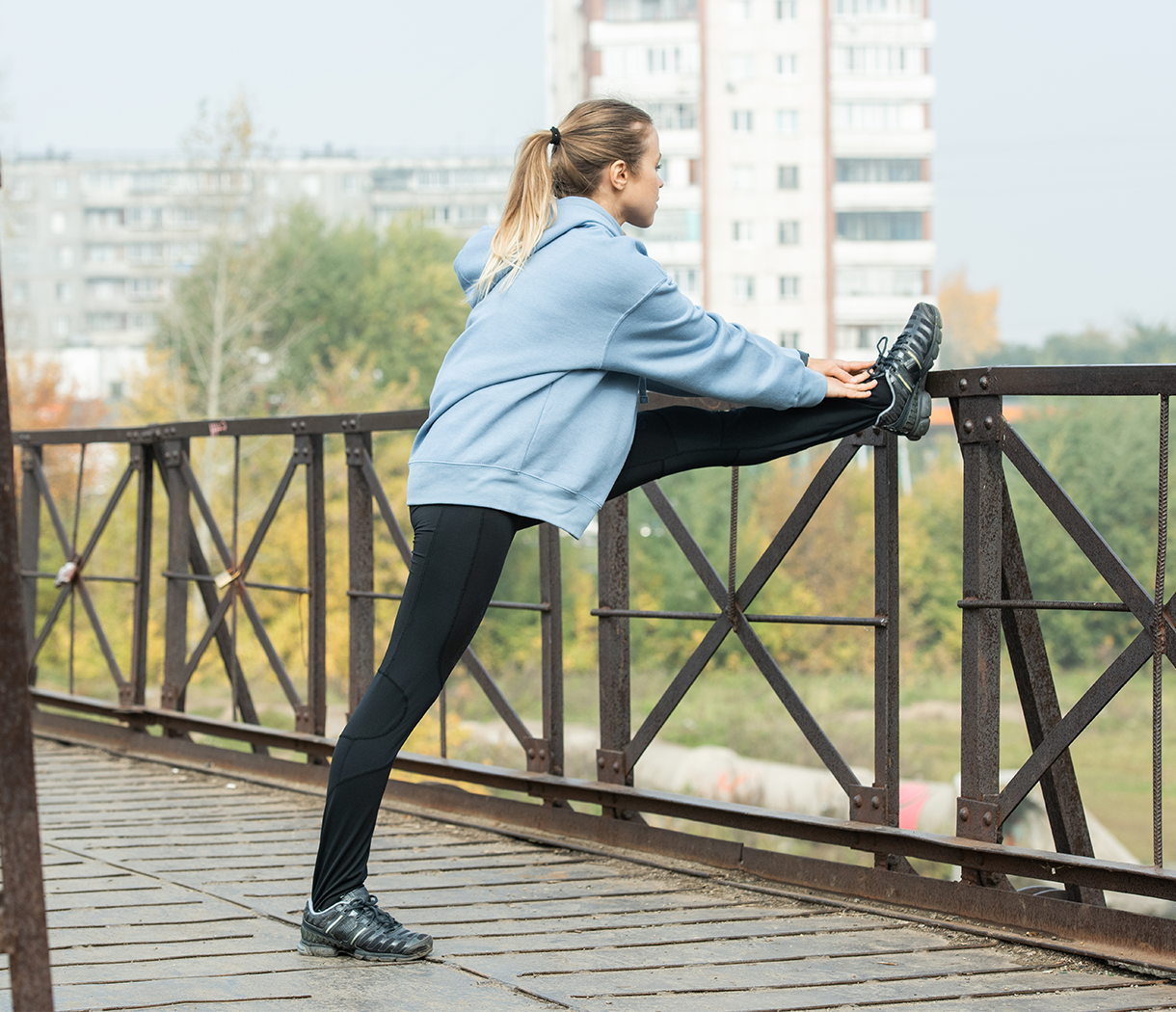
Travel, particularly long-haul flights, disrupts the body’s normal functioning. Extended periods of immobility, poor hydration, and altered sleep cycles contribute to muscle stiffness, fatigue, and circulatory impairment. Understanding these physiological changes is crucial to appreciate how cryotherapy provides relief.
When sitting for extended periods, muscles contract and blood flow slows, leading to lactic acid buildup and delayed onset muscle soreness. Moreover, crossing time zones disrupts circadian rhythms, reducing melatonin production, which affects sleep quality and energy regulation. Travelers may also experience mild systemic inflammation due to stress and disrupted metabolic cycles.
Cryotherapy counters these effects by triggering vasoconstriction and subsequent vasodilation, reducing inflammatory cytokines, and promoting oxygenated blood flow to affected areas. When combined with laser therapy, the synergistic effect can further enhance cellular energy production and tissue repair, providing comprehensive recovery for travelers.
Jet Lag and Circadian Disruption
Jet lag is a temporary disorder resulting from rapid travel across multiple time zones. Symptoms include sleep disturbances, daytime fatigue, impaired cognitive function, irritability, and digestive irregularities. These symptoms arise from misalignment between the internal circadian clock and external environmental cues.
Cryotherapy can mitigate jet lag effects by stimulating the autonomic nervous system and enhancing circulation. Whole-body exposure to cold temperatures triggers a mild stress response that boosts noradrenaline and endorphin levels, improving alertness and mood. When combined with laser therapy targeting muscle and joint areas, cryotherapy ensures that physical fatigue does not compound the cognitive symptoms of jet lag, providing a holistic recovery approach.
Muscle Stiffness and Circulatory Challenges
Muscle stiffness after travel is primarily due to prolonged immobility, reduced venous return, and localized inflammation. Commonly affected areas include the neck, shoulders, lower back, and legs. This stiffness can persist for hours or even days, impeding mobility and comfort.
Cryotherapy alleviates muscle stiffness by promoting vasoconstriction followed by reactive vasodilation, which enhances nutrient delivery and waste removal at the cellular level. Cold exposure reduces inflammatory mediators, while adjunctive laser therapy accelerates mitochondrial activity in muscle cells, increasing ATP production and tissue repair. This dual approach ensures rapid recovery, decreased soreness, and improved joint flexibility for travelers.

How Cryotherapy Supports Travel Recovery
Cryotherapy leverages the body’s natural response to cold to trigger physiological and biochemical effects that aid in recovery. Its mechanisms include anti-inflammatory action, improved blood circulation, and endorphin release, which collectively enhance mobility and reduce fatigue.
Laser therapy, when used in conjunction with cryotherapy, further enhances recovery by promoting photobiomodulation in muscle and joint tissues. Light at specific wavelengths penetrates cells, stimulating mitochondrial activity, increasing ATP, and accelerating tissue repair. This integrated approach targets both neuromuscular fatigue and systemic stress associated with long-distance travel.
Targeted Muscle Recovery
Localized cryotherapy is highly effective for specific muscle groups that experience strain during travel, such as the neck, lower back, and calves. Sessions typically involve brief exposure to extreme cold, stimulating vasomotor responses that increase oxygen-rich blood flow upon rewarming. This process helps remove metabolic waste products and reduces inflammation.
Laser therapy complements this effect by delivering focused light energy to muscle fibers, enhancing cellular energy production and reducing micro-level tissue damage. The combined therapy can significantly reduce muscle soreness, improve joint flexibility, and expedite the recovery process, enabling travelers to regain normal mobility quickly.
Whole-Body Cryotherapy for Energy Boost
Whole-body cryotherapy (WBC) involves short-term exposure to sub-zero temperatures, activating the sympathetic nervous system and triggering systemic benefits. WBC helps improve sleep quality, mental clarity, and energy levels—critical for recovering from jet lag and travel fatigue.
This therapy promotes hormonal regulation, including increased norepinephrine and endorphins, which improve mood and alertness. When integrated with laser therapy, WBC ensures that both muscular and neurological recovery occur simultaneously. This dual approach is particularly beneficial for business travelers and athletes, who require immediate functional recovery after flights.
Cryotherapy and Mental Wellness
Travel-induced stress and fatigue can impair cognitive performance and emotional stability. Cryotherapy addresses these issues through endorphin release, stress hormone modulation, and stimulation of peripheral sensory nerves. Exposure to controlled cold acts as a mild physiological stressor, which activates adaptive responses that enhance resilience to fatigue.
Combining cryotherapy with laser therapy targeting the neck and shoulder regions helps relieve tension headaches and localized muscle pain, further improving mental clarity and focus. This integrated strategy ensures that travelers not only recover physically but also regain optimal mental performance post-travel.
Integrating Cryotherapy into Your Travel Routine
For frequent travelers, practical implementation of cryotherapy is key. Many airports, hotels, and wellness centers now offer localized or whole-body cryotherapy sessions. Short, strategically timed treatments can be incorporated immediately after flights or during layovers to accelerate recovery.
Incorporating cryotherapy with hydration, stretching, and light aerobic activity maximizes benefits. Laser therapy can be applied before or after cryotherapy to enhance cellular repair and reduce inflammation. Selecting certified equipment and trained personnel is essential to ensure safety and effectiveness, particularly for first-time users or those with pre-existing medical conditions.
Expected Results and Benefits
Travelers can expect several tangible benefits from cryotherapy:
- Reduction in muscle soreness and stiffness, particularly in neck, back, and leg muscles.
- Alleviation of fatigue caused by jet lag and prolonged inactivity.
- Enhanced mental alertness and mood, improving travel performance and enjoyment.
- Faster overall recovery, allowing travelers to resume activities more quickly.
These outcomes are amplified when combined with laser therapy, which enhances cellular energy production and tissue repair, providing a comprehensive travel recovery solution.
Domande frequenti (FAQ)
How long should a cryotherapy session last for travel recovery?
Typical sessions range from 2–5 minutes for whole-body cryotherapy, while localized sessions may last 5–10 minutes. Frequency depends on travel intensity and individual tolerance.
Can first-time travelers safely use cryotherapy?
Yes, with proper guidance and certified equipment. Start with shorter exposure times to monitor tolerance and avoid adverse reactions.
Is cryotherapy effective for frequent long-haul flights?
Absolutely. Regular sessions help maintain muscle flexibility, reduce systemic inflammation, and improve energy levels for repeated travel.
Are there any risks or contraindications?
Individuals with cardiovascular disease, uncontrolled hypertension, cold allergies, or certain neurological conditions should consult a physician before using cryotherapy.
Conclusione
Cryotherapy offers a safe, drug-free, and scientifically validated method for travel recovery. By reducing muscle soreness, alleviating jet lag, and enhancing mental alertness, it addresses both physical and cognitive challenges associated with long-distance travel. Integrating cryotherapy, potentially in combination with laser therapy, into a travel routine allows travelers to maximize comfort, maintain performance, and accelerate recovery, ensuring every trip is both productive and enjoyable.
Riferimenti
Cryotherapy Benefits and Uses
https://www.rheinlasers.com/treatments
Low-Level Laser Therapy for Muscle Recovery
https://pubmed.ncbi.nlm.nih.gov/28987080
The Effectiveness of Cryotherapy in Reducing Muscle Soreness
https://pubmed.ncbi.nlm.nih.gov/34913330
Photobiomodulation in Tissue Repair
https://pubmed.ncbi.nlm.nih.gov/16706694
Whole-Body Cryotherapy and Recovery