
Introduzione
Skin issues in dogs and cats are among the most common reasons pet owners seek veterinary care. Conditions such as hot spots (acute moist dermatitis) and chronic dermatitis can cause severe itching, redness, and pain, which significantly reduce a pet’s quality of life. Traditional treatments, including topical medications and invasive procedures, often come with limitations such as slow relief, stress during application, or prolonged recovery. Recently, CO₂ cryotherapy has gained attention as a non-invasive, precise, and highly effective alternative. This article explores the mechanisms, benefits, and practical considerations of CO₂ cryotherapy for pets, offering guidance on suitability, safety, and aftercare.
1. Understanding Skin Issues in Dogs and Cats
When considering any advanced therapy for pets, understanding the nature of the underlying skin problem is crucial. Hot spots and dermatitis can progress quickly, making early identification and appropriate intervention essential for effective management.
1.1 What Are Hot Spots and Dermatitis?
Hot spots are localized areas of inflammation and infection caused by excessive scratching, biting, or licking. These lesions are typically red, moist, and painful, often leading to hair loss around the affected area. Dermatitis is a broader condition characterized by inflammation of the skin due to allergies, parasites, fungal or bacterial infections, or environmental triggers. Untreated skin conditions may worsen, leading to secondary bacterial infections, abscess formation, or systemic stress in pets. Recognizing these conditions early is critical for preventing chronic skin damage and alleviating discomfort.
1.2 Common Causes and Symptoms
Common triggers for hot spots and dermatitis include food or environmental allergies, flea infestations, bacterial or fungal infections, moisture accumulation, and stress. Symptoms vary but often include redness, swelling, hair loss, persistent scratching, restlessness, and changes in sleep patterns. Cats may become withdrawn or reduce physical activity, while dogs may exhibit irritability or excessive licking. Understanding these clinical signs helps pet owners intervene promptly. Early detection and intervention are critical for improving treatment efficacy, minimizing discomfort, and preventing further complications.
2. Limitations of Traditional Treatments
Although topical medications and antibiotics are commonly prescribed, they may not always deliver immediate or sufficient relief. Understanding the limitations of these treatments highlights why advanced therapies like CO₂ cryotherapy are valuable.
2.1 Limitations of Topical Medications
Topical corticosteroids, antibacterial ointments, and antifungal creams are widely used to manage inflammation and infection. However, these treatments often work slowly, requiring multiple applications over days or weeks. Pets frequently lick or scratch off applied medication, reducing efficacy. Long-term or frequent use may also burden the liver and kidneys, particularly in older animals. For pets experiencing severe itching, redness, and discomfort, faster, more precise treatments are often necessary. The limitations of topical therapy underscore the need for innovative alternatives that directly target the lesion while minimizing systemic effects.
2.2 Risks of Surgery or Invasive Procedures
In some cases, surgical excision of persistent lesions may be recommended. However, surgery introduces anesthesia-related risks, especially for older pets or those with pre-existing conditions. Recovery periods can be lengthy, and post-operative complications such as infection, swelling, or delayed wound healing are possible. CO₂ cryotherapy offers a non-invasive solution, using extreme cold to precisely destroy affected tissue without surgical incisions. This method reduces procedural risks, shortens recovery times, and often allows pets to resume normal activity much faster than traditional surgery.
3. How CO₂ Crioterapia Works for Pet Skin Problems
CO₂ cryotherapy combines precision targeting with a non-invasive approach, making it a highly effective treatment for localized dermatological conditions. Understanding the science behind its effects helps pet owners appreciate its benefits and applications.
3.1 Mechanism of Action
CO₂ cryotherapy uses a focused beam of carbon dioxide laser energy to freeze abnormal tissue at extremely low temperatures, typically below -70°C. The freezing process causes cellular disruption in the targeted area, effectively destroying damaged or infected cells while preserving surrounding healthy tissue. The therapy also promotes localized vasoconstriction and subsequent vasodilation, improving blood flow and facilitating tissue repair. Additionally, the cold environment inhibits bacterial and fungal proliferation, reducing inflammation and accelerating healing. The depth and intensity of laser application can be precisely controlled by the veterinarian, ensuring safety and targeted therapeutic effects.
3.2 Benefits for Dogs and Cats
CO₂ cryotherapy provides rapid relief from itching, pain, and inflammation. Because it is non-invasive, it typically does not require sedation, which is particularly advantageous for older pets or those with health concerns. The therapy accelerates tissue repair, reduces the risk of secondary infections, and minimizes recurrence. Compared to topical or systemic medications, CO₂ cryotherapy delivers faster, more visible improvements, enabling pets to resume normal activity sooner. Its precision, safety, and efficacy make it an attractive option for localized hot spots, chronic dermatitis, and medication-resistant lesions.
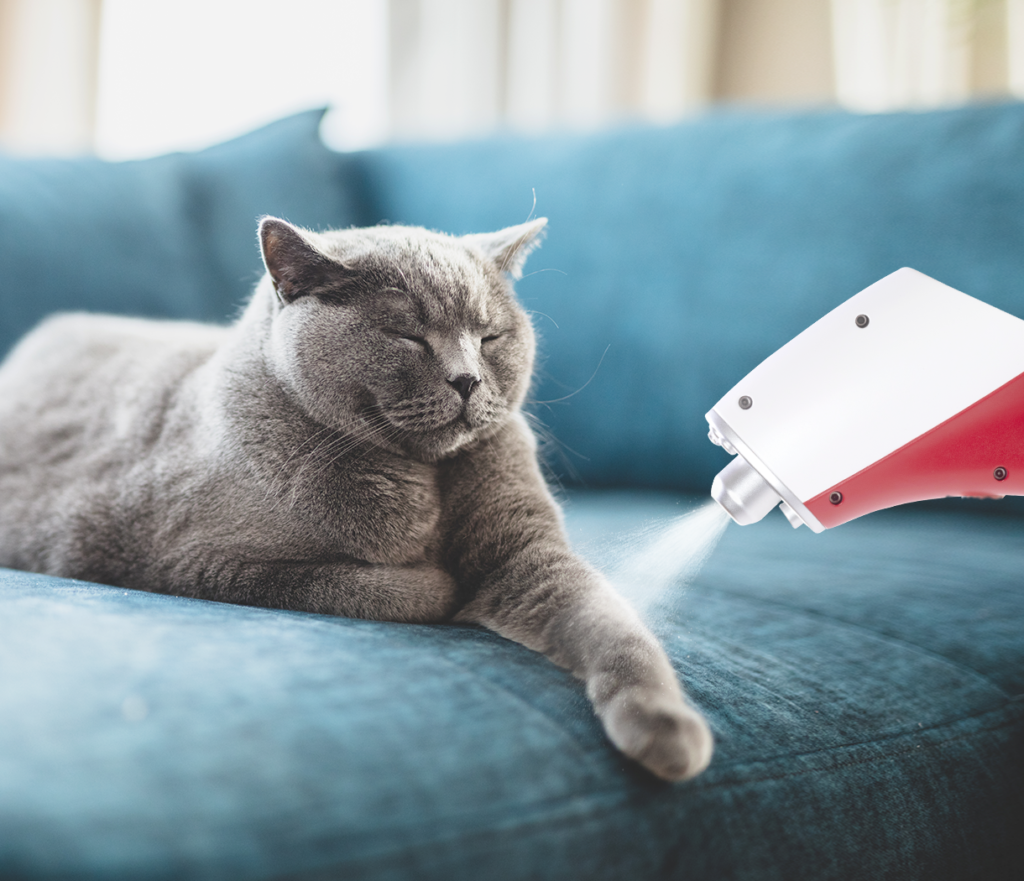
4. Safety and Comfort During CO₂ Cryotherapy
After understanding how CO₂ cryotherapy works, pet owners are naturally concerned about safety and comfort. This section highlights key factors that make the therapy suitable for dogs and cats.
- Non-Invasive Treatment: CO₂ cryotherapy targets lesions without the need for incisions, reducing trauma to healthy tissue.
- Pet Comfort: Most animals experience only mild tingling or a cold sensation, with minimal discomfort.
- Veterinarian Supervision: Professionals adjust laser intensity and duration based on lesion size, depth, and animal size to ensure safety.
- Minimal Side Effects: Temporary redness or mild irritation may occur in some cases but generally resolves within 24–48 hours.
- Rapid Recovery: Treated pets can often return to normal activity immediately or shortly after treatment, reducing stress and disruption to daily life.
These factors make CO₂ cryotherapy a comfortable and safe treatment, addressing the concerns of pet owners seeking fast and reliable relief.
5. Aftercare and Prevention
Effective aftercare is essential for maximizing the benefits of CO₂ cryotherapy and preventing recurrence.
- Keep the Area Clean: Ensure the treated site remains dry and free of debris to prevent secondary infections.
- Prevent Scratching or Licking: Use an Elizabethan collar or protective bandaging to avoid disrupting the healing process.
- Monitor Healing: Observe the treated area daily for abnormal changes, such as persistent swelling or discharge, and report any concerns to the veterinarian.
- Manage Allergies and Parasites: Ongoing flea control, dietary management, and allergen avoidance reduce the risk of future flare-ups.
By following these steps, pet owners can ensure that the benefits of CO₂ cryotherapy are long-lasting, supporting improved skin health and overall comfort.
6. How to Know if CO₂ Cryotherapy Is Right for Your Pet
Determining suitability involves a combination of lesion assessment, overall health evaluation, and professional guidance.
- Lesion Assessment: Localized hot spots, chronic dermatitis, or medication-resistant lesions are ideal candidates.
- Health Evaluation: Age, underlying health conditions, and response to prior treatments influence safety and efficacy.
- Veterinary Consultation: A veterinarian can create a personalized treatment plan, adjust laser parameters, and monitor outcomes, ensuring optimal results.
Careful assessment ensures that CO₂ cryotherapy is applied safely and effectively, maximizing therapeutic benefits while minimizing risks.
FAQ
Is CO₂ cryotherapy painful for pets?
Most pets feel only mild tingling or cold sensation during treatment. Pain is minimal and generally well-tolerated.
How quickly will my pet see relief?
Many pets experience noticeable reduction in redness, swelling, and itching after the first session or a few treatments.
Are multiple sessions usually required?
Depending on lesion severity, some pets may require 2–3 sessions for complete healing.
Can it completely replace medications?
Mild cases may require little or no medication, but severe lesions might still need topical or oral therapy.
Are there any side effects?
Side effects are rare. Occasional temporary redness or slight irritation may occur, usually resolving within 1–2 days.
Conclusione
CO₂ cryotherapy is a fast, safe, and non-invasive solution for treating pet skin problems. It alleviates pain, reduces itching, and promotes tissue repair, all while minimizing the risks associated with surgery or long-term medication use. When combined with veterinary guidance, proper aftercare, and preventive measures, CO₂ cryotherapy can significantly enhance the quality of life for dogs and cats suffering from hot spots, chronic dermatitis, or persistent medication-resistant lesions.
Riferimenti
American Veterinary Medical Association (AVMA). “Laser and Cryotherapy in Veterinary Dermatology.”
https://www.avma.org/resources-tools/literature-reviews/laser-therapy
PetMD. “CO₂ Laser Therapy for Dogs and Cats.”
https://www.petmd.com/dog/care/co2-laser-therapy
Griffin, C. “Non-Invasive Treatments for Hot Spots and Dermatitis in Dogs.” Vet Dermatology Journal, 2020.