
Introduzione
Hip pain is increasingly common among active adults, especially those who regularly engage in running, cycling, CrossFit, or high-intensity workouts. Overuse, muscle imbalances, and joint stress can lead to conditions such as hip bursitis, tendinitis, or early osteoarthritis, all of which interfere with mobility and performance. While traditional treatments like rest, physical therapy, and anti-inflammatory medications remain common, many individuals are now seeking faster, non-invasive solutions. CO₂ cryotherapy has emerged as an innovative approach that delivers targeted cold therapy to reduce inflammation, relieve pain, and accelerate recovery without downtime or medication dependence.
1. Understanding Hip Pain in Active Adults
Hip pain is not just a minor inconvenience; it can significantly limit physical activity and quality of life. For active individuals, identifying the root causes is essential for effective treatment and long-term prevention.
1.1 Common Causes of Hip Pain
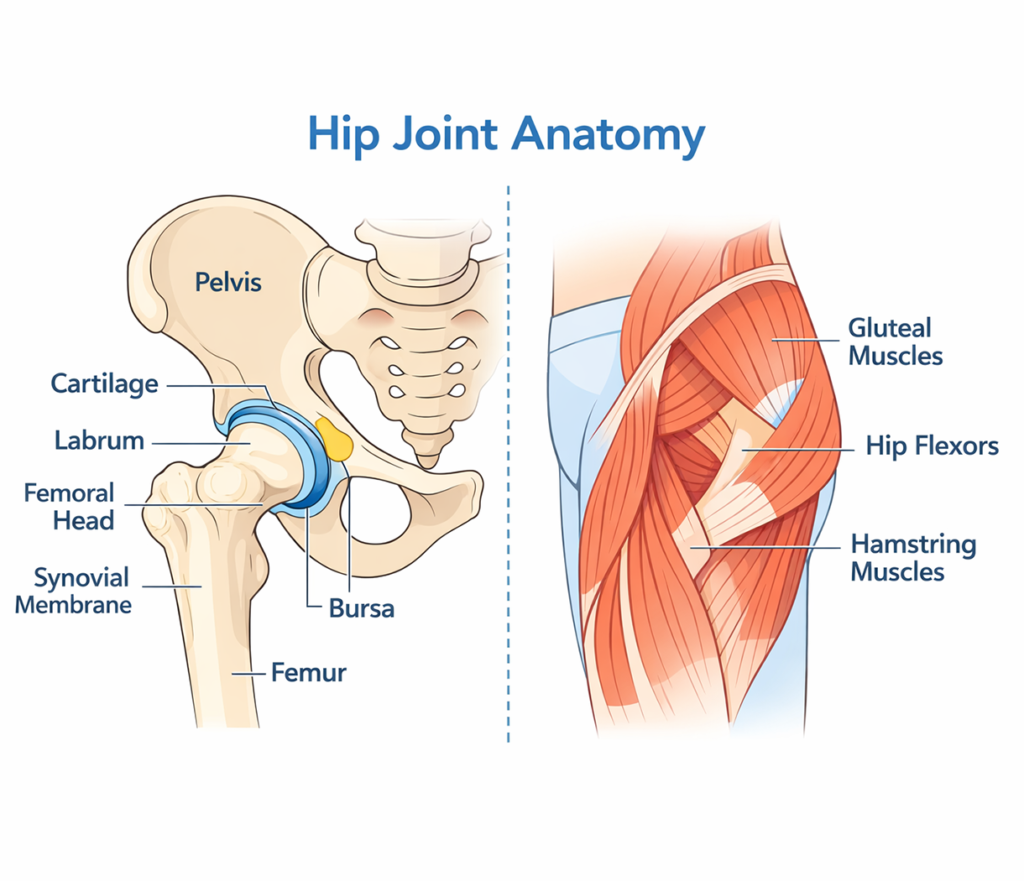
Active adults frequently experience hip pain due to repetitive stress and biomechanical strain. Conditions such as greater trochanteric bursitis, hip flexor tendinitis, and labral irritation are particularly common. High-impact activities like running can overload the hip joint, while cycling or prolonged sitting may tighten hip flexors and reduce mobility. Muscle imbalances between the glutes, hamstrings, and hip flexors can further exacerbate joint stress. Over time, these issues may lead to chronic inflammation and microtrauma in soft tissues, resulting in persistent discomfort and reduced performance. Early identification of these causes is critical to avoid long-term joint degeneration.
1.2 Symptoms and Functional Limitations
Hip pain often presents as a dull ache, sharp discomfort during movement, or stiffness after periods of inactivity. Many individuals report pain when climbing stairs, standing up, or performing lateral movements. Inflammation of surrounding tissues can limit the range of motion, making activities like squatting, lunging, or running difficult. In more advanced cases, compensatory movement patterns may develop, placing additional stress on the lower back and knees. Without proper management, these symptoms can gradually worsen, leading to decreased athletic performance and increased risk of secondary injuries.
2. What Is CO₂ Cryotherapy?
CO₂ cryotherapy is an advanced form of localized cold therapy that uses pressurized carbon dioxide to deliver controlled cooling to targeted tissues. It offers a more precise and efficient alternative to traditional ice therapy.
2.1 The Science Behind CO₂ Cryotherapy
CO₂ cryotherapy works by rapidly cooling the skin surface to approximately 2–4°C using high-pressure carbon dioxide gas. This sudden drop in temperature triggers vasoconstriction, followed by reactive vasodilation, which improves blood circulation in the treated area. At the cellular level, cold exposure reduces metabolic activity in inflamed tissues, decreases the release of pro-inflammatory mediators, and slows nerve conduction velocity, resulting in pain relief. Additionally, the therapy can stimulate the autonomic nervous system, promoting muscle relaxation and reducing spasms. These physiological responses make CO₂ cryotherapy highly effective for managing musculoskeletal pain.
2.2 How It Differs from Ice Therapy
Unlike traditional ice packs, which provide uneven and often superficial cooling, CO₂ cryotherapy delivers targeted, consistent, and deeper thermal effects. Ice therapy typically requires prolonged application and may cause discomfort or skin irritation, whereas CO₂ cryotherapy treatments are brief, usually lasting under 10 minutes, and are well tolerated. The precision of CO₂ application allows clinicians to focus on specific anatomical structures, such as the hip joint capsule or surrounding muscles. This targeted approach enhances treatment efficiency and reduces the risk of overcooling adjacent tissues.
3. Benefits of CO₂ Cryotherapy for Hip Pain
CO₂ cryotherapy offers multiple therapeutic benefits, making it an attractive option for active adults seeking rapid recovery and improved performance.
3.1 Rapid Pain Relief
One of the primary benefits of CO₂ cryotherapy is its ability to provide immediate pain relief. By reducing nerve conduction velocity and dampening nociceptive signals, the therapy quickly decreases pain perception in the affected hip area. Many patients report noticeable improvement after just one session. This rapid relief is especially valuable for individuals who want to return to regular activity quickly. Unlike oral medications, CO₂ cryotherapy targets the source of pain directly, minimizing systemic side effects while delivering effective results.
3.2 Reduction of Inflammation
Inflammation is a key contributor to hip pain, particularly in conditions such as bursitis and tendinitis. CO₂ cryotherapy helps reduce inflammation by limiting blood flow during the cooling phase and subsequently enhancing circulation during rewarming. This process facilitates the removal of inflammatory mediators and metabolic waste. Reduced inflammation not only alleviates pain but also promotes tissue healing and recovery. Regular sessions can significantly decrease swelling and improve overall joint health, making it a valuable tool for both acute and chronic conditions.
3.3 Improved Mobility and Performance
By relieving pain and reducing muscle tension, CO₂ cryotherapy helps restore normal movement patterns in the hip joint. Increased flexibility and range of motion allow individuals to perform daily activities and physical exercises more efficiently. Improved mobility also reduces the risk of compensatory injuries in other areas, such as the lower back or knees. For active adults, this translates into better performance, enhanced endurance, and a lower likelihood of recurring injuries.
4. Who Should Consider CO₂ Cryotherapy
CO₂ cryotherapy is suitable for a wide range of individuals experiencing hip pain, particularly those with active lifestyles or recurring musculoskeletal issues.
4.1 Runners and Cyclists
Runners and cyclists place repetitive stress on the hip joint, making them prone to overuse injuries. CO₂ cryotherapy can help manage inflammation and muscle fatigue, allowing consistent training without prolonged discomfort.
4.2 Fitness Enthusiasts and High-Intensity Training Participants
High-intensity workouts often involve explosive movements that strain the hips. CO₂ cryotherapy supports recovery by reducing muscle soreness and improving tissue repair, helping individuals maintain performance and reduce downtime.
4.3 Adults with Sedentary Lifestyles
Even individuals with less active routines may experience hip stiffness due to prolonged sitting. Targeted cold therapy can relieve tension in the hip flexors, improve circulation, and support better mobility and posture.
5. What to Expect During Treatment
Understanding the treatment process can help individuals feel more confident when trying CO₂ cryotherapy for hip pain.
5.1 Initial Assessment
Before treatment, a healthcare provider evaluates the hip condition, including pain location, range of motion, and relevant medical history. This ensures a personalized and effective treatment plan.
5.2 Treatment Experience
During the session, a controlled stream of CO₂ gas is applied directly to the affected area. A brief, intense cooling sensation is typically felt, but the process is well tolerated and does not involve pain. Sessions generally last between 5 and 10 minutes.
5.3 Post-Treatment Expectations and Care
Normal activities can be resumed immediately after treatment. Some individuals experience immediate relief, while others notice gradual improvement over multiple sessions. Treatment plans often include several sessions per week for optimal results.
FAQ
Q1: Is CO₂ cryotherapy safe for hip pain?
A1: Yes, when performed by trained professionals, CO₂ cryotherapy is safe, non-invasive, and well tolerated.
Q2: How many sessions are needed to see results?
A2: Most individuals notice improvement within 4–8 sessions, depending on severity.
Q3: Does CO₂ cryotherapy hurt?
A3: No, it produces a strong cooling sensation but is not painful.
Q4: Can it replace physical therapy?
A4: It works best as a complementary treatment alongside physical therapy.
Q5: Is it better than ice packs?
A5: Yes, it provides more precise and efficient cooling compared to traditional ice therapy.
Conclusione
CO₂ cryotherapy is a powerful, non-invasive solution for managing hip pain by reducing inflammation, relieving discomfort, and improving mobility. Whether the pain is caused by physical activity or daily habits, targeted cold therapy offers an efficient path to recovery. When integrated into a comprehensive care plan, CO₂ cryotherapy can support long-term joint health and help individuals maintain an active, pain-free lifestyle.
Riferimenti
National Institutes of Health. “Cryotherapy in Musculoskeletal Injury.”
https://www.ncbi.nlm.nih.gov/pmc/articles/PMC5221527
Mayo Clinic. “Hip Pain: Causes and Treatment.”
https://www.mayoclinic.org/symptoms/hip-pain/basics/causes/sym-20050684
Bleakley, C. et al. “The Use of Ice in the Treatment of Acute Soft-Tissue Injury.”
https://bjsm.bmj.com/content/38/3/251
Costello, J.T. et al. “Whole-Body Cryotherapy for Exercise Recovery.”
https://journals.humankinetics.com/view/journals/ijspp/7/2/article-p193.xml