
Introduzione
Diabetic foot discomfort is a complex clinical condition that often involves peripheral neuropathy, microvascular dysfunction, and altered pain perception. While it does not represent a single disease entity, it reflects a combination of neurological and circulatory impairments that can significantly affect mobility, sleep quality, and daily function. In modern rehabilitation and pain management environments, practitioners increasingly explore non-invasive modalities such as CO₂ cryotherapy as supportive tools for localized symptom relief. By delivering a controlled jet of extremely cold carbon dioxide gas to targeted tissue areas, this approach induces rapid thermal shock, vasomotor response, and neurosensory modulation. In parallel, clinicians often discuss other modalities such as laser therapy and photobiomodulation within integrative care frameworks for musculoskeletal and neuropathic discomfort. This article examines how CO₂ cryotherapy fits within the broader context of diabetic foot discomfort management, focusing on physiological mechanisms, clinical applications, and rehabilitation perspectives.
1. Understanding Diabetic Foot Discomfort in a Clinical Context
Before exploring CO₂ cryotherapy applications, it is important to understand the underlying mechanisms contributing to diabetic foot discomfort, particularly those related to nerve and vascular dysfunction.
1.1 Neuropathic Pain Mechanisms in Diabetic Foot Conditions
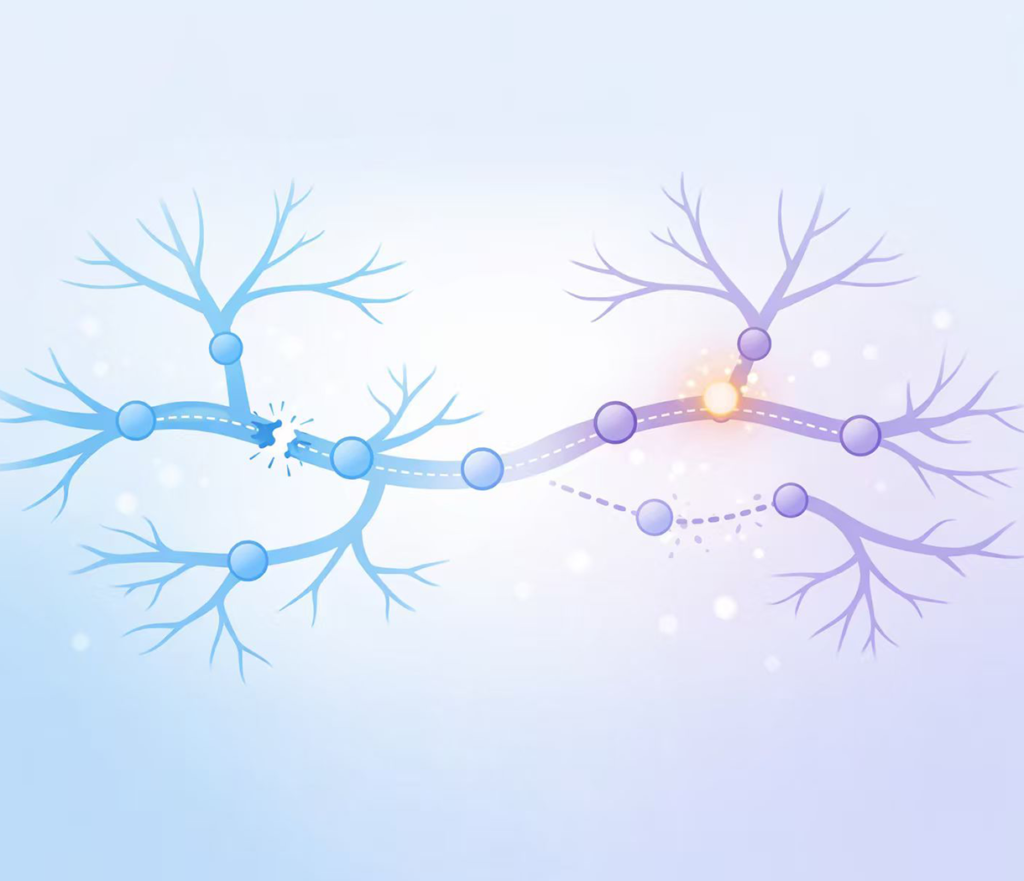
Diabetic peripheral neuropathy is one of the primary contributors to foot discomfort, characterized by impaired nerve conduction, altered sensory signaling, and abnormal pain processing. Patients may experience burning sensations, tingling, hypersensitivity, or numbness, often in a “glove and stocking” distribution pattern. From a neurophysiological perspective, damage to small unmyelinated C fibers and myelinated A-delta fibers disrupts normal nociceptive signaling pathways. This leads to paradoxical pain responses, where non-painful stimuli are perceived as painful (allodynia). In clinical rehabilitation settings, symptom management focuses on neurosensory modulation and improving functional tolerance rather than targeting a single pathological cause.
1.2 Microcirculatory and Vascular Impairment Factors
Alongside neuropathy, microvascular dysfunction plays a critical role in diabetic foot discomfort. Capillary basement membrane thickening, endothelial dysfunction, and reduced nitric oxide availability contribute to impaired tissue perfusion. This results in decreased oxygen delivery and reduced metabolic waste clearance in distal extremities. Clinically, these vascular changes may manifest as cold sensitivity, fatigue, or dull aching sensations in the feet. Reduced circulation also slows tissue recovery and increases susceptibility to chronic discomfort. Rehabilitation strategies often focus on supporting local microcirculation and optimizing tissue oxygenation conditions to improve symptom tolerance.
2. CO₂ Cryotherapy in Modern Pain and Rehabilitation Science
With the increasing demand for non-pharmacological pain management approaches, CO₂ cryotherapy has gained attention as a localized intervention method used in musculoskeletal and neuropathic symptom care.
2.1 Mechanism of Action in Rapid Cooling Therapy
CO₂ cryotherapy delivers compressed carbon dioxide gas at approximately -78°C directly onto the skin surface for short durations. This rapid cooling induces a thermal shock response that triggers vasoconstriction followed by reactive vasodilation. Researchers believe this cyclical vascular response influences local blood flow dynamics and sensory nerve activity. At the neural level, cold exposure temporarily reduces nerve conduction velocity, which may contribute to decreased pain signal transmission. In rehabilitation environments, clinicians often utilize this mechanism for short-term symptom modulation rather than structural disease modification.
2.2 Neurophysiological Effects on Pain Perception
From a neurophysiological perspective, cryotherapy influences both peripheral and central pain processing pathways. Cold stimulation activates thermoreceptors, particularly TRPM8 channels, which can modulate nociceptive input through gate control mechanisms at the spinal cord level. This may reduce the perception of neuropathic discomfort in localized regions. Additionally, decreased metabolic activity in peripheral nerve endings may temporarily reduce ectopic nerve firing, which is often associated with neuropathic pain conditions. These effects are typically transient but can contribute to improved functional comfort in daily activities.
2.3 Integration with Other Physical Modalities
In clinical rehabilitation settings, clinicians often combine CO₂ cryotherapy with other modalities such as laser therapy, ultrasound therapy, and manual therapy techniques. Regarding laser therapy, particularly low-level laser therapy (LLLT), researchers frequently discuss its photobiomodulation effects on mitochondrial function and inflammatory modulation. While cryotherapy primarily targets neurovascular responses through thermal mechanisms, laser-based interventions act at the cellular level to influence ATP production and inflammatory signaling pathways. The combined use of these modalities reflects a multimodal approach to managing complex conditions such as diabetic foot discomfort.
3. CO₂ Cryotherapy and Diabetic Foot Discomfort Management
Within the context of diabetic foot-related symptoms, CO₂ cryotherapy is primarily positioned as a supportive intervention aimed at improving comfort and functional tolerance.
3.1 Sensory Modulation in Neuropathic Discomfort
Neuropathic symptoms in diabetic foot conditions often include hypersensitivity, burning sensations, and intermittent sharp pain episodes. CO₂ cryotherapy may assist in temporarily modulating sensory nerve excitability through rapid cooling effects. By reducing peripheral nerve conduction velocity, it can influence the transmission of abnormal pain signals. Clinically, this may contribute to improved tolerance of weight-bearing activities and reduced discomfort during daily movement. However, its role is typically considered adjunctive within a broader symptom management framework rather than a standalone intervention.
3.2 Circulatory Response and Microvascular Influence
The alternating vasoconstriction and vasodilation response induced by cryotherapy may influence local microcirculatory dynamics. Although it does not directly reverse vascular pathology, it may support transient improvements in blood flow distribution. This is particularly relevant in distal extremities where circulation is already compromised. Enhanced perfusion dynamics may contribute to improved tissue oxygenation conditions and reduced sensation of coldness or heaviness in the feet. In rehabilitation contexts, these effects are considered supportive in managing functional discomfort.
3.3 Functional Mobility and Daily Activity Support
Diabetic foot discomfort can significantly affect gait patterns, balance, and overall mobility. Patients may unconsciously alter weight distribution to avoid discomfort, leading to secondary musculoskeletal strain in the ankles, knees, and lower back. By reducing localized discomfort, CO₂ cryotherapy may indirectly support more balanced weight-bearing mechanics. This can contribute to improved walking efficiency and reduced compensatory movement patterns. In clinical practice, maintaining mobility is a key objective in long-term management strategies.
4. Clinical and Rehabilitation Integration of CO₂ Cryotherapy
As non-invasive technologies continue to evolve, CO₂ cryotherapy is increasingly incorporated into multidisciplinary rehabilitation environments.
4.1 Use in Physical Therapy and Rehabilitation Clinics
In physical therapy environments, CO₂ cryotherapy is often applied as part of a broader symptom management protocol. It is typically used prior to or following therapeutic exercise sessions to improve patient comfort and tolerance. Clinicians may target specific areas of discomfort in the lower extremities, particularly in cases involving neuropathic symptoms. The short application time and localized effect make it suitable for integration into busy clinical workflows without significantly disrupting rehabilitation schedules.
4.2 Combination with Laser Therapy and Photobiomodulation
Laser therapy is frequently discussed alongside cryotherapy in modern rehabilitation science due to its complementary mechanisms. Photobiomodulation therapy involves the use of specific wavelengths of light to influence mitochondrial activity, ATP synthesis, and inflammatory mediators. When combined with CO₂ cryotherapy, these modalities represent a dual approach: one targeting neurovascular responses through thermal modulation, and the other targeting cellular energy metabolism. This integrative approach is often explored in chronic pain and neuropathic symptom management frameworks.
4.3 Role in Long-Term Symptom Management Strategies
In long-term care contexts, CO₂ cryotherapy is typically positioned as part of a maintenance-oriented approach rather than an acute treatment solution. Its role is centered on symptom modulation, functional support, and improving quality of life. When integrated into consistent rehabilitation routines, it may contribute to better management of episodic discomfort and improved participation in physical activity programs. This is particularly relevant for individuals managing chronic metabolic and neurological conditions.
FAQ
What is CO₂ cryotherapy used for in diabetic foot discomfort?
It is used as a supportive modality to help manage localized neuropathic discomfort and improve functional tolerance.
Does CO₂ cryotherapy treat diabetic neuropathy?
No, it does not treat the underlying condition but may help modulate symptoms temporarily.
How does cold therapy affect nerve pain?
It slows nerve conduction velocity and influences sensory signaling pathways, reducing pain perception.
Can it improve circulation in the feet?
It may create temporary vascular responses, but it does not reverse vascular disease.
Is it commonly used in rehabilitation settings?
Yes, it is increasingly integrated into multimodal pain management and physical therapy programs.
Conclusione
CO₂ cryotherapy represents a non-invasive modality that is increasingly incorporated into modern rehabilitation frameworks for managing localized discomfort associated with diabetic foot conditions. While it does not address the underlying metabolic or vascular pathology, its neurophysiological and microcirculatory effects may contribute to temporary symptom relief and improved functional tolerance. When combined with other modalities such as laser therapy and photobiomodulation, it forms part of a broader multimodal approach to symptom management. In clinical practice, its value lies in supporting patient comfort, enhancing mobility, and contributing to overall quality of life within long-term care strategies.
Riferimenti
International Diabetes Federation. Diabetic Foot Complications
https://idf.org/our-activities/care-prevention/diabetic-foot.html
American Diabetes Association. Standards of Medical Care in Diabetes
https://diabetesjournals.org/care/issue
Armstrong, D.G., Boulton, A.J.M., Bus, S.A. Diabetic Foot Ulcers and Their Recurrence
https://www.nejm.org/doi/full/10.1056/NEJMra1615439
Bjordal, J.M. et al. Low-Level Laser Therapy and Pain Mechanisms
https://www.ncbi.nlm.nih.gov/pmc/articles/PMC4743666
Bleakley, C.M. et al. Cryotherapy in Sports Injury Management
https://www.ncbi.nlm.nih.gov/pmc/articles/PMC3781860
Hinchliffe, R.J. et al. Diabetic Foot Disease Pathophysiology and Management
https://www.thelancet.com/journals/lancet/article/PIIS0140-6736(16)32684-7/fulltext