Introduzione
Search and rescue dogs are highly trained working animals that assist in wilderness searches, disaster response, and emergency operations. These dogs rely on strong endurance, coordination, and focus while working across challenging environments such as forests, mountains, damaged buildings, and other difficult terrains. Because search missions often involve long periods of walking, climbing, running, and navigating uneven surfaces, maintaining a proper recovery routine is an important part of working dog care. CO₂ Cryotherapy, also known as localized cryotherapy, provides a targeted cold therapy approach that allows handlers to focus on specific areas of the body after demanding activities. By using rapid carbon dioxide cooling technology, CO₂ Cryotherapy can become part of a broader wellness routine designed to support muscle comfort, mobility, and recovery after field missions.
1. Understanding the Physical Demands of Search and Rescue Dogs
Search and rescue dogs perform tasks that require both mental concentration and physical ability. Unlike ordinary companion dogs, these dogs regularly participate in structured training and real-world missions where they need to adapt to different environments. Their daily activities place unique demands on their muscles, joints, and movement patterns.
1.1 Why Search and Rescue Dogs Require Specialized Recovery Support
Search and rescue dogs may work in forests, disaster areas, and urban environments where they need to move through unpredictable conditions. A wilderness search dog may spend hours covering large outdoor areas, while an urban search dog may climb over obstacles and navigate unstable surfaces during rescue operations.
These activities require continuous use of the shoulders, legs, hips, and back muscles. Repeated movement, climbing, and changes in direction can create physical stress, especially after long training sessions or extended missions.
For handlers, recovery is not only about resting after work but also about creating consistent care routines. CO₂ Cryotherapy offers a localized approach that allows attention to specific body areas that experience frequent activity. Instead of applying general cooling methods, handlers can focus on areas that need additional support after missions.
1.2 Common Physical Areas That Need Attention After Missions
The body areas most involved in search activities are often the areas handlers monitor after a mission. The legs help dogs travel long distances, the shoulders support climbing and movement, and the back helps maintain balance during challenging tasks.
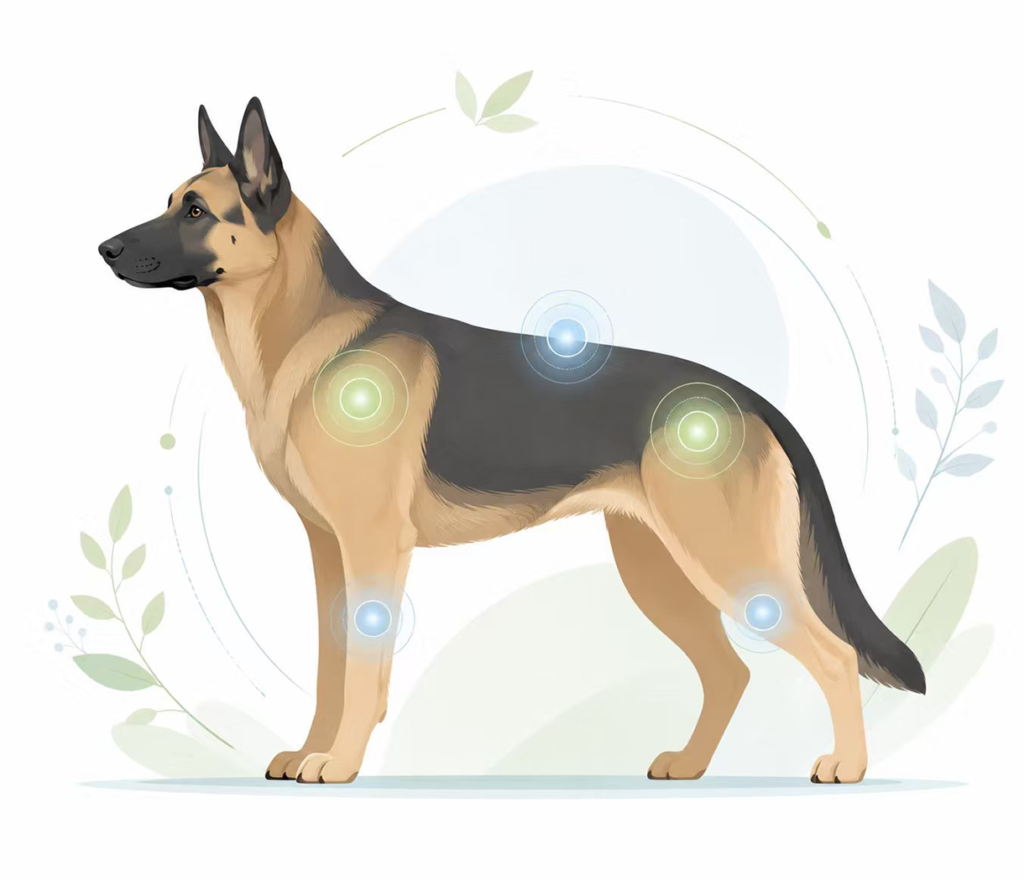
After field activities, CO₂ Cryotherapy may be used around areas such as the shoulder muscles, leg muscles, hip region, and lower back. The targeted cooling process allows handlers to incorporate localized cold therapy into a normal recovery routine.
For search and rescue dogs, every mission can involve different physical demands. A mountain search may require more climbing and endurance, while a disaster search may involve more obstacle movement. A targeted approach allows recovery routines to better match each activity.
2. CO₂ Cryotherapy for Search Dogs After Wilderness Missions
Wilderness search missions require dogs to work across natural environments that can include forests, trails, mountains, and open fields. These conditions often require constant movement and excellent physical control.
2.1 Supporting Muscle Recovery After Outdoor Search Activities
During wilderness missions, search dogs may travel long distances while maintaining a steady pace. They need to move over uneven ground, adjust their body position frequently, and stay alert throughout the search process.
After these activities, handlers may focus on areas that experience repeated movement, including the thighs, shoulders, hips, and back muscles. CO₂ Cryotherapy provides rapid cooling to targeted areas and can be incorporated into post-mission care routines.
Many working dog programs combine recovery methods such as proper rest, hydration, nutrition, physical observation, and supportive technologies. CO₂ Cryotherapy works as an additional option that helps handlers focus on specific areas after physically demanding activities.
2.2 How Localized CO₂ Cryotherapy Fits Into Field Dog Care
Search and rescue teams understand that maintaining a dog’s working ability requires consistent attention. Recovery routines often begin immediately after a mission by checking the dog’s overall condition and observing movement patterns.
Localized CO₂ Cryotherapy fits naturally into this process because it allows handlers to address specific areas rather than using a one-size-fits-all approach. For example, after a long outdoor search, a handler may focus on the leg muscles that performed continuous movement or the shoulder area involved in climbing.
This targeted method makes CO₂ Cryotherapy a practical addition to working dog wellness routines, especially for dogs that regularly participate in physically demanding activities.
3. Supporting Leg, Paw, and Joint Comfort in Search Dogs
The ability to move efficiently is essential for every search and rescue dog. Strong legs, healthy paws, and good coordination allow these dogs to complete missions successfully.
3.1 CO₂ Cryotherapy for Leg Muscle Recovery After Long Searches
Leg muscles are among the most active areas during search missions. Dogs may walk for extended periods, climb slopes, jump over obstacles, and quickly change direction when following scent trails.
After these activities, handlers may include CO₂ Cryotherapy as part of a recovery routine focused on leg areas. The cooling process can be applied around commonly used muscle groups to support comfort after intense movement.
For example, after a mountain search, the rear legs may receive more attention because they provide power during climbing and movement. After urban rescue training, the shoulder and front leg areas may become a priority because of repeated obstacle navigation.
By matching CO₂ Cryotherapy use with the type of activity performed, handlers can create a more personalized recovery approach.
3.2 Supporting Paw and Lower Body Care in Challenging Environments
Paws are another important consideration for search and rescue dogs. These dogs often work on surfaces that are very different from everyday walking environments, including rocks, concrete, dirt, snow, and debris.
Although paw care usually involves inspection and general maintenance, handlers also pay attention to surrounding muscle areas that support movement. CO₂ Cryotherapy can be used as part of a broader lower-body wellness routine.
A complete search dog care plan includes many elements, including proper training, environmental preparation, rest periods, and professional health support. Localized cold therapy can complement these practices by providing another option for targeted recovery support.
4. CO₂ Cryotherapy in Urban Search and Rescue Dog Programs
Urban search and rescue dogs often work in environments that require careful movement, balance, and adaptability. Unlike open outdoor searches, urban missions may involve navigating damaged structures, concrete surfaces, narrow spaces, and unstable areas. These environments create different physical demands for working dogs and require recovery routines that match their unique activities.
4.1 Supporting Recovery After Disaster Response Training
Training is an essential part of preparing search and rescue dogs for emergency situations. During training sessions, dogs practice scent detection, obstacle navigation, climbing, and movement through complex environments. These activities help improve their skills but also require repeated physical effort.
After intensive training, handlers may focus on areas that experience frequent movement, including shoulders, legs, hips, and back muscles. CO₂ Cryotherapy provides targeted cooling that can be applied to selected areas as part of a post-training recovery routine.
For example, a dog that practices climbing and obstacle movement may receive attention around the shoulder and leg areas, while a dog completing longer searches may need more focus on muscle groups involved in endurance activities. This targeted approach allows handlers to create recovery routines based on the specific demands of each training session.
4.2 The Role of Targeted Cold Therapy in Working Dog Care
Professional search and rescue programs focus on maintaining the long-term health and performance of their dogs. A consistent care routine helps handlers monitor changes in movement, energy levels, and overall comfort.
CO₂ Cryotherapy can support these routines by providing localized cold therapy for specific body areas after demanding activities. The technology uses compressed carbon dioxide to create a rapid cooling effect on the skin surface, allowing users to focus on selected areas instead of applying cooling to the entire body.
For working dogs, recovery is a continuous process that combines training management, proper rest, nutrition, veterinary guidance, and supportive recovery methods. CO₂ Cryotherapy is one additional option that can fit into a comprehensive canine wellness plan.
5. Creating a Recovery Routine for Search and Rescue Dogs
Search and rescue dogs dedicate significant effort to helping locate missing individuals and supporting emergency response teams. Because their work requires physical strength and mental focus, maintaining a balanced recovery routine is an important part of responsible working dog care.
5.1 Combining CO₂ Cryotherapy With Daily Canine Wellness
A successful recovery routine depends on multiple factors, including appropriate exercise schedules, rest, nutrition, and regular health monitoring. CO₂ Cryotherapy can be incorporated into this routine when handlers want to provide targeted cooling support after training or missions.
The flexibility of localized cryotherapy allows attention to different areas depending on the dog’s daily activities. A dog returning from a long wilderness search may need focus on the legs and hips, while a dog completing urban rescue training may require attention around the shoulders and back.
By considering the dog’s workload and physical condition, handlers can develop recovery routines that support daily comfort and mobility.
5.2 Choosing CO₂ Cryotherapy for Different Search Dog Activities
Every search and rescue dog has different responsibilities. Some dogs specialize in wilderness tracking, while others work in disaster response or urban search environments. Their recovery needs may change depending on training intensity, mission type, age, and activity level.
CO₂ Cryotherapy provides a targeted approach that can be adjusted to different situations. Localized cooling can be directed toward areas that experience repeated physical demands, making it suitable for various working dog routines.
When combined with professional animal care and proper training practices, CO₂ Cryotherapy can become part of a structured approach to supporting search and rescue dogs throughout their working lives.
FAQ
What is CO₂ Cryotherapy for search and rescue dogs?
CO₂ Cryotherapy is a localized cold therapy method that uses carbon dioxide cooling technology to target specific areas of the body. It can be included as part of a recovery routine for active working dogs.
Where can CO₂ Cryotherapy be used on search and rescue dogs?
Common areas include muscle groups around the shoulders, legs, hips, and back. The application area depends on the dog’s activity and recovery needs.
How long does a CO₂ Cryotherapy session usually take?
The session length depends on the targeted area and the device settings. Many localized applications are designed to be completed within a short period.
Can CO₂ Cryotherapy replace veterinary care?
No. CO₂ Cryotherapy is a supportive recovery option and should be used alongside professional veterinary guidance when needed.
Is CO₂ Cryotherapy only for search and rescue dogs?
No. Localized cryotherapy may also be used as part of wellness routines for other active dogs, working animals, and sports animals.
Conclusione
Search and rescue dogs perform physically demanding work that requires strength, endurance, and consistent care. From wilderness missions to urban rescue training, these dogs experience different levels of physical stress throughout their working activities. CO₂ Cryotherapy offers a targeted cold therapy approach that can be included in a broader recovery routine to support muscle comfort, mobility, and overall wellness. By combining proper training, professional care, rest, and supportive recovery methods, handlers can better maintain the health and readiness of these important working dogs.
Riferimenti
“Search and Rescue Dogs: Training, Roles, and Care Considerations”
https://vcahospitals.com/know-your-pet/search-and-rescue-dogs
“Canine Rehabilitation and Physical Therapy: Supporting Mobility and Recovery”
https://www.canineprofessionals.com/canine-rehabilitation
“Cryotherapy in Veterinary Rehabilitation: Applications and Considerations”
https://www.ncbi.nlm.nih.gov/pmc/articles/PMC7356201
“Localized Cryotherapy: Targeted Cold Therapy for Recovery and Wellness”
https://www.localcryotherapy.com/
“Working Dogs: Health Management and Performance Support”