Introduzione
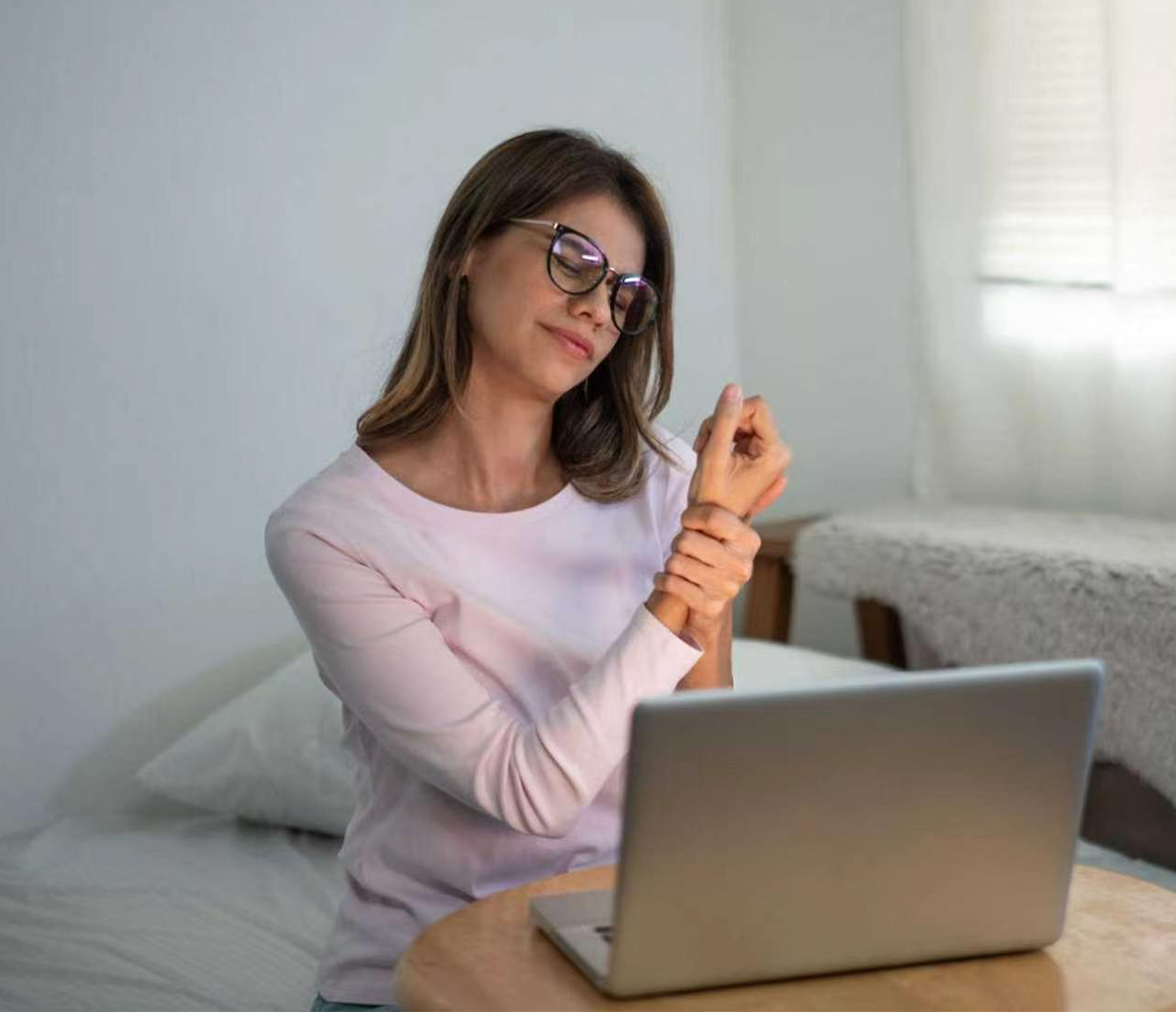
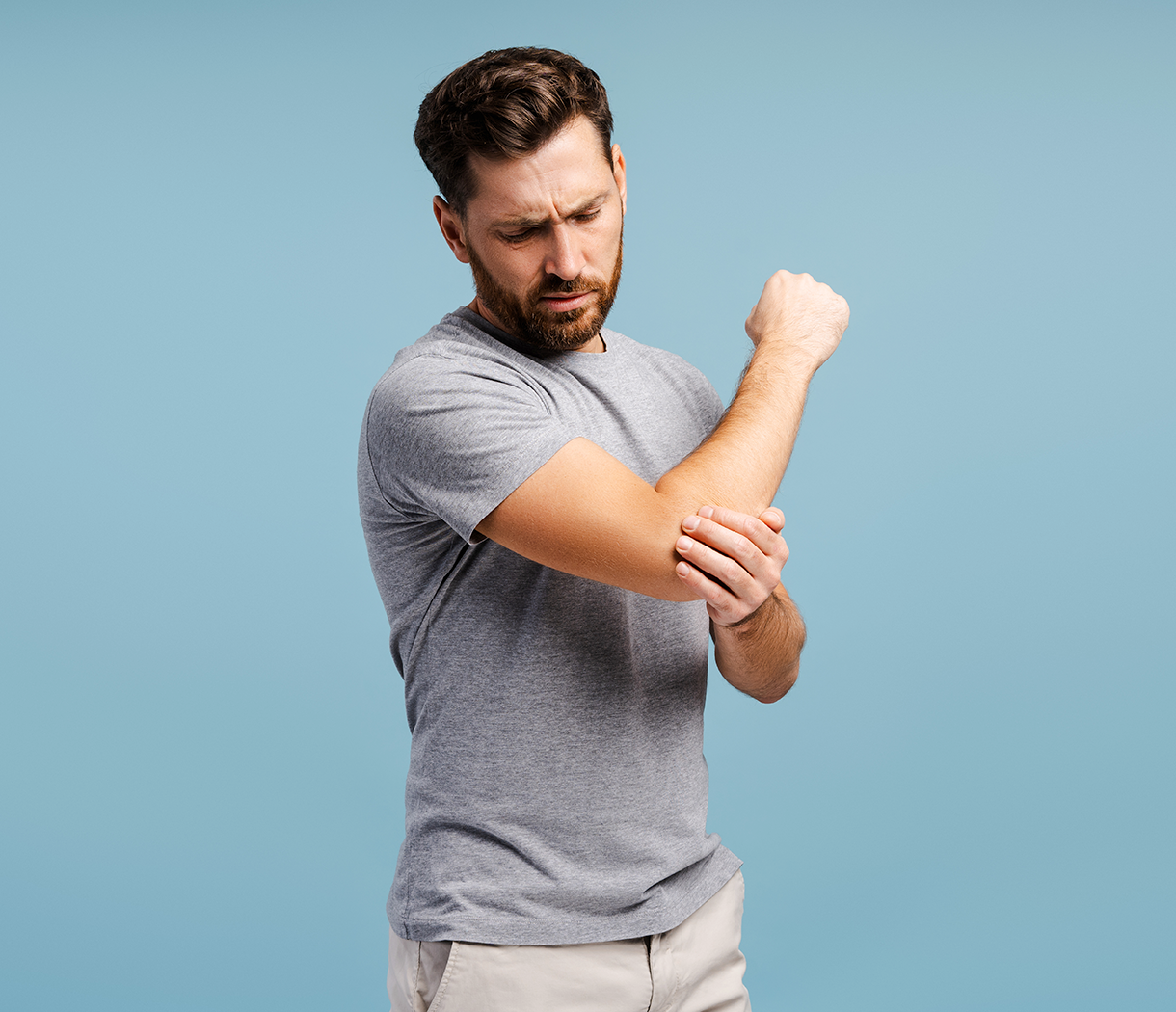
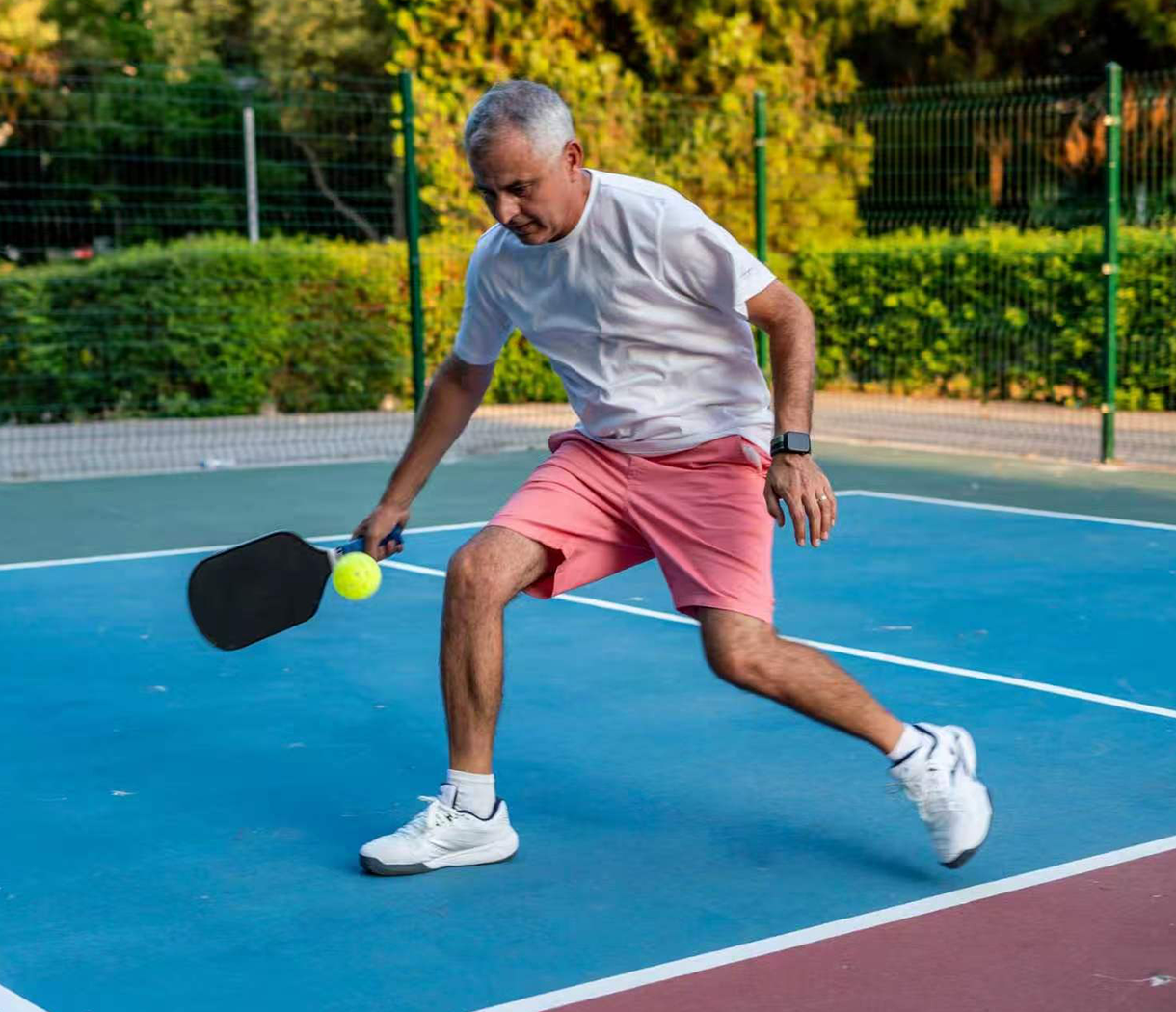
Pickleball combines quick footwork, repeated paddle swings, sudden stops, and rapid changes in direction. Although the sport offers an enjoyable way to stay active, extended matches and back-to-back playing sessions can leave players experiencing shoulder discomfort, calf soreness, and general muscle fatigue. CO₂ cryotherapy, a localized cooling method that uses pressurized carbon dioxide gas, may offer an additional option for managing localized discomfort as part of a broader recovery routine. LocalCryotherapy features a CO₂ cryotherapy system designed for targeted application, with red laser guidance and temperature-monitoring features. By understanding the physical demands of pickleball, the potential role of localized cooling, and essential safety considerations, players can make more informed decisions about post-match recovery without overlooking the importance of rest, conditioning, and appropriate medical care.
1. Understanding the Physical Demands of Pickleball
1.1 Why Repeated Paddle Swings Can Affect the Shoulder
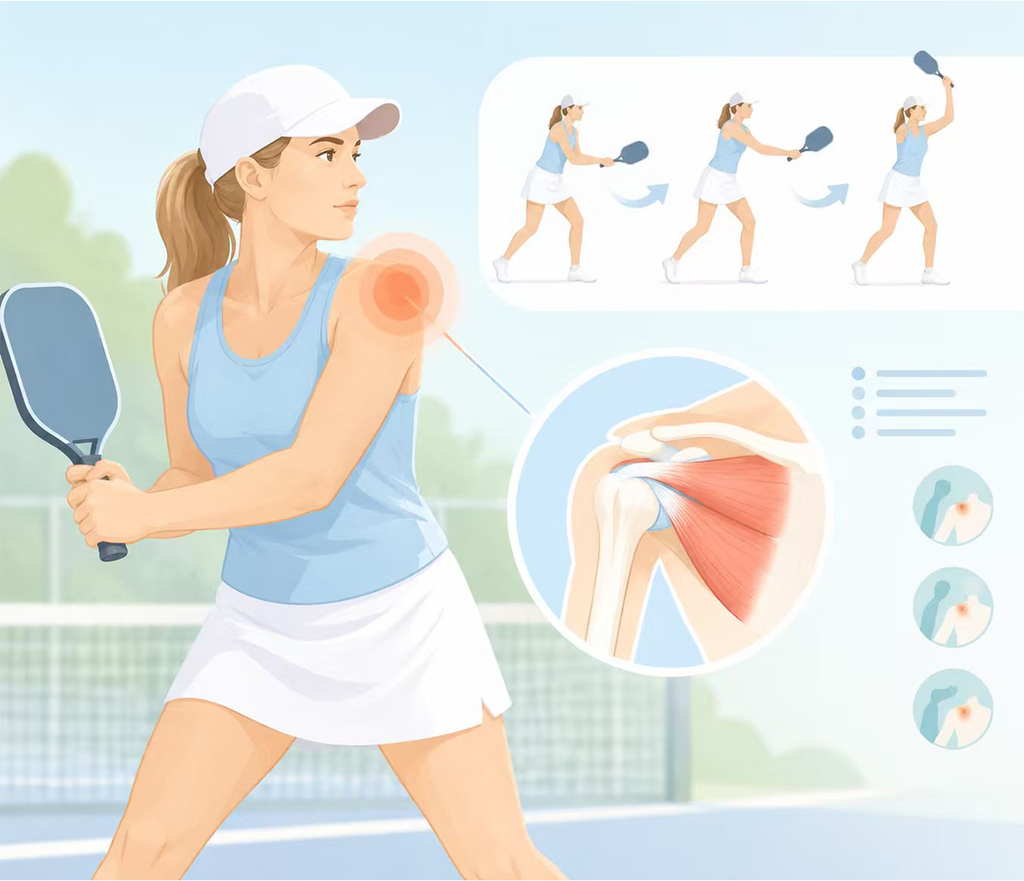
Pickleball involves frequent forehand and backhand strokes, overhead shots, and quick reactions at the net. These movements repeatedly engage the shoulder muscles, rotator cuff, and surrounding connective tissues. When players compete for extended periods or use inefficient swing mechanics, accumulated loading may contribute to shoulder soreness and reduced comfort during overhead movements.
Not every sore shoulder reflects the same problem. Temporary muscle fatigue differs from tendon irritation, a rotator cuff injury, or joint pathology. Players should pay attention to when symptoms begin, how severe they become, and whether they persist after rest. Localized cooling may help manage some minor discomfort, but it cannot diagnose an injury or repair damaged tissue on its own.
1.2 How Quick Footwork Challenges the Calves and Lower Legs
Pickleball requires repeated acceleration, deceleration, lateral shuffling, and short bursts of movement. The calf muscles and Achilles tendon help control these actions, particularly when players push off to reach a ball or stop abruptly near the kitchen line. As match duration and movement intensity increase, the lower legs may begin to feel tight, tired, or sore.
These symptoms can follow ordinary exertion, but sudden pain, significant swelling, weakness, or difficulty bearing weight may indicate a more serious injury. Players should not rely on cooling alone when symptoms suggest a muscle tear, tendon injury, or another acute condition.
1.3 Why Recovery Matters During Consecutive Playing Days
Players who participate in tournaments, league matches, or several recreational sessions each week may have limited time between bouts of activity. Repeatedly loading fatigued muscles can make it harder to maintain comfortable movement and consistent technique.
A useful recovery routine should address training load, sleep, hydration, nutrition, and adequate rest. Localized CO₂ cryotherapy may be explored as one supportive option, but it should not replace recovery time or encourage players to continue playing through pain.
2. How CO₂ Cryotherapy Works for Localized Cooling
2.1 Understanding the Principles of CO₂ Cryotherapy
Localized CO₂ cryotherapy uses pressurized carbon dioxide gas to cool a selected body area rapidly. LocalCryotherapy describes its technology as delivering CO₂ at approximately −78°C, with features intended to support targeted application and temperature monitoring.
The purpose of localized cooling is to lower tissue temperature and potentially provide short-term relief from pain or discomfort. Cold exposure can influence sensory nerve activity and pain perception, although the response depends on the condition, cooling method, and individual. The temperature of the gas does not mean that the tissue itself reaches −78°C. Operators must follow the device’s prescribed application and safety procedures.
2.2 What Makes Localized CO₂ Cooling Different From an Ice Pack?
Ice packs, cold-water immersion, whole-body cryotherapy, and pressurized CO₂ cooling are different approaches to cold exposure. They vary in how cooling is delivered, the area treated, and the degree of temperature change.
A localized CO₂ system focuses cooling on a selected area rather than exposing the entire body to cold. This may be relevant when a player wants to address discomfort in a particular shoulder or calf. However, different cooling methods should not be assumed to produce identical physiological effects or clinical outcomes. Research on one method cannot automatically establish the effectiveness of another.
2.3 What Current Evidence Says About Cryotherapy and Recovery
Cryotherapy is commonly used in sports medicine to help manage pain associated with certain soft-tissue injuries. However, a 2024 critical review found that human evidence did not establish that cryotherapy limits secondary tissue injury or improves tissue regeneration beyond its analgesic effects.
This distinction matters for pickleball players. Temporary symptom relief may make an area feel more comfortable, but it does not necessarily mean that a muscle, tendon, or ligament has healed faster. Evidence specifically evaluating pressurized CO₂ cryotherapy in pickleball players remains limited. Claims about improved performance, faster tissue repair, or injury prevention should therefore be approached cautiously.
3. Potential Applications for Pickleball-Related Discomfort
3.1 Shoulder Discomfort After Repeated Paddle Swings
Players may notice shoulder soreness after long rallies, frequent overhead shots, or several matches in one day. When symptoms are mild and consistent with ordinary post-exercise discomfort, localized cooling may be considered as part of a broader comfort-management routine.
A CO₂ cryotherapy device can direct cooling toward a selected region, but application should follow the manufacturer’s instructions and any guidance provided by a qualified professional. Persistent pain, substantial weakness, limited range of motion, or pain following a fall requires appropriate assessment. Cooling should not be used to mask symptoms so that a player can immediately resume intense play.
3.2 Calf Soreness After Rapid Changes of Direction
Calf soreness may develop after repeated push-offs, lateral movements, and sudden stops. For players without signs of a significant injury, localized cooling may be considered for temporary comfort. The goal is to support symptom management while allowing the body adequate time to recover, not to eliminate all soreness before the next match.
Sudden sharp calf pain, a popping sensation, marked swelling, bruising, or difficulty walking should prompt medical evaluation. Unexplained one-sided calf swelling, warmth, or redness also warrants prompt assessment, particularly if accompanied by shortness of breath or chest pain, which requires emergency care.
3.3 Managing Localized Discomfort Without Overlooking the Cause
Not all post-match discomfort has the same cause. Players may experience muscle fatigue, tendon irritation, joint pain, or an acute injury, and each situation may require a different response. Repeatedly cooling an area without investigating persistent symptoms may delay appropriate treatment.
Players should consider when discomfort started, whether it followed a specific movement or fall, how much it affects normal function, and whether it improves with rest. If symptoms recur after every session, persist, or interfere with everyday activities, a sports medicine professional or physical therapist can help identify contributing factors and develop an appropriate plan.
4. Integrating a LocalCryotherapy Device Into a Pickleball Recovery Routine
4.1 Understanding the Device’s Targeting and Monitoring Features
LocalCryotherapy describes its CO₂ cryotherapy equipment as a targeted cooling system that uses red laser guidance to help identify the application area and temperature monitoring to support treatment management. These features may be useful when a practitioner needs to focus on a selected area, such as part of the shoulder or calf.
However, product features do not independently establish clinical effectiveness. Users and practitioners should distinguish between a device’s technical capabilities and evidence of its health benefits. Application technique, exposure time, distance, and safety precautions should follow the current device instructions and applicable professional guidance rather than assumptions based on the gas temperature.
4.2 Choosing the Appropriate Area for Assessment
The area of discomfort should be identified before any localized cooling procedure. A player may report shoulder soreness after repeated strokes, while another may notice calf discomfort after lateral movements. These descriptions help guide assessment but do not establish a diagnosis.
A qualified practitioner can help determine whether localized cooling is appropriate and whether symptoms need further evaluation. Users should not apply CO₂ indiscriminately over large areas or repeatedly treat a painful region simply because discomfort returns. Application to the eyes, face, sensitive areas, or any site restricted by the manufacturer should be avoided. The equipment must be used as directed, with all prescribed protective measures.
4.3 Timing Cooling Alongside Other Recovery Measures
There is no single cooling schedule that suits every pickleball player or every type of discomfort. Application should follow the device-specific protocol and professional advice rather than an improvised routine based solely on soreness.
Other recovery measures remain important. Players can reduce excessive training load, allow sufficient rest between demanding sessions, maintain hydration, and return to movement gradually. Gentle mobility work may be appropriate when it does not aggravate symptoms, while strengthening exercises can help address underlying capacity and movement-control issues over time. If pain changes a player’s walking pattern, swing mechanics, or ability to bear weight, returning to play should wait until the problem has been appropriately assessed.
4.4 Tracking Comfort and Readiness to Return to Play
A recovery routine is more useful when players assess function as well as pain. They can observe whether shoulder movement feels more comfortable, whether walking and push-off remain normal, and whether symptoms interfere with sleep or everyday tasks. These observations help assess the overall recovery plan, although they cannot prove that a particular device caused the improvement.
Players should not treat temporary pain reduction as clearance to play. Cold exposure can change pain perception without resolving the underlying problem. A gradual return to pickleball should take into account strength, mobility, balance, sport-specific movement, and recommendations from a healthcare professional when appropriate.
5. Safety Considerations and Realistic Expectations
5.1 Who Should Seek Professional Advice Before CO₂ Cryotherapy?
Cold exposure is not appropriate for everyone. People with impaired sensation, significant circulation problems, cold hypersensitivity, or conditions affecting the skin and peripheral nerves should seek professional guidance before considering localized cryotherapy. Anyone with an unexplained or potentially serious injury should receive an appropriate assessment first.
Pressurized CO₂ at very low temperatures can cause cold injury if applied incorrectly. Users must follow the equipment’s instructions, avoid improvised application, and never extend exposure in an attempt to obtain a stronger effect. Operators should understand the device’s safety controls and know when to stop a session.
5.2 Understanding What CO₂ Cryotherapy Can and Cannot Do
Localized CO₂ cryotherapy may provide short-term comfort for some types of localized pain, but current evidence does not justify promising that it will prevent pickleball injuries, accelerate tissue regeneration, or guarantee a faster return to play. Results may vary with the cause of discomfort, application method, and individual factors.
For pickleball players, cryotherapy is best considered a potential component of a wider recovery strategy. It should complement, rather than replace, appropriate conditioning, sound technique, adequate rest, and medical care when needed.
5.3 Building a Sustainable Recovery Strategy
Players can support long-term participation by increasing playing time gradually, warming up before matches, strengthening the muscles used in paddle sports, and allowing sufficient recovery between demanding sessions. Appropriate footwear, safe court movement, and attention to balance can also help reduce avoidable risks.
A localized CO₂ cryotherapy device may be considered when its use is appropriate for the individual and the symptoms being addressed. The decision should be guided by realistic expectations, safe operation, and evidence-based care. The goal is not simply to feel less sore immediately after a match, but to maintain comfortable movement and return to the court safely.
Domande frequenti (FAQ)
1. What is CO₂ cryotherapy for pickleball players?
It uses pressurized carbon dioxide to cool a selected body area and may help manage localized discomfort.
2. Can it help with shoulder soreness after pickleball?
It may provide temporary comfort, but persistent pain or weakness requires professional assessment.
3. Can CO₂ cryotherapy help with calf soreness?
It may help manage minor discomfort. Sudden pain, swelling, or difficulty walking needs medical evaluation.
4. Is CO₂ cryotherapy the same as whole-body cryotherapy?
No. CO₂ cryotherapy targets a specific area, while whole-body cryotherapy exposes a much larger area to cold.
5. Does CO₂ cryotherapy prevent pickleball injuries?
There is insufficient evidence to conclude that it prevents injuries.
6. Can players return to the court immediately after treatment?
Not necessarily. Reduced pain does not mean an injury has healed.
Conclusione
Pickleball places repeated demands on the shoulders, calves, and lower extremities through paddle swings, rapid footwork, and frequent changes of direction. For players experiencing localized post-match discomfort, CO₂ cryotherapy may offer an additional option for short-term symptom management when used appropriately. LocalCryotherapy’s targeted cooling technology, red laser guidance, and temperature-monitoring features support localized application, but these product features should not be confused with proof of clinical effectiveness. Players should understand the cause of their discomfort, follow device safety instructions, allow adequate recovery, and seek professional assessment when symptoms persist or suggest an injury. By combining appropriate cooling options with conditioning, sound technique, and a gradual return to play, pickleball players can make more informed recovery decisions while prioritizing long-term mobility and safe participation.
Riferimenti
1. Diagnosis and Management of Common Musculoskeletal Injuries in the Pickleball Athlete (2025)
https://link.springer.com/article/10.1007/s40141-025-00499-1
2. Evaluation of Pickleball-Related Injuries at a Single Institution From 2017 to 2022
https://pmc.ncbi.nlm.nih.gov/articles/PMC11826841
3. Cryotherapy for Treating Soft Tissue Injuries in Sport Medicine: A Critical Review (2024)
https://pubmed.ncbi.nlm.nih.gov/39237265
4. Whole-Body Cryotherapy (Extreme Cold Air Exposure) for Preventing and Treating Muscle Soreness After Exercise in Adults
https://pmc.ncbi.nlm.nih.gov/articles/PMC9579836
5. LocalCryotherapy — CO₂ Cryotherapy Devices and Technology