Introduzione
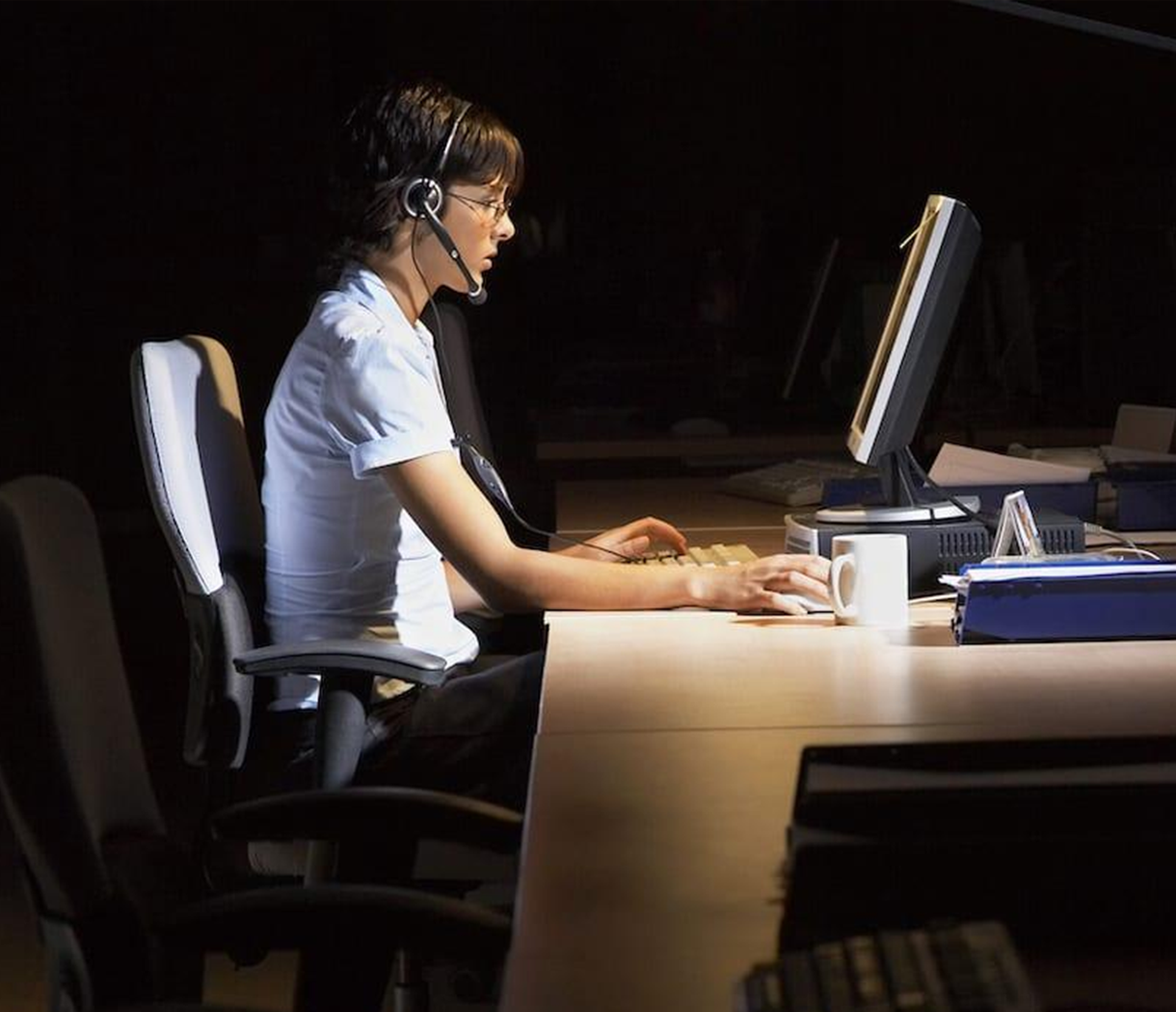
Working night shifts can disrupt the body’s natural circadian rhythm, often leading to chronic sleep deprivation, fatigue, and decreased cognitive performance. Night shift workers commonly experience tension in muscles, particularly in the neck, shoulders, and lower back, which further affects sleep quality. CO₂ Cryotherapy has emerged as a non-invasive recovery modality that applies extremely cold carbon dioxide to targeted areas of the body. By reducing local inflammation, relieving muscle tension, and promoting circulation, this therapy helps night shift workers achieve deeper and more restorative sleep, supporting overall health and productivity.
1. Understanding Night Shift Sleep Challenges
1.1 Circadian Rhythm Disruption
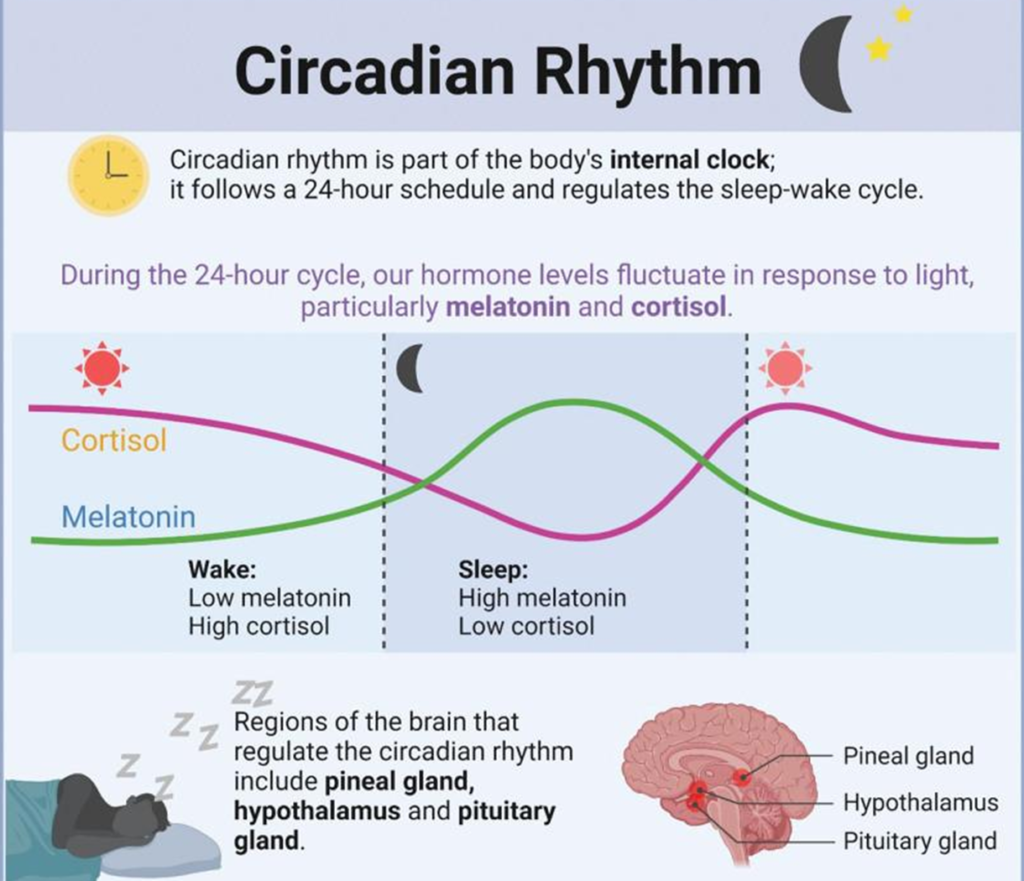
Night shift work fundamentally alters the body’s internal clock, or circadian rhythm, which regulates sleep-wake cycles. Exposure to light at unusual hours and irregular sleep patterns confuses hormonal signals, such as melatonin and cortisol, resulting in poor sleep onset and reduced sleep duration. Persistent disruption can impair memory, reduce alertness, and increase the risk of metabolic and cardiovascular disorders. Recognizing these biological changes is essential for night shift workers seeking strategies to restore quality sleep.
1.2 Muscle Tension and Sleep Interference
Night shift schedules often coincide with prolonged sitting, standing, or repetitive physical tasks, leading to muscular strain. Neck, shoulder, and lower back tension can become chronic, producing discomfort that interferes with sleep initiation and maintenance. Even minor inflammation or soreness can prevent relaxation of the nervous system, contributing to fragmented and less restorative sleep. Addressing these physical contributors is critical for improving overall sleep quality.
2. What CO₂ Cryotherapy Is
2.1 Mechanism of Action
CO₂ Cryotherapy uses localized application of extremely cold carbon dioxide gas, typically between -78°C and -80°C, to targeted body areas. The rapid cooling triggers vasoconstriction followed by vasodilation, enhancing blood flow and oxygen delivery to tissues. This process helps reduce inflammatory markers, relieve muscle spasms, and support cellular repair mechanisms. Unlike whole-body cryotherapy, localized CO₂ treatments focus on specific problem areas, making it ideal for addressing tension in the neck, shoulders, and back that affect sleep quality.
2.2 Scientific Rationale for Sleep Support
Emerging evidence suggests that reducing peripheral inflammation and muscular tension can positively influence sleep patterns. By calming hyperactive muscle groups and decreasing discomfort, CO₂ Cryotherapy may facilitate faster sleep onset and longer periods of uninterrupted sleep. Enhanced circulation improves tissue oxygenation and waste removal, contributing to a general sense of relaxation. While research is ongoing, these mechanisms provide a strong rationale for incorporating CO₂ Cryotherapy into recovery routines for night shift workers.
3. Case Scenarios for Night Shift Workers
3.1 Healthcare Professionals
Nurses, medical technicians, and other healthcare workers frequently perform physically demanding tasks during night hours. Continuous standing, lifting, and patient handling can lead to neck and back strain. Incorporating CO₂ Cryotherapy sessions after shifts may alleviate localized muscle tension and support recovery, helping healthcare professionals achieve higher-quality sleep despite irregular schedules.
3.2 Manufacturing and Transportation Workers
Workers in manufacturing plants or transportation sectors often engage in repetitive motions or operate heavy machinery during overnight hours. Muscular fatigue, joint stiffness, and localized inflammation are common. Targeted CO₂ Cryotherapy helps these individuals relieve discomfort and reduce the cumulative stress on muscles, providing an effective non-drug solution for improved rest between shifts.
3.3 IT and Security Staff
Even night shift workers with predominantly sedentary roles, such as IT support or security personnel, may experience muscle tension from prolonged sitting or static posture. Applying localized cryotherapy to affected areas can decrease soreness and promote relaxation, facilitating a more restorative sleep environment.
4. Integrating CO₂ Cryotherapy into a Night Shift Routine
4.1 Optimal Timing
Scheduling cryotherapy sessions immediately after the night shift allows for maximal reduction in muscle tension and inflammation before attempting to sleep. This timing aligns with the natural recovery window of tissues, ensuring that relaxation and restorative processes are supported during the subsequent sleep period.
4.2 Complementary Sleep Strategies
While CO₂ Cryotherapy can enhance sleep quality, integrating it with other sleep hygiene practices maximizes benefits. Strategies include maintaining a dark, cool sleeping environment, limiting caffeine intake prior to rest, and using consistent sleep routines when off-shift. Combining physical recovery with behavioral interventions provides a holistic approach to night shift wellness.
FAQ
Q1: Is CO₂ Cryotherapy safe for night shift workers?
Yes, localized CO₂ Cryotherapy is non-invasive and generally safe for healthy adults. Consultation is advised for individuals with cardiovascular conditions or cold sensitivities.
Q2: How often should sessions be scheduled?
Most practitioners benefit from 2–3 sessions per week, depending on muscle tension levels and work demands.
Q3: Can cryotherapy completely replace other sleep strategies?
No, it should complement proper sleep hygiene practices to achieve optimal rest and recovery.
Q4: Are there any side effects?
Mild redness or temporary skin cooling sensation is common, but serious side effects are rare when protocols are followed.
Conclusione
Night shift workers face unique challenges in achieving restorative sleep due to circadian disruption and muscle tension. CO₂ Cryotherapy offers a targeted, non-invasive solution that reduces inflammation, alleviates soreness, and promotes relaxation, supporting improved sleep quality. When integrated with healthy sleep practices, this therapy can help night shift employees maintain alertness, health, and productivity despite unconventional work hours.
Riferimenti
Local Cryotherapy: CO₂ Cryotherapy Services.
https://www.localcryotherapy.com/
Harvard Health Publishing: How Shift Work Affects Sleep.
https://www.health.harvard.edu/newsletter_article/how-shift-work-affects-sleep
Mayo Clinic: Sleep Tips for Night Shift Workers.
https://www.mayoclinic.org/healthy-lifestyle/adult-health/in-depth/sleep/art-20048290
National Institutes of Health: Cryotherapy in Musculoskeletal Recovery.