
1. Introduction to Cryotherapy for Horses
Cryotherapy for horses has rapidly become one of the most popular treatment methods in equine sports medicine and rehabilitation. With its ability to accelerate recovery, manage pain, and enhance performance, this non-invasive technique uses cold therapy to target inflammation, muscle soreness, and injuries. Veterinarians and trainers are now leveraging cryotherapy to optimize the health and well-being of horses, both in competitive sports and general care.
1.1 What is Cryotherapy for Horses?
Cryotherapy involves the application of extreme cold to specific areas of a horse’s body to reduce inflammation, minimize pain, and promote healing. Whether through ice baths, cryo boots, or whole-body cryotherapy chambers, this treatment is designed to decrease tissue temperature, constrict blood vessels, and reduce metabolic activity in the affected area. The result is less swelling, faster recovery times, and improved overall function.
Cryotherapy has found its place in both routine care and post-injury rehabilitation for horses. It is widely used in sports settings where horses endure intense physical activity, helping to maintain peak performance levels while reducing the risk of injuries.
1.2 The Benefits of Cryotherapy for Horses
Cryotherapy provides numerous advantages that go beyond simple muscle relaxation. The cold-induced vasoconstriction helps limit swelling, making it ideal for managing injuries. Here are a few key benefits:
1.2.1 Reduced Inflammation
Cryotherapy helps reduce inflammation that commonly occurs after intense training or injury. By cooling the affected area, blood vessels constrict, limiting the flow of fluid and white blood cells to the site of the injury, which effectively decreases swelling and prevents further tissue damage.
1.2.2 Improved Recovery Time
Cold therapy helps to accelerate the healing process by limiting tissue breakdown. The reduction in blood flow prevents further damage to muscle fibers and ligaments, allowing them to heal more efficiently. Horses recover faster, and trainers can maintain a more rigorous training schedule.
1.2.3 Pain Management and Injury Prevention
Cryotherapy numbs the area, reducing pain, while also decreasing muscle fatigue. Regular use of cryotherapy helps prevent injuries by improving joint mobility, reducing stiffness, and ensuring muscles are more pliable after workouts.
1.2.4 Enhanced Performance
Cryotherapy is known to enhance athletic performance. It reduces soreness, allowing horses to train harder and for longer durations. After applying cryotherapy, horses are often less fatigued, with improved flexibility and reduced risk of overuse injuries.
2. How Cryotherapy Works for Horses
Cryotherapy’s ability to enhance recovery and alleviate pain hinges on its physiological effects on the body. Understanding the science behind cryotherapy helps us appreciate its value in equine care. This section will explore how cold temperatures interact with horse tissues and why this treatment is so effective.
2.1 The Science Behind Cryotherapy
At its core, cryotherapy relies on the body’s natural response to cold. When the skin and underlying tissues are exposed to cold temperatures, blood vessels constrict (vasoconstriction), reducing blood flow and thus inflammation in the area. After removing the cold stimulus, the vessels dilate (vasodilation), allowing increased blood flow to the area. This influx of oxygen and nutrients helps repair tissue and flush out waste products.
Cryotherapy not only benefits muscles and joints but also stimulates the release of endorphins, providing natural pain relief. These processes play a significant role in speeding up recovery times and improving a horse’s ability to return to activity faster after an injury or intense workout.
2.2 Types of Cryotherapy Used for Horses
Cryotherapy comes in various forms, each offering unique benefits depending on the specific condition being treated.
2.2.1 Whole-Body Cryotherapy
This involves placing the horse in a cryotherapy chamber that envelops the entire body in cold air. Whole-body cryotherapy is beneficial for horses in intense training or competition, helping reduce systemic inflammation, muscle soreness, and overall fatigue.
2.2.2 Localized Cryotherapy
Localized cryotherapy targets specific areas of the body using ice boots, cold packs, or localized cryo cuffs. This type is ideal for treating injuries in particular joints or muscle groups, such as sprains or tendon strains. It provides concentrated cooling to speed up recovery in targeted regions.
2.2.3 Cryo Cuffs and Ice Boots
Cryo cuffs and ice boots are wearable devices that apply cold directly to the legs or joints. These are commonly used for treating injuries like sprains, tendonitis, or general muscle stiffness. The targeted cold treatment helps manage inflammation and promote healing in localized areas.
Each of these cryotherapy techniques has its place in equine medicine, and selecting the right treatment depends on the horse’s condition and goals for recovery.
3. Cryotherapy for Horses in Sports Medicine
Cryotherapy’s popularity in equine sports medicine is not only due to its ability to speed up recovery but also because it directly enhances a horse’s performance and longevity in competitive environments. Understanding its role in both injury recovery and pre-competition preparation is key for horse owners and trainers.
3.1 Cryotherapy for Performance Enhancement in Equine Athletes
Competitive horses, such as those used in racing, dressage, or jumping, undergo intense physical strain. Cryotherapy helps manage the physical toll exerted by regular training and competition. By using cold therapy before and after workouts, horses are able to experience fewer injuries, less muscle soreness, and improved performance.
Cold therapy works to reduce the microtears in muscles that occur after intense physical exertion, ensuring that muscle tissues remain functional and resilient. This treatment also helps horses recover faster, ensuring that they can train more frequently without excessive fatigue or injury.
3.2 Cryotherapy for Injury Recovery and Rehabilitation
Injuries to soft tissues like muscles, tendons, and ligaments are common in athletic horses. Cryotherapy plays a crucial role in reducing pain, controlling swelling, and promoting healing in the aftermath of these injuries.
For example, tendon injuries, which are common in high-performance horses, benefit from cryotherapy by reducing inflammation and minimizing the damage caused by prolonged swelling. In the rehabilitation process, cryotherapy helps accelerate the healing of injured tissues, enabling the horse to return to competition or work sooner and in better condition. https://www.equinevetjournal.com
For chronic conditions, like arthritis, cryotherapy can provide pain relief and slow the degeneration of joint tissues, improving the horse’s comfort and mobility.
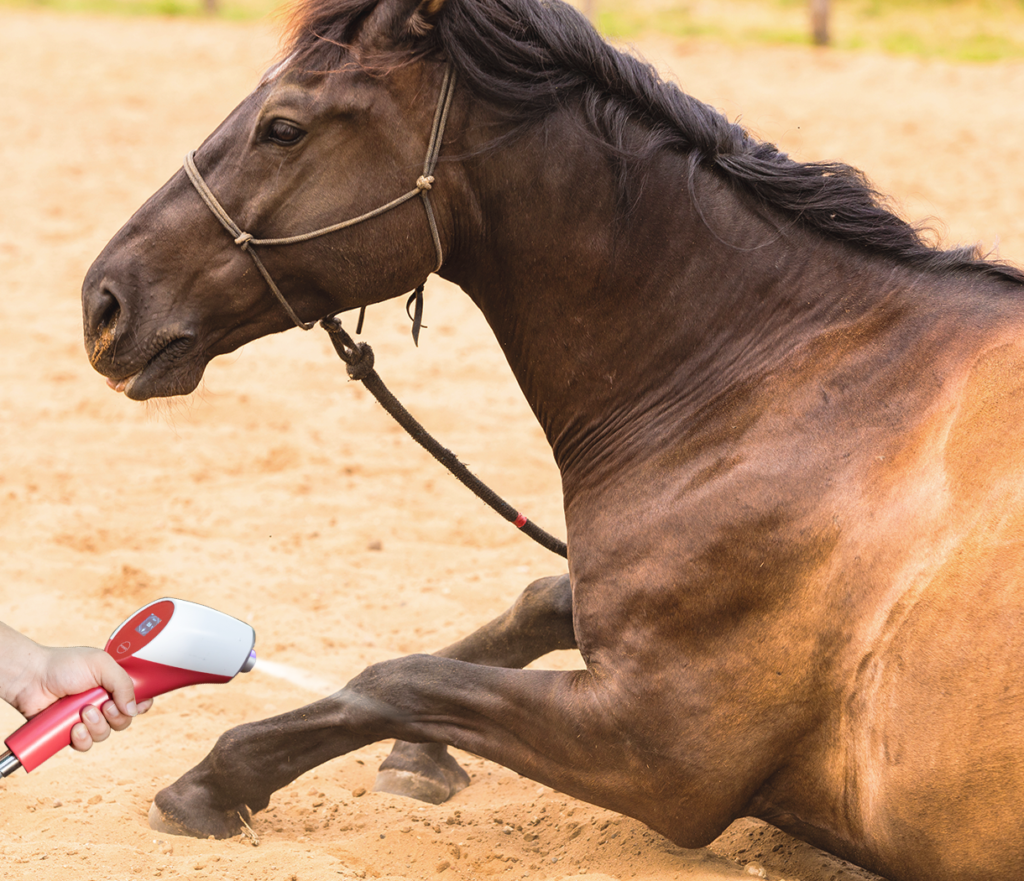
4. Safety and Effectiveness of Cryotherapy for Horses
While cryotherapy is a safe and effective treatment when applied correctly, like any medical therapy, it requires careful administration. Understanding the potential risks and how to mitigate them is essential for ensuring the horse’s well-being.
4.1 Is Cryotherapy Safe for Horses?
Cryotherapy is generally very safe when performed under professional supervision. However, improper application can lead to complications such as frostbite or tissue damage. Key precautions include ensuring the cold exposure time is not excessive and monitoring the horse closely during treatment.
Veterinarians and equine therapists recommend following established protocols for cryotherapy, which include limiting each treatment session to about 20 minutes and allowing enough time between sessions for the body to return to normal temperature.
4.2 How Effective is Cryotherapy for Horses?
Numerous studies and real-world cases suggest that cryotherapy is an effective treatment for improving recovery times, reducing inflammation, and preventing injuries. For example, a 2015 study on racehorses found that cryotherapy significantly reduced muscle soreness and allowed horses to return to competition faster than with traditional recovery methods. https://www.equinevetjournal.com
Moreover, many top-tier equine veterinarians and trainers swear by cryotherapy as part of their standard recovery regimen, reinforcing its place in the modern equine healthcare landscape.
5. How to Implement Cryotherapy in Your Horse’s Care Routine
Implementing cryotherapy into your horse’s care routine requires knowledge, planning, and the right equipment. Here’s how you can begin incorporating this valuable tool into your horse’s recovery process.
5.1 When to Use Cryotherapy for Horses
Cryotherapy can be applied both before and after intense physical activity. Prior to workouts, a brief cold therapy session can help prepare the muscles and joints by reducing stiffness and preventing injuries. Post-exercise, cryotherapy can be used to reduce inflammation, muscle soreness, and fatigue.
For horses recovering from injury, cryotherapy should be administered as part of a larger rehabilitation plan, working in tandem with other therapeutic modalities like physical therapy and medication.
5.2 Best Practices for Administering Cryotherapy to Horses
To ensure the safest and most effective cryotherapy treatment, it is essential to follow certain guidelines:
5.2.1 Ideal Duration of Cryotherapy
The duration of each cryotherapy session should be carefully controlled. Typically, 15-20 minutes per session is recommended to avoid overexposure to cold. Longer sessions may lead to tissue damage or frostbite.
5.2.2 Monitoring Temperature and Comfort
It is crucial to monitor the temperature of cryotherapy equipment to ensure it is within the optimal range for treatment. Also, check on the horse’s comfort levels during the session. If the horse shows signs of distress, the treatment should be stopped immediately.
5.2.3 Combining Cryotherapy with Other Therapies
Cryotherapy works best when integrated into a holistic treatment plan. Combine it with other recovery methods such as massage, stretching, and laser therapy to enhance results.
6. Conclusion: The Future of Cryotherapy in Equine Care
Cryotherapy is a powerful tool that can significantly enhance the recovery, performance, and overall health of horses.
As it continues to evolve, we can expect to see even more innovative applications, such as new cryotherapy technologies and refined treatment techniques.
Whether you’re using it to prevent injuries, speed up recovery, or improve performance, cryotherapy is undoubtedly a game-changer in the world of equine care. By incorporating this method into your horse’s wellness plan, you can help ensure their health and performance for years to come.
7. References
“Cryotherapy in Equine Sports Medicine: A Review,” Journal of Veterinary Science. (https://www.journals.sagepub.com)
“The Role of Cold Therapy in Managing Equine Injury,” Equine Veterinary Journal. (https://www.equinevetjournal.com)
“Benefits of Cryotherapy for Horse Recovery,” The Horse.
“Cryo Solutions for Equine Care,” Cryo Innovations.