Einführung
Neuromuscular tension is one of the most common physiological responses to repetitive movement, prolonged static posture, intensive training cycles, and stress-related sympathetic nervous system activation. As recovery science continues to evolve, localized CO₂ cryotherapy has gained increasing attention for its ability to interact with neuromuscular pathways through rapid temperature modulation and sensory receptor stimulation. Unlike passive surface cooling approaches, localized carbon dioxide cryotherapy produces fast thermal gradients that influence peripheral nerve signaling, vascular responses, and muscle spindle behavior. Understanding how this process contributes to neuromuscular relaxation helps clarify why targeted cryotherapy is becoming an important component within modern recovery environments alongside technologies such as photobiomodulation and therapeutic laser systems.
1. Foundations of Neuromuscular Function and Muscle Tone Regulation
Before examining how localized CO₂ cryotherapy interacts with the body, it is important to understand the structure and regulation of neuromuscular activity responsible for muscle tension and relaxation balance.
1.1 Neuromuscular Communication Between the Nervous System and Skeletal Muscle
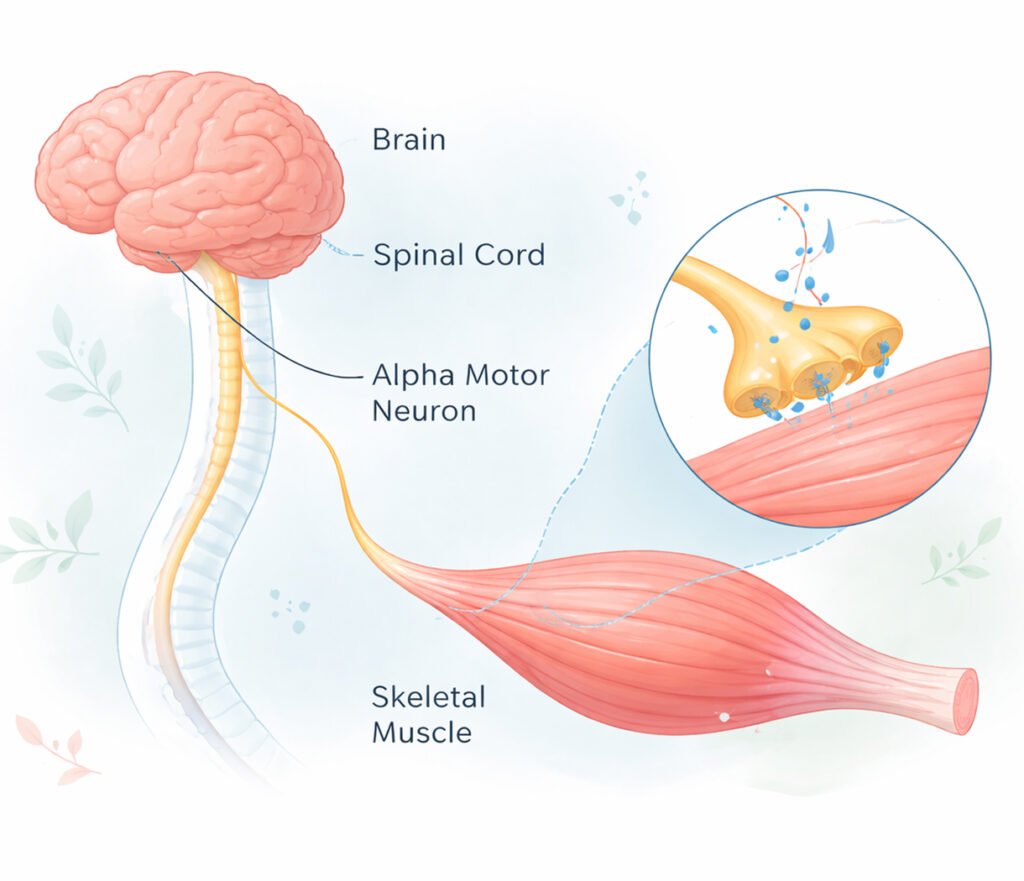
Neuromuscular function depends on communication between motor neurons and skeletal muscle fibers through specialized synapses known as neuromuscular junctions. Electrical impulses originating in the central nervous system travel through alpha motor neurons and trigger acetylcholine release at the neuromuscular junction, initiating muscle contraction. This process allows the body to regulate posture, precision movement, and coordinated motor output. However, repetitive signaling without adequate recovery may increase baseline muscle tone and reduce flexibility. Localized thermal stimulation, including controlled cryotherapy exposure, can influence sensory receptor activity and indirectly alter motor neuron excitability. As a result, neuromuscular signaling pathways may temporarily shift toward reduced contraction intensity and improved relaxation dynamics within treated tissues.
1.2 The Role of Muscle Spindles in Maintaining Muscle Tension
Muscle spindles function as stretch-sensitive proprioceptive receptors embedded within skeletal muscle fibers. They detect changes in muscle length and velocity, transmitting feedback to the spinal cord through afferent nerve pathways. When overstimulated by repetitive activity or sustained contraction patterns, muscle spindles may contribute to persistent tightening and reflexive resistance to stretching. Rapid cooling produced by CO₂ cryotherapy interacts with these proprioceptive pathways by modifying spindle sensitivity and altering reflex arc responsiveness. This adjustment can temporarily reduce excessive neuromuscular activation and support improved range-of-motion perception. Understanding this mechanism helps explain why localized cryotherapy is frequently integrated into recovery protocols designed to restore balanced neuromuscular tone after physical stress exposure.
2. Physiological Mechanisms of CO₂ Cryotherapy in Neuromuscular Modulation
Once baseline neuromuscular regulation is understood, the next step is examining how localized carbon dioxide cooling interacts with sensory receptors, nerve conduction behavior, and reflex motor pathways.
2.1 Rapid Skin Temperature Reduction and Thermoreceptor Activation
Localized CO₂ cryotherapy produces an immediate decrease in skin temperature through controlled expansion of carbon dioxide gas at the treatment surface. This sudden temperature shift activates cold-sensitive thermoreceptors within the epidermis and superficial dermis. These receptors transmit signals through A-delta nerve fibers toward the spinal cord and central processing centers. The stimulation of these pathways contributes to altered sensory input patterns that may influence muscle guarding responses associated with discomfort or fatigue. Because neuromuscular tension is partly maintained by protective reflex signaling, modifying sensory input can help reduce excessive contraction patterns. The rapid onset of this response differentiates localized cryotherapy from slower cooling modalities commonly used in conventional recovery environments.
2.2 Temporary Modulation of Peripheral Nerve Conduction Velocity
Peripheral nerve conduction velocity plays an important role in regulating muscle activation intensity and reflex responsiveness. Exposure to rapid localized cooling can temporarily reduce the speed at which electrical impulses travel along sensory nerve fibers. This reduction does not interrupt neuromuscular communication but instead alters signal processing efficiency within tension-maintaining pathways. By influencing conduction velocity, localized cryotherapy may decrease exaggerated muscle guarding responses and support improved comfort perception. These physiological adjustments help create a more balanced neuromuscular environment following repetitive mechanical loading or high-frequency movement patterns commonly observed in athletic and occupational settings.
3. Reflex Muscle Relaxation Through Spinal Cord Pathway Interaction
Beyond direct sensory receptor stimulation, localized cryotherapy influences neuromuscular relaxation through interactions with spinal reflex circuits responsible for regulating baseline muscle tone.
3.1 Alpha Motor Neuron Excitability and Muscle Activation Control
Alpha motor neurons transmit contraction commands from the spinal cord to skeletal muscle fibers. Their excitability level determines how easily muscles enter contraction states during movement or postural stabilization. Localized cooling exposure influences afferent feedback signals that reach spinal motor control centers, which may temporarily reduce alpha motor neuron responsiveness. This reduction contributes to decreased involuntary contraction intensity in treated regions. As a result, muscles previously engaged in protective tightening responses may shift toward a more relaxed resting state. This mechanism explains why localized cryotherapy is often integrated into recovery strategies focused on improving mobility and reducing stiffness following high-load physical activity cycles.
3.2 Influence on Proprioceptive Feedback Loops and Movement Awareness
Proprioception describes the body’s ability to perceive joint position and muscular tension without visual input. Accurate proprioceptive signaling allows coordinated movement and efficient motor control. When neuromuscular fatigue develops, proprioceptive accuracy may decline, increasing the likelihood of compensatory tension patterns. Localized cryotherapy influences sensory feedback loops by modifying receptor signaling within treated tissues. This adjustment may temporarily improve awareness of muscle length and joint positioning, contributing to smoother movement transitions. Improved proprioceptive signaling supports neuromuscular relaxation by reducing unnecessary co-contraction patterns that often develop during fatigue-related stabilization responses.
4. Microcirculation Responses Supporting Neuromuscular Recovery
Neuromuscular relaxation is not controlled exclusively by neural mechanisms. Vascular responses also contribute significantly to muscle comfort and metabolic balance following localized cryotherapy exposure.
4.1 Vasoconstriction Followed by Reactive Hyperemia Effects
During initial exposure to localized CO₂ cryotherapy, blood vessels within superficial tissues undergo vasoconstriction as part of the body’s protective thermoregulatory response. This temporary reduction in blood flow limits excessive inflammatory mediator activity within stressed tissues. After the cooling stimulus ends, reactive hyperemia occurs as circulation increases to restore thermal equilibrium. This rebound phase enhances oxygen availability and nutrient delivery to muscle fibers. Improved microcirculation supports metabolic recovery processes that influence neuromuscular performance stability. The combination of controlled vasoconstriction and subsequent reperfusion contributes to an environment favorable for restoring balanced muscle tone.
4.2 Reduction of Metabolic Byproduct Accumulation in Muscle Tissue
Accumulation of metabolic byproducts such as hydrogen ions and lactate contributes to muscle fatigue and perceived tightness during recovery periods. Localized cryotherapy may temporarily reduce metabolic activity within superficial muscle layers, allowing tissues to stabilize following repetitive contraction cycles. Subsequent improvements in circulation assist in clearing accumulated metabolites associated with neuromuscular discomfort. This process supports restoration of normal intracellular conditions necessary for efficient contractile protein function. As metabolic balance improves, muscle fibers are better positioned to return to baseline activation patterns rather than remaining in prolonged tension states following intense physical demand.
5. Integration With Photobiomodulation and Therapeutic Laser Technologies
Modern recovery environments increasingly combine multiple modalities to address neuromuscular tension from complementary physiological angles.
5.1 Complementary Roles of CO₂ Cryotherapy and Photobiomodulation
Photobiomodulation, commonly delivered through low-level laser therapy systems, supports mitochondrial activity by stimulating cytochrome c oxidase within cells. This process enhances ATP production and promotes cellular repair signaling pathways. When combined sequentially with localized cryotherapy, thermal modulation and cellular energy support mechanisms may work together to influence neuromuscular recovery dynamics. Cryotherapy contributes sensory receptor regulation and circulation adjustments, while photobiomodulation supports intracellular regeneration pathways. The complementary interaction between these technologies reflects a growing trend toward multimodal recovery strategies designed to improve tissue adaptability and neuromuscular balance in performance-focused environments.
5.2 Differences Between Thermal Neuromodulation and Laser-Induced Cellular Activation
Although both modalities support recovery physiology, their mechanisms differ significantly. Localized CO₂ cryotherapy primarily influences thermoreceptors, vascular responses, and peripheral nerve signaling behavior. In contrast, therapeutic laser systems operate through photon absorption at the mitochondrial level, influencing oxidative metabolism and gene expression related to tissue repair pathways. Understanding these differences allows clinicians and recovery specialists to select appropriate intervention timing within structured recovery sequences. When used strategically, these modalities may support both neural regulation and cellular energy restoration, contributing to improved neuromuscular relaxation outcomes across multiple recovery stages.
6. Sensory Perception Changes Contributing to Relaxation Experience
Physiological relaxation is closely connected to perceptual responses generated by sensory system interaction with localized cooling stimuli.
6.1 Gate Control Theory and Modulation of Discomfort Signals
The gate control theory of pain explains how non-nociceptive sensory input can interfere with transmission of discomfort signals toward the central nervous system. Rapid stimulation of cold receptors during localized cryotherapy activates competing neural pathways that reduce signal priority assigned to discomfort-related impulses. This sensory modulation contributes to improved perception of comfort within treated areas. Reduced discomfort perception decreases protective muscle guarding responses that often maintain unnecessary contraction patterns. As a result, neuromuscular tone may shift toward relaxation states that support movement efficiency and recovery progression.
6.2 Psychological Components of Rapid Cooling Stimulus Perception
In addition to physiological responses, sensory perception of rapid cooling influences psychological relaxation pathways. Exposure to controlled cold stimulation activates autonomic nervous system adjustments that may reduce sympathetic dominance associated with stress-related muscle tension. This shift toward parasympathetic activity contributes to a sensation of refreshment frequently reported during localized cryotherapy sessions. While subjective experiences vary, the interaction between sensory stimulation and autonomic regulation supports the broader neuromuscular relaxation process observed following targeted cooling interventions within structured recovery routines.
FAQ
Does CO₂ cryotherapy directly relax muscles?
It primarily influences sensory receptors and nerve signaling pathways that regulate muscle tone rather than directly altering muscle fibers themselves.
How fast can neuromuscular effects begin after treatment?
Sensory receptor responses typically begin immediately after localized cooling exposure due to rapid temperature change at the skin surface.
Can CO₂ cryotherapy support recovery after intense training sessions?
Localized cooling may assist neuromuscular balance by influencing circulation patterns and sensory nerve activity involved in post-activity recovery.
Is CO₂ cryotherapy similar to therapeutic laser therapy?
Both support recovery physiology, but cryotherapy works through thermal neuromodulation while laser therapy supports cellular metabolism through photobiomodulation mechanisms.
Can localized cryotherapy be combined with other recovery modalities?
It is often integrated into multimodal recovery strategies that include stretching, manual therapy, and light-based therapeutic technologies.
Schlussfolgerung
Localized CO₂ cryotherapy supports neuromuscular relaxation through a coordinated interaction between sensory receptor activation, peripheral nerve signaling modulation, vascular response regulation, and proprioceptive feedback adjustment. By influencing multiple physiological systems involved in muscle tone control, this targeted cooling approach contributes to improved comfort perception and recovery readiness following repetitive movement exposure or high-intensity activity cycles. When integrated with complementary modalities such as photobiomodulation and therapeutic laser technologies, localized cryotherapy represents a scientifically grounded component of modern neuromuscular recovery strategies designed to support efficient movement function and tissue adaptability.
Referenzen
Algafly AA, George KP. The effect of cryotherapy on nerve conduction velocity, pain threshold and pain tolerance
https://pubmed.ncbi.nlm.nih.gov/17993252
Bleakley CM, Costello JT. Do thermal agents affect range of movement and mechanical properties in soft tissues?
https://bjsm.bmj.com/content/47/7/461
Herrera E et al. The influence of cryotherapy on nerve conduction velocity
https://pubmed.ncbi.nlm.nih.gov/20067349
Hamblin MR. Mechanisms and applications of the anti-inflammatory effects of photobiomodulation
https://www.ncbi.nlm.nih.gov/pmc/articles/PMC5523874
Leal-Junior ECP et al. Photobiomodulation therapy and skeletal muscle performance