1. Introduction: Why Cryotherapy Facial Is Becoming a Skincare Trend
Cryotherapy, or cold therapy, has evolved from a medical treatment for musculoskeletal injuries to a mainstream cosmetic procedure. Its application in facial skincare has been driven by the demand for non-invasive methods to improve skin tone, reduce inflammation, and stimulate collagen production. Unlike traditional facials that rely on mechanical or chemical interventions, cryotherapy facial uses controlled cold exposure to trigger physiological responses in the skin. Users are particularly interested in cryotherapy facial before and after results to assess both immediate and cumulative benefits. As aesthetic and wellness industries grow, understanding these effects has become critical for professionals and consumers alike.
In recent years, beauty clinics and skincare enthusiasts have embraced cold therapy for its potential to enhance microcirculation, reduce puffiness, and rejuvenate the skin without downtime. This trend has been amplified by social media, where before-and-after photos visually demonstrate its impact, making cryotherapy an increasingly popular choice for individuals seeking safe and effective facial treatments.
2. Understanding Cryotherapy: The Science Behind Cold Therapy
Cryotherapy facial is grounded in well-established physiological principles. When skin is exposed to low temperatures, a cascade of cellular and vascular responses occurs. Initially, vasoconstriction reduces blood flow, limiting inflammation and edema. Following this, vasodilation enhances nutrient and oxygen delivery to the dermis and epidermis. At the cellular level, fibroblasts and keratinocytes respond by increasing mitochondrial activity, producing ATP, and supporting collagen and elastin synthesis. These mechanisms underlie the visible improvements in skin texture and tone that are often captured in before and after imagery.
Moreover, cold therapy modulates inflammatory pathways, reducing pro-inflammatory cytokines and oxidative stress. This combination of vascular, cellular, and molecular effects distinguishes cryotherapy from other skincare methods and provides a scientific explanation for its therapeutic and aesthetic benefits. By understanding these mechanisms, users can appreciate both immediate results and long-term improvements. https://www.sciencedirect.com/science/article/abs/pii/S030541791630308X
2.1 How Cryotherapy Works on the Skin
Controlled low-temperature exposure, typically ranging from -10°C to -30°C, is central to cryotherapy facial treatments. The immediate vasoconstriction effect temporarily reduces redness and swelling, while the subsequent vasodilation enhances circulation and nutrient delivery. On a cellular level, cold exposure stimulates fibroblast activity, increasing collagen and elastin production, which contributes to skin firmness and elasticity.
Additionally, keratinocytes respond to cold by increasing ATP production, promoting cellular repair and turnover. Sebaceous gland activity is also temporarily regulated, which can benefit oily or acne-prone skin. This physiological response explains why users observe improvements in tightness, radiance, and texture. Importantly, the combination of vascular, cellular, and sebaceous effects provides a measurable basis for cryotherapy facial before and after changes, both immediate and cumulative.
2.2 Cryotherapy vs Traditional Facial Treatments
Cryotherapy differs significantly from conventional facials that rely on exfoliation, chemical peels, or laser resurfacing. Traditional methods often induce controlled injury to the skin to stimulate repair, which can result in redness, downtime, or irritation. In contrast, cryotherapy leverages temperature modulation to achieve rejuvenation without damaging tissues.
This non-invasive approach makes it suitable for sensitive skin types and for individuals seeking minimal downtime. Cryotherapy can also complement traditional methods; for example, combining a cold facial session with topical serums enhances absorption and cellular activity. The contrast between cryotherapy and conventional treatments is evident in before and after comparisons: cold therapy often produces immediate brightness and firmness without the transient irritation associated with other modalities.
3. Key Benefits of Cryotherapy Facial
Cryotherapy facial provides a combination of cosmetic and therapeutic benefits. The controlled cold stimulus improves skin microcirculation, enhances oxygen and nutrient delivery, and supports cellular repair processes. Anti-inflammatory effects reduce redness and swelling, while stimulating fibroblasts encourages collagen and elastin synthesis.
Users often notice firmer, more toned skin with reduced fine lines and refined pore appearance. Sebum regulation further helps oily or acne-prone skin, balancing the skin’s natural barrier function. While individual experiences may vary, consistent treatments have been shown to yield cumulative improvements that can be clearly observed in before and after images.
3.1 Cryotherapy Facial for Redness and Inflammation
One of the most prominent effects of cryotherapy is its ability to reduce inflammation and calm redness. Initial vasoconstriction limits blood flow to hyperemic areas, reducing swelling, while subsequent vasodilation clears inflammatory mediators. This dual effect is particularly beneficial for individuals with rosacea, sensitive skin, or post-acne irritation.
The cooling sensation also provides an immediate sense of relief, often described as “refreshing” or “invigorating.” When comparing before and after photos, users notice not only reduced redness but also an evened skin tone and a visibly calmer complexion. These effects demonstrate that cryotherapy facial has both cosmetic and physiological benefits.
3.2 Cryotherapy Facial for Skin Firmness and Pore Appearance
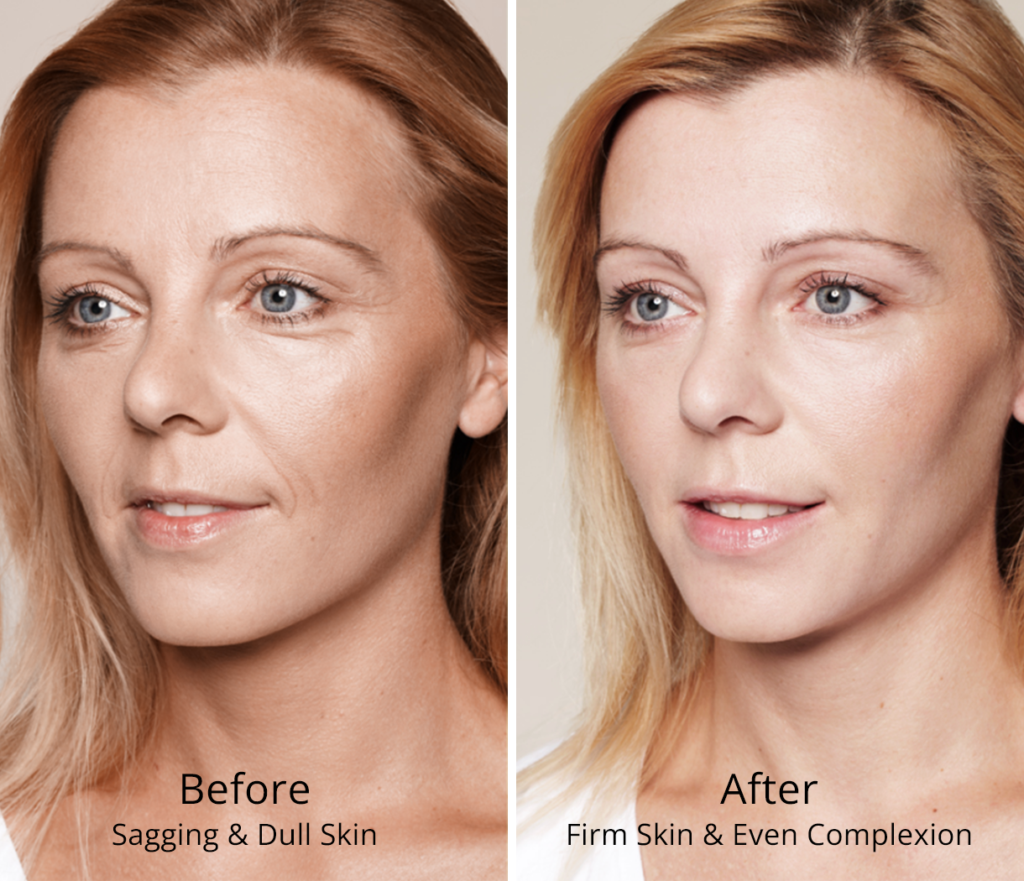
Cryotherapy stimulates dermal fibroblasts, promoting collagen and elastin synthesis, which improves skin firmness and elasticity over time. Cold exposure causes temporary tightening of the epidermis, giving the skin a smoother, lifted appearance immediately after treatment.
Regular sessions can refine pore size, enhance tone, and create a more youthful contour. Before-and-after comparisons frequently reveal noticeable differences in skin texture and firmness, particularly in areas prone to sagging or enlarged pores. This effect is especially valuable for those seeking non-invasive methods to counter early signs of aging without chemical peels or laser treatments.
3.3 Cryotherapy Facial for Acne-Prone and Oily Skin
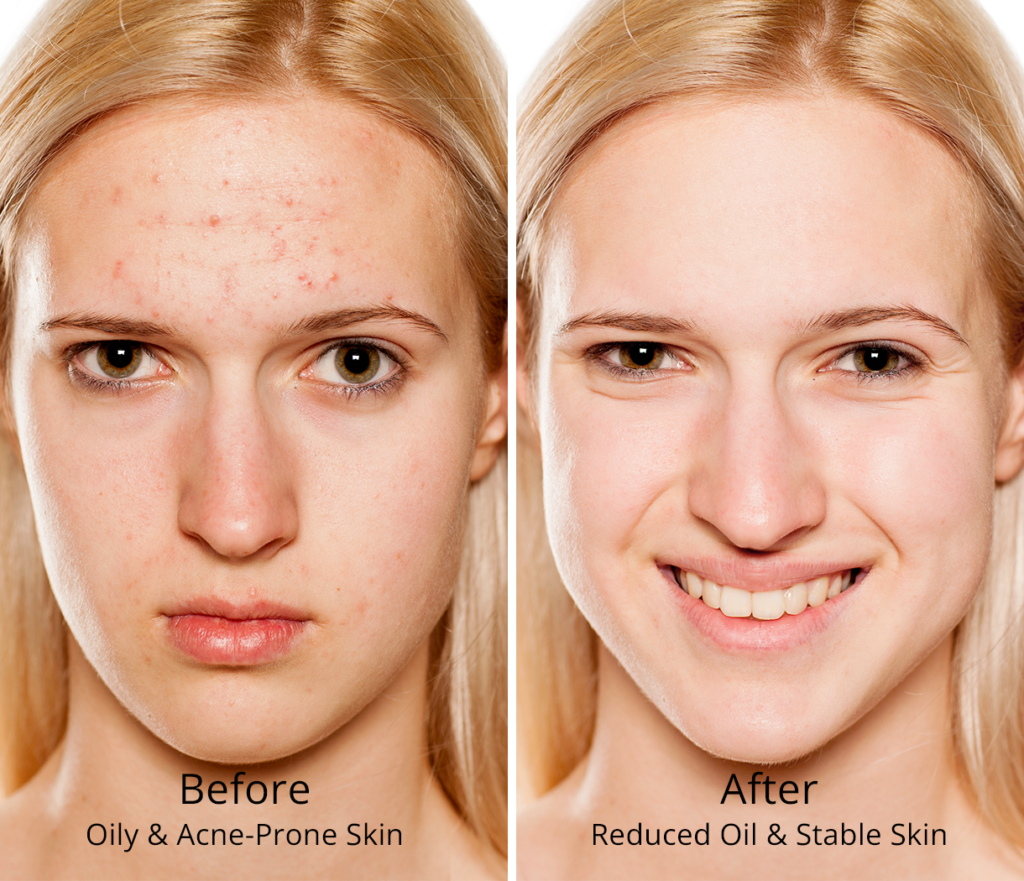
For oily or acne-prone skin, cryotherapy provides both immediate and long-term benefits. By reducing sebaceous gland activity and enhancing microcirculation, cold therapy helps prevent clogged pores and calm active lesions. Anti-inflammatory effects alleviate swelling and redness, reducing the risk of post-inflammatory hyperpigmentation.
When incorporated into a consistent skincare routine, cryotherapy can stabilize skin over time, decreasing breakouts and improving clarity. Before and after images often show a visible reduction in oiliness, calmer acne lesions, and an overall more balanced complexion. Its low-risk, non-invasive nature makes it suitable even for sensitive or reactive skin types.
4. Cryotherapy Facial Before and After: Observed Results
Understanding the timeline of before and after results helps manage expectations. Immediate effects include visible brightness, reduced puffiness, and a firmer feel due to epidermal contraction. Short-term effects within 24–72 hours reflect enhanced circulation, reduced inflammation, and the beginning of collagen remodeling. Long-term effects, observed after several sessions, include improved elasticity, smoother texture, and diminished fine lines. Documenting these results is important for both clinical validation and personal satisfaction.
4.1 Immediate Effects
Immediately following treatment, skin often appears refreshed and tight. Vasoconstriction reduces puffiness and redness, while cold stimulation enhances the perception of smoothness. Users frequently describe a cooling, invigorating sensation that contributes to a sense of vitality. These immediate changes can be clearly seen in before and after images, demonstrating the therapy’s cosmetic impact even after a single session.
4.2 Short-Term Effects: 24–72 Hours After Treatment
Within the first three days post-treatment, enhanced microcirculation improves nutrient delivery and cellular repair. Inflammatory markers decrease, reducing redness and swelling. Acne-prone skin may experience fewer active lesions, and pore appearance can be refined. Collagen synthesis begins, supporting subtle firmness. These short-term effects provide tangible benefits that extend beyond the immediate cosmetic results captured in before and after photographs.
4.3 Long-Term Effects: Multi-Session Cryotherapy Facial
With repeated sessions, cryotherapy produces structural improvements in the skin. Collagen and elastin synthesis enhances elasticity, reduces fine lines, and firms sagging areas. Chronic inflammation decreases, and sebaceous gland activity is regulated, leading to fewer breakouts and more balanced skin. Long-term before and after images demonstrate both cosmetic and therapeutic benefits, validating cryotherapy facial as an effective non-invasive treatment.
5. Who Should Consider Cryotherapy Facial
Cryotherapy facial is generally suitable for most skin types, particularly sensitive, reactive, and early-aging skin. Individuals with mild acne, puffiness, or redness may experience significant improvements. However, people with extreme cold intolerance, vascular disorders, or active skin infections should avoid treatment to prevent adverse reactions.
5.1 Best Skin Types for Cryotherapy Facial
Sensitive or reactive skin benefits most from the anti-inflammatory and collagen-stimulating effects. Early signs of aging, such as fine lines or mild sagging, respond well to repeated sessions. Users with environmental skin stress also experience enhanced microcirculation and antioxidant activity. These skin types often show the most noticeable before and after improvements over time.
5.2 Who Should Avoid Cryotherapy Facial
Individuals with cold urticaria, Raynaud’s phenomenon, or cardiovascular conditions should avoid cryotherapy. Recently sunburned or infected skin is also contraindicated. Understanding these limitations ensures safe and effective treatment while maintaining accurate interpretation of before and after results.
6. Safety and Side Effects
Cryotherapy facial is safe when performed under controlled conditions. Minor side effects, including transient redness, tingling, or tightness, are normal and short-lived. Proper temperature control and adherence to treatment duration reduce risks. These reactions reflect natural physiological responses, distinguishing therapeutic benefits from temporary skin effects.
6.1 Safety Considerations
Professional protocols emphasize precise temperature management, calibrated devices, and monitored exposure times. At-home devices require careful adherence to guidelines. Avoiding extreme cold and prolonged exposure is critical to prevent skin irritation or frostbite. Monitoring skin reactions ensures the safety and effectiveness of cryotherapy facial.
6.2 Common Side Effects
Short-term redness, tightness, and cooling sensations are expected and indicate microcirculatory activation. These effects resolve within hours and rarely necessitate intervention. Recognizing these normal responses helps differentiate them from meaningful improvements observed in before and after images.
7. Professional vs. At-Home Cryotherapy Facial
Professional treatments offer precise control, customizable protocols, and integration with other non-invasive technologies. At-home devices provide convenience and regular maintenance but deliver milder stimulation. Combining both approaches can optimize immediate cosmetic effects and long-term structural benefits, allowing users to maintain results and maximize cumulative improvements.
7.1 Advantages of Professional Cryotherapy Facial
Professional sessions enable accurate temperature regulation, targeted treatment, and advanced device capabilities. Clinicians can tailor treatments to individual skin concerns, enhancing efficacy and safety. Integration with other modalities, such as LED therapy, further amplifies results. Objective documentation in professional settings ensures reliability of before and after observations.
7.2 Characteristics of At-Home Cryotherapy Facial
Home devices are designed for safe, simple use, ideal for daily or weekly maintenance. While effects are subtler than professional treatments, consistent application supports microcirculation, reduces mild inflammation, and preserves skin firmness. Users can track gradual before and after changes over time, reinforcing the cumulative value of cold therapy.
8. Conclusion
Cryotherapy facial is a scientifically validated, non-invasive approach to improving skin appearance and function. Immediate effects include brightness, reduced puffiness, and tightening, while repeated sessions promote collagen synthesis, elasticity, and long-term skin health. Combining professional and at-home treatments provides both immediate and cumulative benefits. Observing before and after results offers tangible evidence of efficacy, supporting its integration into modern skincare routines.
9. References
Cryotherapy in Dermatology: Mechanisms and Clinical Applications
https://www.ncbi.nlm.nih.gov/pmc/articles/PMC6082769
Effects of Cold Exposure on Skin Microcirculation
https://pubmed.ncbi.nlm.nih.gov/28988014
Therapeutic Use of Local Cryotherapy in Medicine
https://www.sciencedirect.com/science/article/abs/pii/S030541791630308X
Cryotherapy in Aesthetic and Cosmetic Medicine