
소개
Headaches, particularly migraines, are a widespread concern affecting millions of adults globally. Traditional interventions include over-the-counter pain medications, prescription drugs, and simple ice packs. While these methods can provide temporary relief, many individuals seek non-drug approaches to manage symptoms more sustainably. Localized cryotherapy has emerged as a promising solution that targets the physiological mechanisms underlying headache pain, offering relief beyond conventional ice therapy. By leveraging precise, low-temperature treatment applied to targeted areas, this therapy may reduce inflammation, modulate nerve activity, and relax muscles that contribute to headache severity. This article explores the science behind localized cryotherapy, its application for migraine and headache management, and practical guidelines for safe and effective use.
1. Understanding Migraines and Headaches
Effective headache management begins with understanding the types and underlying causes of headaches.
1.1 Types of Headaches and Their Causes
Headaches are broadly classified into tension-type headaches, migraines, and cluster headaches. Migraines involve neurological and vascular changes, often accompanied by nausea, photophobia, and throbbing pain. Tension-type headaches arise from muscle tension in the neck and shoulders, stress, or posture-related strain. Cluster headaches are intense, unilateral pain episodes linked to hypothalamic activity. Each type of headache has distinct mechanisms, which is critical when applying targeted therapies such as localized cryotherapy. Identifying the headache type ensures treatment is directed at the appropriate physiological pathway, enhancing effectiveness.
1.2 How Inflammation and Muscle Tension Trigger Headaches
Inflammation and muscle tension play a significant role in headache pathophysiology. Elevated levels of neuropeptides such as CGRP (calcitonin gene-related peptide) and pro-inflammatory cytokines can sensitize pain pathways, triggering migraine attacks. Additionally, tight cervical and shoulder muscles can restrict blood flow and exacerbate nociceptive signals. Understanding these triggers provides the rationale for using this therapy, which can reduce inflammation, modulate blood flow, and relax muscle tissue, thereby interrupting the cascade of events leading to headache onset.
2. What Is Localized Cryotherapy?
Localized cryotherapy involves the application of extremely cold air, liquid nitrogen, or CO₂ gas to specific body areas. Unlike ice packs, which primarily cool the skin superficially, localized cryotherapy can reach deeper tissues without damaging the skin, providing targeted relief.
2.1 Principles and Mechanisms
Cryotherapy works through several physiological mechanisms. Exposure to low temperatures causes vasoconstriction, temporarily reducing blood flow to inflamed tissues. Upon removal, vasodilation occurs, increasing circulation and delivering oxygen and nutrients to promote tissue recovery. It also slows nerve conduction velocity, which diminishes the transmission of pain signals to the central nervous system. At the cellular level, cold exposure can reduce the release of inflammatory mediators, contributing to long-term analgesic effects. These mechanisms combine to alleviate both acute headache pain and tension-related discomfort.
2.2 Advantages Over Traditional Ice Packs
While ice packs are convenient, they have limitations, including inconsistent temperature control, limited tissue penetration, and potential skin damage with prolonged use. Localized cryotherapy devices maintain precise temperatures and provide uniform cold exposure, allowing deeper tissue penetration without the risk of frostbite. Additionally, this therapy sessions are typically brief, making them more tolerable and suitable for repeated use. This precision enhances the therapeutic effect for headache relief while minimizing potential side effects.
3. How Cryotherapy Helps Relieve Headaches
Localized cryotherapy impacts headache pathology through multiple complementary mechanisms.
3.1 Reducing Inflammation and Neurogenic Pain
Inflammatory processes in migraine involve the activation of trigeminal nerves and release of vasodilatory neuropeptides. Cryotherapy reduces local tissue temperature, which can suppress inflammatory cytokine release and dampen nociceptor activity. This dual effect decreases pain intensity and frequency of migraine attacks. By targeting specific areas such as the temples, back of the neck, and shoulders, cryotherapy directly modulates the physiological pathways responsible for neurogenic inflammation, providing both acute and prophylactic benefits.
3.2 Promoting Muscle Relaxation and Blood Flow Modulation
Muscle tension in the neck, shoulders, and scalp is a common contributor to tension-type headaches. Cryotherapy promotes muscle relaxation by reducing metabolic activity and transiently decreasing excitatory nerve signaling. The subsequent reactive vasodilation improves microcirculation, delivering oxygen and nutrients while removing metabolic waste products. This combination of muscle relaxation and enhanced blood flow alleviates pain and facilitates faster recovery, improving overall comfort during headache episodes.
4. Using Local Cryotherapy for Migraine and Headache Management
Practical application is key to maximizing the benefits of localized cryotherapy.
4.1 Best Application Areas
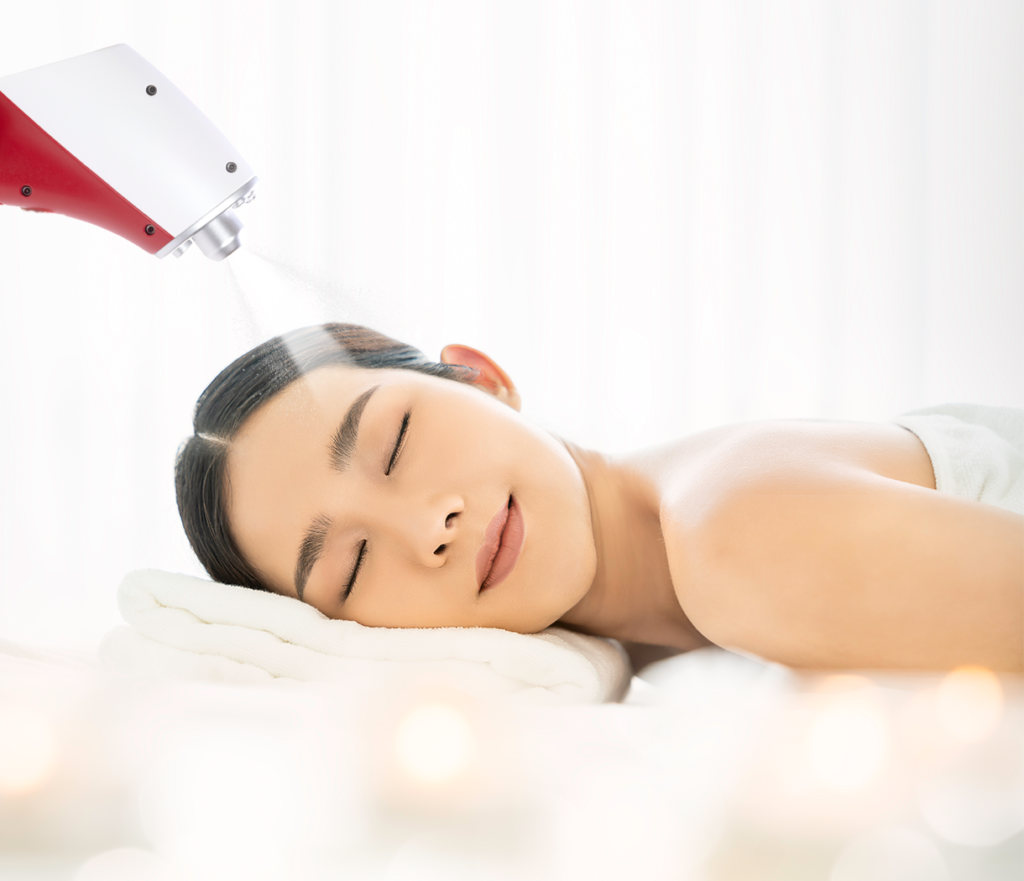
Optimal cryotherapy application sites include the temporal regions, occipital area, and upper cervical spine. Targeting these areas addresses the common sources of migraine and tension headache pain. For example, the suboccipital muscles often contribute to tension headaches due to postural strain, while the temporal regions are associated with vascular migraines. Applying localized cold therapy to these regions ensures effective modulation of pain pathways.
4.2 Timing and Session Recommendations
For acute headache relief, a brief 5–10 minute cryotherapy session may suffice. For prophylactic use, sessions of similar duration, conducted 2–3 times per week, can help reduce the frequency and intensity of headaches. Users should avoid exceeding recommended durations to prevent skin irritation. Preemptive use after recognizing early migraine symptoms may also shorten attack duration and reduce pain severity.
4.3 Integrating with Other Therapies
Cryotherapy can complement pharmacologic treatments, physical therapy, and lifestyle interventions. Combining cryotherapy with regular stretching, ergonomic adjustments, hydration, and stress management amplifies its benefits. For chronic migraine sufferers, integrating localized cryotherapy into a comprehensive care plan can reduce reliance on medication and improve quality of life.
5. Who Can Benefit Most from Localized Cryotherapy
Identifying the right candidates ensures optimal outcomes.
5.1 Chronic Migraine Sufferers
Individuals experiencing frequent, severe migraines may benefit from cryotherapy as a non-invasive adjunct. It can reduce pain intensity and potentially decrease the need for pharmacological interventions, supporting a more sustainable long-term management strategy.
5.2 Tension Headache and Neck Pain Patients
Those with stress-related or posture-induced headaches often have persistent neck and shoulder muscle tightness. Cryotherapy alleviates muscle tension and reduces inflammation, targeting the root cause of discomfort.
5.3 Individuals Seeking Drug-Free Alternatives
People looking to avoid long-term medication use can leverage cryotherapy as part of an integrative approach. Its non-pharmacologic nature makes it suitable for individuals concerned about medication side effects or dependency.
6. Safety Considerations and Precautions
While generally safe, users should follow best practices.
6.1 Is Local Cryotherapy Safe for Headaches?
Localized cryotherapy is non-invasive and well-tolerated. Sessions typically last only a few minutes, minimizing risks. However, individuals with cold hypersensitivity, Raynaud’s disease, cardiovascular issues, or skin lesions should consult a healthcare provider before use. Avoid direct contact with sensitive areas such as eyes, and use protective barriers as recommended.
6.2 Managing Expectations
Cryotherapy is a supportive therapy, not a cure. While it can reduce pain and shorten headache duration, results vary by individual. Combining cryotherapy with lifestyle modifications and professional care provides the most effective management strategy.
7. Frequently Asked Questions (FAQ)
Can localized cryotherapy prevent migraines?
Cryotherapy may reduce the frequency and severity of migraines by modulating pain pathways and reducing inflammation, but it is not a guaranteed preventive measure.
How quickly does it relieve headaches?
Many users report noticeable relief within 5–10 minutes of targeted application, though results can vary.
Can it be used alongside prescription medications?
Yes, cryotherapy is generally safe as an adjunct therapy. Always consult a healthcare provider when combining treatments.
Are there any side effects?
Mild skin redness or temporary numbness may occur. Proper usage minimizes risks.
결론
Localized cryotherapy offers a promising, non-invasive approach to headache and migraine relief. By reducing inflammation, modulating nerve activity, and relaxing muscle tissue, it provides an effective alternative or complement to traditional therapies. While not a standalone cure, integrating cryotherapy into a comprehensive management plan can improve comfort, reduce medication reliance, and enhance quality of life. For individuals seeking targeted, drug-free headache relief, localized cryotherapy represents a valuable addition to their wellness toolkit.
참조
LocalCryotherapy Official. “Whole Body Cryotherapy vs Localized Cryotherapy”
https://www.localcryotherapy.com/whole-body-cryotherapy-vs-localized-cryotherapy.html
RZ Health. “5 Conditions Localized Cryotherapy Can Treat Effectively”
https://www.rzhealth.org/the-recovery-room/5-conditions-localized-cryotherapy-can-treat-effectively/
Ashina M, et al. “Migraine and neurogenic inflammation: mechanisms and treatment”
https://pubmed.ncbi.nlm.nih.gov/31264564
Lipton RB, et al. “Migraine prevalence, disease burden, and the need for preventive therapy”
https://pubmed.ncbi.nlm.nih.gov/14702201
Kryger MH, Roth T, Dement WC. “Principles and Practice of Sleep Medicine” (Headache chapter reference)
https://www.sciencedirect.com/book/9780323242882/principles-and-practice-of-sleep-medicine