1. Introduction
CO2 cryotherapy is increasingly becoming a preferred treatment in both medical and aesthetic practices due to its ability to provide rapid pain relief, enhance muscle recovery, and promote skin rejuvenation. Using carbon dioxide gas at subzero temperatures, this therapy targets tissues non-invasively, stimulating physiological responses that promote healing and improve overall function. However, one of the most frequently asked questions by patients and practitioners alike is: how long do the benefits of CO2 cryotherapy actually last?
This article aims to provide a comprehensive, evidence-based exploration of CO2 cryotherapy, covering its mechanisms, immediate and long-term effects, factors influencing duration, clinical applications, safety considerations, and practical tips for maximizing outcomes. Whether for athletic recovery, chronic pain management, or aesthetic purposes, understanding the duration of benefits is essential for planning treatment regimens effectively.
2. What Is CO2 Cryotherapy? Understanding the Basics
Before discussing how long its effects last, it is crucial to understand what CO2 cryotherapy is and how it interacts with the body at a physiological level.
2.1 Definition of CO2 Cryotherapy
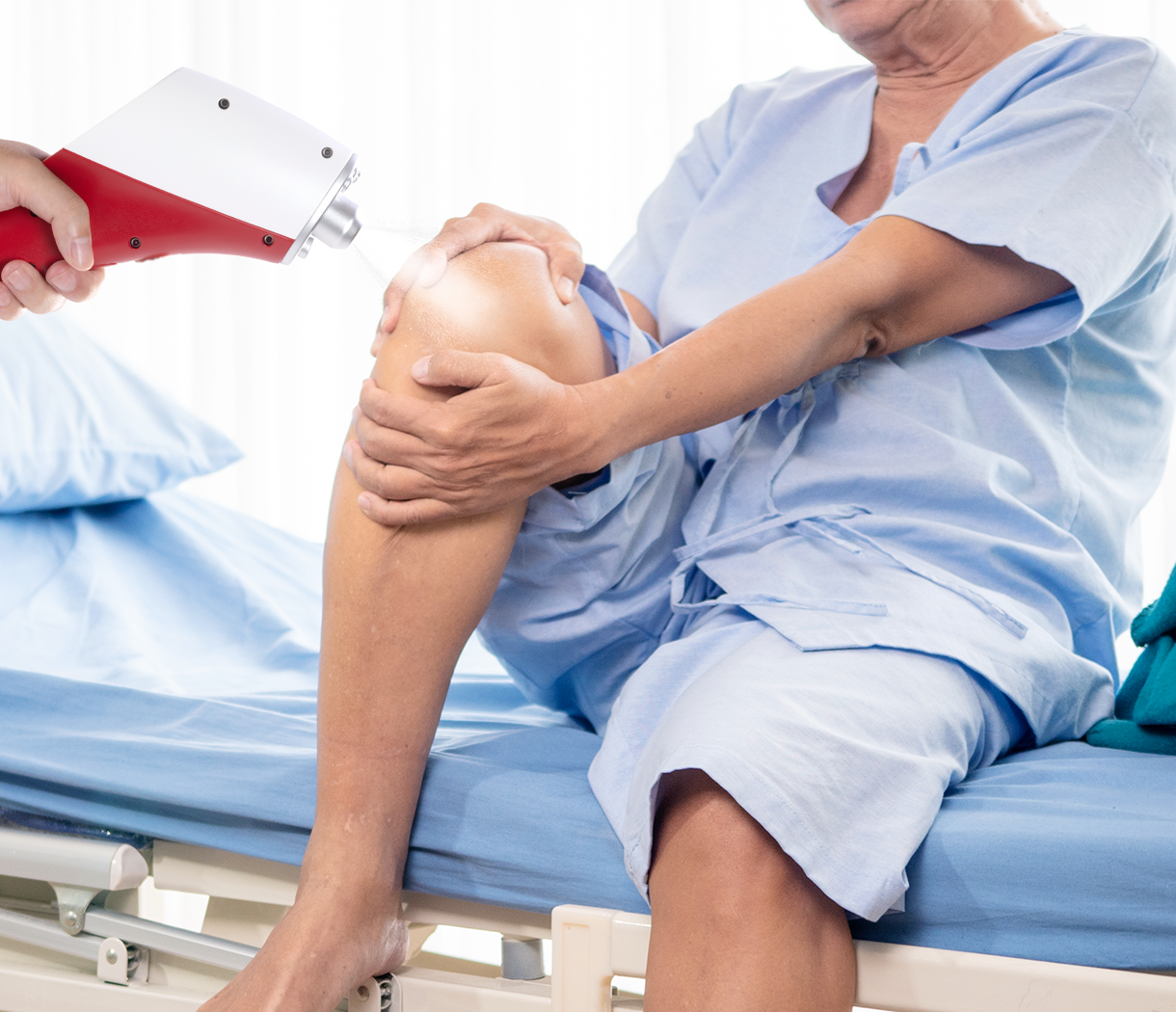
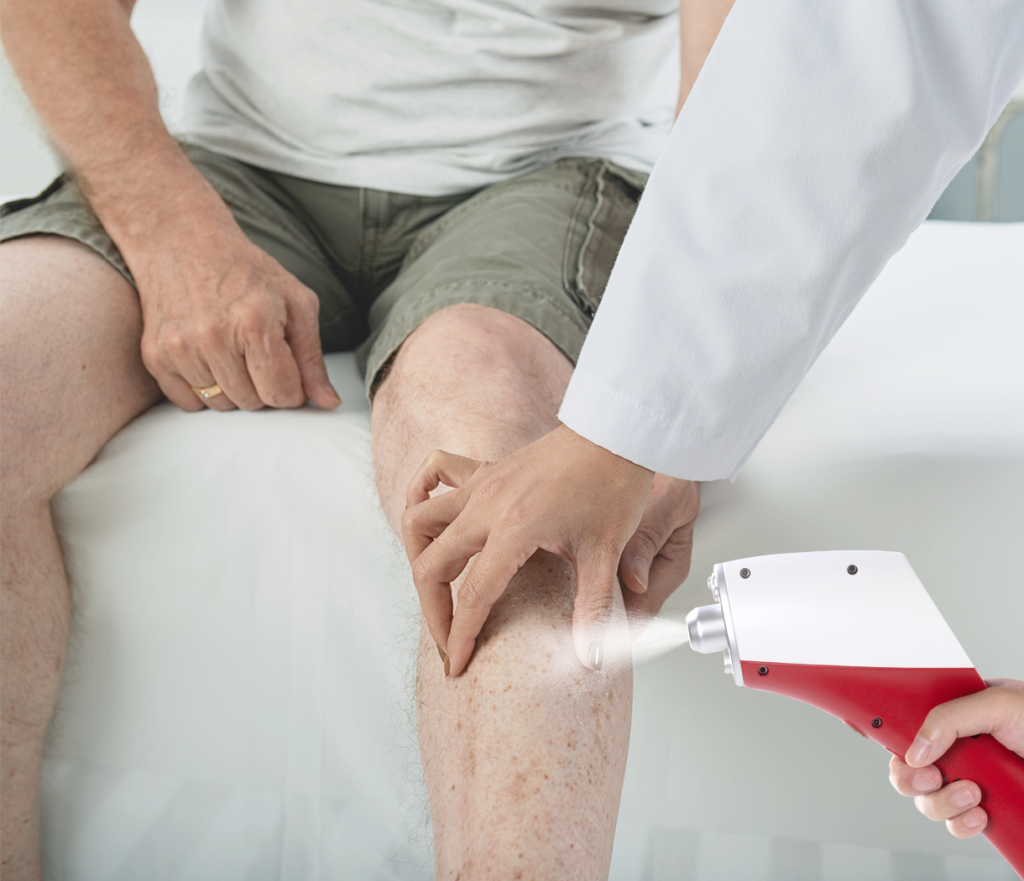
CO2 cryotherapy, also known as carbon dioxide gas therapy, is a non-invasive treatment in which cold carbon dioxide gas is applied to the skin or localized tissue areas. The therapy induces vasoconstriction followed by reactive vasodilation, enhancing blood flow and cellular metabolism. Unlike whole-body cryotherapy that typically exposes the entire body to cold air, CO2 cryotherapy focuses on localized treatment, making it particularly effective for targeted musculoskeletal injuries, dermatological conditions, or aesthetic applications. Its precision and safety make it suitable for repeated use in both clinical and wellness settings.
2.2 Mechanism of CO2 Cryotherapy
The physiological effects of CO2 cryotherapy begin with rapid cooling of the superficial tissue layers, causing arteriolar constriction and a temporary reduction in local blood flow. Upon cessation, reactive hyperemia occurs, promoting oxygen delivery and nutrient transport to the area. At a cellular level, CO2 exposure triggers cellular signaling pathways that reduce inflammatory mediators such as cytokines while enhancing the activity of fibroblasts and endothelial cells. Additionally, the cold-induced analgesic effect temporarily reduces nociceptive signaling, offering immediate pain relief.
3. Duration of Effects: How Long Does CO2 Cryotherapy Last?
Understanding the duration of benefits is critical for planning treatment schedules and achieving consistent results. Effects can be immediate, short-term, or long-term.
3.1 Immediate Physiological Effects
Immediately after a CO2 cryotherapy session, patients often report reduced pain, decreased inflammation, and a warming sensation caused by increased blood flow. The vasoconstriction and subsequent vasodilation can persist for several minutes to an hour, depending on tissue thickness and treatment intensity. Neuromodulatory effects, such as decreased sensitivity of nociceptors and temporary inhibition of pain signaling pathways, provide relief that can last hours. These immediate physiological responses are particularly beneficial for post-exercise recovery or acute injury management.
3.2 Short-Term Benefits
Short-term benefits of CO2 cryotherapy generally last between 24 to 72 hours. Muscle soreness is alleviated, localized edema may decrease, and joint stiffness can temporarily improve. The therapy enhances microcirculation, which accelerates the removal of metabolic byproducts such as lactic acid, further contributing to recovery. Many athletes and patients notice improved range of motion and reduced discomfort during this period, making CO2 cryotherapy an effective adjunct to physical therapy or rehabilitation programs.
3.3 Long-Term Effects
Long-term effects of CO2 cryotherapy, including improved skin elasticity, collagen stimulation, and chronic pain reduction, may persist for weeks to months, depending on the frequency of sessions. Repeated treatments encourage angiogenesis, fibroblast proliferation, and tissue remodeling, which enhance structural integrity and function over time. In dermatological applications, repeated exposure stimulates collagen and elastin synthesis, leading to firmer and more resilient skin. Patients with chronic musculoskeletal issues may benefit from monthly maintenance sessions to sustain these long-term outcomes. https://www.localcryotherapy.com/cryotherapy-machine-product-list/cryotherapy-machine-for-human
4. Factors Affecting CO2 Cryotherapy Duration
The longevity of therapeutic benefits depends on multiple factors, including treatment parameters, individual physiology, and lifestyle habits.
4.1 Treatment Temperature and Duration
The intensity and duration of CO2 application directly influence how long effects last. Higher cold intensity and longer exposure times induce stronger vasoconstriction, deeper tissue penetration, and more pronounced analgesia. However, excessively long sessions may cause skin irritation. Clinicians typically calibrate treatment parameters based on the target tissue depth, desired therapeutic effect, and patient tolerance, ensuring optimal balance between efficacy and comfort.
4.2 Individual Physiological Differences
Patient-specific factors, including skin thickness, blood circulation, age, metabolic rate, and baseline tissue health, can impact the duration of cryotherapy benefits. Individuals with robust microvascular networks may experience longer-lasting effects due to sustained improved oxygenation, whereas those with poor circulation might see shorter relief periods. Understanding these differences allows practitioners to personalize treatment schedules effectively.
4.3 Frequency of Sessions
The cumulative effect of multiple CO2 cryotherapy sessions significantly prolongs benefits. While a single session may provide temporary relief, a series of treatments spaced over days or weeks enhances tissue regeneration and functional recovery. For chronic conditions or aesthetic goals, scheduled maintenance sessions can extend results for months, whereas sporadic treatments yield shorter-term improvements.
5. Clinical Applications and Benefits
CO2 cryotherapy is versatile, offering benefits in both medical and aesthetic contexts. Understanding the scope of its applications helps determine the expected duration of effects.
5.1 Pain Relief and Muscle Recovery
CO2 cryotherapy effectively alleviates musculoskeletal pain, reduces post-exercise soreness, and accelerates recovery after intense workouts. By decreasing inflammation and increasing local oxygenation, muscles repair more efficiently. Athletes often incorporate CO2 therapy immediately after training sessions to maximize recovery, experiencing enhanced performance and reduced fatigue over subsequent days. This short-term relief can be critical for maintaining training consistency.
5.2 Skin Rejuvenation and Aesthetic Benefits
In dermatology, CO2 cryotherapy stimulates collagen and elastin production, improving skin tone, texture, and firmness. Patients typically notice skin tightening within days, with cumulative improvements over several weeks. Long-term results are enhanced by multiple sessions combined with proper skincare and sun protection. This makes CO2 cryotherapy a popular non-invasive alternative to traditional aesthetic procedures, offering both immediate refreshment and prolonged rejuvenation.
5.3 Comparison With Other Cryotherapy Methods
Compared to whole-body cryotherapy and traditional ice baths, CO2 cryotherapy offers more localized, controlled cooling, reducing systemic stress while targeting specific tissues. Unlike ice packs, which cool only the skin surface, CO2 can penetrate deeper layers, promoting microcirculatory improvements and tissue regeneration. The controlled delivery also allows clinicians to optimize treatment duration and intensity, directly affecting how long the benefits last.
6. Safety Considerations and Side Effects
While CO2 cryotherapy is generally safe, awareness of potential risks and contraindications ensures effective and responsible use.
6.1 Common Side Effects
Most patients experience minimal side effects, such as temporary redness, mild tingling, or slight numbness at the treatment site. These effects usually resolve within hours and indicate active physiological response. In rare cases, patients with sensitive skin may experience temporary irritation, which can be mitigated with proper session planning and post-treatment care.
6.2 Contraindications
CO2 cryotherapy is not recommended for individuals with cardiovascular instability, severe peripheral vascular disease, or open wounds in the treatment area. Pregnant individuals and patients with certain respiratory conditions should consult a physician before undergoing therapy. Adhering to these contraindications prevents complications and ensures patient safety.
6.3 Tips for Safe Use
To maximize safety, treatments should be administered by trained professionals who monitor exposure time, gas pressure, and tissue response. Pre-treatment assessment of medical history, skin condition, and vascular health is essential. Post-treatment care, including hydration and avoiding excessive heat or friction, helps maintain therapeutic effects and reduces the likelihood of adverse reactions.
7. Maximizing the Duration of CO2 Cryotherapy Benefits
Strategically combining treatments with complementary therapies and lifestyle practices can extend the benefits of CO2 cryotherapy.
7.1 Optimal Treatment Frequency
Regularly scheduled sessions spaced according to tissue recovery cycles optimize both short-term and long-term effects. For muscle recovery, sessions may occur two to three times per week, whereas aesthetic skin rejuvenation often benefits from weekly or biweekly treatments. Proper scheduling allows cumulative biological effects to strengthen tissue structure and prolong therapeutic outcomes.
7.2 Complementary Therapies
Pairing CO2 cryotherapy with massage, stretching, physiotherapy, and topical skincare enhances outcomes. Improved circulation and reduced inflammation from cryotherapy complement mechanical therapies that promote flexibility and tissue remodeling. For skin applications, using collagen-stimulating creams post-treatment can further enhance results and extend visible improvements.
7.3 Lifestyle and Recovery Factors
Adequate sleep, proper nutrition, hydration, and consistent exercise support the body’s natural repair processes, reinforcing the benefits of CO2 cryotherapy. Lifestyle habits influence tissue responsiveness, microvascular health, and collagen synthesis, all of which impact the duration of effects. Combining professional treatment with healthy habits maximizes both short-term relief and long-term functional improvements.
8. Conclusion
CO2 cryotherapy offers a versatile and non-invasive solution for pain management, muscle recovery, and skin rejuvenation. Its immediate effects, including reduced pain and improved circulation, can last several hours, while short-term benefits may persist for days. Long-term effects, enhanced through repeated sessions, can last weeks to months, particularly for chronic conditions or aesthetic applications. The duration of benefits depends on treatment parameters, individual physiology, session frequency, and complementary lifestyle practices. By following evidence-based protocols, CO2 cryotherapy provides safe, effective, and sustained therapeutic outcomes.
9. References
American Cryotherapy Association – CO2 Therapy Overview
(https://www.americancryotherapy.org)
Journal of Clinical & Aesthetic Dermatology – Cryotherapy Effects on Skin and Muscle Recovery
(https://www.ncbi.nlm.nih.gov/journals/clin-aesth-dermatol)
Cryotherapy Innovations – CO2 Therapy Applications
(https://www.cryo-innovations.com)
Mayo Clinic – Cold Therapy Guidelines