소개
Water sports provide an enjoyable way to stay active while connecting with outdoor environments, but activities such as surfing, paddleboarding, kayaking, and wakeboarding also require repeated movement, balance control, and full-body coordination. Spending extended time on the water may place temporary physical demands on areas such as the shoulders, arms, back, hips, and legs. CO₂ cryotherapy, also known as localized carbon dioxide cryotherapy, has become a recovery option that some active individuals explore after water-based activities. By applying controlled cooling to specific body areas, localized CO₂ cryotherapy can be included in a broader wellness routine designed to support comfort and relaxation after physically demanding outdoor activities.
1. Understanding the Physical Demands of Water Sports Activities
1.1 Why Water Sports Can Create Temporary Muscle Fatigue
Water sports require continuous adjustments between movement, balance, and body control. Unlike many land-based activities, water environments create changing conditions that require participants to constantly respond to waves, water resistance, and body positioning.
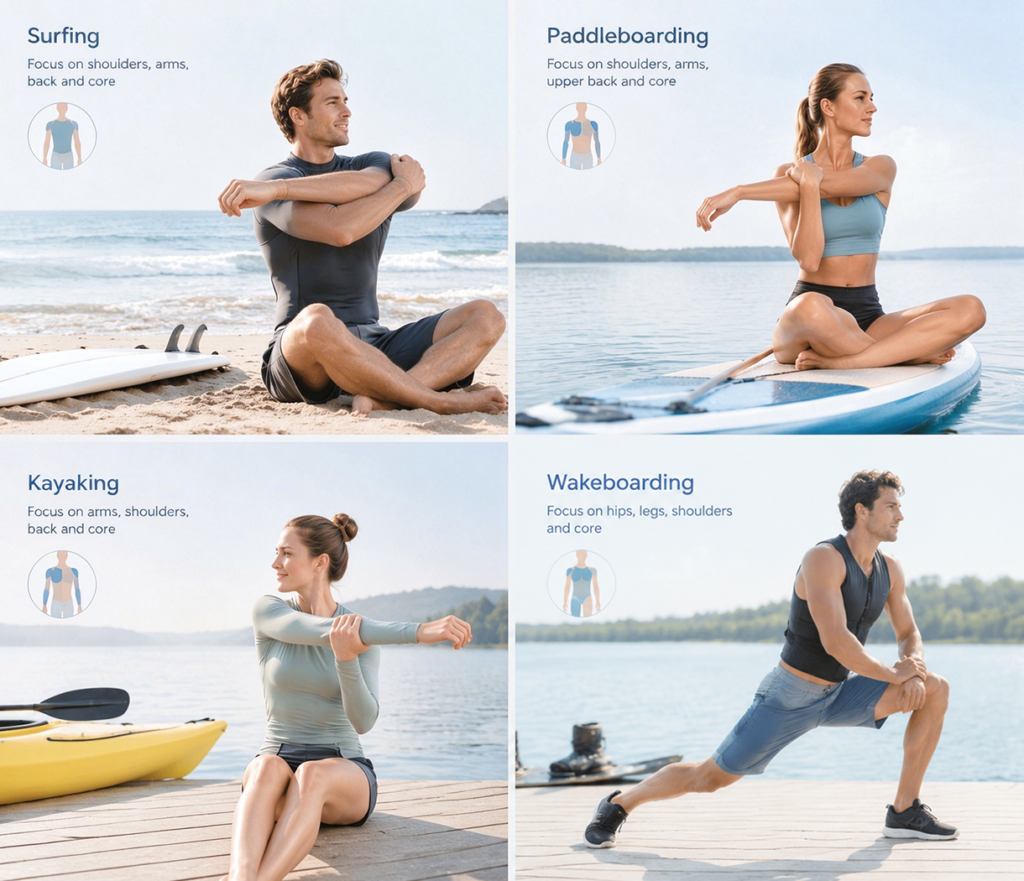
Surfing, paddleboarding, kayaking, and wakeboarding each involve unique movement patterns. Repeated paddling may require consistent upper-body engagement, while maintaining balance on a board may involve continuous activation of the core and lower-body muscles.
After spending several hours participating in water activities, some individuals may experience temporary muscle tiredness or stiffness due to repeated movements and prolonged physical effort. Developing a suitable recovery routine can help support overall comfort after these outdoor activities.
1.2 Common Areas People Focus on After Water Activities
Different water sports place different demands on the body. Surfers often rely heavily on paddling movements and balance control, while paddleboarders and kayakers may focus more on repeated arm and shoulder movements.
Wakeboarding involves dynamic movements that require coordination between the upper and lower body. The hips, legs, shoulders, and core may all contribute to maintaining stability during activity.
Because each water sport creates different physical demands, many people prefer recovery approaches that allow them to focus on specific areas based on their own activity experience and comfort needs.
2. Understanding CO₂ Cryotherapy for Water Sports Recovery
2.1 What Is Localized CO₂ Cryotherapy?
Localized CO₂ cryotherapy is a cold-based recovery approach that uses carbon dioxide to provide targeted cooling to selected areas of the body. Instead of applying cold exposure to the entire body, this method focuses on specific regions chosen according to individual preferences.
The controlled cooling process may influence the body’s natural response to cold exposure. Many people explore localized cryotherapy because it can be incorporated into personalized wellness routines alongside other healthy habits.
Cold-based recovery methods have been used in sports and wellness environments for years, with ongoing interest in how targeted cooling can support physical comfort after different activities.
2.2 Why Targeted Cooling Fits Water Sports Recovery
Water sports often create localized physical demands rather than identical stress throughout the entire body. For example, a surfer may focus on areas involved in paddling, while a kayaker may pay more attention to areas used during repeated rowing movements.
Localized CO₂ cryotherapy allows individuals to focus on specific body areas after their activities. This targeted approach makes it different from general relaxation methods because it can be adapted according to personal routines and activity patterns.
When combined with proper rest, hydration, mobility exercises, and healthy lifestyle habits, localized cooling can become part of a complete recovery plan for water sports enthusiasts.
3. CO₂ Cryotherapy Applications After Different Water Sports
3.1 CO₂ Cryotherapy After Surfing Sessions
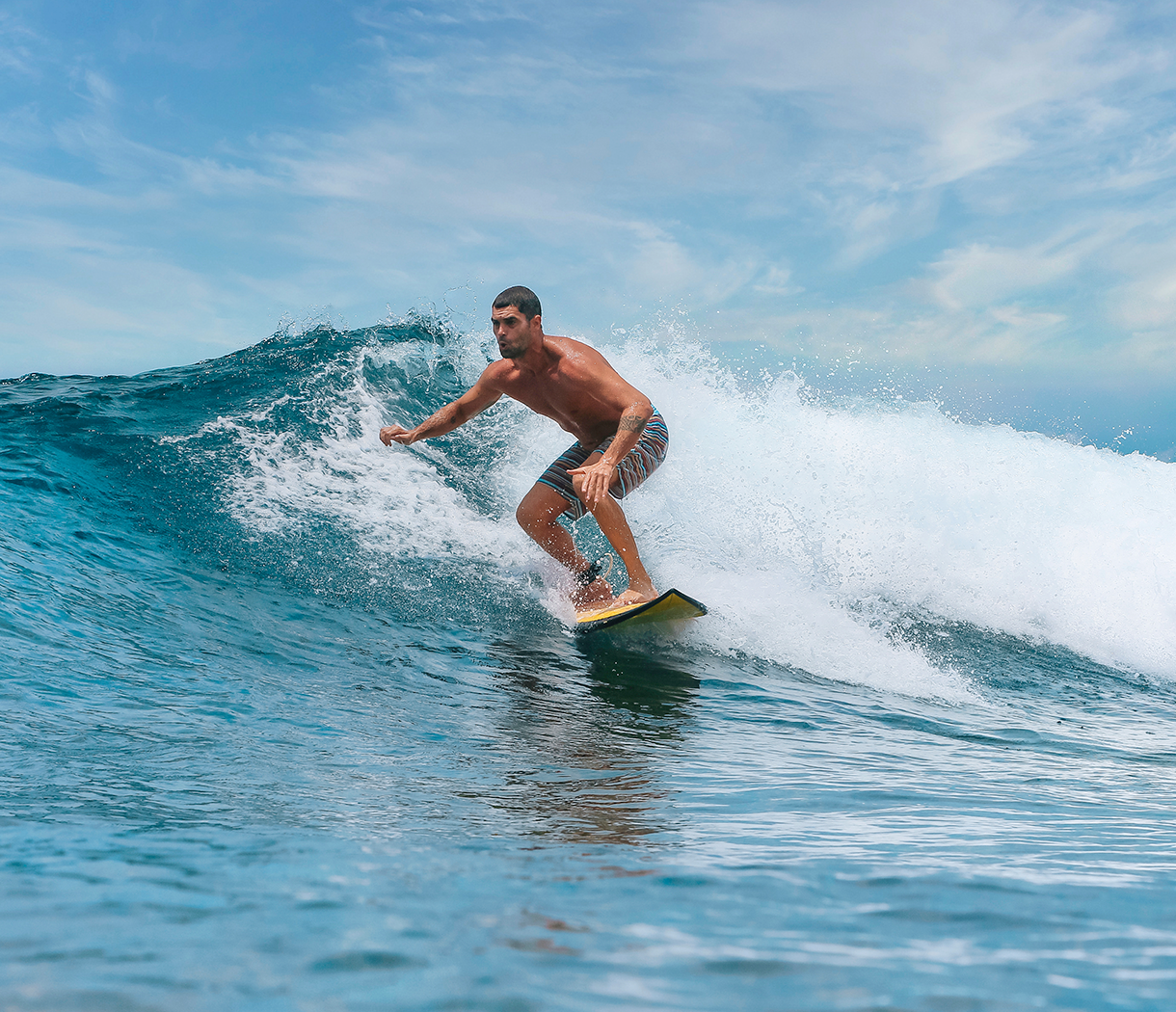
Surfing combines paddling, balance control, and repeated body movements to navigate changing water conditions. Even recreational surfing sessions may involve continuous upper-body activity and prolonged time maintaining specific positions.
After surfing, some individuals may create recovery routines that focus on areas involved in paddling and balance activities. Localized CO₂ cryotherapy can be considered as one option within these routines to support overall body comfort.
For surfers who regularly spend time in the water, maintaining consistent recovery habits can help them stay prepared for future activities.
3.2 CO₂ Cryotherapy After Paddleboarding Sessions
Paddleboarding has become a popular outdoor activity because it combines balance, coordination, and full-body movement. While it may appear less intense than some competitive water sports, longer paddleboarding sessions can involve repeated paddling motions and continuous body stabilization.
The shoulders, arms, upper back, and core areas often contribute to paddle control and balance maintenance. After extended time on the water, some individuals may include localized CO₂ cryotherapy as part of their personal recovery routine to support comfort in areas involved during activity.
For recreational and experienced paddleboarders, creating a consistent recovery approach can help maintain an active lifestyle and improve overall preparation for future sessions.
3.3 CO₂ Cryotherapy After Kayaking and Wakeboarding
Kayaking requires repeated paddle movements and steady upper-body coordination, while wakeboarding involves dynamic changes in body position, balance control, and lower-body engagement. Although these activities differ, both require continuous physical adjustment throughout the session.
After kayaking, individuals may focus on areas related to repeated paddling movements, while wakeboarders may pay attention to areas involved in maintaining balance and controlling movement.
Localized CO₂ cryotherapy can be incorporated into post-activity wellness routines for people who participate in these water sports. By focusing on selected areas, it provides a personalized option that fits different activity styles and recovery preferences.
4. Building a Water Sports Recovery Routine With CO₂ Cryotherapy
4.1 Combining CO₂ Cryotherapy With Hydration and Mobility
Water sports often take place outdoors, where factors such as sun exposure, temperature changes, and extended activity time can influence how the body feels afterward. Supporting recovery involves more than one approach, and healthy habits remain an important part of maintaining comfort.
Hydration, proper nutrition, light movement, stretching, and adequate rest can all contribute to a balanced recovery routine. Localized CO₂ cryotherapy can complement these habits by providing a targeted cooling option for specific areas after water activities.
A complete recovery routine focuses on understanding personal needs and choosing methods that fit individual activity levels and lifestyle preferences.
4.2 Choosing Recovery Approaches Based on Water Activity Intensity
Not every water activity creates the same physical demands. A short recreational paddleboarding session may require a different recovery approach compared with several hours of surfing, kayaking, or wakeboarding.
Factors such as activity duration, movement patterns, and personal fitness levels can influence which areas people choose to focus on after water sports. Some individuals may prefer targeted cooling after longer sessions, while others may include it as part of a regular wellness routine.
Understanding how different activities affect the body allows people to develop recovery habits that better match their outdoor lifestyle.
5. Why CO₂ Cryotherapy Is Gaining Attention Among Water Sports Enthusiasts
5.1 The Growth of Personalized Recovery Methods
Modern wellness trends increasingly emphasize personalized recovery strategies. Instead of using the same approach for every situation, many active individuals prefer methods that match their specific activities and lifestyle needs.
Water sports enthusiasts often participate in different activities throughout the year, from surfing during warmer seasons to kayaking and paddleboarding during outdoor trips. This variety creates interest in flexible recovery options that can adapt to different situations.
Localized CO₂ cryotherapy represents one approach that aligns with this personalized wellness trend by allowing attention to specific body areas based on individual preferences.
5.2 Supporting Active Outdoor Lifestyles With Recovery Planning
Maintaining an active outdoor lifestyle requires more than participating in activities. Recovery planning can help people stay aware of their physical condition and prepare for future adventures.
For water sports participants, recovery routines may include mobility work, rest days, hydration strategies, and other wellness practices. Localized CO₂ cryotherapy can be included as one component of these routines for individuals interested in targeted cooling methods.
By combining different healthy habits, water sports enthusiasts can create a balanced approach that supports long-term participation in activities they enjoy.
자주 묻는 질문
What is CO₂ cryotherapy?
CO₂ cryotherapy is a localized cooling method that uses carbon dioxide to provide targeted cold exposure to specific body areas.
Can CO₂ cryotherapy be used after surfing?
Many people include localized CO₂ cryotherapy in their post-surfing wellness routines to support comfort after physically demanding sessions.
Is CO₂ cryotherapy suitable after paddleboarding?
Paddleboarders may consider localized CO₂ cryotherapy as part of their recovery habits after longer sessions involving repeated paddling and balance control.
Which areas are commonly focused on after water sports?
Common areas include the shoulders, arms, back, hips, and legs, depending on the type of water activity performed.
Is CO₂ cryotherapy only for professional athletes?
No. Localized CO₂ cryotherapy can also be explored by recreational athletes and active individuals who participate in outdoor activities.
결론
Surfing, paddleboarding, kayaking, and wakeboarding provide enjoyable ways to stay active while challenging different areas of the body through balance, coordination, and repeated movement. After spending extended time on the water, many individuals look for recovery routines that fit their personal activity levels and lifestyle. CO₂ cryotherapy offers a localized cooling approach that can be included alongside hydration, stretching, rest, and other healthy habits. As interest in personalized wellness continues to grow, localized CO₂ cryotherapy provides another option for people who want to support comfort after their favorite water-based activities.
참조
Cryotherapy in Sports Medicine: A Review of the Effects of Cold Application on Recovery
https://www.ncbi.nlm.nih.gov/pmc/articles/PMC4045952
Cold Exposure and Human Health: From Physiology to Therapeutic Applications
https://www.ncbi.nlm.nih.gov/pmc/articles/PMC6470377
Cryotherapy: Mechanisms and Applications in Rehabilitation and Recovery
https://www.physio-pedia.com/Cryotherapy
Effects of Local Cryotherapy on Recovery and Physical Performance
https://pubmed.ncbi.nlm.nih.gov
Local Cryotherapy: Targeted Cold Application for Recovery and Wellness