Introduzione
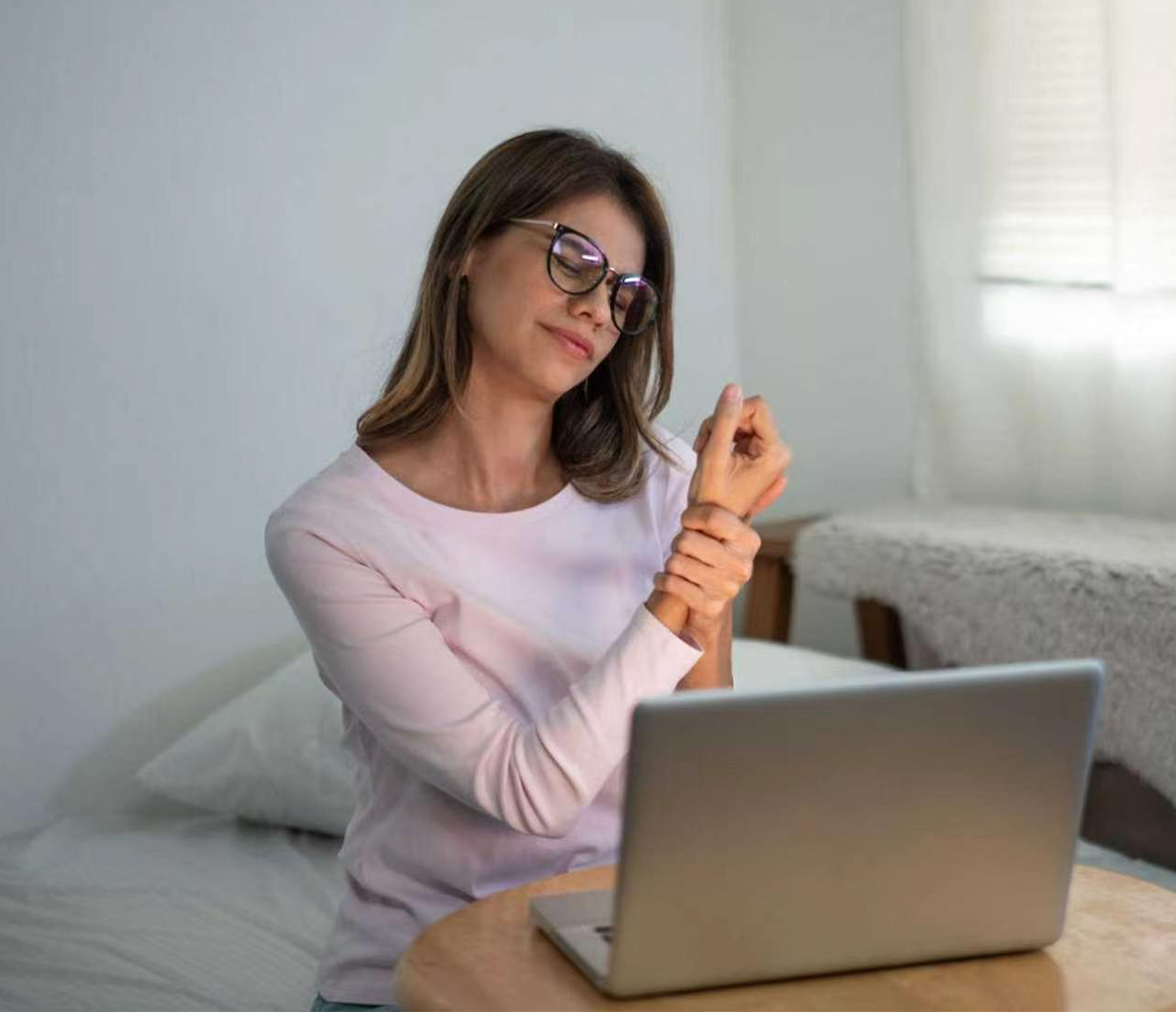
From typing on a keyboard and using a mouse to assembling products, sewing, and operating hand tools, many everyday activities require repetitive hand and wrist movements. Over time, frequent repetition, forceful gripping, and awkward wrist positions may contribute to fatigue and localized discomfort. CO₂ cryotherapy offers a targeted cooling approach that may be considered as part of a broader hand-care routine. This article explores how repetitive hand use can affect comfort, how localized CO₂ cooling works, and how it may complement ergonomic adjustments and other practical strategies. It also examines the features of the human-use CO₂ cryotherapy device listed on the LocalCryotherapy website, while distinguishing product specifications from established clinical evidence.
1. Understanding Hand and Wrist Discomfort From Repetitive Activities
1.1 How Repetitive Hand Movements Affect Comfort
The hands and wrists rely on muscles, tendons, ligaments, nerves, and joints to support typing, gripping, pinching, and other precise movements. Repeating the same actions for extended periods, especially with excessive force or awkward positioning, can place cumulative stress on these structures.
Computer users, assembly-line workers, mechanics, hairdressers, and craft enthusiasts may all experience discomfort associated with repetitive tasks. The risk depends on factors such as task intensity, posture, duration, and recovery time—not simply how often someone uses their hands.
1.2 Common Signs of Hand and Wrist Overuse
Common symptoms include aching around the wrist, finger stiffness, reduced grip comfort, and fatigue after prolonged activity. These symptoms can have different causes, including tendon irritation, nerve compression, joint conditions, or general muscular fatigue.
Persistent pain, tingling, numbness, swelling, or weakness should not automatically be attributed to ordinary overuse. If symptoms continue, worsen, or interfere with daily activities, a healthcare professional can help identify the cause.
2. CO₂ Cryotherapy for Hand and Wrist Discomfort: How It Works
2.1 What Is Localized CO₂ Cryotherapy?
Localized CO₂ cryotherapy uses pressurized carbon dioxide gas to deliver cooling to a selected area. The human-use device featured on the LocalCryotherapy website lists a gas temperature of approximately −78°C and includes features such as red-light targeting and temperature monitoring.
Unlike a conventional cold pack, the device delivers a directed stream of cold gas. Its suitability for hand or wrist applications depends on the device’s intended use, operating instructions, and appropriate safety precautions. For product specifications, visit the LocalCryotherapy CO₂ Cryotherapy Machine for Humans.
2.2 How Cooling May Affect Localized Discomfort
Cold exposure can temporarily change sensory nerve activity and reduce the sensation of discomfort in some circumstances. However, temporary symptom relief does not necessarily mean that the underlying tissue problem has healed.
There is insufficient condition-specific evidence to establish CO₂ cryotherapy as a proven treatment for repetitive-use-related hand and wrist disorders. If discomfort is caused by excessive repetition, awkward posture, or an underlying medical condition, cooling alone will not address the original cause.
2.3 Understanding the Device’s Targeting and Monitoring Features
The LocalCryotherapy product page describes red-light targeting to help identify the application area and temperature monitoring to display cooling levels. These features provide information about the application process but do not guarantee treatment effectiveness or eliminate the risk of cold injury.
The stated gas temperature should not be interpreted as the recommended skin temperature or proof of clinical benefit. Correct operation, appropriate training, and compliance with the manufacturer’s instructions remain essential.
3. CO₂ Cryotherapy vs. Traditional Cold Therapy
3.1 Key Differences in Cooling Methods
Traditional cold packs provide cooling through direct contact, usually with a protective layer between the pack and skin. CO₂ cryotherapy instead uses a directed stream of pressurized gas, allowing cooling to be applied to a selected area.
These methods differ in delivery and equipment requirements, but there is insufficient evidence to conclude that CO₂ cryotherapy is more effective than an ice pack for repetitive-use-related hand or wrist discomfort.
3.2 Why Targeted Cooling Requires Care
The hands contain delicate structures close to the skin, making careful application especially important. Exposure time, application distance, and technique should follow the instructions for the specific device rather than being improvised.
People with impaired circulation, reduced sensation, cold hypersensitivity, or damaged skin should seek professional guidance before considering intense local cooling. Unexpected pain or concerning skin changes are reasons to stop the application and seek appropriate advice.
4. Practical Ways to Reduce Stress From Repetitive Hand Use
4.1 Improve Workstation and Tool Ergonomics
For computer users, positioning the keyboard and mouse within easy reach and keeping the wrists relatively straight may help reduce unnecessary strain. For manual tasks, comfortable tool handles, reduced gripping force, and keeping frequently used materials within easy reach can also help.
The goal is to limit excessive force, awkward positioning, and prolonged static postures. No single workstation arrangement can prevent every overuse problem, so adjustments should reflect the task and the individual’s needs.
4.2 Take Breaks and Vary Tasks
Where practical, alternate repetitive tasks with activities that use different movements, and take brief breaks to relax the hands and change position. The appropriate frequency depends on the workload and the individual’s response.
If discomfort repeatedly returns during the same activity, breaks alone may not be enough. The task, equipment, or amount of force required may also need to be adjusted.
4.3 Know When to Seek Professional Advice
Seek medical advice if hand or wrist discomfort persists, worsens, affects sleep, or interferes with everyday activities. Tingling, numbness, weakness, swelling, or reduced movement may indicate a condition that requires assessment.
Sudden severe pain, a significant injury, or a hand that becomes unusually pale, blue, cold, or weak warrants prompt medical attention.

5. Integrating CO₂ Cryotherapy Into a Broader Hand-Care Plan
5.1 Consider the Cause Before Choosing a Cooling Method
Hand discomfort may result from general fatigue, tendon irritation, nerve compression, joint disease, or an injury. Understanding the likely cause helps determine whether localized cooling is appropriate or whether another approach is needed.
The LocalCryotherapy human-use device offers targeted CO₂ delivery with red-light targeting and temperature monitoring. These are product features, not proof that the device can prevent repetitive strain injuries or treat a specific hand condition.
5.2 Combine Comfort Measures With Activity Changes
A balanced approach may include ergonomic improvements, task variation, recovery breaks, and professional care when necessary. If localized cooling is appropriate, it should be considered a supplementary option rather than a replacement for addressing the source of discomfort.
A temporary reduction in symptoms does not necessarily mean the hand is ready to resume the same repetitive workload. Persistent symptoms should be evaluated instead of repeatedly managed with cooling alone.
5.3 Prioritize Safety and Realistic Expectations
CO₂ cryotherapy involves extremely cold gas and must be applied according to the specific device’s instructions. Avoid improvising exposure times or application techniques, and seek professional guidance if you have a condition that may increase sensitivity to cold.
The potential role of localized cooling should be judged in light of the available evidence, the device’s intended use, and individual safety considerations.
Frequently Asked Questions
Can CO₂ cryotherapy help with hand and wrist discomfort?
It may provide temporary comfort in some circumstances, but evidence specific to repetitive-use-related hand and wrist disorders remains limited.
Is CO₂ cryotherapy the same as whole-body cryotherapy?
No. Localized CO₂ cryotherapy directs cold gas toward a selected area, while whole-body cryotherapy exposes a much larger portion of the body to a cold environment.
Can CO₂ cryotherapy prevent repetitive strain injuries?
There is insufficient evidence to support this claim. Ergonomic adjustments, task variation, and appropriate breaks remain important preventive measures.
Is CO₂ cryotherapy better than an ice pack?
Current evidence does not establish that it is superior to a traditional cold pack for repetitive-use-related wrist discomfort.
Who should be cautious about localized CO₂ cooling?
People with impaired circulation, reduced sensation, cold hypersensitivity, or damaged skin should seek professional guidance before using intense local cooling.
When should I seek medical advice for hand or wrist pain?
Seek an assessment if symptoms persist, worsen, or affect daily activities, particularly if you experience numbness, tingling, weakness, or swelling.
Conclusione
Repetitive hand use is common in many occupations and everyday activities, but frequent movements, forceful gripping, and awkward wrist positions can contribute to discomfort. CO₂ cryotherapy offers a localized cooling method, and the human-use device featured on the LocalCryotherapy website includes red-light targeting and temperature-monitoring features. However, these specifications do not establish that the device can prevent repetitive strain injuries or treat the underlying causes of hand and wrist pain. A balanced approach combines ergonomic adjustments, task variation, adequate recovery time, and professional assessment when symptoms persist, with localized cooling considered only when appropriate and used safely.
Riferimenti
- Occupational Safety and Health Administration (OSHA). Computer Workstations: Work Process and Recognition.
https://www.osha.gov/etools/computer-workstations/work-process - Occupational Safety and Health Administration (OSHA). Computer Workstations: Additional Information.
https://www.osha.gov/etools/computer-workstations/additional-information - Occupational Safety and Health Administration (OSHA). Computer Workstations: Workstation Components — Keyboards.
https://www.osha.gov/etools/computer-workstations/components/keyboards - National Institute for Occupational Safety and Health (NIOSH). Ergonomics and Musculoskeletal Disorders.
https://www.cdc.gov/niosh/ergonomics/ - LocalCryotherapy. CO₂ Cryotherapy Machine for Humans.
https://www.localcryotherapy.com/cryotherapy-machine-product-list/cryotherapy-machine-for-human