Introduzione
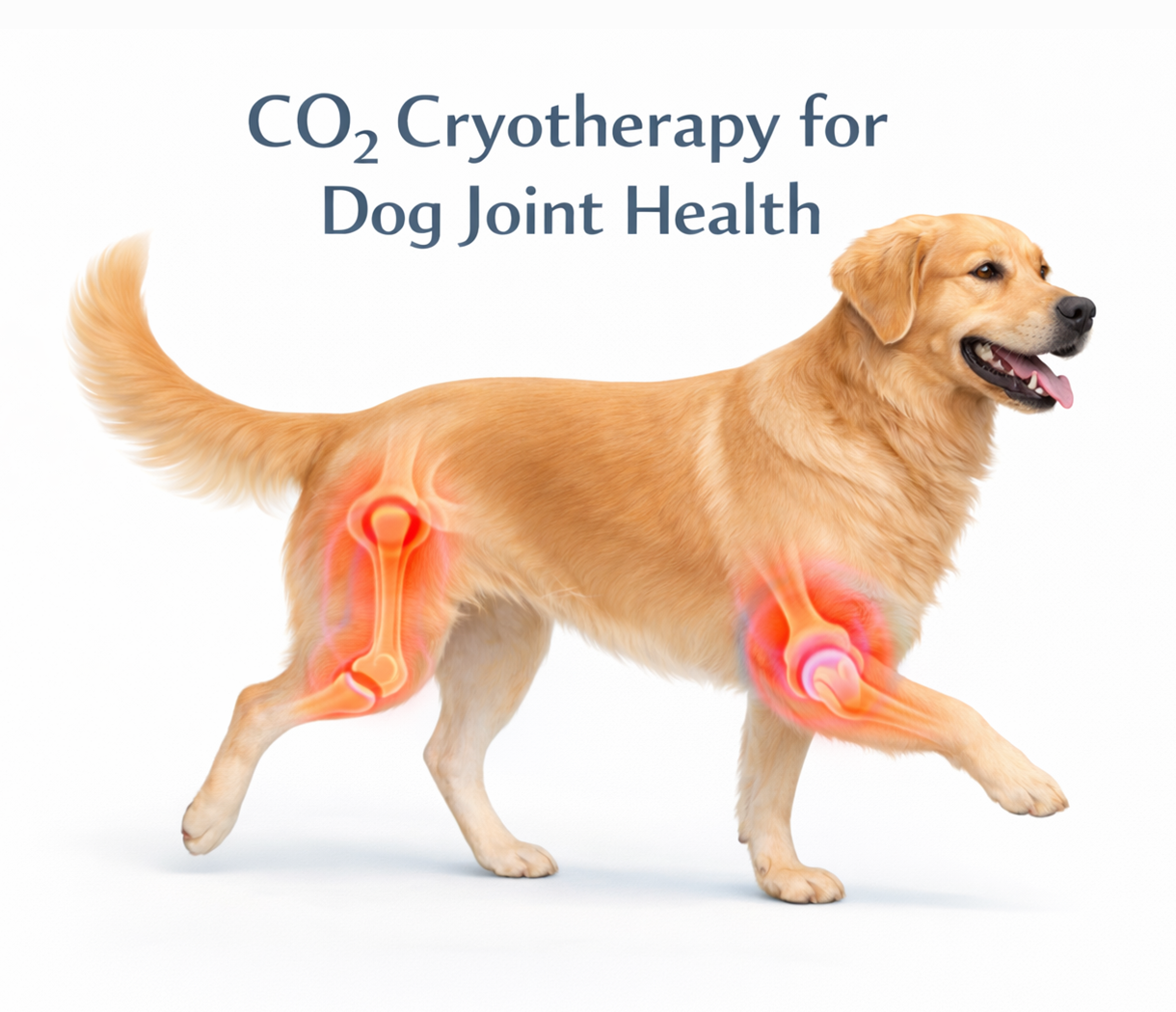
Arthritis is one of the most prevalent chronic conditions affecting dogs, particularly older and large-breed dogs. This degenerative joint disease leads to pain, stiffness, decreased mobility, and a reduction in overall quality of life. Traditional treatment options have primarily focused on symptom management using non-steroidal anti-inflammatory drugs (NSAIDs), joint supplements, and in severe cases, surgical intervention. While these approaches can alleviate pain, they often do not prevent progressive joint degeneration or address underlying cellular dysfunction. In recent years, Crioterapia CO₂ has emerged as a promising non-invasive therapy in veterinary medicine. This technique uses controlled carbon dioxide gas exposure to deliver localized cold therapy, reducing inflammation and promoting tissue repair. Although this therapy is increasingly used for pain management, pet owners are often concerned about its safety and potential side effects.
This article provides an in-depth analysis of CO₂ cryotherapy for arthritic dogs, exploring how it works, its safety profile, and its potential benefits as part of a comprehensive joint health strategy.
1. Understanding CO₂ Cryotherapy
Before evaluating safety, it is crucial to understand the therapy itself and its mechanism of action. CO₂ cryotherapy is not just a cold spray—it involves precise temperature control and therapeutic principles grounded in veterinary science.
1.1 What is CO₂ Cryotherapy?
CO₂ cryotherapy, also known as carbon dioxide cold therapy, is a treatment modality that applies controlled cold gas directly to targeted tissues. Unlike traditional cryotherapy methods such as ice packs or whole-body cryo-chambers used in humans, veterinary CO₂ cryotherapy is localized and carefully regulated to minimize the risk of tissue damage. The therapy aims to reduce inflammation, improve microcirculation, and facilitate cellular repair processes in the joints.
CO₂ cryotherapy leverages the physiological effects of cold exposure, including vasoconstriction followed by reactive vasodilation, which promotes nutrient delivery to damaged tissues. It has been increasingly used as an adjunct therapy for canine arthritis, soft tissue injuries, and post-surgical rehabilitation, offering a non-invasive and drug-free alternative for dogs sensitive to medications.
1.2 How CO₂ Cryotherapy Works on Joints
The therapeutic effect of CO₂ cryotherapy is mediated by several biological mechanisms. Cold exposure triggers vasoconstriction, reducing inflammation and fluid accumulation in the joint. Following this, reactive vasodilation increases blood flow, enhancing oxygen and nutrient delivery to the cartilage and surrounding connective tissue. On a cellular level, cryotherapy slows pro-inflammatory pathways, reducing cytokine production, and can stimulate fibroblasts and chondrocytes to support tissue repair.
This dual action—controlling inflammation while promoting regeneration—makes CO₂ cryotherapy particularly valuable in managing degenerative joint diseases. The localized cold also provides an analgesic effect by reducing nerve conduction velocity, temporarily diminishing pain perception without the need for systemic drugs.
1.3 Common Veterinary Applications
CO₂ cryotherapy has a wide range of applications in veterinary practice, particularly for dogs with musculoskeletal concerns. It is commonly employed for:
- Reducing pain and inflammation in chronic arthritis
- Supporting recovery after orthopedic surgery
- Accelerating healing in soft tissue injuries
- Enhancing joint function and mobility in athletic or working dogs
Clinicians have observed that CO₂ cryotherapy is generally well tolerated, even in older dogs, due to its non-invasive nature and controlled application. It is increasingly integrated into complementary rehabilitation protocols, often alongside laser therapy, physical therapy, and nutritional interventions.
2. Safety Considerations for Dogs
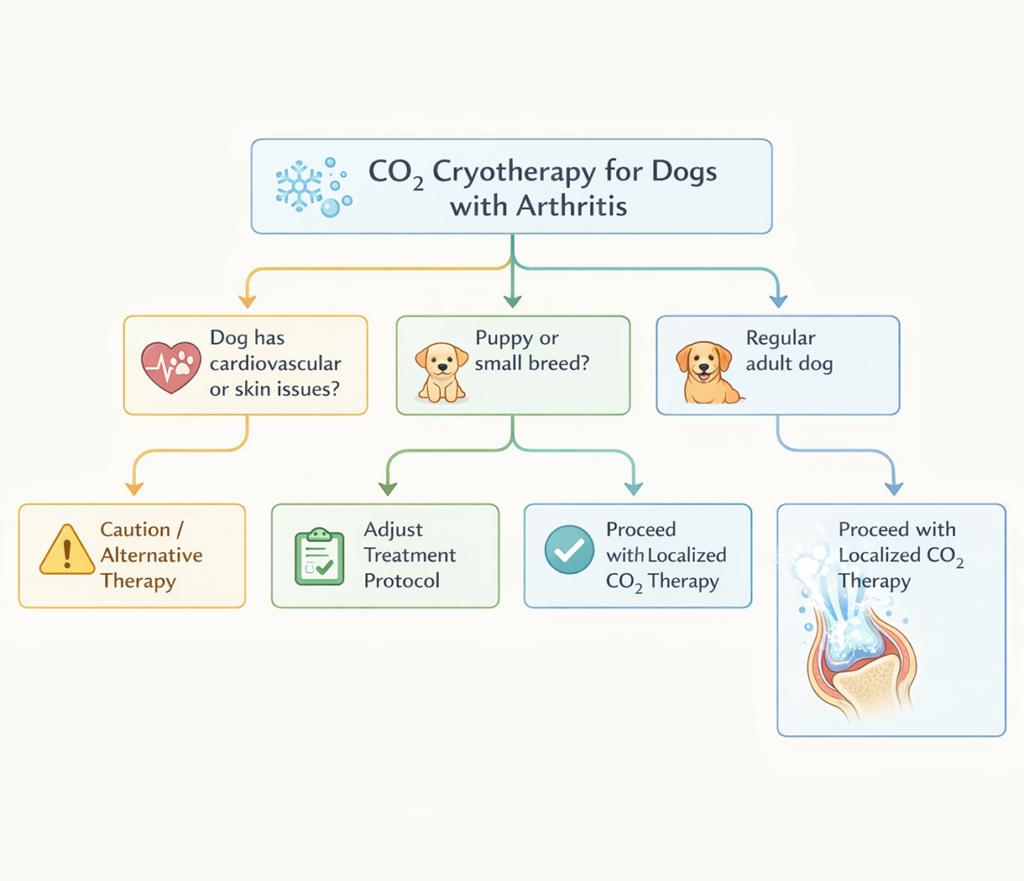
While CO₂ cryotherapy is largely considered safe, understanding the potential risks and necessary precautions is critical for pet owners.
2.1 Risks and Side Effects
Although CO₂ cryotherapy is non-invasive, improper application can lead to complications. The primary concerns include skin irritation, frostbite, or excessive vasoconstriction if exposure is too long or the gas is applied incorrectly. Mild redness, shivering, or temporary stiffness can occur, but these effects are usually transient and resolve without intervention. Additionally, dogs may experience stress or anxiety if not acclimated to the procedure. These potential side effects underscore the importance of veterinary supervision and proper equipment calibration.
2.2 Dogs Who May Need Extra Caution
Certain canine populations may require additional monitoring during cryotherapy sessions. Senior dogs with fragile skin or poor circulation, as well as dogs with cardiovascular or respiratory conditions, may be more sensitive to cold therapy. Very small or underweight dogs are at increased risk of excessive heat loss and require precise treatment adjustments. Puppies and dogs with pre-existing dermatological conditions should also be evaluated before starting therapy to ensure safety.
2.3 Veterinary Guidelines for Safe Use
Veterinarians follow strict protocols to ensure safe CO₂ cryotherapy administration. Recommended guidelines include:
- Applying therapy locally rather than systemically
- Limiting treatment duration based on size, age, and health status
- Monitoring skin color, temperature, and behavior throughout the session
- Introducing therapy gradually for dogs new to cryotherapy
Adhering to these guidelines minimizes risks while optimizing the therapeutic benefits of CO₂ cryotherapy for arthritic dogs.
3. Evidence from Research and Clinical Practice
Understanding the scientific and clinical evidence behind CO₂ cryotherapy helps assess its safety profile and therapeutic value.
3.1 Studies on CO₂ Cryotherapy in Dogs
Several veterinary studies have investigated the effects of CO₂ cryotherapy on canine arthritis and musculoskeletal injuries. Short-term studies demonstrate reduced joint swelling, decreased inflammatory markers, and improved mobility when therapy is applied correctly. Importantly, adverse effects are minimal and mostly limited to mild, temporary skin reactions. Although long-term preventative studies are limited, current research supports the therapy as a safe adjunct to conventional arthritis management.
3.2 Clinical Experience and Observations
Veterinary rehabilitation specialists report that dogs generally tolerate CO₂ therapy well. Gradual introduction, gentle application, and positive reinforcement reduce stress during treatment. Mild effects such as shivering or temporary redness are common but resolve quickly. Clinicians often observe improved range of motion and comfort after repeated sessions, indicating both safety and functional benefit when protocols are followed.
3.3 Comparing CO₂ Cryotherapy with Other Therapies
When compared to NSAIDs, laser therapy, or traditional cold packs:
- CO₂ cryotherapy is non-invasive and drug-free
- It presents minimal systemic side effects
- Its localized effect complements other therapies rather than replacing them
- Ideal for dogs intolerant to long-term medications
This comparative profile makes CO₂ cryotherapy particularly appealing for owners seeking safe, non-pharmaceutical options.
4. Preparing Your Dog for CO₂ Cryotherapy
Proper preparation is key to maximizing safety and effectiveness.
4.1 Pre-Treatment Assessment
Before initiating therapy, veterinarians conduct a comprehensive assessment, including:
- Physical evaluation of joint condition
- Imaging studies if necessary (X-rays, ultrasound)
- Assessment of cardiovascular and dermatological health
- Evaluation of stress levels or anxiety tendencies
This assessment ensures that the dog is a suitable candidate and reduces the likelihood of adverse effects during therapy.
4.2 What to Expect During a Session
During CO₂ cryotherapy:
- Each joint is treated locally for 5–10 minutes
- Controlled CO₂ gas is applied at a regulated temperature and pressure
- The veterinarian or technician monitors skin color, temperature, and behavior continuously
- Positive reinforcement or treats are often used to reduce anxiety
Dogs may experience mild cold sensation or shivering, but these effects are typically temporary and harmless.
4.3 Post-Treatment Care
After therapy:
- Check for mild redness, swelling, or temporary stiffness
- Avoid strenuous exercise for a short period
- Observe for any prolonged discomfort or abnormal behavior
- Document any reactions to refine future treatment sessions
Following these steps ensures the therapy remains safe, effective, and well-tolerated.
5. Benefits of CO₂ Cryotherapy for Arthritic Dogs
Beyond safety, understanding the benefits helps owners appreciate why cryotherapy is integrated into veterinary care.
5.1 Reducing Inflammation and Pain
CO₂ cryotherapy helps modulate inflammatory pathways in affected joints. By limiting cytokine production and fluid accumulation, it reduces swelling and discomfort, allowing dogs to move more freely and regain activity. Unlike systemic medications, offers localized relief without drug-related side effects.
5.2 Supporting Joint Function and Recovery
Improved blood flow and tissue repair mechanisms contribute to enhanced joint function. CO₂ therapy can be particularly beneficial post-surgery or following minor joint injuries, supporting cartilage health and preventing further degeneration when combined with exercise and nutritional management.
5.3 Non-Invasive, Drug-Free Option
For dogs sensitive to NSAIDs or other medications, CO₂ cryotherapy provides a safe, non-invasive alternative. When used as part of a comprehensive arthritis management plan, it complements pharmacologic treatments and rehabilitation exercises, offering holistic support for long-term joint health.
FAQ
Is CO₂ cryotherapy painful for dogs?
No, dogs typically tolerate the treatment well. Some may experience mild cold sensation or shivering, which resolves quickly.
Can CO₂ cryotherapy replace medication?
No. It is best used alongside veterinary-prescribed medications, supplements, and rehabilitation exercises.
How often should CO₂ cryotherapy be applied?
Frequency varies depending on the dog’s condition, usually 1–2 times per week under professional supervision.
Are there dogs that shouldn’t receive CO₂ cryotherapy?
Puppies, very small breeds, dogs with cardiovascular issues, or fragile skin require extra monitoring or may need alternative therapies.
How soon will improvements appear?
Some dogs show reduced stiffness or discomfort after the first session, but consistent treatment is recommended for long-term benefits.
Conclusione
CO₂ cryotherapy is a safe, non-invasive, and drug-free therapy for dogs with arthritis when applied under veterinary guidance. It reduces inflammation, alleviates pain, and supports joint function, complementing traditional treatments like NSAIDs, supplements, and physical therapy. While not a replacement for conventional care, CO₂ cryotherapy provides a valuable adjunct therapy that improves mobility and quality of life. Pet owners should work closely with veterinarians to ensure proper application, monitoring, and integration into a comprehensive joint health plan.
Riferimenti
Veterinary Practice News – CO₂ Cryotherapy in Canine Rehabilitation
https://www.veterinarypracticenews.com/co2-cryotherapy-canines
International Veterinary Rehabilitation Association – Cryotherapy Guidelines
https://www.ivraconnect.org/cryotherapy-guidelines
National Center for Biotechnology Information – Cryotherapy in Animal Models
https://www.ncbi.nlm.nih.gov/pmc/articles/PMC6234902
VCA Animal Hospitals – Canine Arthritis Management