Introduzione
Bodybuilding requires continuous dedication, structured training, and careful recovery management. Intense lifting sessions place repeated stress on muscles, joints, and connective tissues, making recovery an essential part of maintaining consistent performance. Many athletes are exploring modern recovery methods that fit into their training routines, and CO₂ Cryotherapy has become an increasingly popular option for targeted cold therapy. By applying controlled carbon dioxide cooling to specific areas, CO₂ Cryotherapy provides a convenient approach that supports post-training comfort, muscle relaxation, and overall recovery routines for individuals involved in demanding strength programs.
1. Understanding Recovery Challenges During Bodybuilding Training
1.1 How High-Intensity Training Affects the Body
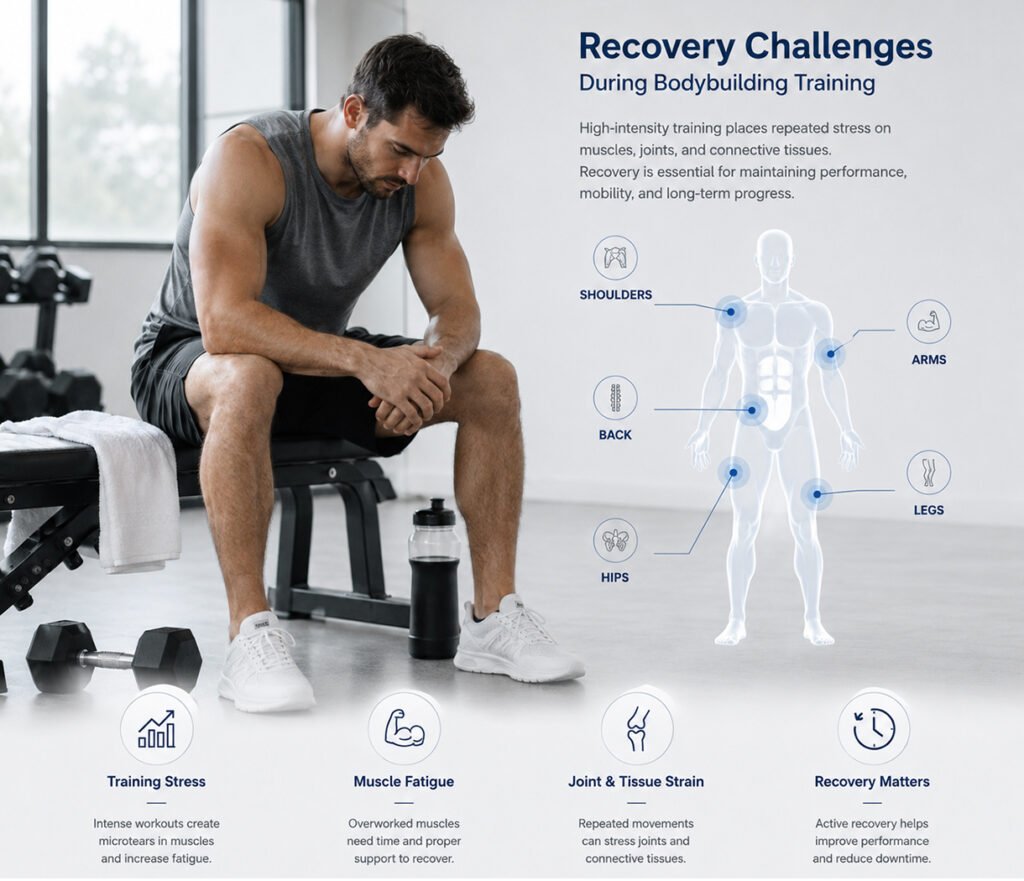
Bodybuilding involves repeated resistance exercises designed to challenge muscle strength and endurance. During heavy training sessions, muscles experience temporary stress as they adapt to increased workloads. Areas such as the shoulders, chest, arms, back, hips, and legs often receive significant training volume, especially during progressive overload programs. Because of this continuous physical demand, bodybuilders often focus on recovery strategies that help maintain mobility, comfort, and readiness for future workouts.
Recovery is not only about resting between sessions. It also includes supporting proper movement patterns, maintaining flexibility, and managing normal post-exercise muscle sensations. A well-balanced recovery routine allows athletes to continue training consistently while paying attention to their body’s changing needs.
1.2 Why Recovery Has Become a Key Part of Bodybuilding Performance
Successful bodybuilding programs combine training, nutrition, and recovery. While increasing workout intensity is important, insufficient recovery can affect training consistency and overall performance goals. Many athletes now view recovery as an active process rather than simply waiting between workouts.
Cold therapy approaches, including CO₂ Cryotherapy, have gained attention because they offer targeted application and can easily fit into modern fitness routines. Instead of focusing only on training intensity, athletes are increasingly considering how recovery tools can complement their overall fitness strategy.
2. The Science Behind CO₂ Cryotherapy and Targeted Cold Therapy
2.1 What Is CO₂ Cryotherapy?
CO₂ Cryotherapy is a localized cold therapy method that uses carbon dioxide gas to create a rapid cooling effect on selected areas of the body. Unlike traditional ice applications, which require direct contact with frozen materials, CO₂ Cryotherapy delivers controlled cold exposure through a specialized application process.
The cooling effect can create a temporary change in skin temperature, which may influence the body’s natural responses to cold exposure. For bodybuilders, this targeted approach is commonly used around areas that experience frequent training stress, such as muscles, joints, and other regions involved in repetitive strength exercises.
2.2 How Localized Cold Therapy Works With the Body’s Natural Responses
When the body experiences controlled cold exposure, it responds through natural physiological mechanisms. Local cooling can influence circulation patterns, sensory responses, and muscle comfort levels. These effects make cold therapy a popular component of many athletic recovery routines.
CO₂ Cryotherapy focuses on specific areas rather than exposing the entire body to cold temperatures. This localized approach allows users to direct cooling toward areas that receive significant workload during training, creating a more focused recovery experience.
2.3 CO₂ Cryotherapy Compared With Traditional Cold Recovery Methods
Traditional cold recovery methods, such as ice packs, have been widely used by athletes for many years. However, they may require preparation, limited movement during application, and careful temperature management. CO₂ Cryotherapy offers a more targeted method by using controlled carbon dioxide cooling directly on selected areas.
For bodybuilders who regularly train different muscle groups, localized cold therapy provides flexibility. Athletes can focus on specific areas after demanding workouts, including shoulders after pressing movements, legs after heavy squats, or arms after high-volume training sessions.
3. Why Bodybuilders Are Exploring CO₂ Cryotherapy
3.1 Supporting Muscle Comfort After Heavy Training Sessions
Heavy resistance training can leave muscles feeling tired and stressed, especially after intense lifting sessions or high-volume programs. Many bodybuilders include recovery methods that help them maintain comfort between workouts.
CO₂ Cryotherapy is often incorporated after training because it provides targeted cooling to specific muscle areas. By focusing on commonly trained regions, athletes can create a personalized recovery routine that matches their workout structure and physical demands.
3.2 Maintaining Mobility During Strength Training Programs
Mobility plays an important role in bodybuilding because proper movement patterns influence exercise technique and training quality. Tight muscles and reduced flexibility can affect how athletes perform certain movements.
Cold therapy approaches such as CO₂ Cryotherapy can become part of a broader mobility-focused routine. When combined with stretching, warm-up exercises, and appropriate recovery habits, targeted cold applications can support overall body comfort during demanding training cycles.
3.3 Supporting Recovery During High-Volume Training Phases
Many bodybuilders follow structured training phases that include periods of increased intensity, higher volume, or specialized muscle development goals. During these periods, recovery management becomes especially important.
CO₂ Cryotherapy provides a convenient option for athletes who want to add targeted cold therapy without significantly changing their training schedule. Sessions can focus on areas exposed to repeated workload, helping athletes maintain a consistent approach to post-training care.
4. Integrating CO₂ Cryotherapy Into a Bodybuilding Recovery Routine
4.1 Using CO₂ Cryotherapy Alongside Strength Training Plans
A complete bodybuilding routine includes more than lifting weights. Training structure, nutrition, sleep quality, mobility work, and recovery habits all contribute to long-term progress. CO₂ Cryotherapy can be included as one part of this broader approach, providing targeted cold exposure after demanding workouts or during recovery periods.
Many athletes choose to apply localized cold therapy to areas that receive frequent training stress, such as quadriceps, hamstrings, shoulders, elbows, lower back, and arms. This allows them to create a recovery routine that matches their individual training schedule and physical demands.
4.2 Common Body Areas Where Bodybuilders Apply CO₂ Cryotherapy
Bodybuilders often focus on muscle groups that experience high levels of mechanical stress during resistance training. The shoulders and chest may receive attention after pressing movements, while the legs may become a focus area after squats, deadlifts, or lower-body training sessions.
Other commonly considered areas include the arms after high-volume workouts, the back after pulling exercises, and joints that experience repeated movement during training. CO₂ Cryotherapy provides a targeted approach, allowing athletes to select specific regions based on their daily workout activities.
4.3 Creating a Balanced Recovery Strategy With Cold Therapy
Cold therapy works best when combined with a balanced recovery strategy. Bodybuilders typically focus on multiple factors, including adequate rest, proper hydration, balanced nutrition, and appropriate training progression.
CO₂ Cryotherapy can complement these habits by adding a targeted recovery method to an athlete’s routine. Instead of replacing fundamental recovery practices, it serves as an additional option for individuals who want to support muscle comfort and maintain a consistent approach to training preparation.
5. The Future of CO₂ Cryotherapy in Fitness and Bodybuilding
5.1 Why Targeted Recovery Tools Are Becoming More Popular
Fitness trends continue to evolve as athletes look for more efficient ways to manage demanding training schedules. Targeted recovery tools have gained popularity because they allow individuals to focus on specific areas rather than using general recovery methods.
CO₂ Cryotherapy represents this shift toward personalized recovery. Bodybuilders can adjust their recovery routines according to training intensity, muscle groups exercised, and personal comfort preferences. This flexibility makes localized cold therapy an appealing option for modern fitness enthusiasts.
5.2 CO₂ Cryotherapy as Part of Modern Athletic Wellness
The fitness industry continues to place greater emphasis on overall wellness, not only workout performance. Athletes are increasingly paying attention to how they prepare their bodies before training and how they support recovery afterward.
With its targeted application and convenient format, this therapy fits into this modern wellness approach. For bodybuilders, it provides another option to consider when developing a complete recovery routine focused on maintaining comfort, mobility, and training consistency.
5.3 Building a Sustainable Training Lifestyle With Recovery Support
Long-term bodybuilding success depends on consistency. Maintaining a sustainable training lifestyle requires understanding the importance of recovery and listening to the body’s signals.
CO₂ Cryotherapy can be incorporated into a structured fitness routine as a supportive recovery method. When combined with smart training practices, proper nutrition, and healthy lifestyle habits, targeted cold therapy can help athletes create a more complete approach to managing their fitness journey.
FAQ
What is CO₂ Cryotherapy for bodybuilders?
CO₂ Cryotherapy is a localized cold therapy method that uses carbon dioxide gas to provide targeted cooling to selected body areas. It is commonly used as part of athletic recovery routines.
How does CO₂ Cryotherapy support bodybuilding recovery?
CO₂ Cryotherapy provides targeted cold exposure that may help support muscle comfort and relaxation after intense training sessions.
Which body areas can bodybuilders use CO₂ Cryotherapy on?
Common areas include shoulders, arms, legs, back, and other muscle groups that experience frequent training stress.
When do bodybuilders typically use CO₂ Cryotherapy?
Many athletes include cold therapy after workouts, during recovery periods, or as part of their regular wellness routines.
Can CO₂ Cryotherapy replace proper recovery habits?
No. CO₂ Cryotherapy works as a supportive recovery option and should be combined with proper training, nutrition, rest, and healthy lifestyle practices.
How is CO₂ Cryotherapy different from ice packs?
CO₂ Cryotherapy uses controlled carbon dioxide cooling for targeted application, while ice packs rely on direct contact with frozen materials and may provide less precise coverage.
Conclusione
Bodybuilding requires a careful balance between intense training and effective recovery. As athletes continue to explore modern wellness solutions, CO₂ Cryotherapy offers a targeted cold therapy option that can fit naturally into strength training routines. By focusing on areas exposed to repeated workload, this technology provides a convenient approach for supporting muscle comfort, mobility, and recovery habits. When combined with proper training methods, nutrition, and rest, CO₂ Cryotherapy can become a valuable addition to a well-rounded bodybuilding lifestyle.
Riferimenti
Cryotherapy in Sports Medicine: A Review of Current Applications
https://www.ncbi.nlm.nih.gov/pmc/articles/PMC4049645
Cold Therapy and Its Effects on Exercise Recovery
https://www.ncbi.nlm.nih.gov/pmc/articles/PMC3764364
The Effects of Local Cooling on Human Physiological Responses
https://www.ncbi.nlm.nih.gov/pmc/articles/PMC5664757
Exercise Recovery Strategies for Strength Athletes
https://pubmed.ncbi.nlm.nih.gov/24753238
Therapeutic Effects of Cryotherapy and Cold Exposure