Introduzione
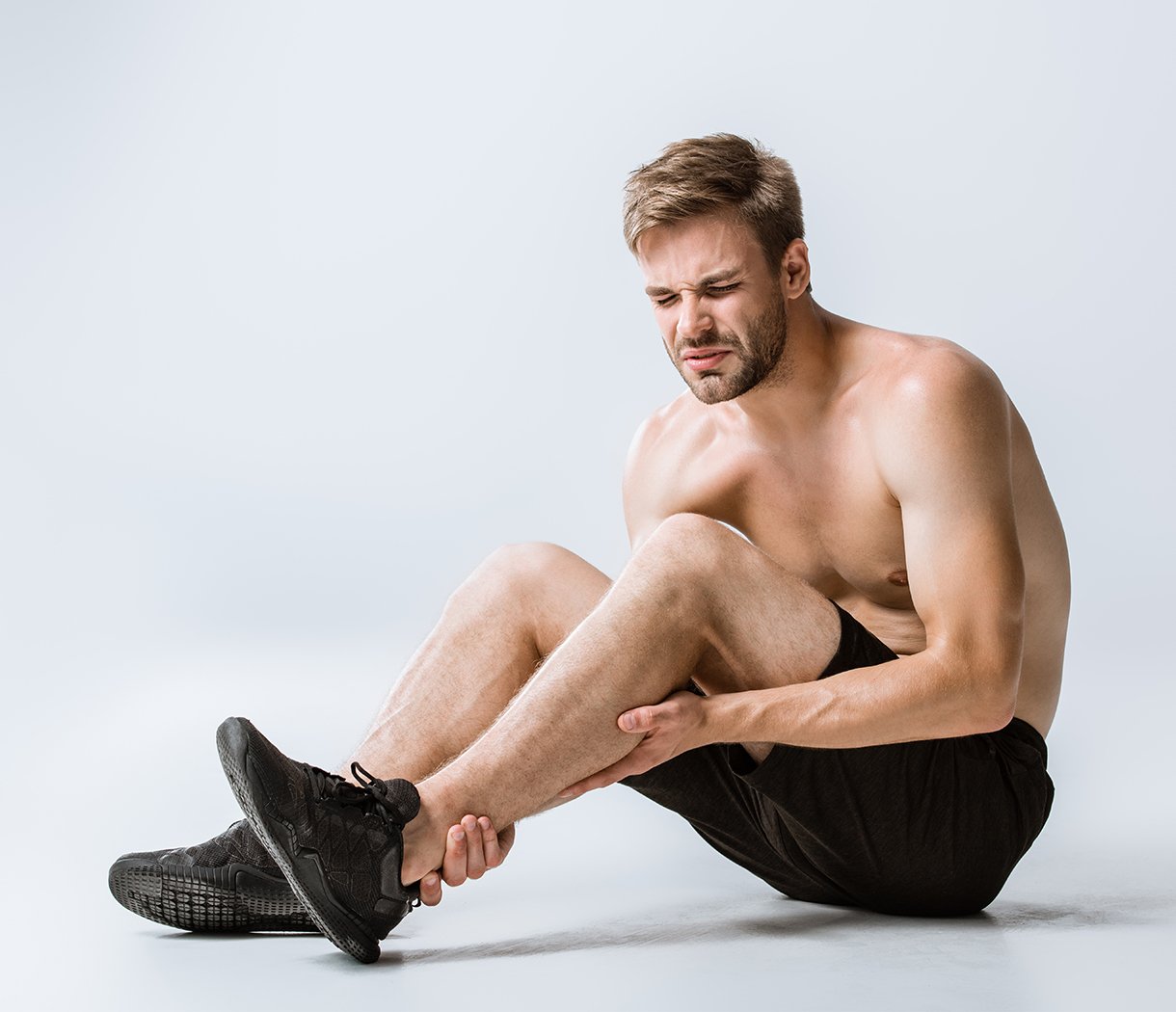
Summer brings increased outdoor activities, higher exercise frequency, and more time spent engaging in physical movement, which can contribute to muscle fatigue, temporary discomfort, and feelings of heaviness in certain body areas. As people look for convenient ways to support recovery and maintain comfort during active seasons, CO₂ cryotherapy has gained attention as a targeted cold therapy approach. Localized CO₂ cryotherapy uses controlled carbon dioxide cooling to rapidly reduce skin temperature in specific areas, creating physiological responses such as temporary vasoconstriction and changes in sensory nerve activity. This article explores how CO₂ cryotherapy works, why local cooling becomes especially relevant during warmer months, and how this technology may support muscle comfort, recovery routines, and overall wellness management.
1. Understanding Summer Muscle Discomfort and the Role of Cooling Therapy
Summer activities often increase physical demands on the body. Outdoor sports, travel, long walks, workouts, and extended periods of standing can place additional stress on muscles and soft tissues. Understanding how the body responds to these conditions helps explain why cooling strategies such as CO₂ cryotherapy are becoming more popular.
1.1 Why Summer Activities Can Increase Muscle Stress and Discomfort
During warmer months, many people become more physically active. Running, cycling, hiking, swimming, and outdoor training often involve repetitive movements that place continuous demand on muscles and connective tissues.
When muscles experience repeated workload, the body naturally responds through processes related to inflammation, circulation changes, and tissue adaptation. Temporary muscle soreness, stiffness, and discomfort may appear after intense or unfamiliar activities.
Environmental heat can also influence how the body manages physical stress. Higher temperatures may increase feelings of fatigue, especially when combined with exercise or prolonged outdoor activity. Because of this, many active individuals explore cooling methods that can provide targeted comfort after physical exertion.
1.2 How Local Cooling Influences the Body’s Natural Response
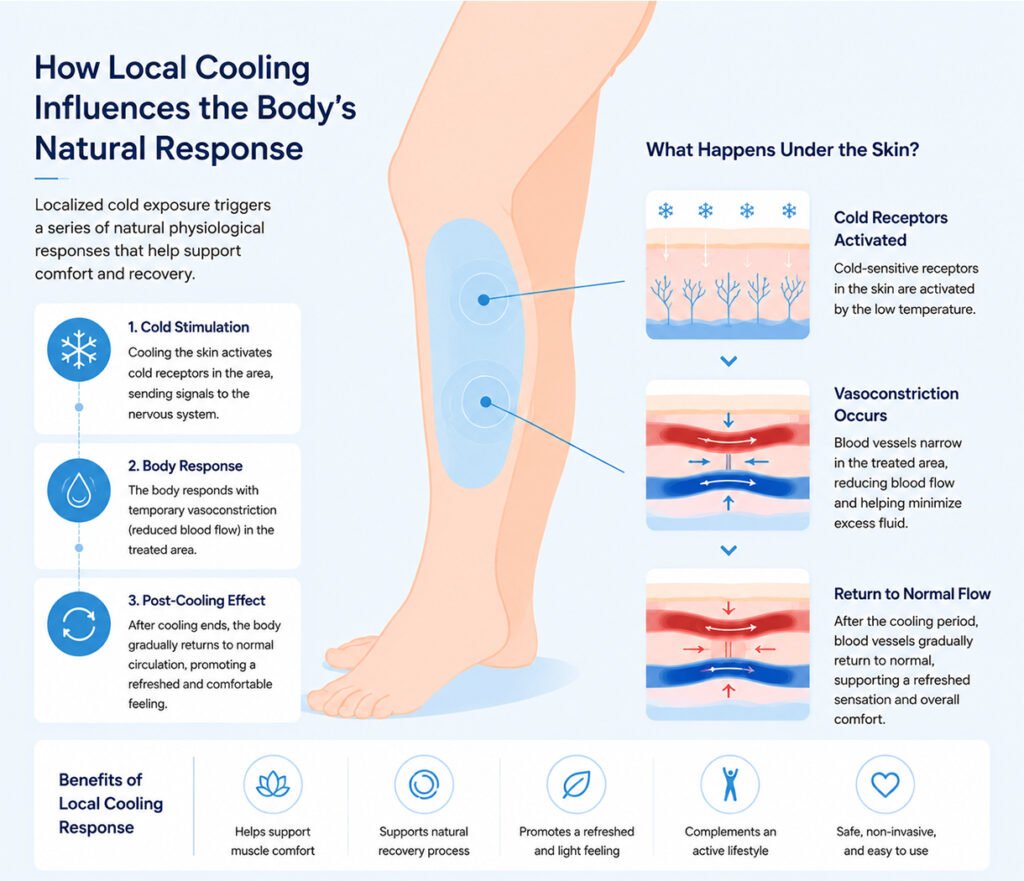
Cold exposure interacts with the body through temperature-sensitive receptors located in the skin and surrounding tissues. When an area experiences controlled cooling, the body responds through mechanisms such as vasoconstriction, which temporarily narrows blood vessels near the cooled area.
This temperature response may influence sensations of discomfort and help individuals feel refreshed after physical activity. Local cooling does not replace the body’s natural recovery processes but may provide additional support as part of a balanced wellness routine.
Unlike general cooling methods, localized CO₂ cryotherapy focuses on specific areas. This targeted approach allows users to direct cooling toward muscles, joints, or areas experiencing temporary stress after activity.
1.3 Why CO₂ Cryotherapy Is Becoming Popular During Active Seasons
Traditional cooling methods, such as ice packs or cold water applications, have been commonly used for many years. However, some individuals prefer newer technologies that offer more precise application and easier integration into modern recovery routines.
CO₂ cryotherapy uses carbon dioxide gas released at controlled temperatures to create rapid cooling on targeted skin areas. The process allows practitioners or users to focus on specific body regions instead of applying cooling to the entire body.
For people who maintain active lifestyles during summer, localized CO₂ cryotherapy provides a convenient option for supporting muscle comfort after workouts, outdoor activities, or physically demanding routines.
2. How CO₂ Cryotherapy Works Through Targeted Cold Exposure
CO₂ cryotherapy relies on controlled cold stimulation to create physiological reactions in the body. Understanding the technology behind this approach helps explain why targeted cooling is used in sports recovery, wellness, and personal care environments.
2.1 The Science Behind CO₂ Cryotherapy and Cryogenic Cooling
CO₂ cryotherapy uses carbon dioxide in a cryogenic state to produce rapid cooling when applied to the skin surface. The sudden temperature change activates cold receptors in the skin and creates a short-term cooling response.
The process mainly affects superficial tissues and sensory pathways. The body reacts to the cooling stimulus through natural temperature regulation mechanisms, including changes in circulation and nerve signaling.
Because CO₂ cryotherapy focuses on controlled exposure rather than prolonged cold contact, it offers a different experience compared with traditional ice-based methods. The technology is designed for targeted applications where specific areas require cooling support.
2.2 The Relationship Between Cold Exposure, Blood Flow, and Tissue Comfort
One of the main physiological responses to cold exposure is temporary vasoconstriction. As blood vessels narrow in response to cooling, the body begins regulating temperature and circulation around the exposed area.
After the cooling period ends, the body gradually returns to its normal temperature state. This process may influence circulation patterns and contribute to a refreshed feeling in the treated area.
For individuals experiencing muscle fatigue after physical activity, localized cooling may provide comfort by supporting the body’s natural response to temporary stress. The effect can vary depending on individual conditions, activity levels, and recovery habits.
2.3 Why Targeted CO₂ Cooling Differs From Traditional Ice Applications
Ice packs are often used because they are simple and accessible. However, they usually provide general cooling through direct contact and may not always offer precise control over application areas.
CO₂ cryotherapy focuses on targeted cooling without requiring prolonged contact with cold materials. This allows users to focus on specific areas such as the shoulders, knees, legs, or muscles affected by daily activity.
The ability to apply cooling precisely makes localized CO₂ cryotherapy an appealing option for people who prefer focused recovery support rather than general cold exposure.
3. CO₂ Cryotherapy for Summer Muscle Recovery and Comfort Support
During summer, increased physical activity can create additional demands on muscles and joints. Localized CO₂ cryotherapy may become part of a recovery routine by providing targeted cooling support after exercise and daily activities.
3.1 Supporting Muscle Comfort After Outdoor Activities
Summer activities often include running, hiking, cycling, and recreational sports. These activities can place repeated stress on muscle groups, especially the legs, hips, shoulders, and back.
Localized CO₂ cryotherapy allows cooling to be applied directly to areas that experience temporary fatigue after movement. Many active individuals use cooling techniques as part of their post-activity routine to support relaxation and comfort.
By focusing on specific areas, CO₂ cryotherapy may complement other recovery practices such as stretching, hydration, and appropriate rest.
3.2 The Role of CO₂ Cryotherapy in Managing Temporary Inflammation Response
Inflammation is a natural biological response that occurs when the body reacts to physical stress or tissue strain. During active periods, individuals may experience temporary swelling, stiffness, or discomfort after demanding activities.
Cold exposure has long been associated with supporting comfort during these situations. It provides controlled cooling that may influence local temperature responses and sensory perception.
It is important to understand that localized cryotherapy supports comfort management and does not replace professional assessment for ongoing or serious conditions.
3.3 Common Areas Where People Apply Localized CO₂ Cryotherapy
Different activities place stress on different body regions. Athletes may focus on legs and knees, while individuals with physically demanding jobs may pay attention to shoulders, arms, or lower back areas.
Common application areas for localized CO₂ cryotherapy include:
- knees after physical activity
- calves and thighs after exercise
- shoulders after repetitive movement
- elbows and arms after daily workload
The targeted nature of CO₂ cryotherapy allows users to customize cooling based on their personal comfort needs.
4. CO₂ Cryotherapy and Modern Wellness Routines
As wellness technology continues to develop, more people are combining traditional recovery habits with advanced tools. CO₂ cryotherapy fits into this trend by offering a focused and efficient approach to cooling.
4.1 Why Active Adults Explore Localized Cooling Technology
Many active adults want recovery solutions that fit into busy schedules. Instead of relying only on passive rest, they explore technologies that can complement their existing wellness habits.
Localized CO₂ cryotherapy provides a quick cooling method that focuses on specific areas. This makes it suitable for people who regularly exercise, participate in outdoor activities, or experience temporary muscle fatigue.
The popularity of targeted cold therapy reflects a broader interest in personalized wellness approaches that allow individuals to manage daily physical demands.
4.2 Combining CO₂ Cryotherapy With Healthy Recovery Habits
Cold therapy works best when combined with balanced recovery practices. Proper hydration, sufficient sleep, mobility exercises, and appropriate activity levels all contribute to overall physical wellness.
It can be considered one part of a complete recovery routine. Rather than replacing healthy habits, it adds another supportive option for individuals interested in modern cooling technology.
A comprehensive approach helps individuals better understand their bodies and make choices that match their personal activity patterns.
5. Choosing CO₂ Cryotherapy as Part of a Personalized Cooling Strategy
With increasing interest in localized recovery technology, understanding how CO₂ cryotherapy fits individual needs becomes important. Different lifestyles, activity levels, and comfort goals may influence how people approach cold therapy.
5.1 Factors to Consider Before Using CO₂ Cryotherapy
Before using localized CO₂ cryotherapy, individuals should consider their personal health situation, comfort preferences, and the specific areas they want to focus on.
Understanding how cold exposure affects the body helps users create realistic expectations. CO₂ cryotherapy is designed as a supportive wellness technology and may provide different experiences for different individuals.
Following appropriate usage guidelines and considering personal conditions can help users make informed decisions about incorporating cold therapy into their routines.
5.2 The Future of Localized Cold Therapy in Wellness and Recovery
Cold therapy continues to evolve as more people seek convenient approaches to support active lifestyles. Technologies such as CO₂ cryotherapy demonstrate how targeted temperature management can become part of modern wellness routines.
Future developments in localized cooling may continue to improve comfort, convenience, and personalization. As interest in recovery technology grows, it remains an important area within the broader field of non-invasive wellness support.
FAQ
What is CO₂ cryotherapy?
It is a localized cold therapy method that uses carbon dioxide cooling to reduce skin temperature in targeted areas.
Can CO₂ cryotherapy help with muscle discomfort?
I may support muscle comfort by providing targeted cooling after physical activity.
How is CO₂ cryotherapy different from ice packs?
It provides controlled, targeted cooling, while ice packs usually rely on direct cold contact with a larger area.
Which body areas can use localized CO₂ cryotherapy?
Common areas include knees, shoulders, legs, arms, and other regions affected by temporary physical stress.
Is CO₂ cryotherapy suitable for everyone?
Individual responses may vary. People should consider their personal health conditions before using cold therapy.
Conclusione
Summer activities often increase physical demands on the body, leading many individuals to explore effective ways to support muscle comfort and recovery routines. CO₂ cryotherapy offers a targeted cooling approach that uses controlled carbon dioxide exposure to create natural cold responses in specific areas. Through mechanisms such as temporary vasoconstriction and sensory stimulation, localized cryotherapy may help support comfort after exercise, outdoor activities, and daily physical stress. When combined with healthy recovery habits, CO₂ cryotherapy can serve as a modern wellness option for individuals looking for personalized cooling solutions.
Riferimenti
Cryotherapy in Sports Medicine: A Review of the Effects on Recovery and Performance
https://www.ncbi.nlm.nih.gov/pmc/articles/PMC3761468
The Effects of Cold Application on Exercise-Induced Muscle Damage
https://www.ncbi.nlm.nih.gov/pmc/articles/PMC4299732
Cold Therapy and Its Physiological Effects on Human Tissue
https://www.ncbi.nlm.nih.gov/pmc/articles/PMC5025015
Cryotherapy and Its Applications in Modern Rehabilitation
https://www.ncbi.nlm.nih.gov/pmc/articles/PMC5623715
The Science of Cryotherapy: Physiological Responses to Cold Exposure