
Introduction
CO₂ cryotherapy, a modern form of localized cold therapy, has gained attention not only for its effects on muscle recovery and inflammation but also for its potential influence on mood and pain perception. Exposure to extremely cold temperatures triggers a cascade of physiological responses, including endorphin release, modulation of neurotransmitters, and activation of the sympathetic nervous system. These changes can contribute to temporary pain relief, enhanced energy, and improved emotional state. This article explores the science behind CO₂ cryotherapy, its connection to endorphin production, and how cold exposure may play a role in pain management and psychological wellness.
1. Understanding CO₂ Cryotherapy
1.1 What Is CO₂ Cryotherapy?
CO₂ cryotherapy is a targeted cold therapy technique that utilizes carbon dioxide to achieve temperatures well below normal room levels. Unlike traditional ice packs or cold water immersion, CO₂ cryotherapy allows precise, localized cooling without prolonged exposure to extreme cold. The therapy works by rapidly cooling the skin and underlying tissues, stimulating vasoconstriction followed by reactive vasodilation. This process can improve blood flow, reduce inflammatory mediators, and promote tissue recovery. CO₂ cryotherapy has been increasingly adopted in clinical, sports, and wellness settings due to its non-invasive nature and potential systemic effects beyond local tissue cooling.
1.2 Physiological Effects of Cold Exposure
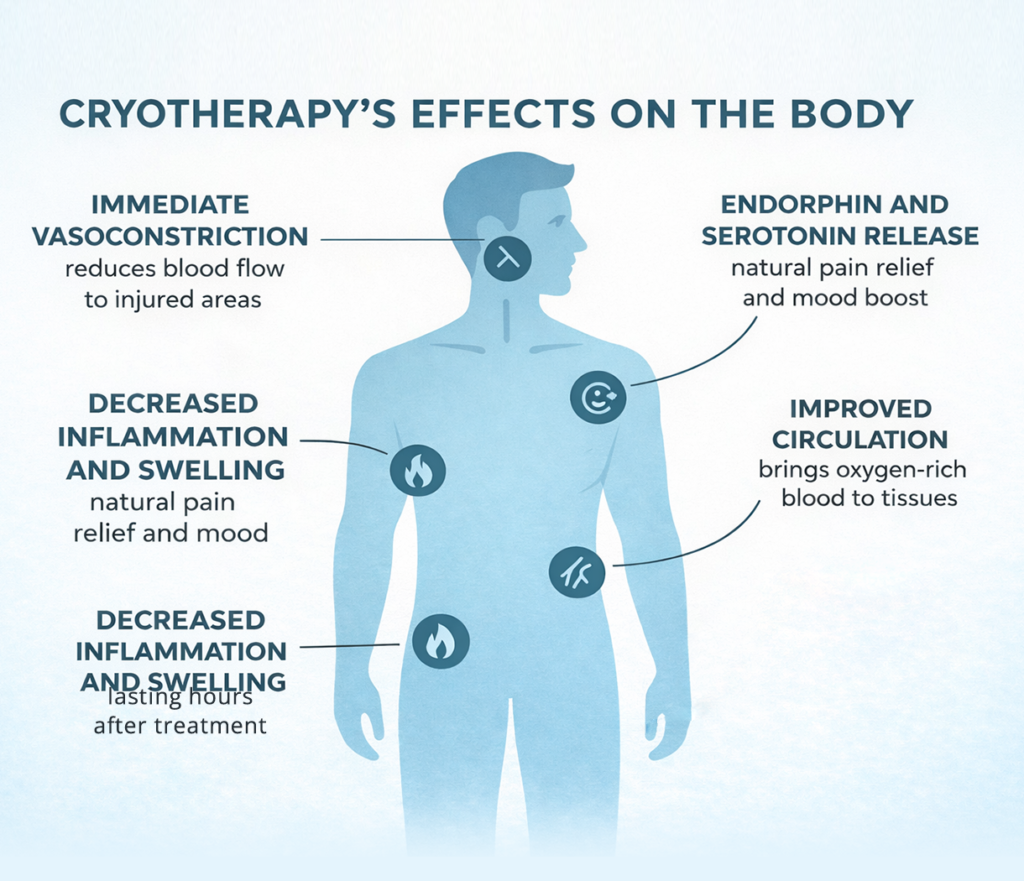
Exposure to intense cold initiates a series of physiological responses. Peripheral vasoconstriction reduces inflammation and swelling in targeted tissues. Simultaneously, cold exposure activates the sympathetic nervous system, releasing catecholamines such as norepinephrine, which can improve alertness and reduce pain perception. Cold-induced stress also stimulates the hypothalamic-pituitary-adrenal (HPA) axis, temporarily increasing cortisol and other regulatory hormones. Together, these responses prepare the body for acute stress and recovery, creating conditions conducive to both pain modulation and enhanced mood.
1.3 How CO₂ Cryotherapy Differs from Whole-Body Cryotherapy
While whole-body cryotherapy (WBC) exposes the entire body to subzero temperatures, CO₂ cryotherapy focuses on localized areas, allowing precise treatment of joints, muscles, or injured regions. Localized treatment provides targeted endorphin release in response to cold exposure without the systemic shock associated with WBC. This approach reduces risk for individuals with cardiovascular or metabolic sensitivities and allows repeated treatments in a clinical or wellness environment. By concentrating on specific tissues, CO₂ cryotherapy can combine local pain management with systemic benefits such as endorphin stimulation.
2. The Science of Endorphins
2.1 What Are Endorphins?
Endorphins are endogenous opioid neuropeptides produced by the central nervous system and the pituitary gland. They act as natural analgesics, binding to opioid receptors in the brain and spinal cord to reduce the perception of pain. Endorphins also influence mood, inducing feelings of euphoria or general well-being, which is sometimes referred to as the “runner’s high” in exercise science. By modulating both pain and emotional response, endorphins are critical in the body’s natural stress-response system and are a primary mechanism through which CO₂ cryotherapy may exert analgesic and mood-enhancing effects.
2.2 Cold Exposure and Endorphin Release
Research indicates that brief exposure to cold stimuli, such as CO₂ cryotherapy, can trigger endorphin release. The sudden drop in skin temperature activates peripheral sensory neurons, sending signals to the hypothalamus. In response, the brain releases beta-endorphins, which circulate through the bloodstream and interact with opioid receptors. This mechanism can temporarily alleviate pain in localized areas, enhance mood, and produce feelings of alertness or mild euphoria. The effect is dose-dependent, meaning both temperature and duration of exposure influence the magnitude of endorphin release.
2.3 Neurochemical and Hormonal Interactions
Beyond endorphins, CO₂ cryotherapy influences other neurochemical pathways. Cold exposure elevates norepinephrine, which contributes to analgesia and heightened alertness. Dopamine levels may also increase, enhancing motivation and mood. In combination with endorphins, these hormonal and neurotransmitter changes create a complex neurochemical environment conducive to both physical recovery and psychological benefit. This interplay underpins why many individuals report improved energy and reduced pain perception following CO₂ cryotherapy sessions.
3. Pain Management with CO₂ Cryotherapy
3.1 Mechanisms of Pain Reduction
Pain reduction from CO₂ cryotherapy is multifactorial. Vasoconstriction limits inflammatory mediators, reducing tissue swelling and mechanical pressure on nerves. Simultaneously, endorphin release decreases central pain sensitivity, while norepinephrine modulates peripheral nociceptors. Together, these mechanisms provide both local and systemic analgesic effects. Unlike pharmacological opioids, CO₂ cryotherapy offers a non-invasive, low-risk method for temporary pain relief without the side effects of drugs, making it appealing for athletes, chronic pain patients, and wellness enthusiasts.
3.2 Application in Chronic Pain Conditions
CO₂ cryotherapy has shown promise in chronic pain syndromes, including fibromyalgia, arthritis, and tendinopathies. The combination of local tissue cooling and neurochemical modulation can reduce discomfort during flare-ups and improve tolerance for movement or exercise. While not a cure, cold therapy may serve as a valuable adjunct to physical therapy, exercise, and conventional pharmacologic treatments, providing a safe alternative for patients seeking non-drug pain management options.
3.3 Limitations and Considerations
Despite its benefits, CO₂ cryotherapy is not universally effective. Individual responses vary, with some patients experiencing minimal analgesia or mood changes. Contraindications include severe cardiovascular disease, uncontrolled hypertension, or cold hypersensitivity disorders. Proper application protocols and professional oversight are essential to maximize safety and efficacy. Understanding these limitations ensures that CO₂ cryotherapy is integrated effectively into personalized wellness or rehabilitation programs.
4. Mood Enhancement and Psychological Benefits
4.1 Acute Mood Effects
CO₂ cryotherapy can induce immediate mood enhancement through endorphin-mediated pathways. Many participants report a sense of euphoria, increased focus, or elevated energy levels following sessions. The acute effects are attributed to both neurochemical release and sympathetic nervous system activation. These temporary changes can provide psychological relief in stressful situations, complementing physical recovery and promoting adherence to wellness routines.
4.2 Long-Term Psychological Benefits
Regular sessions may contribute to longer-term improvements in mood and stress resilience. Cold exposure triggers adaptive responses in the nervous system, potentially improving emotional regulation and pain tolerance over time. Additionally, the structured practice of localized cryotherapy encourages mindfulness and body awareness, supporting holistic mental well-being. While research is ongoing, early evidence suggests consistent cold therapy may serve as a complementary tool in managing mild anxiety or mood disturbances.
4.3 Integration with Wellness Programs
CO₂ cryotherapy is increasingly incorporated into broader wellness programs. When combined with exercise, nutrition, and mindfulness practices, localized cold therapy can enhance overall recovery and mental resilience. Its non-invasive nature and rapid effects make it appealing for both clinical rehabilitation and preventative health strategies. Understanding the psychological benefits helps practitioners design comprehensive wellness plans that leverage cold exposure alongside conventional modalities.
FAQ
Q1: Does CO₂ cryotherapy hurt?
Most patients experience a cold sensation without pain; brief tingling is common.
Q2: How long do mood effects last?
Endorphin-mediated effects typically last from 30 minutes up to several hours.
Q3: Can anyone benefit from CO₂ cryotherapy?
Most healthy individuals can, but those with cardiovascular issues or cold sensitivity should consult a physician.
Q4: Is it safe for chronic pain patients?
Yes, when used under professional guidance as part of a comprehensive pain management plan.
Q5: How quickly does pain relief occur?
Some patients feel immediate relief, though effects are usually temporary and cumulative with repeated sessions.
Conclusion
CO₂ cryotherapy represents a unique intersection of physical recovery and neurochemical modulation. By triggering endorphin release, enhancing norepinephrine and dopamine activity, and promoting local tissue recovery, it offers both analgesic and mood-enhancing benefits. While not a replacement for conventional therapy, localized CO₂ cold therapy can complement wellness, rehabilitation, and pain management strategies. Understanding the underlying science allows practitioners and patients to utilize cold therapy effectively, improving both physical and psychological outcomes.
Références
Local Cryotherapy. CO₂ Cryotherapy Insights: What Doctors Really Think.
https://www.localcryotherapy.com/co2-cryotherapy-insights-what-doctors-really-think.html
Lombardi, G. et al. “Endorphins and Exercise: Neurochemical Insights.” Journal of Sports Medicine, 2018; 52(3): 451–463.
https://pubmed.ncbi.nlm.nih.gov/29535701/
Hohenauer, E. et al. “The Effect of Cold Exposure on Pain and Mood: A Systematic Review.” Frontiers in Physiology, 2018; 9: 1202.
https://www.frontiersin.org/articles/10.3389/fphys.2018.01202/full
Bleakley, C.M., et al. “The Use of Cryotherapy in Sports Injury Management.” American Journal of Sports Medicine, 2012; 40(7): 1576–1586.