Introducción
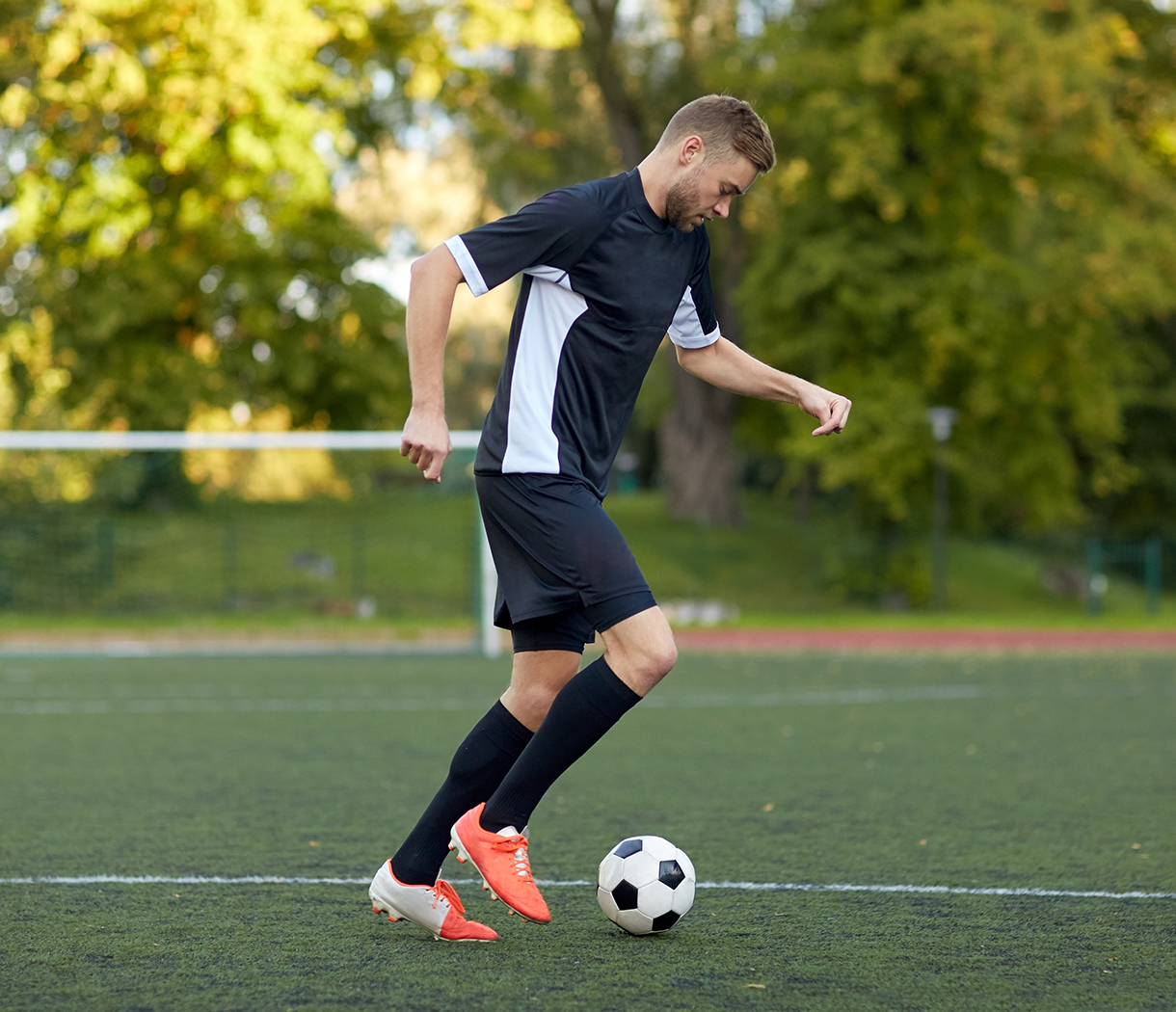
Soccer is one of the world’s most physically demanding sports, requiring athletes to perform repeated high-intensity efforts, explosive sprints, sudden changes of direction, and sustained running throughout a match. These intense demands place significant strain on the muscles, joints, and connective tissues. As a result, players often experience muscle fatigue, inflammation, and micro-damage following competition. Efficient recovery is crucial—not only to reduce injury risk but also to maintain consistent performance across games, especially in congested league schedules or tournament settings. In sports medicine, cryotherapy has long been used as a therapeutic intervention that utilizes extreme cold to support recovery, reduce inflammation, and manage pain. A specific modality gaining attention in elite sports is CO₂ Cryotherapy. This therapy combines targeted cold with the unique physiological effects of carbon dioxide. Unlike traditional cold packs or passive rest, CO₂ Cryotherapy delivers precise, deep cooling rapidly, making it particularly valuable for athletes seeking fast recovery after high-intensity matches. In this article, we explore the science behind CO₂ Cryotherapy, its benefits for soccer players, and provide practical guidance for incorporating it into recovery routines to maximize on-field performance and long-term athletic longevity.
1. Understanding the Physical Demands of Soccer
Athletic performance and recovery are directly linked to the stresses placed on the body during competition. Understanding what exactly happens physiologically after a soccer match sets the stage for evaluating recovery tools like CO₂ Cryotherapy.
1.1 High‑Intensity Actions in Soccer
Soccer players engage in a wide array of high‑intensity movements during a match, including rapid acceleration and deceleration, frequent changes of direction, repeated sprints, and aerial duels. These explosive actions primarily involve the lower extremity muscle groups such as the quadriceps, hamstrings, adductors, and calf muscles. Although total distance covered in a game varies, the cumulative effect of these intense efforts leads to mechanical stress and microtrauma in the muscle fibers.
The physical demand placed upon these muscle groups results in metabolic byproducts like lactic acid accumulating, contributing to acute fatigue. These factors combined create a scenario where the muscles are less able to perform at peak capacity in subsequent matches without adequate recovery. This physiological understanding underscores why targeted recovery modalities are essential for competitive soccer players.
1.2 Common Post‑Match Muscle Fatigue and Injuries
Following high‑intensity soccer matches, players often experience delayed onset muscle soreness (DOMS), stiffness, swelling around joints, and reduced muscle strength. These symptoms reflect underlying inflammatory responses, fluid accumulation in tissues, and disruption of the muscle cytoskeleton at the cellular level. Inflammation is the body’s natural response to tissue stress and micro‑damage, but if left unchecked, it can prolong recovery time and compromise performance in subsequent training or matches.
Post‑match fatigue and injury risk are also heightened by systemic factors such as hormonal changes, oxidative stress, and neuromuscular fatigue. Therefore, recovery interventions that address both metabolic waste removal and inflammation modulation are highly valued in sports medicine. Modalities that speed up these processes can shorten recovery windows and enhance player readiness for the next competition.
2. What is CO₂ Cryotherapy?
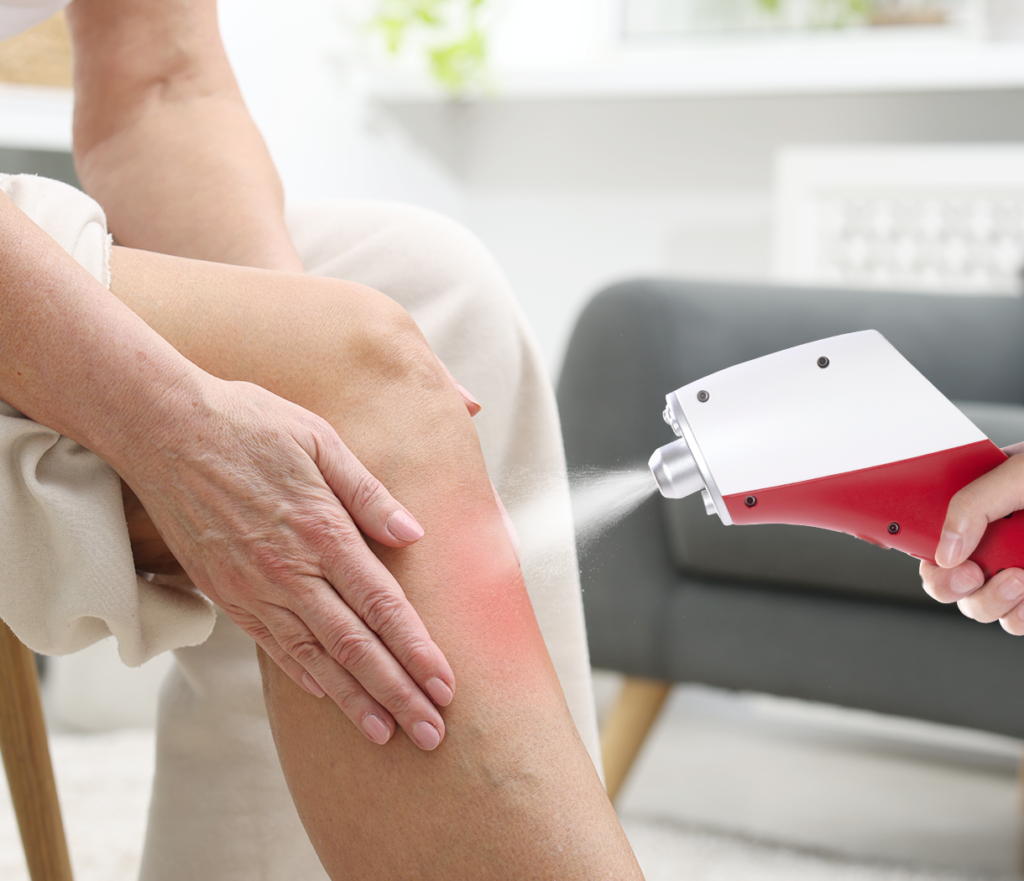
Cryotherapy broadly refers to the therapeutic application of extreme cold to the body to reduce inflammation and accelerate recovery. Traditional approaches include ice packs, cold‑water immersion, and whole‑body cryotherapy chambers. CO₂ Cryotherapy is a more targeted method that uses carbon dioxide gas at very low temperatures, typically around –78°C, to deliver localized cooling rapidly and efficiently.
CO₂ Cryotherapy’s unique mechanism and delivery make it stand out from other cold therapies. Its localized nature allows clinicians and athletic trainers to focus on specific muscle groups or joints that bear the brunt of athletic stress.
2.1 The Science Behind CO₂ Cryotherapy
CO₂ Cryotherapy works through precise delivery of extremely cold carbon dioxide to targeted tissues. When applied, the rapid drop in temperature causes local vasoconstriction—the narrowing of blood vessels—which reduces blood flow temporarily. When the cold stimulus is removed, vasodilation occurs, meaning blood vessels rapidly widen, increasing blood flow and nutrient delivery to the treated area. This process enhances microcirculation, which is essential for delivering oxygen and metabolic substrates needed for cellular repair.
Furthermore, CO₂ Cryotherapy promotes removal of metabolic waste products such as lactic acid and inflammatory byproducts. The cold exposure also influences nervous system function by slowing nerve conduction velocity, providing analgesic (pain‑reducing) effects. These physiological responses work together to support recovery processes that would otherwise rely solely on passive rest or less targeted therapies.
2.2 How CO₂ Cryotherapy Helps Athletes
For athletes, CO₂ Cryotherapy offers several performance-related benefits. It can reduce inflammation and muscle soreness more effectively than passive rest. This allows athletes to recover between matches or intense training sessions with less discomfort. Enhanced microcirculation supports efficient nutrient and oxygen delivery to damaged tissues. This speeds up the repair process at the cellular level. In turn, it supports tissue regeneration and the removal of metabolic waste products.
By creating an environment conducive to quicker recovery, CO₂ Cryotherapy enables players to maintain training intensity and compete more consistently. Professional teams increasingly adopt this technology to help players manage the physical load of repeated competitions, particularly in environments with back‑to‑back fixtures or tournament play.
3. Applying CO₂ Cryotherapy for Soccer Players
Knowing how CO₂ Cryotherapy works sets the stage for understanding how to use it effectively within a soccer recovery routine. This includes timing, target areas, and treatment frequency.
3.1 Optimal Timing: Pre‑Game vs Post‑Game
While CO₂ Cryotherapy can be used both before and after intense activity, its application context matters. Pre‑game use focuses on priming the muscles and reducing pre‑existing soreness to improve flexibility and readiness. However, the most impactful use for soccer players is post‑game recovery.
Post‑game CO₂ Cryotherapy should ideally occur soon after the match, preferably within 30 to 60 minutes, when inflammation and metabolic waste accumulation are at their highest. Treating tissues early in the inflammatory window helps reduce the intensity and duration of inflammation, which can expedite recovery processes.
Using CO₂ Cryotherapy as part of a post-match protocol allows the therapeutic effects to begin promptly. These effects include reduced local inflammation, enhanced circulation, and muscle fiber repair, ultimately helping players feel less sore and ready for subsequent matches or training sessions.
3.2 Targeted Body Areas for Soccer Recovery
In soccer, the most common areas that benefit from targeted CO₂ Cryotherapy are the lower extremities. Major muscle groups such as the quadriceps, hamstrings, gastrocnemius (calf muscles), and the joints of the knee and ankle are primary candidates for post‑match treatment. These muscle groups bear repeated stress during matches due to running, kicking, and abrupt changes in direction.
Applying CO₂ Cryotherapy to these regions helps reduce localized swelling and inflammation. The enhanced blood flow after the treatment supports nutrient delivery and waste removal precisely where it is needed most. By focusing on these problem areas, players can reduce stiffness and regain functional mobility more quickly.
3.3 Recommended Duration and Frequency
A typical CO₂ Cryotherapy session for soccer players involves short bursts of cold application—often between 10 to 15 seconds per targeted area—depending on the device and clinical protocol. These sessions are brief but intense enough to trigger physiological responses that promote recovery. The exact duration and frequency should ideally be tailored by a sports medicine professional or athletic trainer based on individual load, injury status, and competition schedule.
For example, in a week with multiple matches, players might undergo CO₂ Cryotherapy at least once after each game to maximize recovery benefits. In contrast, during lighter training weeks, treatments might be spaced out to align with particularly strenuous sessions.
4. Benefits of CO₂ Cryotherapy for Soccer Players
CO₂ Cryotherapy delivers several recovery advantages that are particularly relevant to soccer players recovering from high‑intensity matches.
4.1 Reducing Muscle Soreness and Fatigue
Delayed onset muscle soreness (DOMS) is a common outcome following intense exercise, especially in the days after competition. DOMS can hinder performance in subsequent matches or training sessions if not properly managed. CO₂ Cryotherapy has been shown to reduce muscle soreness by mitigating inflammatory responses and enhancing blood flow, which facilitates the removal of irritants and metabolic waste products.
The enhanced circulation following cold exposure helps deliver oxygen and nutrients needed for muscle repair. This combination of improved microcirculation and inflammation modulation means athletes often experience less noticeable soreness and quicker return to normal muscle function compared to passive rest.
Reducing muscle soreness effectively allows soccer players to participate in follow-up training sessions and matches with less discomfort. This contributes to more consistent performance throughout the competitive phase.
4.2 Minimizing Inflammation and Swelling
Inflammation is a natural and necessary component of tissue repair, but excessive or prolonged inflammation can delay recovery and contribute to pain or stiffness. CO₂ Cryotherapy helps control inflammation by promoting vasoconstriction initially and vasodilation once the cold source is removed. This alternating vascular response helps reduce fluid accumulation in tissues, which translates to reduced swelling around muscle and joint sites.
By minimizing inflammation more effectively than passive recovery methods alone, CO₂ Cryotherapy supports quicker muscle function restoration and reduces the risk that persistent swelling will interfere with performance or increase injury risk.
4.3 Supporting Long‑Term Performance and Injury Prevention
Beyond immediate post‑match recovery, regular use of CO₂ Cryotherapy can contribute to long‑term performance improvements and injury prevention. By consistently managing inflammation and enhancing tissue repair processes, athletes maintain healthier muscle and joint environments. This can reduce the likelihood of overuse injuries that commonly arise when tissues remain in a chronically inflamed state.
Moreover, the ability to recover faster between matches allows players to handle more intense training loads without accumulating fatigue that could compromise technique, muscle balance, or neuromuscular coordination—all factors that contribute to injury risk.
Through these compounded effects, CO₂ Cryotherapy becomes part of a broader performance optimization strategy when integrated appropriately.
5. Safety Considerations and Professional Guidance
While CO₂ Cryotherapy offers many potential benefits, it is crucial to apply it safely and in consultation with sports medicine professionals.
5.1 Is CO₂ Cryotherapy Safe for Soccer Players?
CO₂ Cryotherapy is generally considered safe when administered by trained professionals using appropriate equipment. The targeted nature of the therapy reduces the risk of systemic cold injury, making it a practical alternative to whole‑body cold immersion for many athletes.
Nevertheless, individual factors should be evaluated before use. These include peripheral circulation disorders, cold sensitivity, compromised skin integrity, or underlying cardiovascular conditions. Athletes experiencing conditions such as Raynaud’s phenomenon or peripheral neuropathy may require alternative recovery strategies to avoid discomfort or adverse reactions.
Therefore, it is recommended that players undergo a health screening and receive treatment guidance from licensed clinicians familiar with cryotherapy protocols.
5.2 Working with Trainers and Sports Medicine Professionals
Optimal use of CO₂ Cryotherapy is achieved when it is part of a comprehensive recovery program developed alongside athletic trainers, physical therapists, and sports medicine physicians. Professionals can determine appropriate timing, frequency, and treatment targets based on individual needs, competition schedules, and overall training loads.
By collaborating with specialists, athletes gain access to evidence‑based recovery plans that minimize risk and enhance performance outcomes. Integrating cryotherapy with traditional recovery practices—such as nutrition planning, active recovery exercises, hydration strategies, and physical therapy—ensures a holistic approach to athletic health.
PREGUNTAS FRECUENTES
Q1: How soon after a soccer match should I use CO₂ Cryotherapy?
A: Ideally within 30–60 minutes after the match to begin recovery processes when inflammation and metabolic stress are highest.
Q2: Can CO₂ Cryotherapy prevent injuries during a season?
A: While it cannot eliminate injury risk entirely, regular use can reduce inflammation buildup and support tissue health, lowering risk factors.
Q3: How long does a typical CO₂ Cryotherapy session last?
A: Each targeted application usually lasts 10–15 seconds per area, though total session length depends on the number of zones treated.
Q4: Is this therapy suitable for youth or adolescent players?
A: Yes, when protocols are adjusted by qualified professionals to accommodate age and developmental considerations.
Q5: Can CO₂ Cryotherapy replace stretching and other recovery methods?
A: No. It should complement traditional recovery practices like stretching, hydration, sleep, and nutrition for best results.
Conclusión
CO₂ Cryotherapy is a powerful recovery tool for soccer players facing the intense physical demands of high‑intensity matches. By targeting inflammation, reducing muscle soreness, and promoting rapid tissue repair, this specialized form of cryotherapy supports quicker recovery between games and training sessions. Its efficient and non‑invasive nature makes it especially useful for elite athletes and competitive teams. It helps them maintain performance consistency throughout the season.
When used under professional guidance and combined with traditional recovery methods, CO₂ Cryotherapy can be a cornerstone of a comprehensive athletic recovery program. Players who embrace such evidence‑based recovery strategies may experience improved readiness, reduced injury risk, and enhanced long‑term performance capabilities.
Referencias
Why CO₂ Takes Sports Medicine to the Next Level – Rheinlaser Cryotherapy.
https://www.localcryotherapy.com/why-co%E2%82%82-takes-sports-medicine-to-the-next-level.html
Why CO₂ Cryotherapy Outpaces Cold Packs in Physiotherapy – Rheinlaser Cryotherapy.
How CO₂ Cryotherapy Enhances Muscle Recovery After Intense Exercise – Rheinlaser Cryotherapy.
Cryotherapy for Athletes: How It Works, Benefits – Mass General Brigham.
https://www.massgeneralbrigham.org/en/about/newsroom/articles/cryotherapy-for-athletes
Complete Guide to Cryotherapy for Health & Performance 2025 – Optimal Health.
https://optimalhealth.co/resources/cryotherapy/complete-guide-cryotherapy