Introducción
Neuropathy affects millions of adults and is often associated with persistent burning, tingling, or numbness that can significantly impact daily life. Because nerve-related discomfort can be difficult to manage, many patients and clinicians are increasingly interested in non-invasive, drug-free support options. CO₂ cryotherapy, a localized cold-shock technology, has gained attention in rehabilitation and pain-management settings for its ability to deliver rapid, targeted cooling. This article explores how CO₂ cryotherapy works, its potential role in neuropathy care, and what patients and clinics should realistically expect.
1. Understanding Neuropathy and Nerve Pain
Before exploring treatment options, it is essential to understand what neuropathy is and why it can be challenging to manage effectively.
1.1 What Is Neuropathy?
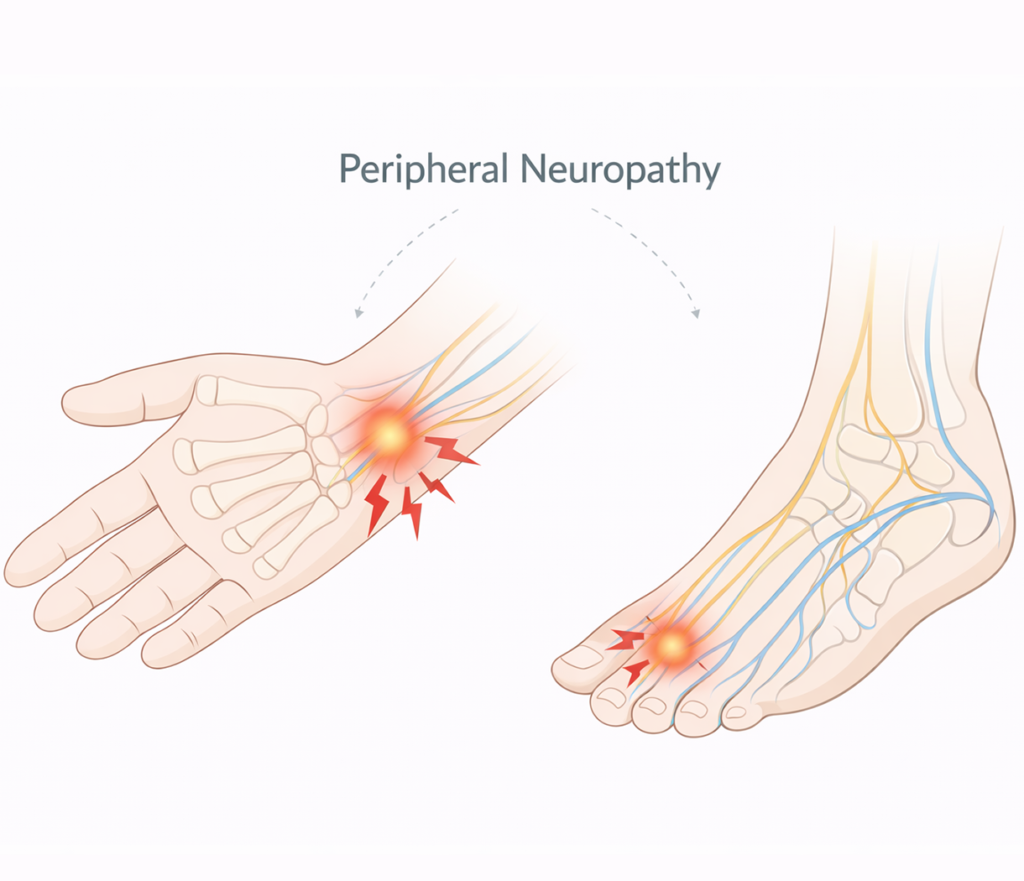
Peripheral neuropathy refers to damage or dysfunction of nerves outside the brain and spinal cord. These nerves are responsible for transmitting sensory information such as temperature, touch, and pain. When they become irritated or damaged, signals may be distorted or amplified, leading to uncomfortable or painful sensations.
Neuropathy can be acute or chronic. Acute cases may follow injury or temporary irritation, while chronic neuropathy often develops gradually and persists over time. Because nerve tissue heals slowly, symptom management frequently becomes the primary goal rather than immediate resolution.
1.2 Common Causes of Neuropathy
Neuropathy can arise from a wide range of underlying conditions. One of the most common causes is diabetes, where prolonged elevated blood glucose can damage peripheral nerves. Chemotherapy treatments may also affect nerve function, leading to chemotherapy-induced peripheral neuropathy (CIPN).
Other contributors include physical nerve compression, repetitive strain, traumatic injury, and certain metabolic or autoimmune conditions. In some individuals, the cause remains idiopathic, meaning no clear origin is identified. Regardless of cause, the resulting nerve irritation often produces similar patterns of discomfort.
1.3 Typical Symptoms Patients Experience
Symptoms of neuropathy vary widely but often share recognizable patterns. Many patients report burning, tingling, or “pins and needles” sensations, particularly in the hands and feet. Others experience numbness that reduces tactile sensitivity and coordination.
Sharp, shooting pains may occur intermittently, sometimes triggered by light touch or temperature changes. Hypersensitivity is also common, where even mild contact feels uncomfortable. Because symptoms can fluctuate, patients often seek flexible therapies that can be repeated as needed.
2. Current Treatment Challenges
Although multiple management approaches exist, neuropathy remains frustrating for many patients and providers.
2.1 Limitations of Medications
Pharmacologic options are commonly used for nerve pain, but they do not work equally well for everyone. Some patients experience only partial relief, while others struggle with unwanted side effects such as drowsiness or cognitive fog.
Long-term reliance on medication can also raise concerns for individuals seeking more sustainable symptom management strategies. As a result, both patients and clinicians frequently explore supportive therapies that can complement existing care plans without adding systemic burden.
2.2 Why Patients Seek Non-Invasive Options
The growing interest in non-invasive therapies reflects several practical needs. Many neuropathy sufferers prefer localized treatments that target the affected area rather than the whole body. Others want options that can be repeated regularly without significant downtime.
Convenience also plays a role. Chronic conditions often require ongoing management, so therapies that are quick, repeatable, and well tolerated tend to gain traction in both clinical and outpatient settings. This is where localized cryotherapy technologies have begun attracting attention.
3. What Is CO₂ Cryotherapy?
With these challenges in mind, CO₂ cryotherapy has emerged as a modern approach to localized cold therapy.
3.1 How CO₂ Cryotherapy Works
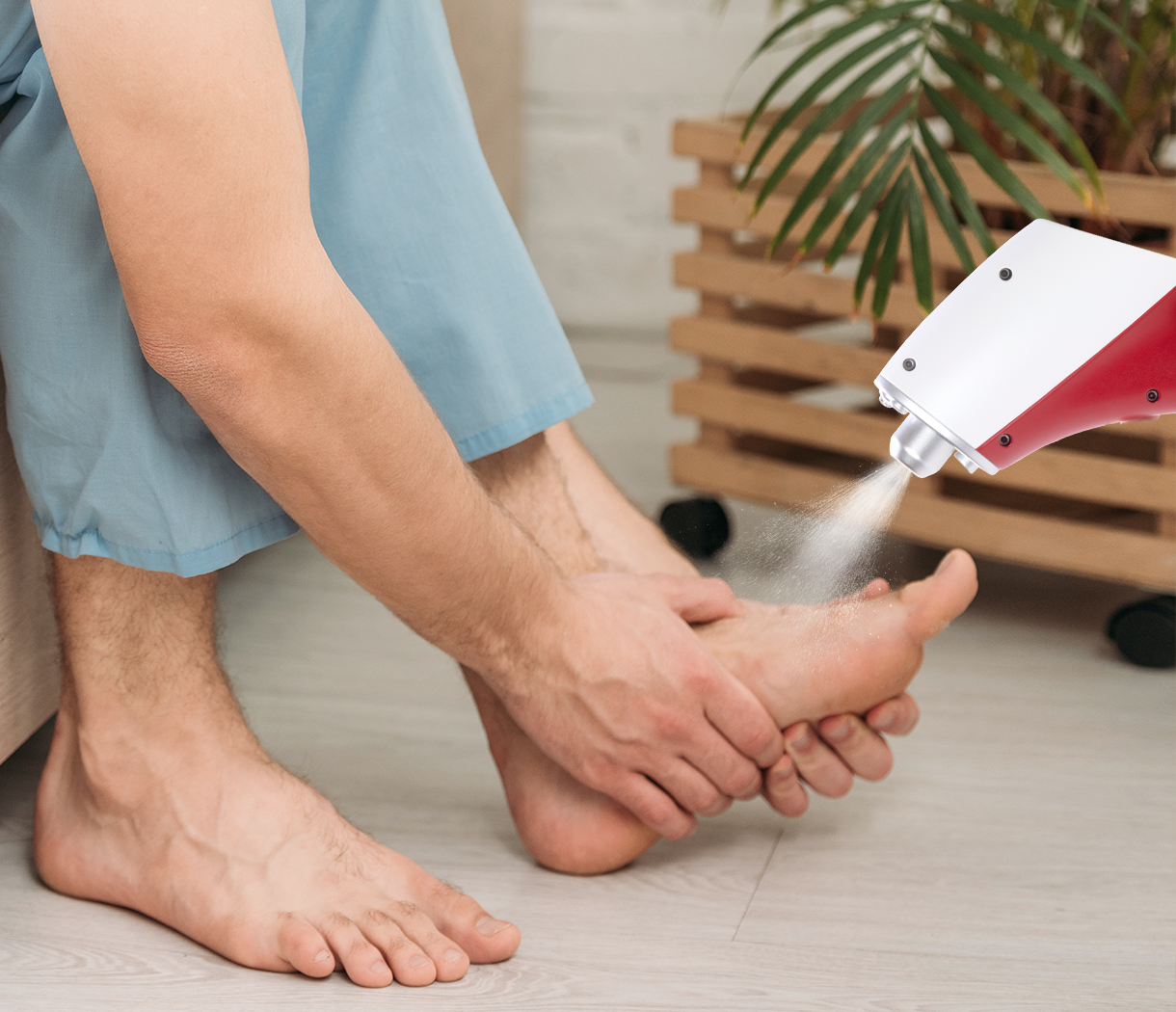
CO₂ cryotherapy delivers a controlled burst of carbon dioxide gas to the skin surface, producing a rapid cooling effect. This “cold shock” can quickly lower superficial tissue temperature within seconds, creating a strong but brief thermal stimulus.
From a neurophysiological perspective, rapid cooling may temporarily reduce nerve conduction speed and alter pain signal transmission. The cold stimulus can also trigger local vascular responses that support circulation dynamics after treatment. Because the exposure is brief and localized, the surrounding tissue is not subjected to prolonged cold stress.
3.2 Key Features of CO₂ Local Cryotherapy Devices
Modern CO₂ cryotherapy systems are designed for precision and efficiency. They typically allow practitioners to target small treatment areas, which is particularly useful for focal nerve discomfort in the hands or feet.
Sessions are usually short, often lasting only seconds per application point. Many systems offer adjustable intensity settings to accommodate different sensitivity levels. Another notable feature is non-contact delivery, which can improve hygiene and patient comfort in busy clinical environments.
4. Potential Benefits of CO₂ Cryotherapy for Neuropathy
While individual responses vary, several physiological effects suggest why this technology may be useful as supportive care.
4.1 Temporary Nerve Desensitization
One of the most immediate effects of rapid cooling is temporary desensitization of local nerve endings. By lowering skin temperature quickly, the therapy may reduce the excitability of pain receptors in the treated area.
For patients experiencing flare-ups of burning or tingling, this effect may provide short-term comfort. Although the underlying nerve condition remains, periodic desensitization can help some individuals better tolerate daily activities.
4.2 Support for Microcirculation
Localized cold exposure triggers a sequence of vascular responses, including initial vasoconstriction followed by reactive vasodilation. This process may help stimulate local circulation dynamics in treated tissues.
For individuals with metabolic conditions such as diabetes, supporting healthy microcirculation is often an important component of comprehensive care. While CO₂ cryotherapy is not a vascular treatment, its circulatory effects may complement broader management strategies.
4.3 Reduction of Local Inflammatory Response
Inflammatory processes can contribute to nerve irritation in certain cases of neuropathy. Rapid cooling is commonly used in musculoskeletal care to help calm localized tissue irritation.
By delivering a controlled cold stimulus, CO₂ cryotherapy may help create a temporary soothing effect in inflamed soft tissue surrounding peripheral nerves. This calming response is one reason the technology is frequently used in rehabilitation environments.
4.4 A Drug-Free Tratamiento del dolor Approach
One of the strongest appeals of CO₂ cryotherapy is that it offers a non-pharmacological option. Treatments are brief, repeatable, and typically require no recovery time.
For clinics, this makes the modality easy to integrate into broader care plans. For patients, it provides an additional tool that can be used alongside exercise therapy, ergonomic adjustments, and other conservative strategies.
5. Who May Benefit Most
CO₂ cryotherapy is not appropriate for every situation, but certain groups may find it particularly useful.
5.1 Diabetic Neuropathy Patients
Individuals with diabetic peripheral neuropathy often experience localized burning or tingling in the feet. Because symptoms can fluctuate, short, targeted cooling sessions may help support comfort during symptomatic periods.
5.2 Chemotherapy-Induced Neuropathy
Patients recovering from chemotherapy sometimes develop persistent nerve sensitivity. Local cryotherapy may be considered as part of supportive care programs aimed at improving day-to-day comfort.
5.3 Chronic Peripheral Nerve Irritation
People with long-standing nerve irritation from compression or repetitive strain may benefit from periodic localized cooling as part of a broader pain-management routine.
5.4 Pain Management and Rehab Clinics
From a clinical perspective, CO₂ cryotherapy offers workflow advantages. The short treatment time and targeted delivery make it a practical adjunct modality in rehabilitation, chiropractic, and pain-management settings.
6. What to Expect During a CO₂ Cryotherapy Session
Understanding the typical treatment experience helps reduce uncertainty for first-time users.
6.1 Typical Treatment Process
During a session, the practitioner positions the handheld applicator a short distance from the skin. Controlled CO₂ bursts are delivered in brief passes over the treatment area.
6.2 Sensation During Treatment
Most patients describe the feeling as an intense but brief cold sensation. Because the exposure is short, discomfort is usually well tolerated.
6.3 Recommended Treatment Frequency
Treatment schedules vary depending on symptom severity and care goals. Many protocols involve multiple sessions per week initially, followed by maintenance treatments as needed.
6.4 Safety Considerations
Proper training and adherence to device guidelines are important. The applicator should not be directed toward the eyes, and clinicians should evaluate skin integrity before treatment.
7. CO₂ Cryotherapy vs Traditional Cold Therapy
Many patients naturally compare this technology with standard ice packs.
7.1 Precision and Depth of Cooling
CO₂ cryotherapy provides highly localized cooling with rapid temperature change, whereas ice packs deliver slower, less targeted cold exposure.
7.2 Treatment Time Efficiency
Traditional icing often requires 15–20 minutes, while CO₂ applications typically take only seconds per area.
7.3 Clinical Workflow Advantages
In clinical settings, the speed and cleanliness of non-contact delivery can improve patient throughput and consistency.
7.4 Patient Comfort Comparison
Because exposure is brief, many patients find CO₂ cryotherapy more convenient than prolonged icing sessions.
8. Limitations and Realistic Expectations
Setting appropriate expectations is essential for satisfaction.
8.1 Not a Cure for Underlying Nerve Damage
CO₂ cryotherapy is best viewed as supportive care. It does not reverse structural nerve damage.
8.2 Results May Vary
Individual response depends on the cause and severity of neuropathy, as well as overall health status.
8.3 Importance of Comprehensive Care
Optimal outcomes typically occur when localized cryotherapy is combined with broader medical guidance, lifestyle management, and rehabilitation strategies.
PREGUNTAS FRECUENTES
Is CO₂ cryotherapy safe for neuropathy patients?
When applied appropriately by trained providers, it is generally well tolerated for many individuals.
How quickly can relief occur?
Some patients notice temporary comfort shortly after treatment, though responses vary.
How often should treatments be performed?
Frequency depends on symptom severity and care goals.
Can it be combined with other therapies?
Yes, it is commonly used alongside rehabilitation and pain-management programs.
Is it suitable for diabetic neuropathy?
Many clinics consider it a supportive option for localized symptom management.
Conclusión
CO₂ cryotherapy represents a promising non-invasive tool that may help support comfort in individuals living with neuropathy. By delivering rapid, targeted cooling, it offers a practical adjunct for managing localized nerve-related discomfort without medication or downtime. However, it should be viewed as part of a comprehensive care strategy rather than a standalone solution. Patients experiencing persistent or worsening symptoms should always seek guidance from qualified healthcare professionals to ensure appropriate diagnosis and management.
Referencias
Peripheral Neuropathy Overview
https://www.ncbi.nlm.nih.gov/books/NBK442009
Cryotherapy in Pain Management
https://www.ncbi.nlm.nih.gov/books/NBK507803
Localized Cooling and Nerve Conduction