
Einführung
Working in a laboratory often requires long hours of meticulous work, whether it’s pipetting, microscope analysis, or continuous data entry. These prolonged periods of repetitive motion and static posture can lead to fatigue in the wrists, arms, shoulders, neck, and back. Over time, this strain can accumulate, causing chronic discomfort, reduced dexterity, and even repetitive strain injuries (RSIs). CO₂ Cryotherapy, also known as carbon dioxide cold therapy, has emerged as a non-invasive method to accelerate recovery and alleviate fatigue. Unlike traditional ice packs, this therapy can deliver precise and consistent cold stimulation to targeted areas, enhancing circulation, reducing inflammation, and promoting muscle relaxation. In this article, we explore how laboratory professionals can benefit from CO₂ Cryotherapy during long experiments, offering practical guidance, safety considerations, and evidence-based benefits.
1. Understanding Fatigue During Long Experiments
Before discussing CO₂ Cryotherapy, it is essential to understand the types of fatigue that laboratory personnel commonly experience during extended experiments.
1.1 Physical Strain in Laboratory Tasks
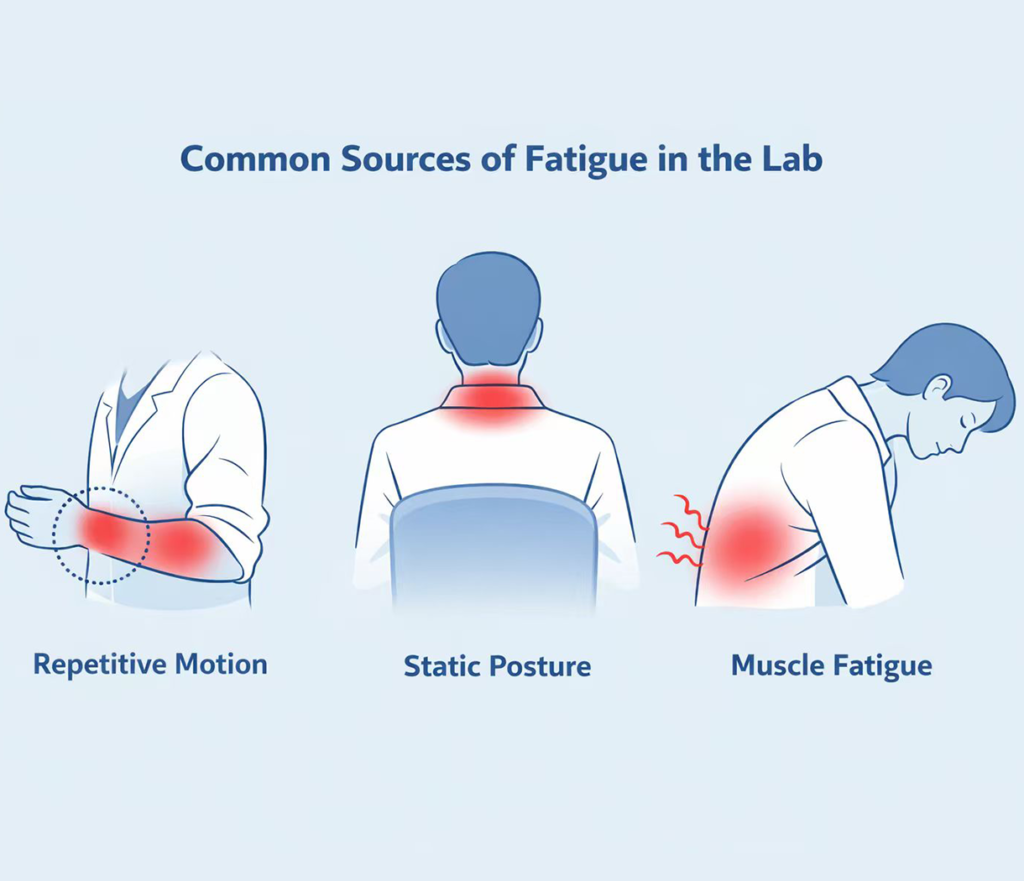
Laboratory work often involves repetitive hand movements, such as pipetting, shaking test tubes, or handling samples under a microscope. These motions can strain the flexor and extensor muscles of the forearm and hand, leading to microtrauma and delayed onset muscle soreness (DOMS). Over time, these repetitive actions may contribute to conditions like tendonitis, carpal tunnel syndrome, and wrist joint discomfort.
Moreover, holding instruments or maintaining static postures for long periods requires continuous muscular engagement, particularly in the shoulders, upper arms, and neck. This can result in muscular fatigue, stiffness, and reduced endurance for laboratory tasks.
1.2 Cognitive and Postural Stress
Laboratory personnel also face mental and postural challenges. Maintaining high levels of concentration during delicate procedures can create tension in the trapezius, cervical, and upper back muscles. Additionally, sitting or standing in a fixed posture for hours restricts blood flow, reducing nutrient delivery and slowing metabolic waste clearance from muscle tissues. This combination of cognitive and postural stress intensifies overall fatigue, affecting both physical performance and mental focus.
2. How CO₂ Cryotherapy Helps Laboratory Recovery
CO₂ Cryotherapy offers a targeted approach to alleviate fatigue and support recovery for laboratory professionals. By delivering precise cold stimulation, it addresses both muscular and vascular factors contributing to fatigue.
2.1 Mechanism of Action
CO₂ Cryotherapy works by exposing targeted areas to extremely cold temperatures, typically using high-pressure carbon dioxide gas. The cold induces vasoconstriction, temporarily reducing blood flow, followed by reactive vasodilation, which increases circulation to the treated area. This enhanced blood flow delivers oxygen and nutrients while facilitating the removal of metabolic byproducts such as lactic acid.
The therapy also modulates nerve conduction, reducing the perception of pain in fatigued muscles. By combining vascular stimulation with nerve modulation, this therapy provides a dual benefit of muscle relaxation and analgesia, which is particularly valuable for repetitive strain recovery in lab workers.
2.2 Muscle Relaxation and Pain Reduction
Localized CO₂ Cryotherapy can effectively target the wrists, forearms, shoulders, neck, and upper back. The cold reduces inflammatory mediator activity and relaxes hypertonic muscles, providing relief from soreness caused by repetitive laboratory tasks. For individuals experiencing mild tendonitis or chronic joint discomfort, regular cold therapy sessions can decrease pain intensity and enhance functional recovery, allowing for sustained precision in experimental procedures.
2.3 Enhancement of Cognitive Focus
Fatigue from long experiments is not only physical but also cognitive. Muscle discomfort and stiffness can distract laboratory personnel and reduce fine motor performance. By alleviating pain and promoting circulation, CO₂ Cryotherapy helps maintain focus and hand dexterity, ensuring that experimental accuracy is preserved even after extended periods of work.
3. Practical Application for Lab Staff
While CO₂ Cryotherapy is effective, proper application is essential to ensure safety and maximize benefits.
3.1 Timing and Duration
Short, intermittent sessions are ideal for laboratory recovery. Typically, 2–5 minutes of localized cold exposure per session is sufficient. Applying therapy during breaks or immediately after completing a lengthy procedure can prevent fatigue accumulation. Excessive duration or too frequent exposure may cause temporary skin numbness or discomfort, so following recommended time limits is crucial.
3.2 Target Areas
For lab personnel, the most beneficial areas include the wrists, forearms, shoulders, neck, and upper back. These regions are most affected by repetitive hand movements, static postures, and prolonged focus. Localized CO₂ Cryotherapy allows precise application, which is more practical and safer than whole-body cold exposure for office or laboratory environments.
3.3 Professional Guidance
While CO₂ Cryotherapy is generally safe, it should be administered under the guidance of trained personnel or with medical-grade equipment. Full-body cold exposure requires professional supervision due to the risk of hypothermia or excessive vasoconstriction. For targeted recovery in lab environments, localized therapy is sufficient and easier to control.
4. Benefits of CO₂ Cryotherapy in Lab Environments
Implementing CO₂ Cryotherapy in laboratory settings provides measurable advantages for fatigue recovery, injury prevention, and productivity.
4.1 Rapid Fatigue Recovery
Cold therapy accelerates the removal of metabolic byproducts and reduces muscle soreness, allowing laboratory personnel to recover quickly between long experiments or repetitive tasks.
4.2 Injury Prevention
By relaxing hypertonic muscles and improving blood flow, CO₂ Cryotherapy reduces the risk of chronic conditions such as carpal tunnel syndrome, tendonitis, and repetitive strain injuries. Early intervention can prevent minor fatigue from developing into long-term musculoskeletal problems.
4.3 Improved Workflow and Productivity
Laboratory accuracy and efficiency depend on physical comfort and cognitive focus. By mitigating fatigue and pain, CO₂ Cryotherapy helps maintain steady hand precision, reduces errors, and allows lab personnel to sustain productivity over extended periods.
FAQ
Is CO₂ Cryotherapy safe for laboratory staff?
Yes, when used with localized application and proper professional guidance, CO₂ Cryotherapy is generally safe for healthy adults. Full-body sessions require supervision.
How often can lab personnel use CO₂ Cryotherapy during experiments?
Short, localized sessions of 2–5 minutes can be used during breaks or after lengthy procedures. Avoid consecutive prolonged sessions to prevent skin or muscle discomfort.
Can CO₂ Cryotherapy help with wrist and hand fatigue from pipetting?
Absolutely. Localized therapy reduces muscle tension in the forearms and hands, alleviating pain and improving dexterity for repetitive pipetting tasks.
Do I need special equipment in the lab?
It is recommended to use medical-grade or professionally provided CO₂ Cryotherapy devices. DIY or non-professional devices may pose risks.
Schlussfolgerung
CO₂ Cryotherapy provides laboratory professionals with a non-invasive, effective tool to manage fatigue during long experiments. By targeting the wrists, forearms, shoulders, and upper back, it alleviates muscle soreness, reduces inflammation, enhances blood flow, and maintains cognitive focus. Incorporating cold therapy into laboratory routines can prevent repetitive strain injuries, support sustained precision in experimental tasks, and ultimately improve productivity and workplace well-being.
With proper application, CO₂ Cryotherapy is a safe and practical recovery solution for modern laboratory staff, offering both short-term relief and long-term benefits for occupational health.
Referenzen
Local Cryotherapy. CO₂ Cryotherapy in Physiotherapy: Enhancing Mobility and Reducing Pain After Injury.
Local Cryotherapy. What I Experienced During My CO₂ Cryotherapy Trial.
Local Cryotherapy. CO₂ Cryotherapy Safety Tips: What First-Time Users Should Know.
Local Cryotherapy. The Expanding Role of CO₂ Cryotherapy Devices in Modern Medicine.