
Introduction
Athletes, whether professional or recreational, often experience injuries such as sprains, strains, and contusions. These injuries trigger swelling, inflammation, and discomfort, which can significantly impede training and performance. While traditional recovery methods like RICE (rest, ice, compression, elevation) are helpful, many athletes seek faster, more efficient ways to reduce inflammation and accelerate recovery. CO₂ Cryotherapy, or liquid carbon dioxide therapy, has emerged as a cutting-edge, non-invasive solution. By reducing swelling, alleviating pain, and stimulating tissue repair, CO₂ Cryotherapy allows athletes to return to peak performance more quickly and safely.
1 Understanding Post-Injury Swelling in Athletes
1.1 Common Athletic Injuries Leading to Swelling
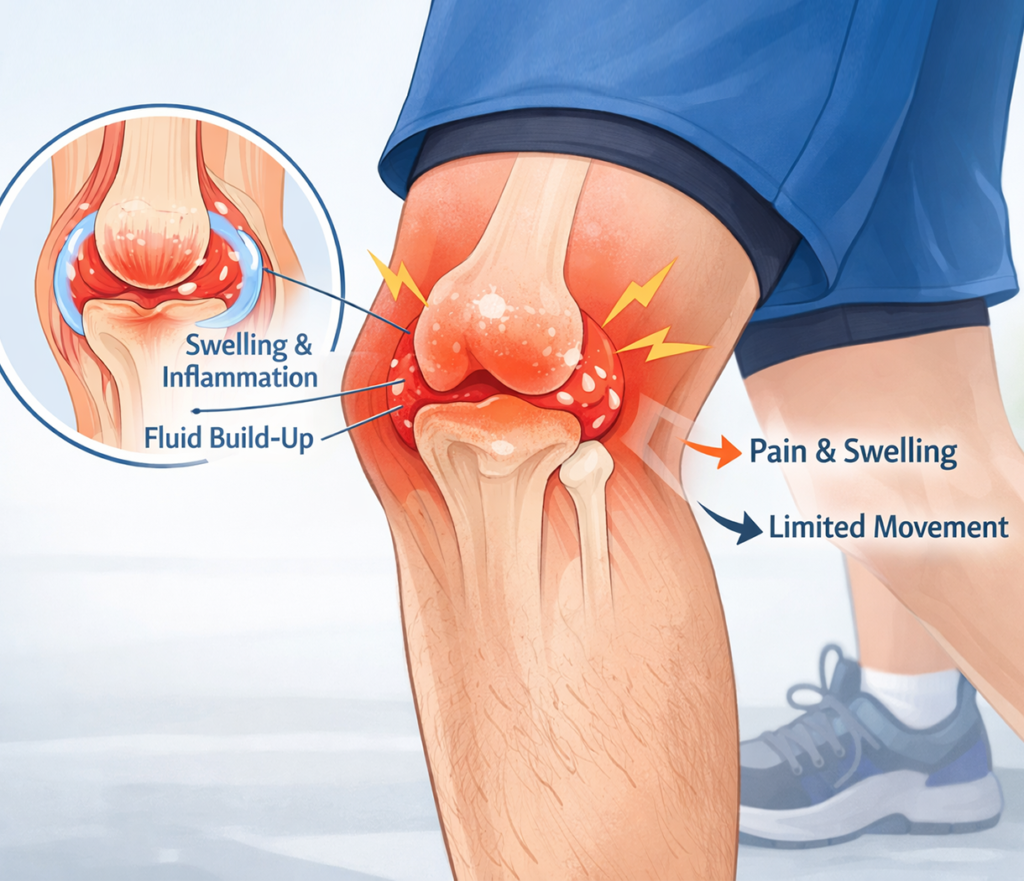
Sprains, strains, contusions, and overuse injuries are among the most frequent causes of post-injury swelling. These injuries often affect the muscles, tendons, ligaments, and joints. When tissue is damaged, the body initiates an inflammatory response that increases vascular permeability, causing fluid to accumulate in the affected area. While this swelling is part of the natural healing process, excessive edema can restrict mobility, increase discomfort, and slow recovery. Recognizing the type of injury and understanding its swelling patterns is critical for effective management and faster rehabilitation.
1.2 Physiological Mechanism of Swelling
Swelling, or edema, occurs when blood vessels expand and leak plasma and immune cells into surrounding tissues following trauma. The accumulation of fluid leads to increased pressure, resulting in pain and limited movement. In athletes, prolonged or severe edema can also impair circulation, delay nutrient delivery, and hinder cellular repair. Understanding this physiological mechanism helps explain why targeted therapies, such as CO₂ Cryotherapy, are effective. By modulating blood flow and reducing inflammation, the therapy addresses swelling directly at the tissue level.
1.3 Traditional Recovery Methods
Historically, athletes have relied on the RICE method: rest, ice, compression, and elevation. While effective in the short term, these interventions have limitations. Ice packs provide temporary relief, but uneven cooling and short application time may not fully resolve edema. Compression and elevation can help limit swelling but may not accelerate tissue repair. Consequently, athletes seeking faster return to activity increasingly turn to advanced treatments like CO₂ Cryotherapy, which combines precise cold application with cellular healing benefits.
2 Introduction to CO₂ Cryotherapy
2.1 What Is CO₂ Cryotherapy
CO₂ Cryotherapy involves the application of liquid carbon dioxide at extremely low temperatures to affected areas. Unlike traditional ice therapy, this method provides consistent and controlled cold exposure, triggering vasoconstriction followed by vasodilation. This process reduces fluid accumulation, enhances local circulation, and stimulates metabolic activity within injured tissues. The therapy is non-invasive, painless, and can be repeated multiple times safely, making it ideal for athletes needing rapid recovery after injury.
2.2 Mechanism of Action for Swelling
The extreme cold from CO₂ Cryotherapy slows cellular metabolism and constricts blood vessels, reducing inflammation and edema. When the tissue warms after treatment, vasodilation occurs, increasing oxygen and nutrient delivery to damaged muscles, tendons, or ligaments. This dual-phase response not only alleviates swelling but also promotes tissue repair and accelerates the body’s natural healing processes. For athletes, this translates into shortened recovery times and reduced downtime.
2.3 Advantages Over Traditional Methods
Compared to ice packs and compression wraps, CO₂ Cryotherapy offers several advantages. It provides uniform cooling over targeted areas without the risk of frostbite or skin damage. The therapy is precise, allowing practitioners to focus on specific muscles or joints while maintaining safety. Additionally, the enhanced blood flow and cellular stimulation achieved with CO₂ Cryotherapy surpass the benefits of traditional methods, resulting in faster edema resolution and pain relief.
3 Benefits of CO₂ Cryotherapy for Athletes
3.1 Rapid Reduction of Edema
One of the primary benefits of CO₂ Cryotherapy is its ability to rapidly reduce post-injury swelling. By constricting blood vessels and modulating inflammation, the therapy minimizes fluid buildup in affected tissues. Athletes often notice a decrease in limb circumference and reduced tension in muscles shortly after treatment. Faster edema reduction prevents secondary damage from prolonged pressure on surrounding nerves and tissues, enabling earlier initiation of rehabilitation exercises.
3.2 Pain Relief and Comfort
In addition to controlling swelling, CO₂ Cryotherapy provides effective pain relief. Cold exposure slows nerve conduction and reduces the release of inflammatory mediators, which helps to diminish discomfort. This analgesic effect allows athletes to perform gentle movements sooner, supporting functional recovery. Reduced pain also minimizes compensatory movement patterns that could lead to further injury, promoting safer and more effective rehabilitation.
3.3 Enhanced Tissue Healing
CO₂ Cryotherapy stimulates cellular repair by improving blood flow and oxygen delivery to injured tissues. The therapy activates fibroblasts and other repair cells, accelerating collagen production and muscle recovery. By enhancing tissue regeneration, it reduces the risk of chronic injury and improves structural integrity. For competitive athletes, this means a shorter downtime and a quicker return to peak performance, making CO₂ Cryotherapy an essential tool in modern sports medicine.
4 What to Expect During Treatment
4.1 The Cryotherapy Session
A typical session lasts between 5 and 10 minutes. Liquid CO₂ is applied to the injured area using specialized equipment that maintains a precise, sub-zero temperature. Athletes often report a numbing or tingling sensation, followed by warmth once the tissue begins to respond. Sessions are generally comfortable, non-invasive, and can be repeated multiple times per week, depending on the injury’s severity and treatment goals.
4.2 Treatment Frequency and Protocol
The optimal frequency of CO₂ Cryotherapy depends on injury type, severity, and recovery goals. Mild sprains may require 2–3 sessions per week, while more severe strains or contusions can benefit from daily short sessions. Adhering to a consistent protocol ensures maximum reduction of swelling, enhanced tissue repair, and faster functional recovery. Treatments are often integrated into broader rehabilitation plans for comprehensive recovery.
4.3 Combining Cryotherapy with Rehabilitation
CO₂ Cryotherapy is most effective when paired with controlled rehabilitation exercises. Gentle stretching, strength training, and functional movements enhance muscle performance and joint stability. Combining therapy with physiotherapy reduces the risk of stiffness, improves coordination, and ensures long-term recovery. Athletes benefit from a holistic approach that addresses both swelling and functional restoration.
5 Safety Considerations and Best Practices
5.1 Professional Supervision Required
To ensure safety, CO₂ Cryotherapy should be administered by trained professionals. Proper control of temperature, duration, and treatment area prevents potential complications, such as skin irritation or frostbite. Supervision also allows for individualized adjustments based on the athlete’s condition, maximizing therapeutic effectiveness.
5.2 Suitable and Unsuitable Cases
While CO₂ Cryotherapy is ideal for soft tissue injuries, it may not be appropriate for open wounds, severe vascular conditions, or certain skin disorders. Athletes should undergo a medical evaluation before starting therapy. Proper screening ensures the treatment is safe and effective for their specific injury profile.
5.3 Post-Treatment Care
After treatment, athletes should perform light movement, stay hydrated, and monitor the treated area for any unusual reactions. Integrating cryotherapy with regular rehabilitation sessions maximizes recovery, maintains flexibility, and helps prevent future injuries. Long-term benefits are best achieved when therapy is combined with proper training, nutrition, and rest.
FAQ
Is CO₂ Cryotherapy painful?
No. Most athletes experience a cold numbing sensation followed by warmth and comfort.
How quickly will swelling improve?
Many notice visible reduction in edema and improved mobility after the first session.
Can it replace ice or compression?
It complements traditional methods but often provides faster and more consistent results.
Are there any side effects?
Side effects are rare; mild redness or tingling may occur temporarily.
Can CO₂ Cryotherapy prevent future injuries?
While it accelerates recovery, long-term prevention still requires proper training and conditioning.
Conclusion
CO₂ Cryotherapy is a non-invasive, effective, and safe solution for managing post-injury swelling in athletes. By reducing edema, relieving pain, and accelerating tissue repair, it allows athletes to return to training and competition faster. When combined with professional rehabilitation and controlled exercises, CO₂ Cryotherapy becomes a cornerstone of modern sports medicine, optimizing both recovery and long-term performance.
References
Cryotherapy in Sports Medicine: Mechanisms and Applications
https://www.ncbi.nlm.nih.gov/pmc/articles/PMC4675760
CO₂ Cryotherapy for Soft Tissue Injuries
https://www.sciencedirect.com/science/article/pii/S1877579218300441
Post-Injury Recovery in Athletes Using Cryotherapy