Introduction
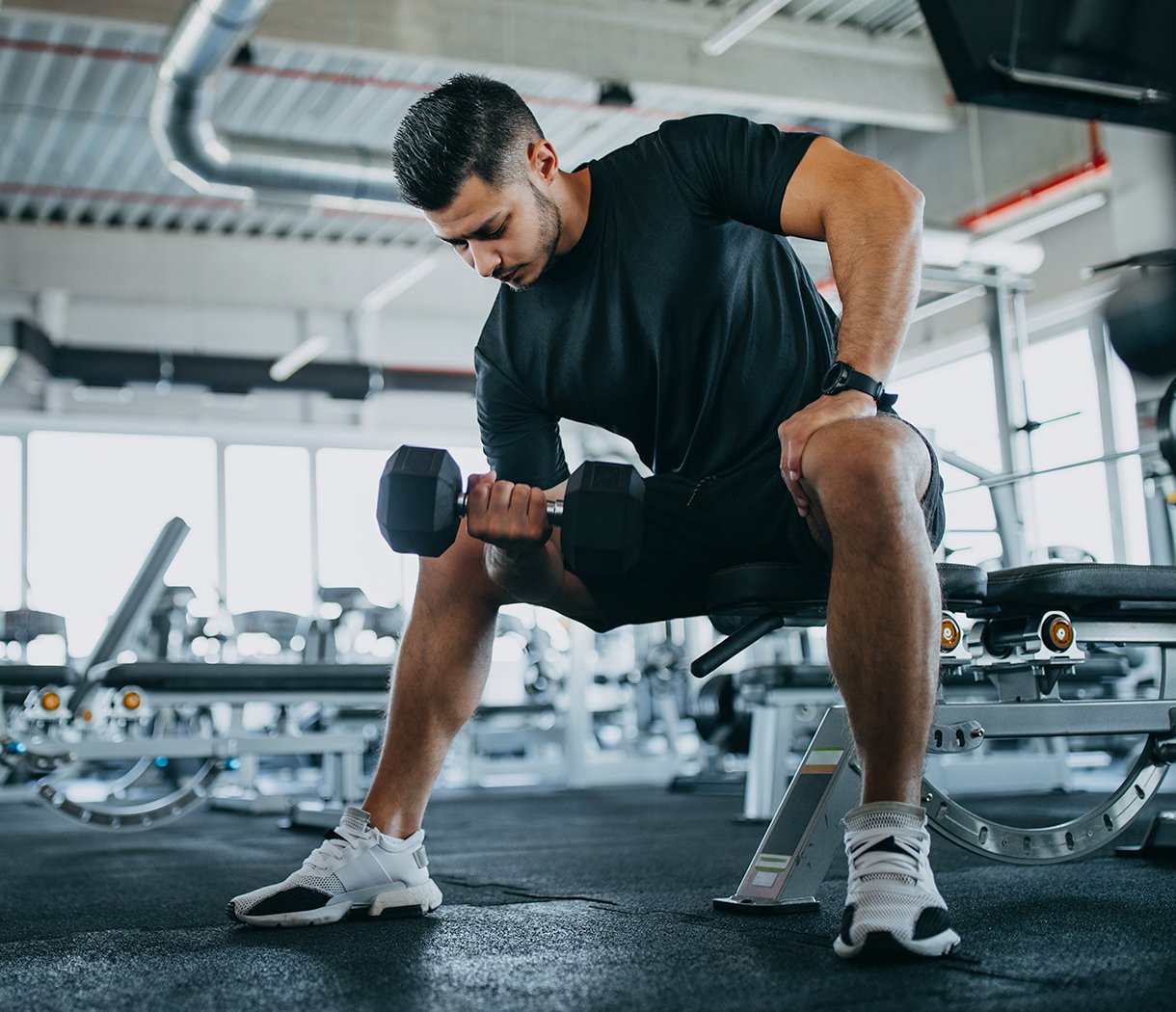
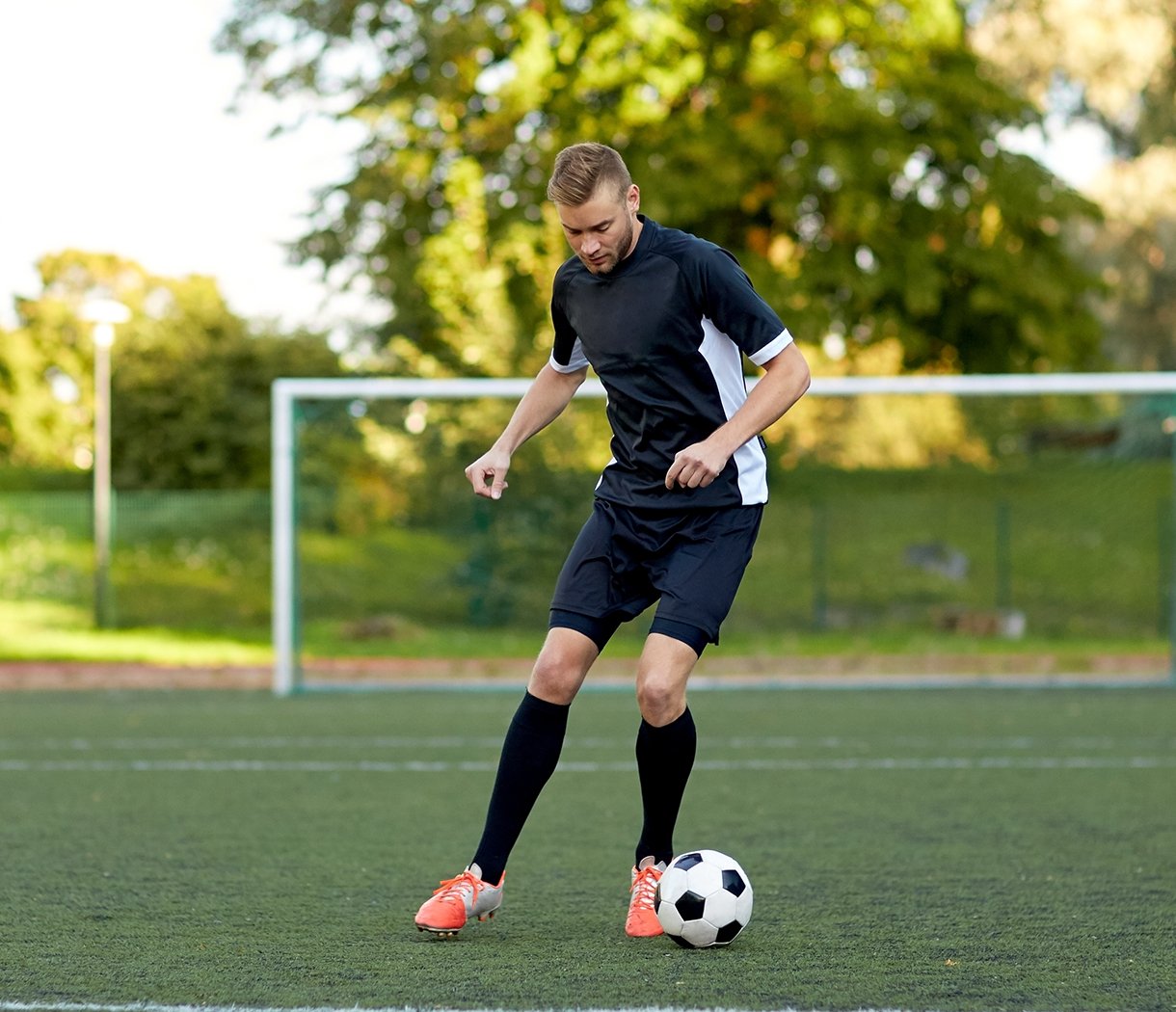
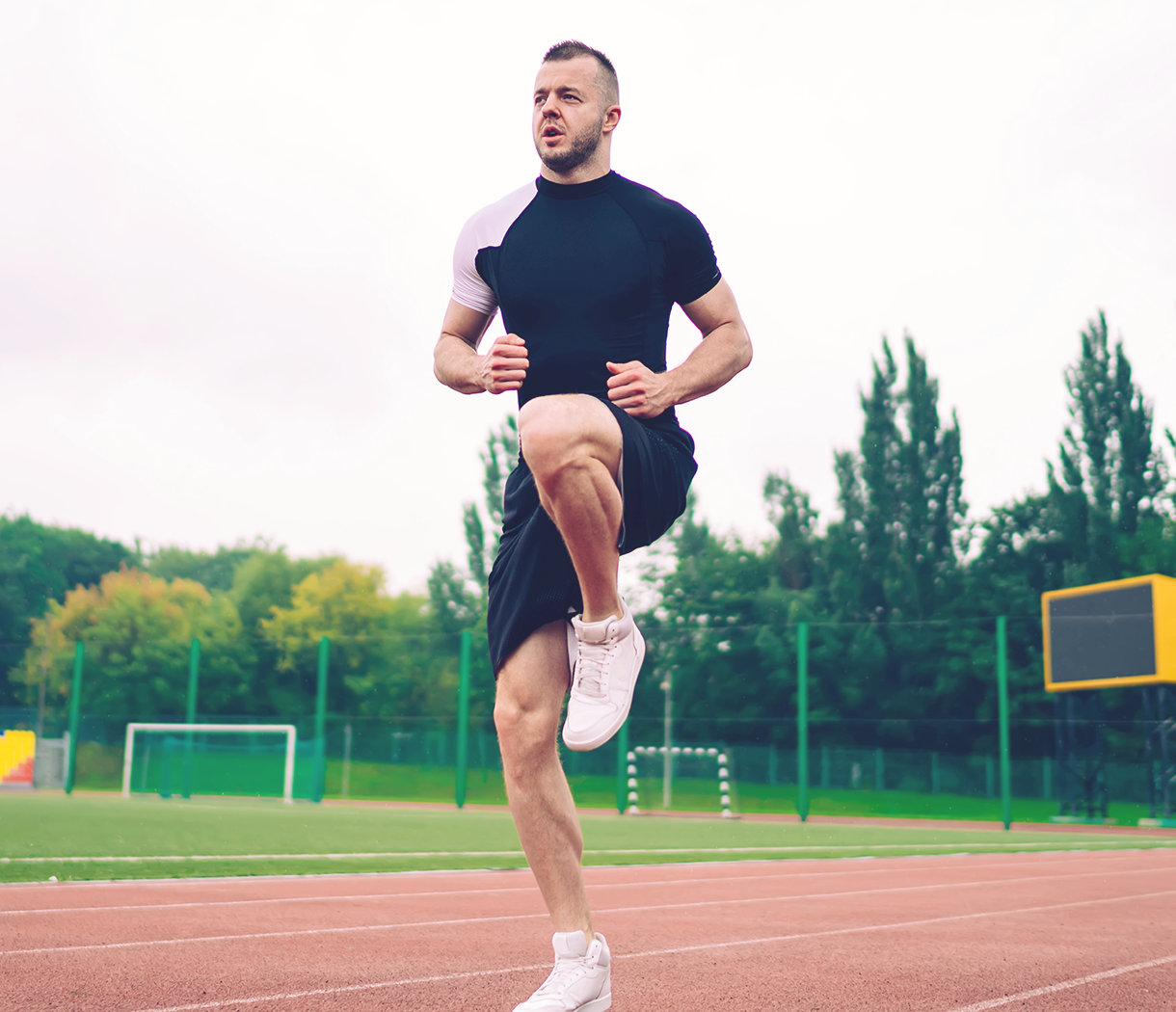
High-intensity training (HIIT) and extreme sports place considerable stress on muscles, tendons, and joints. These intense activities often lead to microtrauma, localized inflammation, and delayed-onset muscle soreness (DOMS), which can hinder an athlete’s performance and recovery. Traditional recovery methods—such as ice packs, compression, or active recovery—have proven benefits but also certain limitations. CO₂ Cryotherapy has emerged as a non-invasive, localized treatment that offers a controlled, scientifically grounded approach to managing post-training inflammation and supporting faster recovery. Unlike conventional ice therapy, CO₂ Cryotherapy allows for precise temperature control and targeted application, making it an attractive option for high-performance athletes seeking optimal recovery and injury prevention.
1. High-Intensity Training and Its Physiological Impact
1.1 Muscle Microtrauma and Inflammation
High-intensity training involves repetitive, high-load muscular contractions that induce small-scale injuries in muscle fibers, known as microtrauma. These micro-injuries trigger a localized inflammatory response, which is a natural part of tissue repair. However, the inflammatory process can also cause swelling, pain, and temporary decreases in strength and mobility. During intense training sessions or competitions, the accumulation of these microtraumas can exacerbate fatigue, reduce performance efficiency, and increase the risk of overuse injuries. Understanding this process highlights the need for targeted recovery strategies that mitigate inflammation while supporting cellular repair mechanisms.
1.2 Oxidative Stress and Metabolic Load
Intense exercise also significantly increases metabolic demand, leading to elevated production of reactive oxygen species (ROS) and oxidative stress within muscle tissue. Oxidative stress can further damage cellular structures, impair mitochondrial function, and prolong recovery if left unmanaged. CO₂ Cryotherapy, by inducing localized cooling, may modulate metabolic activity and reduce oxidative stress. This can promote an environment conducive to muscle repair and enhanced recovery efficiency. By targeting areas of high stress, athletes can benefit from faster reduction in inflammatory mediators, decreased discomfort, and improved functional restoration.
2. CO₂ Cryotherapy: Principles and Mechanisms
2.1 What is CO₂ Cryotherapy
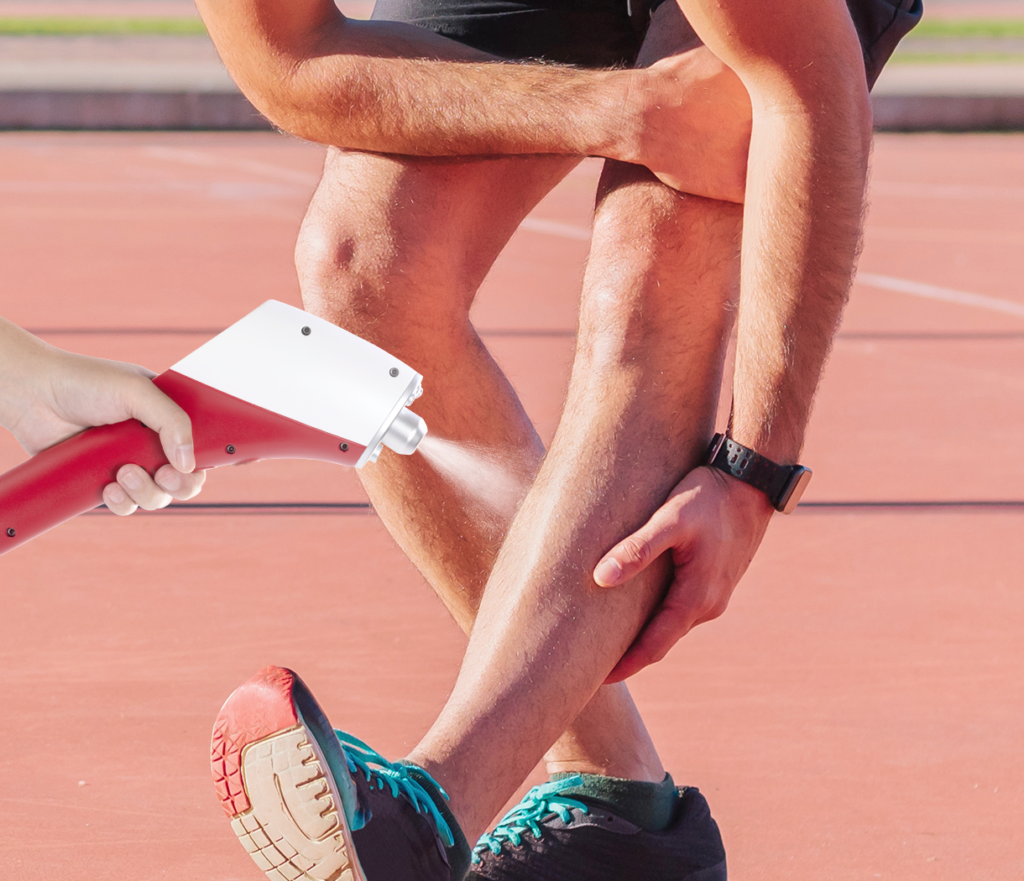
CO₂ Cryotherapy is a localized treatment that applies carbon dioxide in its cold gas form to targeted areas of the body. Unlike full-body cryotherapy or traditional ice packs, CO₂ Cryotherapy provides precise temperature control, allowing for effective cooling without the risk of frostbite or systemic hypothermia. This treatment is non-invasive, typically painless, and easily adjustable to suit different body regions and sensitivity levels. The localized nature of CO₂ Cryotherapy makes it particularly suitable for athletes who need targeted relief for specific muscles or joints while maintaining overall body function and mobility.
2.2 Cellular and Vascular Mechanisms
At the cellular level, CO₂ Cryotherapy exerts several key effects. Cooling induces transient vasoconstriction in the microvasculature, which reduces local inflammation and limits the accumulation of metabolic byproducts that contribute to pain and swelling. Once the cooling period ends, a reactive vasodilation phase occurs, promoting enhanced blood flow and nutrient delivery to the tissue. Additionally, CO₂ Cryotherapy may influence the production of inflammatory cytokines such as interleukin-6 (IL‑6) and tumor necrosis factor-alpha (TNF‑α), moderating excessive inflammatory responses and supporting tissue repair. These mechanisms collectively facilitate faster recovery and reduce discomfort associated with intense training.
2.3 Neuromuscular Modulation
CO₂ Cryotherapy also impacts neuromuscular function. Localized cooling can modulate nerve conduction velocity and alter motor neuron excitability, which may help reduce muscle spasms, hypertonicity, and overactive reflex responses post-training. By temporarily reducing peripheral nerve excitability, athletes can experience relief from acute discomfort while maintaining functional movement. This neuromuscular modulation is particularly beneficial for post-HIIT recovery, where tight or fatigued muscles can compromise performance in subsequent training or competitive events.
3. Practical Applications in Athletes
3.1 Immediate Post-Training Recovery
CO₂ Cryotherapy can be applied immediately following high-intensity training to manage inflammation and support recovery. Optimal protocols typically involve treating the targeted muscle groups for several minutes at a controlled temperature. Athletes can combine this treatment with gentle stretching or light active recovery exercises to enhance circulation and prevent stiffness. By strategically applying CO₂ Cryotherapy after training, inflammation is reduced, muscle soreness is alleviated, and athletes are better prepared for the next training session without compromising performance.
3.2 Competition Phase Application
During periods of frequent competitions or dense training schedules, athletes are particularly vulnerable to cumulative fatigue and microtrauma. CO₂ Cryotherapy allows for rapid, localized intervention to control post-exercise inflammation without impacting overall body temperature or cardiovascular stability. Unlike ice baths, which expose the entire body to extreme cold and may interfere with training adaptation, localized CO₂ Cryotherapy provides targeted relief. Athletes can maintain their training intensity while minimizing downtime, reducing the risk of overuse injuries and promoting consistent performance.
3.3 Integration with Other Recovery Modalities
CO₂ Cryotherapy is most effective when integrated into a comprehensive recovery program. Combining it with compression therapy, massage, active recovery, and proper nutrition can enhance the body’s natural healing processes. For example, applying CO₂ Cryotherapy to a fatigued muscle group immediately after training, followed by light compression and targeted stretching, can optimize blood flow, reduce inflammation, and accelerate tissue repair. This integration ensures that athletes receive a holistic approach to recovery, addressing both physiological and functional aspects of post-training restoration.
4. Safety, Precautions, and Suitable Users
4.1 Safety Profile of CO₂ Cryotherapy
CO₂ Cryotherapy is generally considered safe when applied correctly. Its non-invasive nature minimizes risks compared to systemic cold exposure, and adverse effects are rare and typically mild, such as temporary numbness or slight local discomfort. The treatment is reversible, with tissues returning to normal temperature quickly once the session ends. This safety profile makes it suitable for a wide range of athletes, including those involved in high-intensity and extreme sports.
4.2 Precautions for Athletes
Despite its safety, athletes should observe certain precautions. Areas with open wounds, skin infections, or extreme sensitivity should be avoided. It is essential to control both the temperature and duration of exposure, as prolonged or excessively cold applications may cause discomfort or skin irritation. Additionally, athletes should allow appropriate intervals between training and CO₂ Cryotherapy sessions to optimize benefits without interfering with muscular adaptation.
4.3 Suitable Athlete Groups
CO₂ Cryotherapy is particularly beneficial for athletes engaging in HIIT, resistance training, interval sports, and extreme athletic activities. It is ideal for those experiencing minor inflammation, muscle fatigue, or overuse discomfort. Athletes recovering from microtraumas, or seeking to maintain performance during dense training schedules, can use CO₂ Cryotherapy as a reliable recovery adjunct. Its compatibility with other rehabilitation and recovery strategies enhances its versatility for professional and recreational athletes alike.
FAQ
Does CO₂ Cryotherapy affect muscle growth?
No, it primarily targets inflammation and recovery without impairing muscle hypertrophy when used appropriately.
How long does it take to see recovery benefits?
Some athletes notice reduced soreness and improved mobility after a single session, but consistent use provides the best cumulative effects.
Can it be used on competition day?
Yes, localized treatment can help reduce post-training inflammation without affecting overall performance.
Are there side effects or tolerance issues?
Side effects are rare and mild, usually limited to temporary numbness or a brief tingling sensation.
Are home-use CO₂ Cryotherapy devices effective?
They may provide mild relief, but professional equipment ensures precise temperature control and deeper tissue penetration.
Does it need to be combined with other recovery methods?
While effective on its own, combining CO₂ Cryotherapy with compression, stretching, and nutrition maximizes recovery efficiency.
Conclusion
CO₂ Cryotherapy offers athletes a controlled, non-invasive, and scientifically grounded method to manage inflammation and support recovery after high-intensity training or extreme sports. By targeting microtrauma, modulating neuromuscular function, and promoting vascular and cellular repair mechanisms, this treatment can reduce post-exercise soreness and accelerate functional restoration. When integrated into a comprehensive recovery protocol, CO₂ Cryotherapy provides a valuable tool for athletes seeking to maintain peak performance, reduce injury risk, and optimize long-term training outcomes.
References
Local Cryotherapy. CO₂ Cryotherapy for Athletic Recovery.
https://www.localcryotherapy.com
Bleakley, C., & Davison, G. What is the biochemical and physiological rationale for using cold-water immersion in sports recovery? Sports Med, 2010; 40(5): 339–359.
https://pubmed.ncbi.nlm.nih.gov/20370547/
Petrofsky, J., & Laymon, M. Cryotherapy and neuromuscular function: Effects on athletes. Journal of Thermal Biology, 2015; 50: 48–54.
https://www.sciencedirect.com/science/article/pii/S0306456515000292
Costello, J., et al. The effects of localized cooling on muscle soreness and recovery in athletes. European Journal of Applied Physiology, 2012; 112: 1773–1780.
https://pubmed.ncbi.nlm.nih.gov/22370946/
Meeusen, R., et al. Recovery, overtraining, and performance in sport. Journal of Sports Sciences, 2010; 28(1): 1–14.