
مقدمة
Veterinary care continues to evolve with new technologies that support animal comfort, recovery, and overall wellness. CO₂ cryotherapy, also known as local cryotherapy or targeted cryotherapy, uses controlled carbon dioxide cooling technology to deliver cold stimulation to specific areas. Unlike traditional whole-body cooling methods, local CO₂ cryotherapy focuses on precise application, making it an area of interest for veterinary professionals exploring advanced wellness approaches. From active animals and working pets to general animal care settings, localized cooling technology provides another option that may complement existing veterinary routines and support animal mobility and comfort.
1. Understanding CO₂ Cryotherapy in Veterinary Wellness
As animal wellness technology develops, veterinarians continue to explore different methods that can support animal care. Understanding how CO₂ cryotherapy works helps explain why localized cooling has gained attention in modern veterinary environments.
1.1 What Is CO₂ Cryotherapy and How Does It Work?
CO₂ cryotherapy is a localized cooling technology that uses carbon dioxide gas to create a rapid temperature reduction on targeted areas. Unlike traditional ice applications, this therapy allows professionals to apply controlled cooling without placing a physical ice source directly on the skin.
The cooling process creates a temporary response in the treated area and may influence circulation, tissue temperature, and local comfort. In veterinary wellness applications, professionals may consider this technology as a supportive method when focusing on specific body regions that experience physical stress or temporary discomfort.
Local cryotherapy devices are designed to provide controlled application, allowing users to adjust treatment areas according to animal size, condition, and wellness goals.
1.2 Why Veterinarians Are Exploring Local Cryotherapy Technology
Veterinary professionals often look for solutions that provide targeted support while considering animal safety and comfort. Local CO₂ cryotherapy attracts attention because it allows focused application rather than cooling the entire body.
For animals that experience physical activity, aging-related mobility changes, or daily movement stress, targeted cooling technology may provide an additional wellness option. It can be considered alongside traditional veterinary care, exercise management, nutrition, and rehabilitation strategies.
1.3 Differences Between CO₂ Cryotherapy and Traditional Cooling Methods
Traditional cooling approaches, such as ice packs or cold compresses, have been commonly used in many wellness routines. However, these methods may have limitations related to application control, preparation time, and reaching specific areas.
CO₂ cryotherapy provides a more targeted approach by delivering controlled cold stimulation through a specialized device. This allows veterinary professionals to focus on specific locations while maintaining a more consistent application process.
2. Applications of CO₂ Cryotherapy in Animal Wellness
Different animals have different lifestyles, activity levels, and physical needs. Local CO₂ cryotherapy may be considered in various animal wellness environments where targeted cooling support is beneficial.
2.1 Supporting Active Animals and Performance Animals
Active animals, including working dogs, sport animals, and highly energetic pets, often participate in regular physical activities. Repetitive movement and high activity levels may create temporary muscle fatigue or physical stress.
Veterinary professionals may explore this therapy as part of a broader wellness approach to support animal comfort after physical activity. Combined with proper rest, exercise planning, and professional care, localized cooling may contribute to maintaining normal mobility.
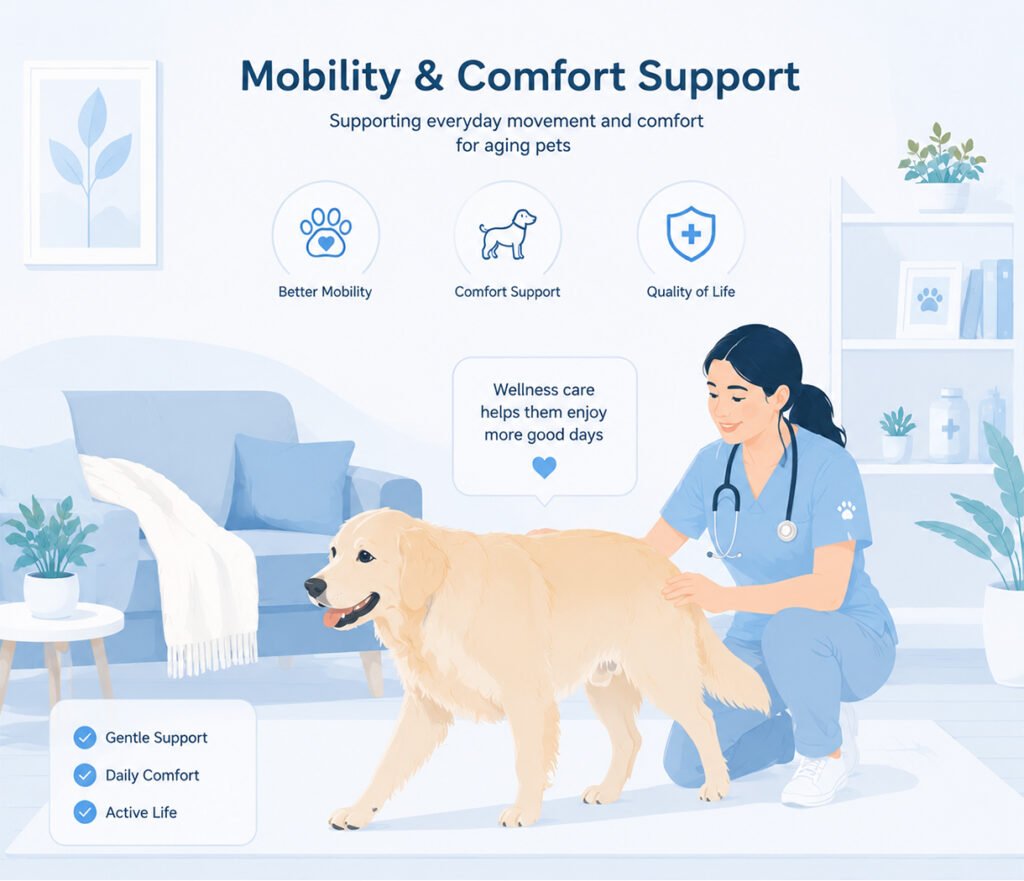
2.2 Local Cryotherapy for Mobility and Comfort Support
Mobility is an important aspect of animal wellness, especially for older animals or animals with active lifestyles. Maintaining comfortable movement allows pets to continue participating in daily activities.
Localized CO₂ cryotherapy focuses on specific body areas rather than applying general cooling. Veterinary professionals may use targeted approaches when considering ways to support animal comfort and movement as part of a comprehensive wellness routine.
2.3 Supporting Veterinary Rehabilitation Programs
Rehabilitation has become an important part of modern veterinary care. Many rehabilitation programs combine multiple approaches, including physical activity management, mobility exercises, and supportive technologies.
CO₂ cryotherapy may be considered as one additional tool within rehabilitation environments. Its targeted cooling characteristics allow professionals to focus on selected areas while integrating it with other recovery-support methods.
3. The Role of CO₂ Cryotherapy in Modern Veterinary Practices
Technology continues to influence how veterinary professionals approach animal wellness. Local cryotherapy represents one example of how targeted equipment can support personalized care strategies.
3.1 Benefits of Targeted Cooling Technology for Animal Care
One of the main features of local CO₂ cryotherapy is its ability to focus on specific areas. This targeted approach allows veterinary professionals to consider individual animal needs instead of applying a general cooling method.
The ability to control application areas may make localized cryotherapy suitable for different wellness environments, including veterinary clinics, rehabilitation centers, and professional animal care facilities.
3.2 CO₂ Cryotherapy and the Importance of Personalized Animal Care
Every animal has different physical characteristics, activity levels, and wellness requirements. Personalized care remains an important principle in veterinary environments.
CO₂ cryotherapy should be considered as part of an individualized wellness plan. Veterinary professionals can evaluate factors such as animal condition, activity habits, and overall health when deciding whether localized cooling technology fits within their care approach.
4. Exploring CO₂ Cryotherapy for Different Animal Groups
Animals have unique lifestyles and physical demands. Understanding how different groups may interact with local cryotherapy technology can help explain its potential role in animal wellness.
4.1 CO₂ Cryotherapy for Dogs With Active Lifestyles
Dogs that participate in frequent outdoor activities, training programs, or working environments may experience repeated physical demands.
Local cryotherapy technology provides a targeted cooling option that may support comfort-focused wellness routines. Areas commonly considered by professionals may include legs, joints, and muscle regions involved in movement.
4.2 CO₂ Cryotherapy for Equine Wellness
Horses often participate in athletic activities that require significant physical effort. Their muscles, joints, and movement patterns require careful management to support long-term wellness.
CO₂ cryotherapy has gained interest in equine wellness because localized cooling allows professionals to focus on specific areas. It may be incorporated alongside established veterinary and rehabilitation practices.
5. The Future of CO₂ Cryotherapy in Veterinary Technology
As veterinary technology continues developing, targeted wellness solutions are becoming increasingly important. This therapy represents a growing area where advanced cooling technology meets personalized animal care.
5.1 Growing Interest in Non-Invasive Animal Wellness Technologies
Many veterinary professionals are exploring non-invasive technologies that can complement traditional care approaches. Local cryotherapy provides a technology-based option focused on targeted cooling and animal comfort.
The development of portable and professional cryotherapy equipment may continue expanding opportunities for veterinary wellness applications.
5.2 Choosing the Right Approach for Veterinary Applications
When considering any wellness technology, veterinary professionals should focus on proper application, animal needs, and professional judgment.
CO₂ cryotherapy is best viewed as a supportive technology that works alongside comprehensive veterinary care. Proper evaluation and responsible use remain important parts of maintaining animal health and wellness.
الأسئلة الشائعة
What is CO₂ cryotherapy for animals?
CO₂ cryotherapy for animals is a localized cooling technology that uses carbon dioxide to provide targeted cold stimulation to specific areas.
Can CO₂ cryotherapy replace veterinary care?
No. It is considered a supportive wellness technology and should not replace professional veterinary evaluation or treatment.
Which animals may use local cryotherapy?
Local cryotherapy may be considered for different animal groups, including active dogs, working animals, and equine wellness programs, depending on professional recommendations.
How does CO₂ cryotherapy differ from ice packs?
It provides controlled targeted cooling, while ice packs use direct cold contact and may have different application characteristics.
Is CO₂ cryotherapy only for sports animals?
No. It may be explored in various animal wellness settings, not only for performance animals.
Why are veterinarians interested in targeted cooling technology?
Targeted cooling allows professionals to focus on specific areas and integrate technology into personalized animal wellness strategies.
الخاتمة
CO₂ cryotherapy is becoming an interesting technology within modern veterinary wellness because it provides targeted cooling through a controlled and localized approach. From active dogs to equine care environments, local cryotherapy may offer additional support for maintaining comfort and mobility when used as part of a comprehensive wellness plan. As veterinary technology continues to advance, CO₂ cryotherapy represents one example of how innovative tools can complement traditional animal care practices and support personalized wellness strategies.
المراجع
Cryotherapy in Veterinary Medicine: Applications and Principles
https://www.ncbi.nlm.nih.gov/pmc/articles/PMC7350001
Physical Therapy and Rehabilitation in Veterinary Medicine
https://www.ncbi.nlm.nih.gov/pmc/articles/PMC7139974
Cold Therapy and Its Effects on Biological Tissues
https://www.ncbi.nlm.nih.gov/pmc/articles/PMC4042895
Rehabilitation and Conditioning of Canine Athletes
https://www.ncbi.nlm.nih.gov/pmc/articles/PMC4494336
Advances in Animal Rehabilitation and Wellness Technologies