مقدمة
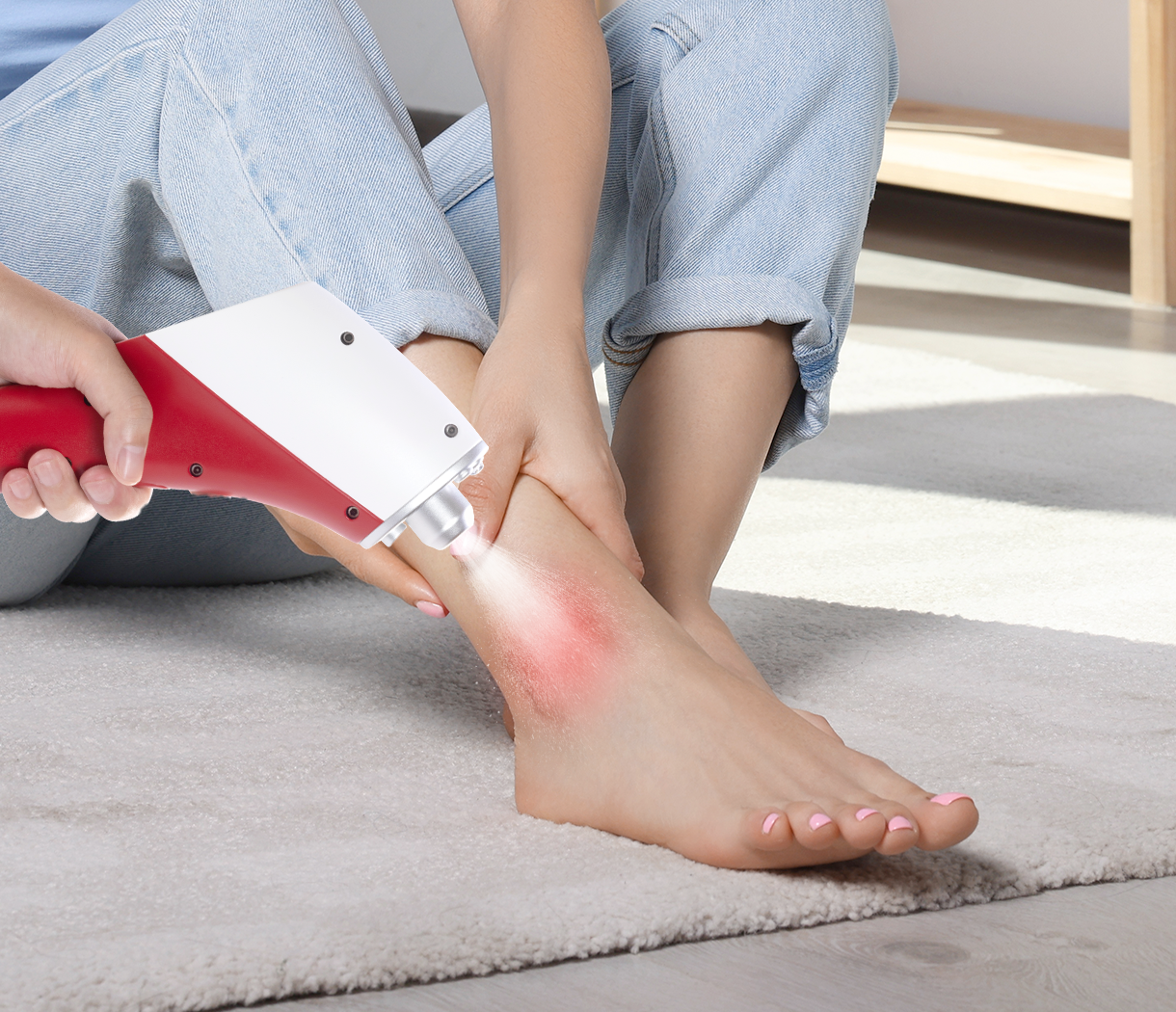
Everyday injuries, such as minor sprains, strains, or muscle discomfort, are common occurrences in both active individuals and those with sedentary lifestyles. CO₂ cryotherapy, a non-invasive, rapid-response treatment, has emerged as a promising adjunctive solution for immediate pain relief, inflammation reduction, and support for tissue recovery. Its mechanism, grounded in physiological responses to extreme cold exposure, provides temporary analgesic effects and enhances circulation, making it particularly useful in daily life scenarios. This blog will explore the types of common injuries, the physiological effects of CO₂ cryotherapy, its practical applications, safety considerations, and broader benefits, offering readers a comprehensive overview of this first-aid supportive therapy.
1. Common Everyday Injuries
Everyday activities and minor accidents can result in injuries that, while not life-threatening, may significantly impact comfort, mobility, and productivity. Understanding the types of injuries common in daily life provides context for how CO₂ cryotherapy can serve as a helpful adjunct.
1.1 Sprains and Strains
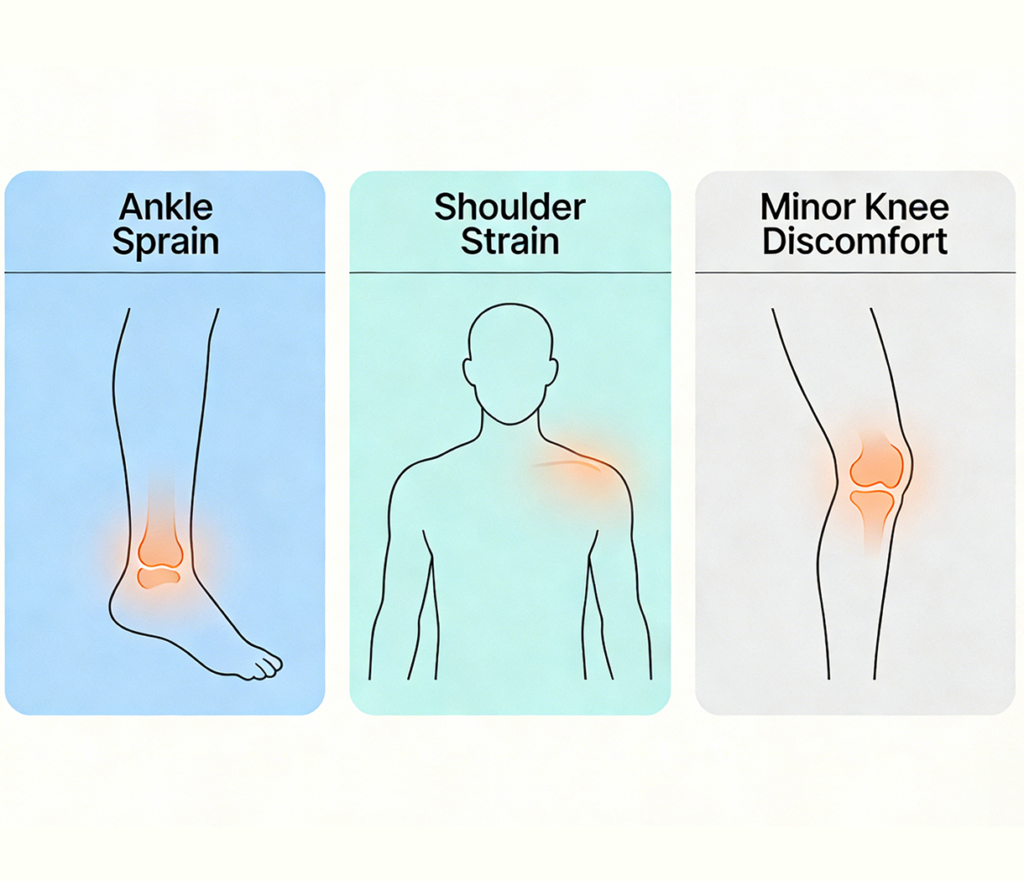
Sprains involve the overstretching or tearing of ligaments, while strains affect muscles or tendons. These injuries often occur during abrupt movements, missteps, or slips and can result in pain, swelling, and temporary limitation of motion. For instance, stepping incorrectly off a curb or overexerting during home exercises may lead to mild sprains or strains. Recognizing the signs early—such as tenderness, localized swelling, or difficulty moving the affected joint—can help individuals implement immediate supportive measures. CO₂ cryotherapy can play a role in these scenarios by providing localized cold exposure, which temporarily reduces pain perception and mitigates the initial inflammatory response.
1.2 Minor Muscle and Joint Injuries
Minor muscle soreness and joint discomfort often accompany routine physical activity or minor accidents. Tasks such as lifting heavy objects, minor trips, or recreational sports can induce muscle microtrauma or joint irritation. While these injuries are not severe, they can interfere with daily tasks, decrease overall comfort, and, if recurrent, contribute to long-term tissue stress. Understanding the nature of these common injuries allows individuals to consider supportive interventions that may alleviate discomfort, maintain mobility, and prevent the development of more significant complications over time. CO₂ cryotherapy is particularly well-suited for these minor injuries, offering non-pharmacologic support to enhance comfort during recovery.
2. Physiological Effects of CO₂ Cryotherapy
The therapeutic effects of CO₂ cryotherapy extend beyond immediate pain relief. Exposure to extremely cold CO₂ gas triggers a series of physiological responses that contribute to analgesia, anti-inflammatory effects, and tissue support.
2.1 Pain Reduction Mechanisms
CO₂ cryotherapy reduces pain by temporarily affecting nerve conduction and modulating nociceptor activity. Cold exposure slows the transmission of pain signals to the central nervous system, providing rapid analgesic effects. This is particularly beneficial for acute, localized pain resulting from minor injuries. Additionally, cold-induced vasoconstriction helps limit edema formation, reducing discomfort further. The immediate perceptual relief encourages individuals to continue with daily activities and reduces the reliance on pharmacologic interventions, positioning CO₂ cryotherapy as a valuable adjunctive first-aid tool for acute, minor injuries.
2.2 Anti-Inflammatory Effects
CO₂ cryotherapy influences the inflammatory cascade by promoting vasoconstriction followed by reactive vasodilation, which can enhance circulation and tissue oxygenation. This process helps mitigate early inflammatory responses, such as swelling and redness, that typically follow minor sprains or muscle overuse. By modulating local cytokine activity and microvascular dynamics, cold exposure contributes to the regulation of inflammatory mediators. These anti-inflammatory effects support tissue recovery, reduce secondary discomfort, and create a more favorable environment for natural healing processes, providing practical benefits in everyday injury scenarios.
2.3 Cellular and Tissue Support
At the cellular level, CO₂ cryotherapy supports tissue integrity by influencing metabolic activity and microcirculation. Cold exposure can enhance mitochondrial efficiency and cellular resilience, promoting an optimal environment for tissue repair. The therapy may also help stabilize connective tissue structures and reduce microvascular leakage, which contributes to swelling. While not a replacement for conventional medical interventions, CO₂ cryotherapy serves as a supportive measure that preserves tissue health, potentially accelerating recovery from minor injuries and improving overall musculoskeletal well-being.
3. Applications in Daily Life
CO₂ cryotherapy can be applied in various everyday contexts, from home accidents to workplace or outdoor activities, offering practical advantages for individuals seeking rapid relief from minor injuries.
3.1 Home Accidents and Minor Sports Injuries
Common household incidents, such as minor falls, missteps, or overexertion during domestic chores, can result in sprains, strains, or localized muscle discomfort. Recreational activities, including casual sports or exercise routines, may also lead to minor injuries. In these scenarios, CO₂ cryotherapy provides a non-invasive option to temporarily alleviate pain and reduce early inflammation. Its ease of application and rapid effects make it suitable for immediate post-incident support, allowing individuals to maintain comfort and mobility in daily life.
3.2 Workplace Injuries
Workplace settings, from office environments to more physically demanding occupations, present opportunities for minor musculoskeletal injuries. Prolonged sitting, repetitive movements, lifting, or unexpected slips can induce muscle tension or joint irritation. CO₂ cryotherapy offers a convenient adjunct to conventional first-aid measures, enabling employees to manage discomfort quickly and maintain productivity. Its use can support overall occupational well-being and reduce the immediate impact of minor workplace injuries without relying solely on medication or extended rest periods.
3.3 Travel and Outdoor Activities
Outdoor and travel-related activities, such as hiking, cycling, or recreational excursions, carry inherent risks of minor injuries. Overexertion, uneven terrain, or accidental impacts may result in localized muscle soreness, joint discomfort, or minor sprains. CO₂ cryotherapy serves as a portable, rapid-response intervention that can be applied to alleviate acute symptoms. Its practical utility in travel or recreational contexts helps individuals continue activities safely, promotes recovery, and maintains a level of comfort during physically demanding experiences.
4. Safety and Precautions
While CO₂ cryotherapy is generally well-tolerated, understanding safety considerations and potential limitations is essential to ensure effective and responsible use.
4.1 General Safety Guidelines
To minimize risks, users should follow manufacturer instructions and avoid prolonged exposure beyond recommended durations. Appropriate clothing or protective barriers may be used to prevent cold-induced skin damage. Awareness of individual tolerance levels and underlying medical conditions, such as cardiovascular or peripheral vascular disorders, is important for safe use. Adhering to safety guidelines ensures that CO₂ cryotherapy can be used as a supportive tool without compromising tissue integrity or overall health.
4.2 Potential Side Effects
Side effects of CO₂ cryotherapy are typically mild and transient. Some individuals may experience temporary skin redness, tingling, or numbness in the treated area. Rarely, excessive exposure may lead to superficial frostbite or discomfort. Monitoring physical responses during and after sessions helps prevent adverse effects and allows users to adjust treatment parameters for optimal comfort and safety. Education on these potential effects contributes to informed use and maximizes therapeutic benefits.
4.3 When to Seek Professional Care
While CO₂ cryotherapy is effective for minor injuries, more serious conditions—such as severe sprains, fractures, or persistent pain—require professional medical evaluation. Red flags include significant swelling, inability to bear weight, or prolonged functional limitations. Recognizing these signs ensures timely intervention and prevents further complications. CO₂ cryotherapy should be viewed as a complement to, rather than a substitute for, professional assessment and treatment when indicated.
5. Benefits Beyond Immediate Relief
Beyond acute symptom management, CO₂ cryotherapy offers additional benefits that support long-term comfort, tissue health, and overall well-being.
5.1 Enhancing Daily Comfort
Regular use of CO₂ cryotherapy for minor injuries or post-activity discomfort can improve daily comfort levels. Individuals may experience reduced sensitivity to mild pain, increased mobility, and an overall sense of physical ease, which contributes to greater participation in everyday tasks and activities.
5.2 Supporting Long-Term Tissue Health
The physiological effects of CO₂ cryotherapy, including enhanced circulation and moderated inflammatory responses, can support long-term tissue resilience. Over time, this may help maintain connective tissue integrity, promote efficient cellular repair, and contribute to the preservation of joint and muscle health, particularly in those prone to recurrent minor injuries.
5.3 Psychological and Well-being Aspects
Experiencing immediate relief from minor injuries positively affects psychological well-being. Reduced discomfort and the perception of rapid recovery can alleviate stress, improve mood, and enhance confidence in performing daily activities. This psychological benefit complements physical recovery and underscores the holistic value of CO₂ cryotherapy as a supportive first-aid tool.
الأسئلة الشائعة
Q1: Is CO₂ Cryotherapy safe for all ages?
Answer: Generally, it is safe for most age groups with minimal risk.
Q2: Can it completely replace traditional first aid?
Answer: No, it complements first aid but cannot replace professional medical care.
Q3: How quickly does it work?
Answer: Relief is often noticeable immediately after treatment.
Q4: Are there any side effects?
Answer: Side effects are rare and usually mild, such as temporary skin redness.
Q5: Can it be used multiple times a day?
Answer: Yes, within recommended safety guidelines.
الخاتمة
CO₂ cryotherapy provides an effective, non-invasive adjunct for managing everyday minor injuries, offering immediate pain relief, anti-inflammatory support, and enhanced tissue comfort. By incorporating it responsibly into daily routines, individuals can maintain mobility, reduce discomfort, and complement traditional first-aid measures, promoting both physical and psychological well-being.
المراجع
Local Cryotherapy – CO₂ Cryotherapy: The First Aid Essential for Fast Pain Management
Journal of Athletic Training – Cold Therapy and Injury Recovery
https://natajournals.org/doi/full/10.4085/1062-6050-50.10.02
Sports Medicine Insights – Cryotherapy Mechanisms and Benefits
https://www.sportsmedinsights.com/cryotherapy-benefits-mechanisms