مقدمة
Knee injuries are among the most common and debilitating issues faced by skateboarders, particularly after falls or high-impact tricks. Rapid recovery and effective inflammation management are crucial to maintain performance, prevent chronic damage, and ensure long-term joint health. CO₂ cryotherapy, a non-invasive technique utilizing high-pressure carbon dioxide gas at extremely low temperatures, has emerged as a promising supportive intervention for post-injury knee rehabilitation. By influencing microcirculation, inflammatory mediators, and soft tissue recovery, localized CO₂ cold therapy provides skateboarders with an alternative or complementary strategy to traditional rehabilitation methods, facilitating safer and more efficient return to activity.
1. Understanding Skateboarding-Related Knee Injuries
Before exploring CO₂ cryotherapy’s supportive role, it is important to understand the mechanisms and characteristics of knee injuries common in skateboarding.
1.1 Why Skateboarding Puts Stress on the Knee
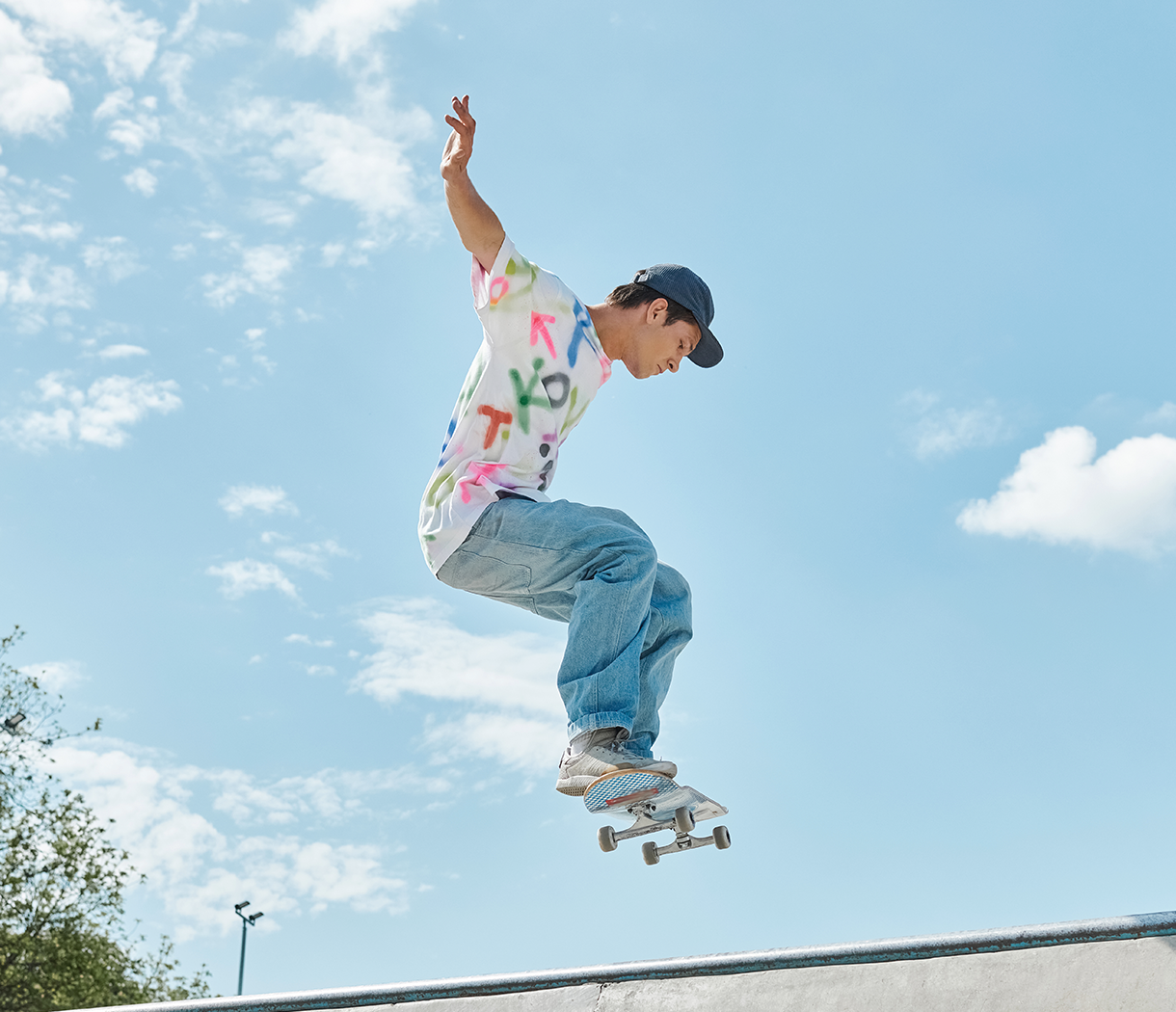
Skateboarding involves frequent jumping, twisting, and rapid directional changes, which impose significant biomechanical stress on the knee joint. The anterior cruciate ligament (ACL), menisci, and surrounding soft tissues often absorb high-impact forces, making them susceptible to acute sprains, contusions, and minor cartilage injuries. Even low-height falls can create shear and rotational forces that disrupt joint stability. Over time, repeated microtrauma may contribute to cumulative tissue inflammation and increased vulnerability to subsequent injuries, highlighting the importance of effective post-fall recovery interventions.
1.2 Common Knee Injury Symptoms in Skateboarders
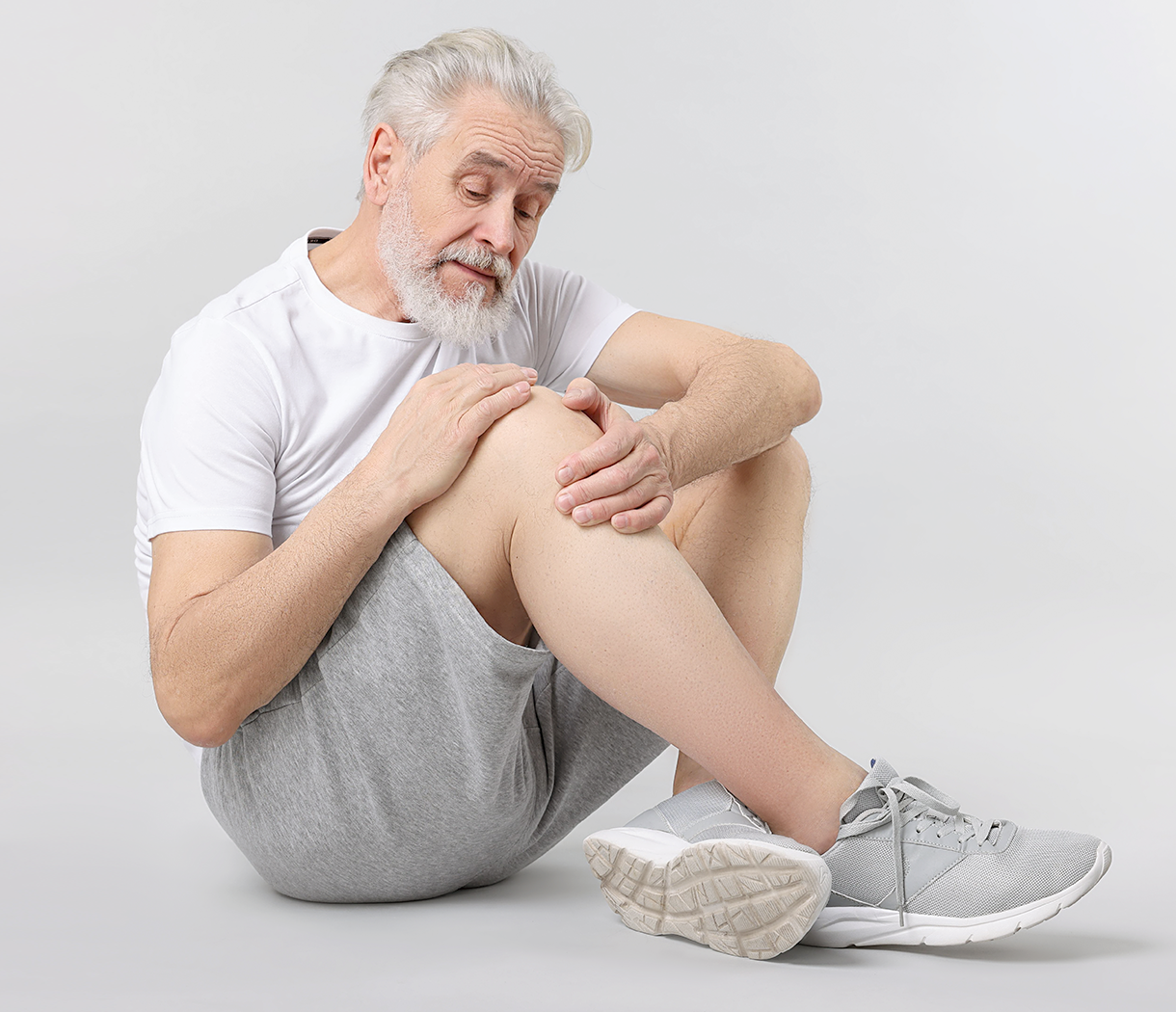
Early recognition of knee injury symptoms allows for timely supportive care. Following a fall, skateboarders may experience localized swelling, warmth, and tenderness around the joint. Pain may increase during flexion or weight-bearing activities, and minor instability can develop due to ligament strain. Bruising and hematoma formation are also common in soft tissue contusions. Persistent discomfort or limited range of motion often signals underlying tissue stress, emphasizing the need for interventions that reduce inflammation, promote circulation, and accelerate the natural healing processes within joint and periarticular tissues.
2. The Physiology of Knee Injury Recovery
Understanding tissue repair mechanisms provides context for why CO₂ cryotherapy can be beneficial in post-fall rehabilitation.
2.1 Inflammatory Response After Knee Trauma
After a knee impact, the body triggers an acute inflammatory response to initiate tissue repair. White blood cells, cytokines, and other signaling molecules migrate to the injured area, promoting clearance of damaged cells and initiating collagen deposition. While this process is essential for healing, excessive or prolonged inflammation may contribute to pain, swelling, and delayed functional recovery. Targeted interventions that modulate the inflammatory cascade without impeding repair can optimize recovery outcomes and minimize the risk of chronic joint dysfunction.
2.2 Microcirculation and Tissue Oxygenation
Adequate blood flow is critical for tissue regeneration, delivering oxygen, nutrients, and growth factors to the affected joint. Post-trauma, swelling and vascular compression can reduce microcirculatory efficiency, impairing cellular metabolism and delaying healing. Restoring local perfusion enhances tissue oxygenation, supports fibroblast activity, and accelerates repair of cartilage and soft tissues. Interventions that improve microcirculation are particularly valuable in skateboarding-related knee injuries, where repeated high-impact stress may compromise vascular responsiveness and tissue resilience.
3. What Is CO₂ Cryotherapy?
CO₂ cryotherapy uses extremely cold, high-pressure carbon dioxide gas for targeted tissue exposure. Its mechanisms make it particularly relevant for knee recovery in athletes and skateboarders.
3.1 Mechanisms of CO₂ Cryotherapy
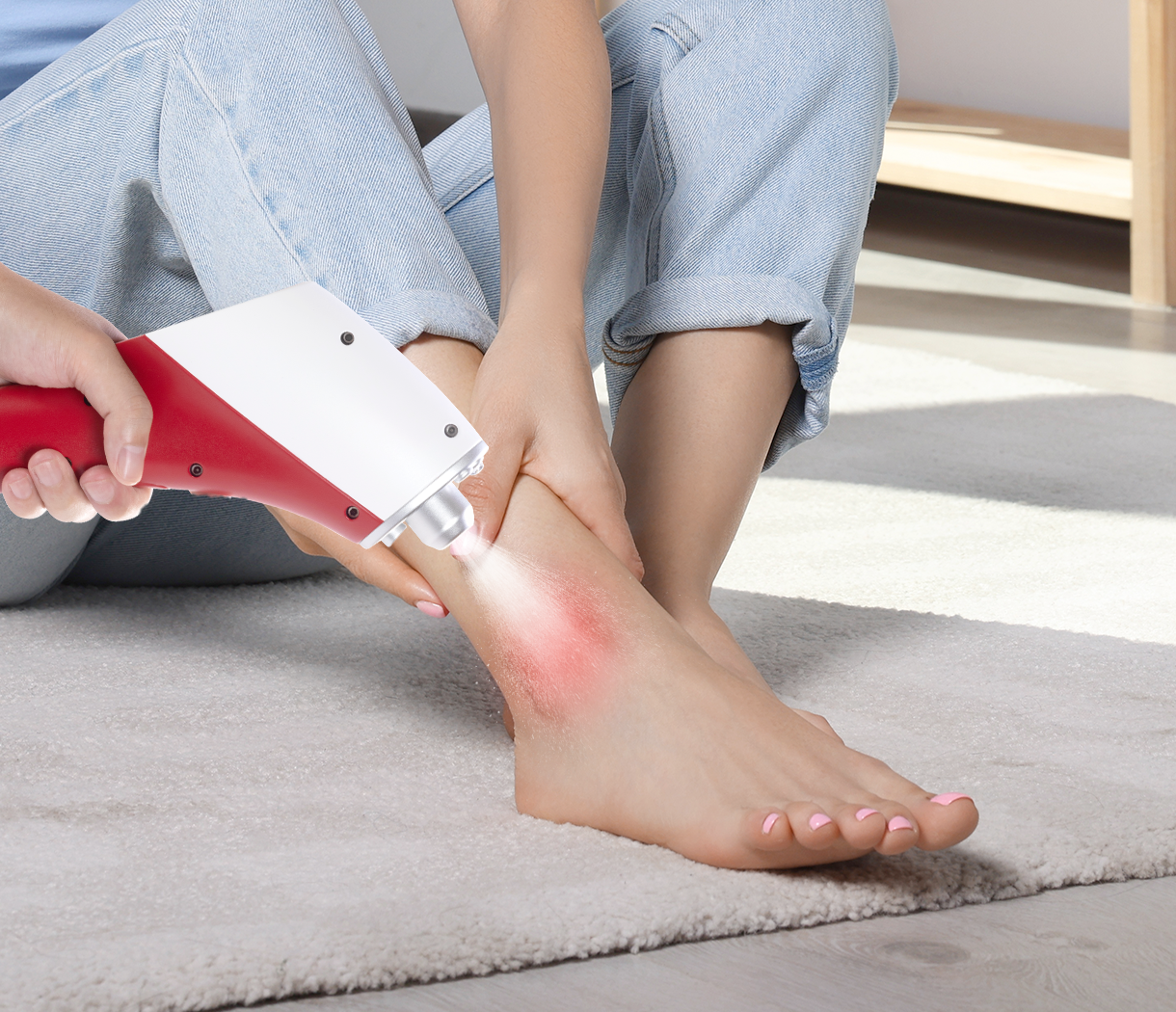
Localized CO₂ cryotherapy induces a rapid cooling effect, stimulating vasoconstriction followed by reactive vasodilation. This transient vascular response enhances microcirculation and accelerates removal of metabolic byproducts. Additionally, the cold exposure reduces nerve conduction velocity, temporarily decreasing pain perception. Cold-induced modulation of inflammatory mediators also helps limit excessive swelling and promotes optimal tissue repair. By targeting both vascular and neural components of injury response, CO₂ cryotherapy supports comprehensive knee rehabilitation without pharmacological intervention.
3.2 Advantages of CO₂ Cryotherapy for Post-Fall Recovery
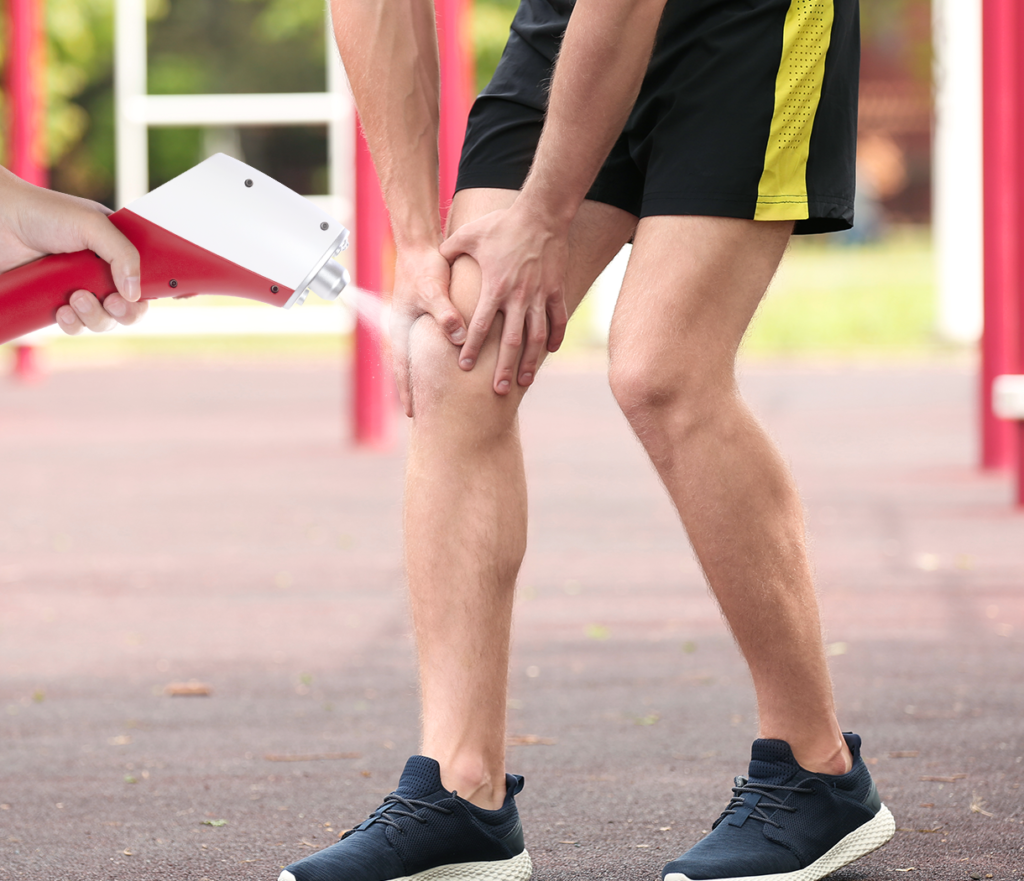
Compared to traditional ice packs or whole-body cold therapy, CO₂ cryotherapy offers precise, localized application with minimal systemic stress. The gas penetrates deeply into superficial tissues, providing uniform cooling while allowing mobility of surrounding joints. Treatment sessions are typically brief, non-invasive, and well-tolerated, making them suitable for skateboarders seeking rapid post-fall recovery between training sessions or competitions. The combination of pain reduction, inflammation modulation, and microcirculatory enhancement positions CO₂ cryotherapy as a practical adjunct to conventional rehabilitation protocols.
4. Applying CO₂ Cryotherapy for Skateboarding Knee Injuries
Targeted application strategies ensure maximal benefit from CO₂ cryotherapy while supporting natural tissue repair mechanisms.
4.1 Early-Stage Post-Fall Intervention
In the first 24–48 hours following a knee impact, tissue inflammation and edema are most pronounced. Localized CO₂ cryotherapy can help mitigate excessive swelling and control pain, providing a supportive environment for the body’s natural repair mechanisms. Short, controlled exposures reduce local temperature without compromising vascular function, facilitating cellular recovery while minimizing discomfort. Early intervention also helps skateboarders maintain mobility and confidence in their injured joint, reducing the risk of secondary compensatory injuries.
4.2 Supporting Intermediate Recovery and Tissue Regeneration
During the subacute phase, approximately 2–10 days post-injury, fibroblast activity, collagen deposition, and joint stabilization processes are active. Regular CO₂ cryotherapy sessions during this phase can enhance microvascular circulation, promoting nutrient delivery and waste clearance in periarticular tissues. The therapy also maintains manageable pain levels, allowing for gentle range-of-motion exercises under professional supervision. By supporting physiological repair while minimizing inflammation, CO₂ cryotherapy facilitates progressive functional recovery, preparing the knee for reintroduction to skateboarding-specific movements.
4.3 Integrating Cryotherapy with Rehabilitation Protocols
Optimal recovery combines CO₂ cryotherapy with standard rehabilitation interventions, including physiotherapy, strengthening exercises, and proprioceptive training. Cryotherapy sessions may be scheduled before or after supervised exercises to reduce discomfort and optimize tissue response. Integration into a structured recovery plan ensures that cold therapy supports both pain management and biomechanical restoration, aligning with evidence-based practices for joint rehabilitation in athletic populations. Coordination with healthcare providers ensures safety, monitoring of progress, and adjustment of treatment frequency to the severity of the knee injury.
5. Benefits Beyond Pain and Swelling
CO₂ cryotherapy contributes additional advantages that extend beyond immediate symptom relief.
5.1 Enhancing Range of Motion
Pain and edema can restrict knee mobility after a skateboarding fall. Cryotherapy reduces neural hyperexcitability and tissue tension, which may enable safer and more effective engagement in rehabilitation exercises. Improved range of motion helps maintain quadriceps and hamstring function, prevents joint stiffness, and supports long-term athletic performance. For skateboarders, early restoration of mobility is critical to prevent compensatory movement patterns that could increase the risk of future injuries.
5.2 Supporting Soft Tissue and Cartilage Health
Localized cooling also modulates inflammatory signaling pathways at the cellular level, promoting balanced repair in ligaments, tendons, and cartilage. This effect may contribute to more organized collagen deposition and reduced risk of scar tissue formation, optimizing tissue resilience for repeated impact demands. Regular, controlled CO₂ cryotherapy sessions provide a supportive environment for tissue remodeling, enhancing joint stability and reducing long-term vulnerability associated with repetitive skateboarding activities.
5.3 Psychological and Performance Benefits
Beyond physiological effects, post-fall cryotherapy may alleviate anxiety about re-injury and support psychological readiness for training. Reduced pain perception and improved comfort can enhance confidence in movement, allowing skateboarders to maintain technical performance and training consistency. By integrating both physical and psychological recovery components, CO₂ cryotherapy contributes to holistic injury management that aligns with athlete-centered rehabilitation principles.
الأسئلة الشائعة
Is CO₂ cryotherapy safe for knee injuries?
Yes, when administered under guidance, it is non-invasive and well-tolerated for localized injuries.
Can CO₂ cryotherapy replace physical therapy?
No, it complements standard rehabilitation protocols rather than replacing exercise-based therapy.
How soon after a fall can I use CO₂ cryotherapy?
Typically within the first 24–48 hours, depending on injury severity and professional advice.
How often should sessions be done?
Frequency varies by injury type; professional guidance ensures optimal recovery.
Does cryotherapy prevent future knee injuries?
It supports tissue recovery and inflammation control but does not eliminate risk from impact or overuse.
الخاتمة
Knee injuries from skateboarding falls pose significant challenges for athletes, with acute pain, swelling, and restricted mobility impacting both performance and long-term joint health. CO₂ cryotherapy offers a non-invasive, localized approach that supports microcirculation, modulates inflammation, and facilitates soft tissue repair. When integrated into a structured rehabilitation plan, it enhances pain management, range of motion, and tissue resilience, providing skateboarders with an effective, evidence-informed strategy to accelerate recovery and safely return to sport.
المراجع
Localized CO₂ Cryotherapy in Sports Injury Recovery
https://www.localcryotherapy.com/co2-cryotherapy-sports-injury-recovery
Cryotherapy and Microcirculation: Mechanisms and Applications
https://www.ncbi.nlm.nih.gov/pmc/articles/PMC6113286
Cold Therapy for Athletic Knee Injuries: Evidence Review
https://www.sciencedirect.com/science/article/pii/S1877056821000123
Photobiomodulation and Localized Cold Therapy in Soft Tissue Recovery
https://www.frontiersin.org/articles/10.3389/fphys.2020.00685/full