Введение
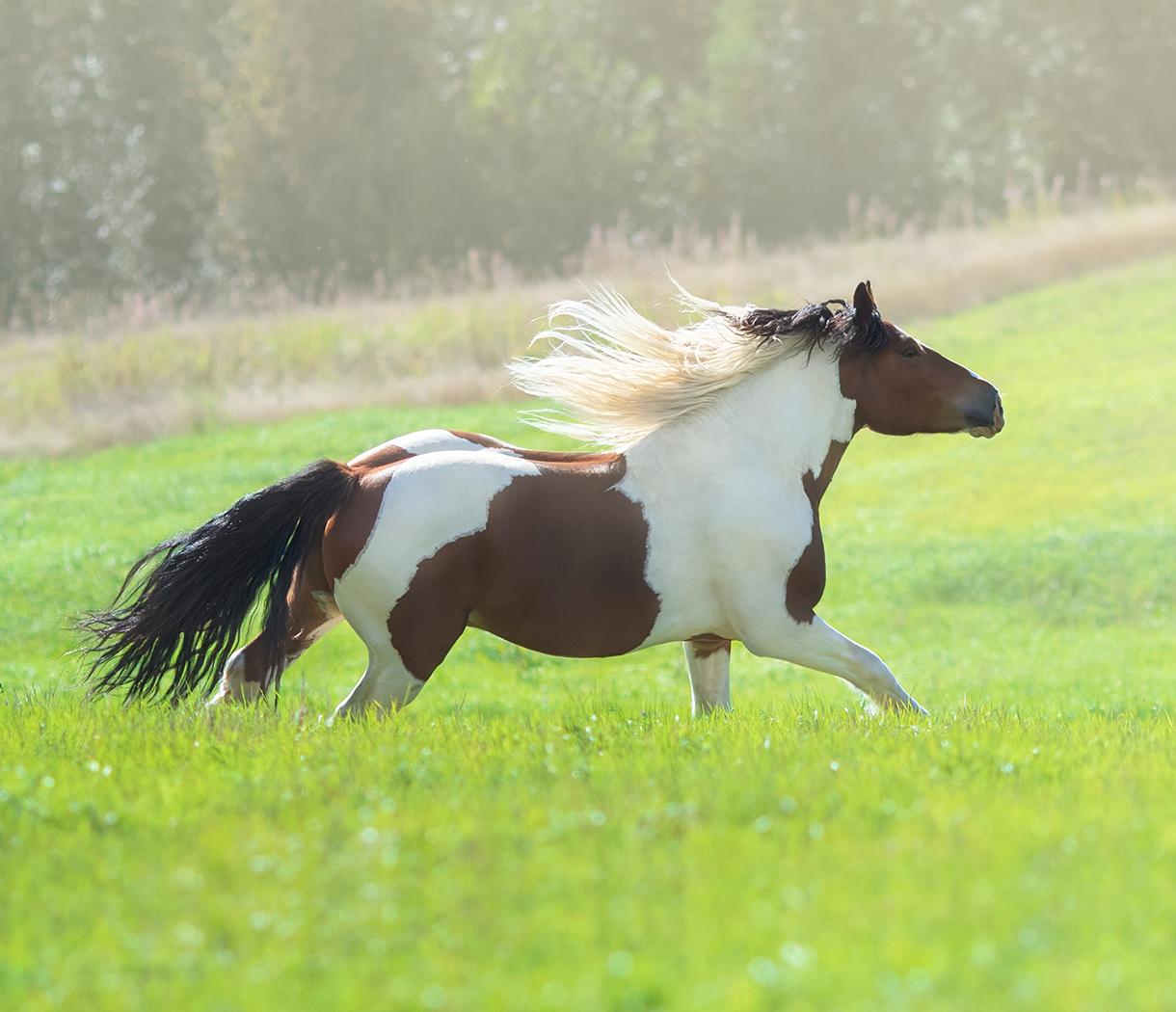
As horses age, their musculoskeletal systems undergo natural changes that can impair mobility, reduce performance, and diminish overall quality of life. Senior horses—often defined as those over 15 years of age—are particularly susceptible to chronic pain, degenerative joint disease, muscle stiffness, and reduced blood flow to soft tissues. Traditional treatment methods for these age‑related concerns include rest, anti‑inflammatory medications, and controlled exercise, but each has limitations, especially when used long‑term. Cryotherapy, commonly referred to as cold therapy, has gained traction in veterinary and equine wellness circles as a non‑invasive, drug‑free therapeutic modality. By exposing targeted tissues to controlled cold temperatures, cryotherapy can reduce inflammation, manage pain, and improve circulation. For older horses struggling with joint discomfort and muscle stiffness, this form of therapy offers a promising path toward restoring mobility and vitality. This blog explores the science, clinical applications, and practical protocols for using cryotherapy in senior equine care.
1. Understanding the Aging Horse
Aging is a progressive biological process that affects every organ system, but the impact on the musculoskeletal system is most noticeable in senior horses. Over time, repeated strain on joints, tendons, ligaments, and muscles leads to structural deterioration, reduced shock absorption, and chronic low‑grade inflammation. Combining these changes with age‑related decreases in circulation and cellular repair capacity often results in decreased performance, stiffness, and pain.
1.1 Common Age‑Related Challenges
Senior horses commonly develop osteoarthritis—degenerative joint disease characterized by cartilage breakdown, synovial inflammation, and bone remodeling. Other conditions include tendon and ligament degeneration, reduced muscle mass (sarcopenia), and impaired circulation. The cumulative effect is a horse that moves less freely and is more prone to discomfort and compensatory injuries. Effective management requires addressing both the symptoms and the underlying tissue pathology.
The horse’s immune response and local inflammation play significant roles in chronic pain, particularly in joints subjected to decades of weight‑bearing activity. Reducing inflammatory mediators while promoting blood flow and metabolic function is crucial in restoring comfort and function. This is where cryotherapy’s ability to modulate cellular and vascular responses becomes highly relevant.
1.2 Impact on Daily Life and Performance
Reduced mobility in senior horses manifests as stiffness after rest, reluctance to pick up leads, shortened stride length, and difficulty with mounting or turning. These signs not only limit performance but also affect the horse’s enjoyment of daily activities. While rest can temporarily alleviate discomfort, prolonged inactivity often exacerbates stiffness and muscle loss.
Veterinarians typically balance controlled exercise, therapeutic shoeing, nutritional joint support, and pharmacologic pain management to maintain function in aging horses. However, long‑term use of systemic medications can have side effects, and some therapeutic exercises may be too strenuous for chronically painful joints. Integrating a non‑invasive modality like cryotherapy into a senior horse’s wellness plan can improve outcomes when combined with these traditional strategies.
2. What is Cryotherapy and How It Works
Cryotherapy refers to the therapeutic application of controlled cold exposure to tissues. In equine practice, cryotherapy may involve whole‑limb immersion, localized cold packs, or advanced cryo‑chamber systems that circulate cold air or carbon dioxide (CO₂) around targeted regions. Regardless of the delivery method, the goal is consistent: to harness the physiological responses to cold that support recovery and reduce inflammation.
2.1 Mechanism of Cold Therapy
When cold is applied to tissues, blood flow initially constricts (vasoconstriction), reducing edema and slowing the metabolic rate of cells in the affected area. Upon removal of the cold stimulus, a rebound vasodilation occurs, increasing blood flow and facilitating the clearance of inflammatory mediators and metabolic waste products. At the cellular level, cold exposure slows nerve conduction velocity, which dampens pain signals to the central nervous system.
Cryotherapy also influences the activity of inflammatory cells and enzymes. By lowering the local tissue temperature, cryotherapy can reduce the activity of pro‑inflammatory cytokines and enzymes such as matrix metalloproteinases, which contribute to cartilage degradation in arthritic joints. For soft tissue injuries, controlled cold exposure can reduce secondary damage while promoting a more favorable healing environment.
2.2 Benefits Over Traditional Treatments
Unlike systemic medications such as nonsteroidal anti‑inflammatory drugs (NSAIDs), cryotherapy offers targeted relief without gastrointestinal or renal side effects commonly associated with long‑term drug use. Additionally, many senior horses are on multiple medications; cryotherapy provides a complementary option that can reduce reliance on pharmaceuticals.
Cryotherapy is also non‑invasive and well tolerated. Horses typically stand calmly during treatment, and sessions can be tailored to individual comfort levels. When used as part of a multimodal approach—including controlled exercise, joint supplements, and physical therapy—cryotherapy enhances overall treatment effectiveness without adding undue stress.
2.3 Safety Considerations for Senior Horses
As with any therapy, cryotherapy should be applied judiciously and under the supervision of a veterinarian or trained equine therapist. While cold therapy is generally safe, contraindications include open wounds, impaired circulation (e.g., due to peripheral vascular disease), or severe neuropathy. Close monitoring ensures that tissues are not exposed to excessive cold, which can cause frostbite or nerve damage if improperly administered.
Veterinary evaluation should precede cryotherapy to rule out conditions that may require alternative or additional treatment modalities. Diagnostic imaging, lameness examinations, and blood work help tailor a personalized plan that incorporates cryotherapy safely and effectively.
3. Applications of Cryotherapy for Senior Horses
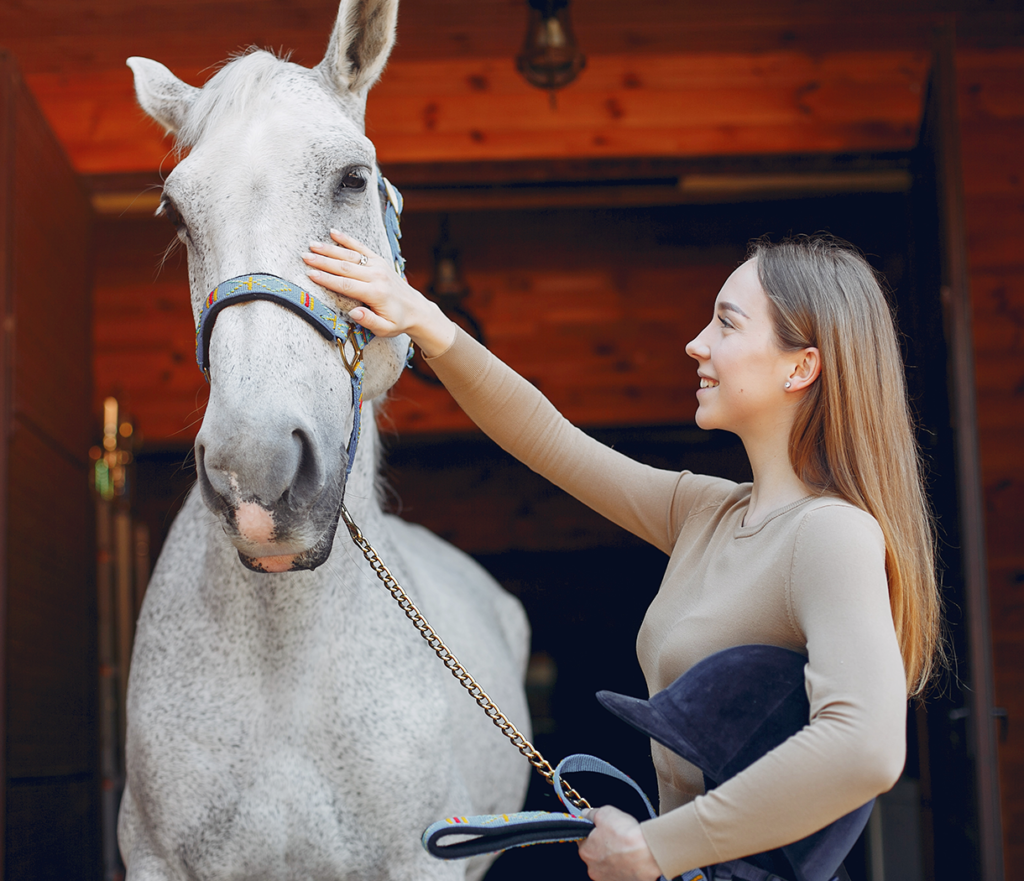
Cryotherapy can be integrated into a senior horse’s wellness plan in several ways. When targeted appropriately, it supports joint health, muscle function, and overall tissue viability, helping restore mobility and enhance vitality.
3.1 Joint Health and Arthritis Relief
Osteoarthritis is a leading cause of chronic pain and reduced mobility in senior horses. Cold therapy helps by reducing synovial inflammation and slowing the progression of joint degeneration. By lowering the temperature around arthritic joints, cryotherapy decreases the metabolic activity of inflammatory cells, limiting cartilage breakdown and reducing pain at the nociceptor level (pain receptors).
Regular sessions applied to affected joints can improve range of motion and reduce stiffness, especially when combined with anti‑inflammatory nutrition and controlled exercise. Horses often exhibit increased willingness to move and improved gait symmetry following an appropriate cryotherapy protocol. Reducing inflammation also supports cartilage preservation, which is crucial for maintaining long‑term joint health.
3.2 Muscle Maintenance and Recovery
Muscle tissue in older horses loses elasticity and strength with age. Cryotherapy aids muscle recovery by enhancing post‑exercise circulation and reducing metabolic stress. Cold exposure slows the inflammatory response that follows exertion, reducing the buildup of metabolic byproducts such as lactic acid.
By mitigating post‑exercise soreness, cryotherapy encourages senior horses to remain active, which is important for preserving muscle mass and preventing compensatory movement patterns that lead to further injury. When integrated into a routine that includes appropriate exercise and therapeutic stretching, cold therapy supports ongoing muscle health and recovery.
3.3 Enhancing Overall Mobility and Longevity
Mobility is closely tied to a horse’s quality of life and longevity. Reduced pain and stiffness enable senior horses to maintain active lifestyles, which supports cardiovascular health and metabolic function. Cold therapy plays a role here by promoting tissue perfusion during the rebound phase after cold exposure, enhancing nutrient delivery and waste removal.
Improved circulation also supports healing at the microvascular level, which can be particularly beneficial in aging tissues where blood flow tends to be compromised. Over time, these cumulative effects help senior horses move more comfortably, stay engaged in their environment, and enjoy a higher quality of life with reduced discomfort.
4. Practical Cryotherapy Protocols for Senior Horses
Implementing cryotherapy effectively requires consideration of timing, frequency, and individual response. A tailored approach ensures the greatest benefit while minimizing discomfort or risk.
4.1 Pre‑ and Post‑Exercise Applications
In the context of light exercise—such as turnout, trail walking, or low‑impact conditioning—applying cryotherapy before activity can help prepare tissues by reducing baseline inflammation and constricting superficial blood vessels. This preparation can lessen the impact of subsequent exertion.
After exercise, cryotherapy helps mitigate the inflammatory response and accelerates tissue recovery. Many practitioners begin with shorter sessions immediately post‑exercise and follow with longer applications after a cooling‑down period. This dual approach can reduce delayed onset muscle soreness and facilitate quicker recovery.
4.2 Frequency and Duration Recommendations
Protocols vary based on the severity of the condition and the horse’s tolerance. Common practice may involve daily treatments during flare‑ups or intense training periods, then tapering to several times per week as symptoms improve. Session durations typically range from 10 to 20 minutes per targeted area, but should be adjusted based on veterinarian recommendations and the horse’s response.
A well‑designed cryotherapy plan considers the horse’s overall health, environmental conditions, and concurrent therapies. Regular reassessment ensures that treatment remains effective and aligned with the horse’s needs.
4.3 Combining Cryotherapy with Other Therapies
Cryotherapy is most effective when integrated with complementary modalities. Physical therapy exercises that promote range of motion, massage therapy to alleviate soft tissue tension, and hydrotherapy for non‑weight‑bearing movement all synergize with cold therapy’s effects.
Nutritional support—such as omega‑3 fatty acids, glucosamine, and chondroitin—can further enhance joint and soft tissue health. This comprehensive approach addresses not only symptoms but also contributes to underlying tissue resilience and systemic wellness.
5. Case Studies and Success Stories
Real‑world evidence helps illustrate the benefits of cryotherapy for senior horses. In one case, a 20‑year‑old pleasure horse with chronic hock osteoarthritis experienced significant improvement in stride length and decreased stiffness after six weeks of targeted cold therapy combined with controlled exercise and joint supplements. The owner reported enhanced comfort at the walk and minimal reliance on NSAIDs.
In another example, an aged dressage horse with muscle tightness along the topline showed increased flexibility and reduced tension after introducing post‑exercise cryotherapy sessions. When integrated with stretching routines and periodic soft tissue work, the horse maintained a higher level of activity and demonstrated fewer performance‑limiting issues over a six‑month period.
These stories emphasize that while cryotherapy is not a cure‑all, it can form an integral part of a holistic care program for senior horses when applied appropriately and consistently.
6. Frequently Asked Questions (FAQ)
How soon can I expect to see results with cryotherapy?
Some horses show immediate relief in stiffness after their first session, while others experience cumulative benefits over several weeks. Consistency and appropriate protocols are key.
Is cryotherapy safe for all senior horses?
Generally, yes when administered under professional guidance. Horses with severe circulatory disorders or open wounds may require modified approaches.
Can cryotherapy replace medications like NSAIDs?
Cryotherapy is a complementary tool. It may reduce dependence on pharmaceuticals for some horses but should be part of a broader care plan tailored by a veterinarian.
Заключение
Cryotherapy offers senior horses a scientifically grounded, non‑invasive option to manage chronic pain, improve mobility, and enhance overall vitality. Through mechanisms that reduce inflammation, improve circulation, and support tissue repair, cold therapy can help older horses enjoy a more comfortable and active life. When personalized and integrated with exercise, nutrition, and veterinary care, cryotherapy becomes a valuable component of comprehensive equine wellness—even for horses well into their golden years.
Ссылки
LocalCryotherapy. “Cryotherapy for Horses.”
https://www.localcryotherapy.com/
Chow RT, Johnson MI, Lopes‑Martins RA, Bjordal JM. “The Efficacy of Low‑Level Laser Therapy in Musculoskeletal Pain Management.” Pain Research & Management.
https://pubmed.ncbi.nlm.nih.gov/17391052/
Hamblin MR. “Mechanisms and Applications of the Anti‑Inflammatory Effects of Photobiomodulation.” AIMS Biophysics.
https://pubmed.ncbi.nlm.nih.gov/31715242/
Bjordal JM, et al. “A Systematic Review with Procedural Assessments and Meta‑Analysis of Low‑Level Laser Therapy in Tendinopathy.” BMC Musculoskeletal Disorders.