Введение
Joint stiffness is a common complaint among older adults, significantly affecting mobility and overall quality of life. As people age, degenerative changes in cartilage, decreased synovial fluid production, and chronic low‑grade inflammation can contribute to restricted range of motion and persistent discomfort. Traditional approaches such as pharmacological pain management or passive physical therapy often help, but many older individuals seek non‑invasive, drug‑free alternatives. One promising approach is CO₂ cryotherapy, a form of targeted cold therapy that may reduce inflammation, pain, and stiffness through physiological mechanisms. This article provides an in‑depth look at how cryotherapy operates, its potential benefits for joint health in older adults, and how portable delivery makes regular treatment more convenient and effective.
1. Understanding Joint Stiffness in Older Adults
1.1 Common Causes of Joint Stiffness
Joint stiffness in older adults frequently arises from degenerative joint conditions such as osteoarthritis, where gradual wear of cartilage leads to bone‑on‑bone contact and inflammation. Age‑related changes in tissues—including reduced collagen quality and decreased synovial fluid viscosity—also contribute to reduced lubrication and increased friction in articulating joints. Additionally, chronic low‑grade inflammation, often associated with metabolic conditions, can further compromise joint integrity. These biomechanical and biochemical alterations underlie many of the stiffness and discomfort complaints in aging populations.
1.2 Symptoms and Early Detection
Recognizing early signs of joint stiffness is critical for initiating a proactive management strategy. Symptoms may include difficulty rising from seated positions, prolonged morning stiffness, and reduced ability or reluctance to climb stairs or change posture quickly. Pain may not always be acute; instead, it can manifest subtly as a persistent dull ache or stiffness that improves with movement. Because joint stiffness can gradually worsen over time, early detection through daily activity monitoring plays a key role in maintaining long‑term mobility.
1.3 Impact on Quality of Life
The impact of chronic joint stiffness extends beyond physical limitations. Reduced mobility often correlates with decreased independence, diminished participation in social activities, and increased risk of falls. Emotional and psychological well‑being can also suffer, with many individuals experiencing frustration, anxiety, or depressive symptoms due to physical limitations. Addressing joint stiffness holistically—through lifestyle, therapeutic modalities, and supportive technologies—is essential for preserving quality of life in older adults.
2. How CO₂ Cryotherapy Works for Joint Health
2.1 The Science of Cold Therapy
Cryotherapy refers to the therapeutic application of cold temperatures to target tissues with the aim of reducing inflammation and pain. When cold is applied to a region of the body, vasoconstriction (narrowing of blood vessels) occurs initially, limiting blood flow and reducing swelling. This is followed by reflexive vasodilation that improves microcirculation and nutrient delivery once the tissue warms up. Cryotherapy also slows nerve conduction velocity, which can increase pain thresholds and reduce the perception of discomfort. These effects are often leveraged in managing musculoskeletal complaints broadly, including degenerative joint disease.
2.2 Cellular and Tissue-Level Effects
At the cellular level, cryotherapy influences inflammatory pathways and cellular metabolism. Exposure to cold can trigger a reduction in pro‑inflammatory cytokines such as IL‑1β and TNF‑α—molecules that drive joint inflammation in conditions like osteoarthritis. Lowering local tissue temperature also decreases enzymatic activity that contributes to cartilage breakdown and proteoglycan degradation. By modulating these biochemical processes, cold therapy can support tissue preservation and reduce the chronic inflammatory burden associated with stiff, painful joints.
2.3 Why It Benefits Older Adults
Older adults often experience both structural joint changes and systemic physiological shifts that slow tissue repair and exacerbate pain. Cryotherapy’s dual capacity to reduce inflammation and inhibit pain signal transmission makes it a compelling non‑pharmacological option for older populations. Unlike systemic medication, which may carry risks of side effects—especially in individuals with comorbidities—cryotherapy offers localized effects with minimal systemic impact. Its physiological influence on tissue temperature and nerve function helps improve flexibility and mobility when used as part of a broader care plan.
3. Advantages of Portable Cold Therapy
3.1 Ease and Flexibility
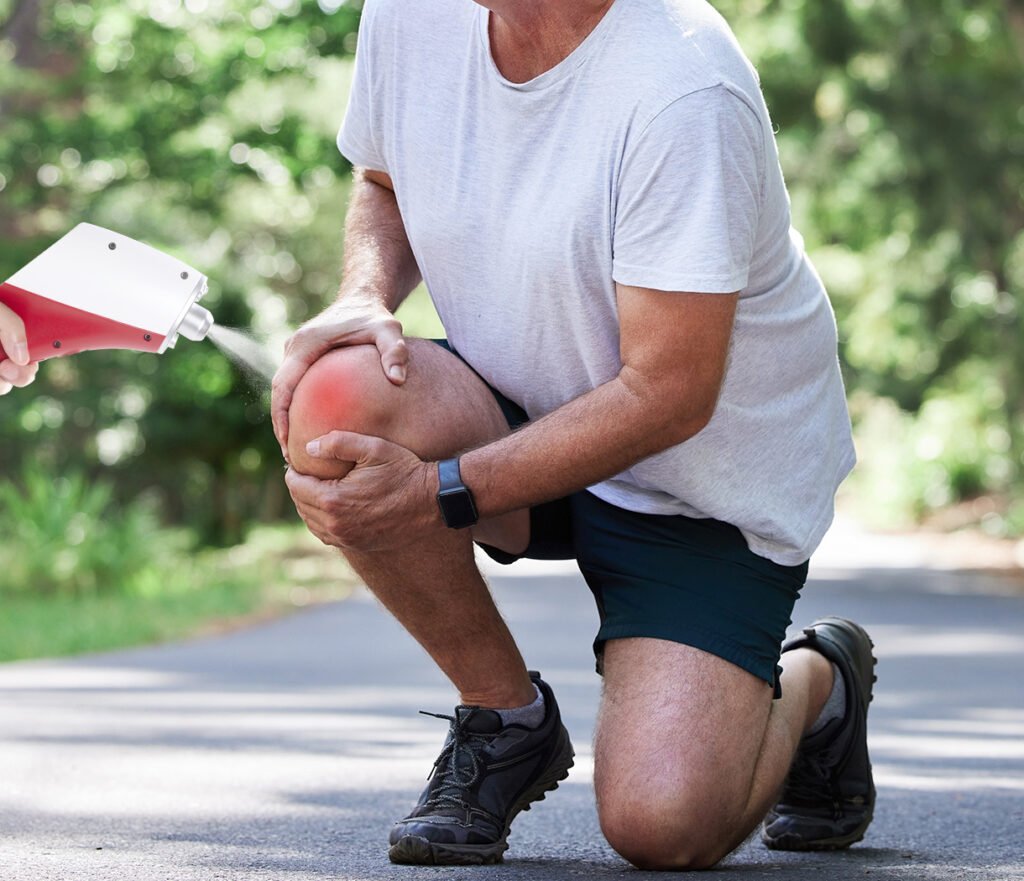
Portable CO₂ cryotherapy technologies have made it more feasible to integrate cold therapy into daily routines. Lightweight and ergonomically designed, modern cold therapy devices allow targeted cold application without the need for bulky equipment or clinic visits. This flexibility encourages consistent use, which is key to achieving cumulative therapeutic effects over time. Individuals can incorporate cryotherapy sessions at convenient times, aligning with their pain peaks or planned physical activities.
3.2 Safety and Comfort
Cold therapy is inherently non‑invasive and does not rely on pharmaceutical intervention, making it a safer adjunct for individuals concerned about medication side effects. Devices designed for joint care are calibrated to deliver therapeutic cold within safe temperature ranges that reduce inflammatory responses without damaging surrounding tissues. Properly administered cold therapy can be comfortable and soothing, reducing muscle guarding and capsular tightness that often accompany joint stiffness.
3.3 Consistent and Sustainable Benefits
One of the most significant advantages of portable cryotherapy is the ability to apply treatment regularly. Chronic conditions like osteoarthritis and age‑related joint stiffness benefit from repeated sessions because physiological responses—including reduced cytokine activity and enhanced microvascular flow—accumulate over time. Consistent cold therapy contributes to a sustainable reduction in discomfort and supports mechanical function, offering older adults an ongoing, manageable strategy for joint health.
4. Integrating Cold Therapy with Healthy Lifestyle Habits
4.1 Gentle Physical Activity
Cold therapy is most effective when integrated with lifestyle habits that support overall joint health. Gentle physical activity, such as walking, low‑impact stretching, and range‑of‑motion exercises, enhances muscle strength and supports joint stability. When cold therapy is applied before or after these activities, it can reduce exercise‑related discomfort and promote recovery, enabling individuals to maintain an active lifestyle with less pain interference.
4.2 Environmental and Ergonomic Adjustments
Modifications to the home environment and daily routines can also support joint comfort. Installing supportive, ergonomically‑designed seating, adding non‑slip flooring, and using assistive devices for transfers can significantly reduce physical strain. Cold therapy sessions following prolonged periods of activity or at the end of the day help mitigate residual inflammation and muscle tightness, fostering a more comfortable living experience.
4.3 Nutrition and Joint Health
Nutrition plays an essential role in joint health and complements cryotherapy well. Anti‑inflammatory nutrients—such as omega‑3 fatty acids, antioxidants, and certain phytonutrients—support cellular repair pathways and reduce systemic inflammation. Dietary supplements like glucosamine and chondroitin have been studied for their potential to support cartilage integrity. Thoughtful nutritional strategies, when combined with cold therapy, physical activity, and environmental adjustments, create a comprehensive approach to managing joint stiffness.
ЧАСТО ЗАДАВАЕМЫЕ ВОПРОСЫ
Q1: Is cold therapy safe for all seniors?
A1: Cryotherapy is generally safe when used appropriately, even for older adults. Individuals with certain circulatory disorders or sensitivity to cold should consult their healthcare provider before beginning a cryotherapy regimen.
Q2: How does cold therapy reduce joint stiffness?
A2: Cold therapy induces vasoconstriction and subsequent improved circulation, reduces inflammatory mediator release, and slows nerve conduction, all of which contribute to reduced stiffness and pain.
Q3: Can cold therapy replace medication for joint stiffness?
A3: While cryotherapy may reduce reliance on medication for some individuals, it is typically used as an adjunct to other treatments. Decisions regarding medication should always be made in consultation with a healthcare provider.
Q4: What are the long‑term benefits for older adults?
A4: Regular cold therapy can contribute to reduced chronic pain, improved tissue repair environments, and enhanced joint mobility when integrated with lifestyle and physical activity strategies.
Заключение
Joint stiffness in older adults is a multifaceted issue, arising from degenerative changes, inflammation, and reduced mechanical function. Portable CO₂ cryotherapy offers a safe, non‑invasive, and flexible approach to managing stiffness and discomfort, complementing other therapeutic strategies. By reducing inflammatory activity, improving circulation, and modulating nerve conduction, cold therapy supports improved mobility and sustained comfort. When incorporated alongside gentle activity, supportive ergonomics, and nutrition, it provides a comprehensive, patient‑centered solution for older adults seeking to preserve independence and quality of life.
Ссылки
Comparison of Cryotherapy Performed With Ice or Gel and Superficial Skin Cooling of Older Women: A Randomized, Crossover, Clinical Trial.
https://pubmed.ncbi.nlm.nih.gov/38502943/
Effectiveness of various methods of cryotherapy in patients with osteoarthritis.
https://pubmed.ncbi.nlm.nih.gov/32356631/
Pain in the elderly: Prospective study of hyperbaric CO2 cryotherapy (neurocryostimulation).
https://pubmed.ncbi.nlm.nih.gov/17897861/
Cryotherapy and thermotherapy in the management of osteoarthritis and rheumatoid arthritis: A comprehensive review.
https://pmc.ncbi.nlm.nih.gov/articles/PMC12744633/
Use of Cryotherapy for Managing Chronic Pain: An Evidence‑Based Narrative.
https://pubmed.ncbi.nlm.nih.gov/33315183/
Cryotherapy for Medical Rehabilitation – CryoLiving overview of applications.
https://www.cryoliving.com/buy-cryotherapy-equipment/cryotherapy-for-medical-rehabilitation/