Введение
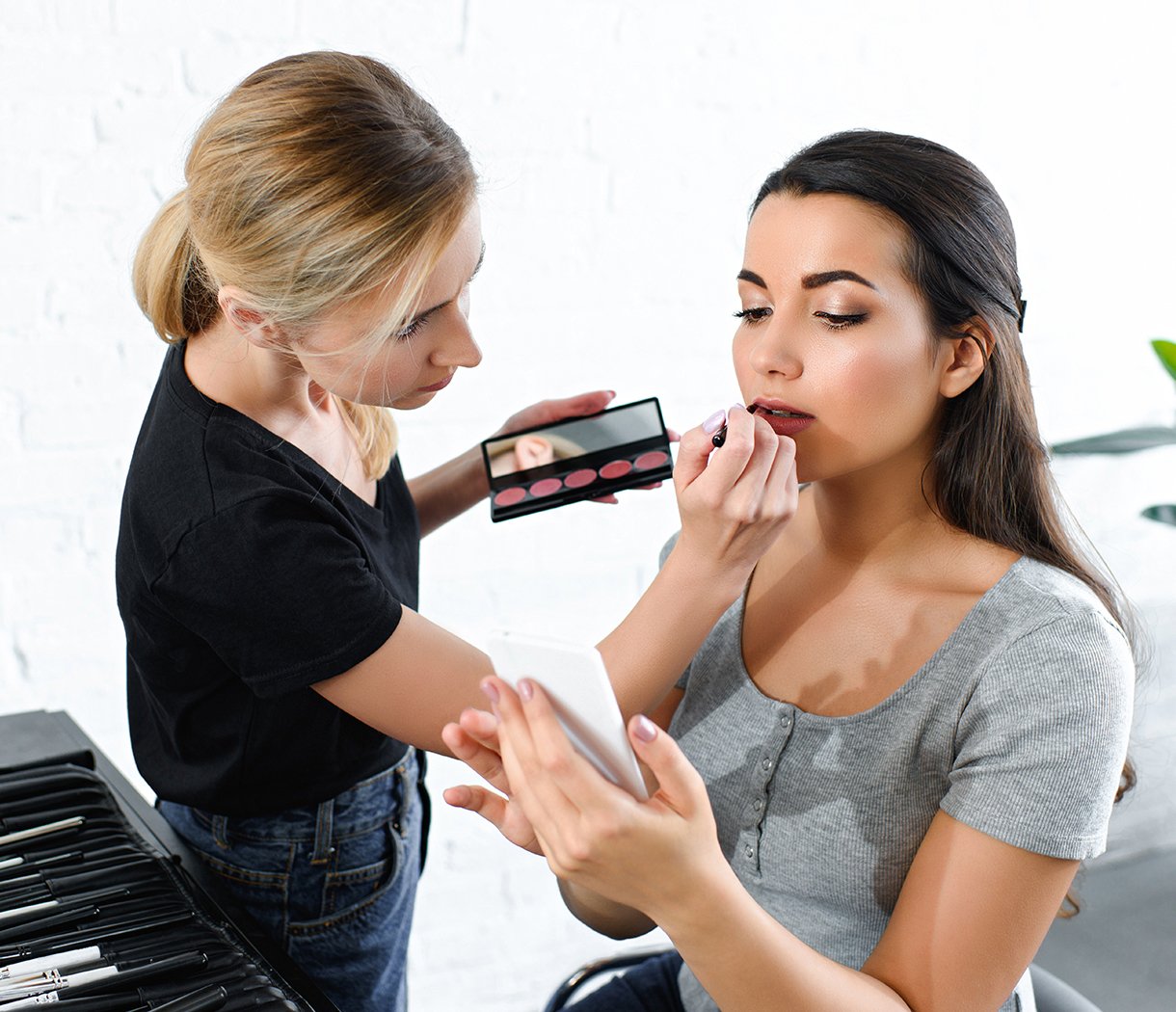
A makeup artist’s hands are their most essential tools. From the delicate stroke of an eyeliner brush to the steady blending of foundation, every movement demands precision, control, and endurance. After hours of working on a single client—or a full day of bridal parties, photoshoots, or film sets—the small muscles of the hand and wrist can feel tired, stiff, and sometimes numb. That tingling sensation in the thumb, index, and middle fingers, especially at night or after gripping small brushes for long periods, is often the first sign of carpal tunnel syndrome. For makeup artists who cannot simply stop working to let their wrists rest, CO₂ cryotherapy offers a non‑invasive, drug‑free option that may help manage these symptoms and support fine motor recovery between jobs.
1. Understanding Carpal Tunnel Syndrome in Makeup Artists
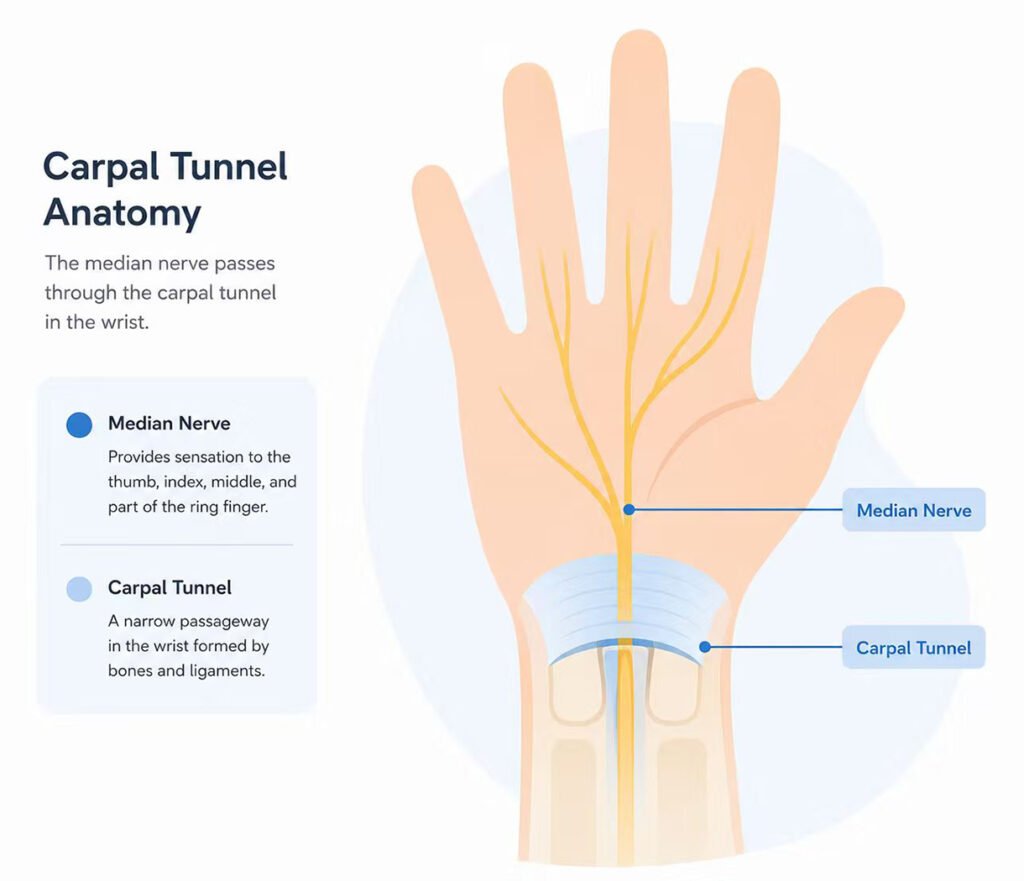
Carpal tunnel syndrome occurs when the median nerve, which runs through a narrow passage in the wrist called the carpal tunnel, becomes compressed. This nerve controls sensation in the thumb, index, middle, and part of the ring finger, as well as some small hand muscles. When the tunnel’s walls—made of bone and ligament—swell or thicken, the nerve gets squeezed, leading to the characteristic symptoms.
1.1 What the Symptoms Feel Like
Makeup artists with carpal tunnel syndrome often notice a pins‑and‑needles sensation or numbness in their thumb and first two fingers. This feeling may come and go during the day but frequently worsens at night or upon waking. Some artists describe a dull ache in the wrist that radiates up the forearm. Over time, grip strength may decrease, making it harder to hold brushes securely or to open product containers. In more advanced stages, the thumb muscles at the base can become weak or even visibly flatten, affecting fine motor control for tasks like applying eyeliner or drawing fine lines.
1.2 Why Makeup Artists Are at High Risk
The position of the wrist during makeup application often involves flexion, extension, or ulnar deviation—all of which can increase pressure inside the carpal tunnel. Holding small brushes or sponges for extended periods, combined with repetitive finger movements, places cumulative strain on the median nerve. Additionally, many artists work long hours without adequate breaks, and the need for steady, precise hand movements prevents the wrist from adopting a neutral posture. Over years of practice, this repetitive loading can lead to chronic swelling of the flexor tendons, further narrowing the carpal tunnel space.
2. The Impact of Wrist Pain on a Makeup Artist’s Career
For a makeup artist, wrist discomfort is not just a nuisance; it directly affects the quality of their work and their ability to accept bookings.
2.1 Loss of Fine Motor Precision
Makeup artistry relies on tiny, controlled movements—feathering an eyebrow, blending shadow, or lining the lash line. Even mild numbness or tingling can interfere with the tactile feedback that artists depend on to gauge pressure and direction. A shaky hand or an unexpected twitch can ruin an otherwise perfect look, leading to wasted time, product, and client dissatisfaction. Many artists try to push through the discomfort, but fatigue eventually compromises the smoothness and symmetry of their work.
2.2 Career Longevity and Burnout
The physical demands of a freelance or salon‑based makeup career do not ease with experience. As artists take on more clients, the cumulative load on their wrists increases. Without effective symptom management, carpal tunnel syndrome can force artists to reduce their workload, turn away lucrative jobs, or even leave the profession entirely. The fear of losing fine motor control creates significant stress, and the need for a reliable, non‑invasive solution becomes urgent for those who want to continue doing what they love.
3. How CO₂ Cryotherapy Targets the Wrist and Hand
CO₂ cryotherapy uses a stream of pressurized carbon dioxide gas applied directly to the skin over the affected area. Unlike ice packs, which require prolonged contact and leave moisture behind, CO₂ therapy delivers a dry, rapid cold that penetrates superficial tissues without making a mess.
3.1 Rapid Cooling and Vasoconstriction
When the cold gas touches the wrist, it quickly lowers the temperature of the skin and underlying tissues. This triggers vasoconstriction—a narrowing of blood vessels—which reduces blood flow to the area and helps limit the accumulation of inflammatory fluid inside the carpal tunnel. By decreasing local edema, the pressure on the median nerve can temporarily lessen, providing relief from numbness and tingling.
3.2 Reactive Hyperemia and Improved Circulation
After the cold stimulus ends, the blood vessels dilate more than their original size in a phase called reactive hyperemia. This rebound effect brings fresh oxygen and nutrients to the compressed nerve and surrounding tendons while flushing out metabolic waste products that contribute to fatigue and stiffness. For a makeup artist, this improved circulation can mean a faster return of fine motor precision after a session.
3.3 Nerve Conduction Modulation
Cold temperature slows the conduction velocity of nerves, including the median nerve. This temporary slowing can reduce the abnormal firing of nerve signals that cause tingling and pain. Many artists report feeling a noticeable decrease in numbness for several hours after a CO₂ cryotherapy session, allowing them to complete a full day’s work with greater comfort.
4. What a Makeup Artist Can Expect from CO₂ Cryotherapy
Incorporating CO₂ cryotherapy into a busy schedule is practical because each session is brief and requires no downtime.
4.1 The Session Experience
A typical localized session for the wrist and hand lasts only one to two minutes. The artist remains fully clothed, with the applicator directed at the bare skin of the wrist and palm. Most people describe the sensation as intensely cold but not painful—a dry, tingling cold that passes quickly as the applicator moves in sweeping strokes. There is no wetness, no need to change clothes, and no lingering discomfort after the treatment.
4.2 Timing and Frequency
Makeup artists often use cryotherapy at the end of a workday to help their wrists recover overnight. Some prefer a session before a long event to reduce numbness during the job. A common supportive routine includes two or three sessions per week, though the exact frequency depends on symptom severity and work demands. The effects are not permanent; regular use tends to provide more consistent relief than occasional application.
4.3 Complementary Hand Care Strategies
CO₂ cryotherapy works best when combined with other self‑care measures. Wearing wrist splints at night keeps the wrist in a neutral position, reducing pressure on the median nerve during sleep. Taking brief micro‑breaks every thirty minutes to stretch the fingers and shake out the hands can interrupt the cycle of sustained grip. Gentle nerve gliding exercises, performed without pain, help maintain mobility of the median nerve within the carpal tunnel.
5. Long‑Term Habits to Support Wrist Health
Preventing carpal tunnel syndrome from worsening requires attention to ergonomics and daily habits.
5.1 Adjusting Tools and Techniques
Using brushes with larger, cushioned handles can reduce the grip force needed. Keeping the wrist straight while applying makeup—rather than bending it up or down—helps maintain a more neutral carpal tunnel shape. Supporting the forearm with a table or a makeup roll prevents the wrist from bearing unnecessary weight. Small changes in how an artist holds their tools can add up to significant reductions in nerve compression.
5.2 Building Strength and Flexibility
Gentle strengthening exercises for the hand intrinsic muscles, such as squeezing a soft ball or using a putty, can improve stability without overloading the carpal tunnel. Stretching the wrist flexors and extensors before and after work keeps the tendons from tightening. Makeup artists should avoid exercises that cause sharp pain or increase numbness and should progress slowly.
5.3 Listening to Early Warning Signs
The best prevention is paying attention to the first hints of tingling or night numbness. Addressing symptoms early—with cryotherapy, splinting, and posture correction—can prevent the condition from advancing to a point where surgery becomes the only option. Artists who respect their body‘s signals are more likely to enjoy a long, productive career.
ЧАСТО ЗАДАВАЕМЫЕ ВОПРОСЫ
Q1: Is CO₂ cryotherapy painful for carpal tunnel syndrome?
Most makeup artists describe a strong cold sensation that is intense but not painful. The feeling lasts only a few seconds per area and stops as soon as the applicator moves.
Q2: How soon after a session will I feel less numbness?
Many artists notice reduced tingling within minutes. The effect can last several hours, providing relief through a full workday.
Q3: How many sessions does a makeup artist typically need?
Some artists use cryotherapy daily during busy seasons, while others rely on two or three sessions per week for maintenance. Consistency matters more than frequency.
Q4: Can I use CO₂ cryotherapy along with wrist splints or exercises?
Yes. Cryotherapy complements splinting, stretching, and ergonomic adjustments. It does not replace these measures but works alongside them.
Q5: Will cryotherapy reverse muscle weakness from advanced carpal tunnel syndrome?
Cryotherapy helps manage symptoms like numbness and pain but does not correct severe nerve damage or muscle wasting. Artists with significant weakness should consult a healthcare provider.
Заключение
Makeup artists rely on their hands for every stroke of color and every contour line. The repetitive gripping, fine motor control, and sustained wrist postures required by the profession place makeup artists at high risk for carpal tunnel syndrome and hand fatigue. For those who have tried resting, icing, or splinting without lasting relief, CO₂ cryotherapy offers a non‑invasive, drug‑free approach that uses rapid cooling, vascular rebound, and nerve modulation to reduce numbness and support recovery. When paired with smart ergonomics, gentle stretching, and attention to early warning signs, CO₂ cryotherapy can help makeup artists keep their hands healthy and their artistry sharp for years to come.
Ссылки
Makeup Artist Wrist Pain: Prevention and Management
https://www.localcryotherapy.com/makeup-artist-wrist-pain
CO₂ Cryotherapy for Carpal Tunnel Syndrome: A Practical Overview
https://www.localcryotherapy.com/carpal-tunnel-relief
Ergonomics for Makeup Professionals
https://www.aoa.org/makeup-ergonomics
Hand Fatigue in Creative Occupations