Introdução
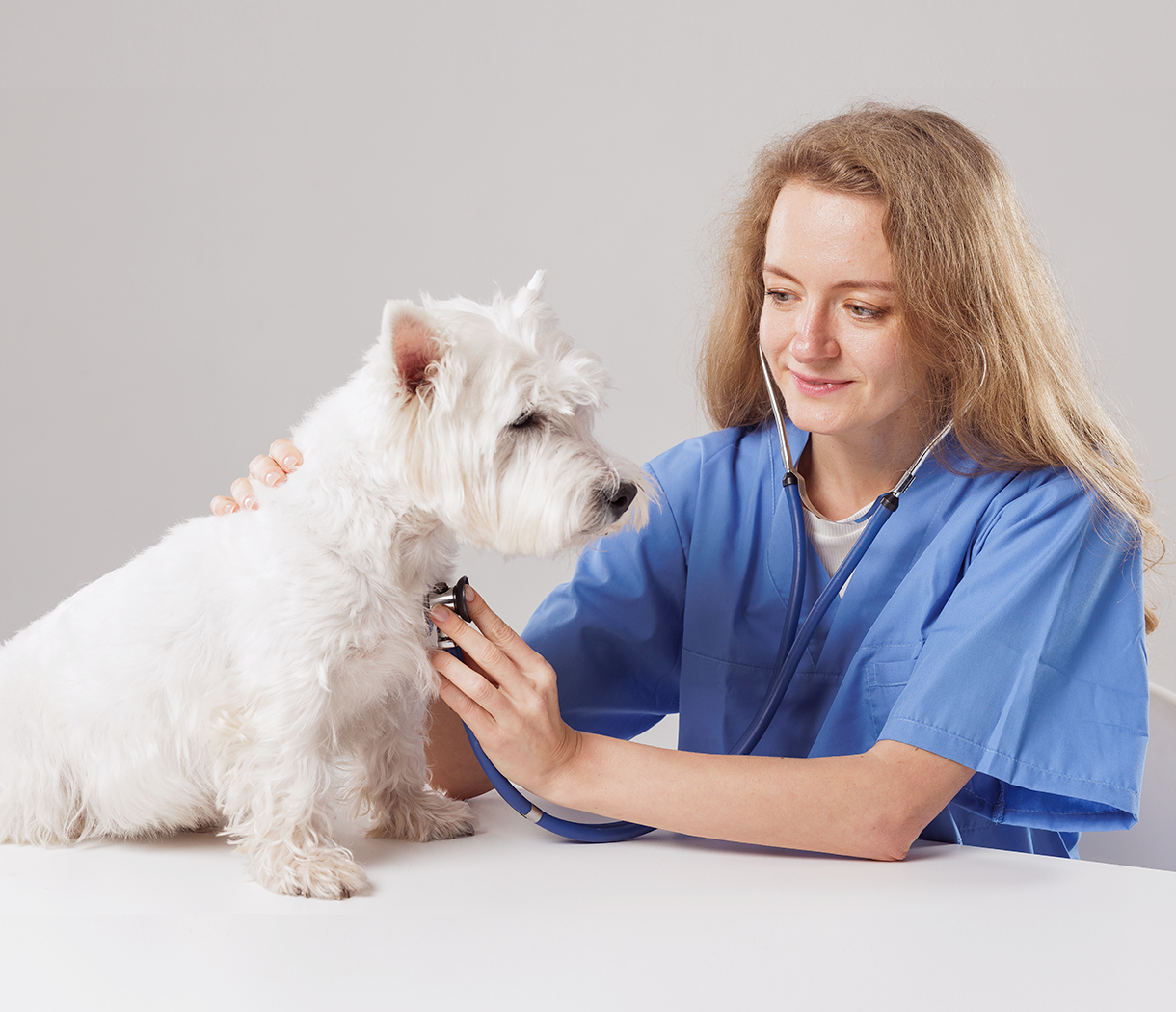
In recent years, advances in veterinary medicine have brought a variety of innovative therapies into clinical practice. Among these, cryotherapy—the application of controlled cold to reduce pain and inflammation—has emerged as a reliable tool for veterinarians managing acute injuries, post-surgical recovery, and chronic pain in animals. Within cryotherapy modalities, CO₂ cryotherapy represents a cutting-edge variation that uses compressed carbon dioxide gas to achieve rapid, localized cooling, offering benefits that traditional ice or cold packs may not provide.
This article explores how CO₂ cryotherapy is being implemented in veterinary clinics to manage pain and enhance recovery, why it’s gaining attention from veterinary professionals, and how it compares to other cryotherapy methods used in animal rehabilitation and pain management.
1. Understanding CO₂ Cryotherapy in Veterinary Medicine
Before discussing applications and protocols, it’s essential to understand what CO₂ cryotherapy is and how it functions at a physiological level in animals.
1.1 What is CO₂ Cryotherapy?
CO₂ cryotherapy refers to the therapeutic use of carbon dioxide gas under pressure to rapidly lower the temperature of targeted tissues. In veterinary settings, devices deliver CO₂ at high pressure and low temperature to create a controlled cooling effect that induces the cryotherapeutic response. Unlike simple ice packs, CO₂ systems can reach lower temperatures in a reproducible manner and are designed for professional use in clinical environments.
The targeted application of CO₂ allows veterinarians to precisely treat specific areas of the body without drastic systemic cooling, making it suitable for localized pain relief and inflammation control. This mild but effective cold stimulus initiates a cascade of physiological changes that can support tissue recovery.
1.2 How CO₂ Cryotherapy Works in Animals
When CO₂ cryotherapy is applied to the skin and underlying tissues, it triggers vasoconstriction, which reduces local blood flow and slows cellular metabolism. This reduction in temperature and slowed metabolic rate diminishes the inflammatory response and limits the spread of swelling in injured tissues. Cryotherapy also reduces nerve conduction velocity, which helps to block pain signals and provides analgesia.
In veterinary rehabilitation, controlled cryotherapy application can also help preserve healthy cells in the affected region by lowering oxygen demand, thus preventing further damage caused by heightened inflammation. As a result, animals may experience relief from pain through both mechanical and neurophysiological mechanisms.
These physiological principles are similar to those used in human cryotherapy, but veterinary practitioners must consider factors such as fur thickness, body mass, and species-specific responses when implementing CO₂ treatments.
2. Applications of CO₂ Cryotherapy in Veterinary Clinics
Veterinary clinics have found CO₂ cryotherapy useful across a range of clinical conditions where pain, inflammation, or tissue recovery are central concerns. Below are some of the most common applications seen in practice today.
2.1 Pain Management for Dogs and Cats
One of the most widespread uses of CO₂ cryotherapy in veterinary clinics is the management of pain and swelling associated with orthopedic injuries and degenerative conditions in dogs and cats. Pain from arthritis, hip dysplasia, soft tissue injuries, and surgical sites can be significant challenges for both the animal and the caregiver.
Cryotherapy works by reducing localized inflammation and slowing nerve transmission, which in turn reduces the animal’s perception of pain. Veterinary rehabilitation specialists commonly incorporate cryotherapy into pain management plans for companion animals, especially when traditional pharmaceutical approaches may be contraindicated due to age, sensitivity, or pre-existing health conditions.
Moreover, controlled cold application may improve mobility by decreasing joint stiffness and muscle spasm following activity or surgical intervention, making CO₂ cryotherapy a valuable adjunctive therapy in functional rehabilitation programs.
2.2 Rehabilitation After Surgery or Injury
Post-operative care is another critical area where CO₂ cryotherapy can make a measurable difference. Advanced cryotherapy modalities, such as hyperbaric gaseous cryotherapy, have been evaluated in dogs recovering from stifle joint surgery. Dogs receiving daily cryotherapy sessions after surgery experienced significantly reduced pain scores and improved limb use, contributing to better functional recovery over time.
In randomized clinical studies, treated dogs showed decreased lameness and improved range of motion compared to untreated counterparts, suggesting that cryotherapy enhances early rehabilitation outcomes. These findings support the notion that cryotherapy, including CO₂-based systems, can be an effective non-pharmacologic component of post-surgical recovery plans.
2.3 Specialized Uses for Exotic and Larger Animals
Although most commonly applied to dogs and cats, veterinary clinics have begun exploring cryotherapy with other species. In equine medicine, targeted cryotherapy protocols are used to manage tendon and ligament injuries, lameness conditions, and performance-related musculoskeletal stress. Robust cooling combined with intermittent compression has shown greater efficacy in penetrating deeper tissues compared to traditional ice packs, offering veterinarians more options for treating larger animals.
Cryotherapy is also being adapted for use in exotic pets where inflammation or injury presents significant welfare concerns. While evidence in these cases is more limited, emerging practices are demonstrating that controlled cold therapy can play a role in reducing discomfort and supporting healing in species beyond the typical canine and feline patients.
3. Benefits of CO₂ Cryotherapy in Veterinary Clinics

Veterinarians who adopt CO₂ cryotherapy in clinical settings often cite several key benefits compared to traditional cooling methods.
3.1 Non-Invasive and Drug-Free Pain Relief
Cryotherapy offers a non-invasive, drug-free approach to pain relief. For animals intolerant to pain medications or for long-term management of chronic conditions like arthritis, cryotherapy provides an alternative strategy that can reduce reliance on pharmaceuticals.
The cold application reduces inflammatory mediators and can interrupt pain signaling without systemic side effects common to long-term analgesic use. As part of a multimodal pain management plan, cryotherapy helps maintain animal comfort while allowing other treatments, such as physical therapy or nutritional management, to be more effective.
3.2 Enhanced Recovery and Mobility
By reducing swelling and mitigating pain promptly after injury or surgery, CO₂ cryotherapy enhances recovery trajectories. Animals are often able to resume weight-bearing activities earlier and with less discomfort, which contributes to better muscle tone and joint function in the long term.
This enhanced recovery not only improves quality of life for pets but can also shorten the overall rehabilitation timeline, making cryotherapy an efficient tool in veterinary practices focused on functional outcomes.
3.3 Safety and Controlled Application
When administered by trained veterinary professionals, CO₂ cryotherapy is generally considered safe. The equipment used in clinical settings allows precise control over temperature and duration, minimizing risks such as frostbite or over-cooling. Protocols typically involve short sessions of 10–20 minutes, tailored to the animal’s size, fur density, and specific condition being treated.
Veterinary staff monitor animals closely during treatment, making adjustments as necessary to ensure both safety and effectiveness. This controlled approach differentiates clinic-based cryotherapy from at-home ice pack use, which can be inconsistent and harder to manage in larger animals.
4. How Veterinary Clinics Implement CO₂ Cryotherapy
Understanding how CO₂ cryotherapy is integrated operationally within a clinic helps clarify why it is becoming a standard component of modern veterinary pain management.
4.1 Equipment and Technology
Veterinary clinics employ specialized CO₂ cryotherapy devices designed for professional use. These devices deliver pressurized carbon dioxide gas at controlled temperatures to targeted areas. There are various models, including handheld applicators for localized treatment and larger systems capable of treating broader regions or supporting larger animals.
These systems often feature adjustable temperature and flow controls, allowing veterinarians to tailor treatment settings according to each patient’s needs. Proper calibration and maintenance of these devices are essential to ensure consistent therapeutic outcomes and safety.
4.2 Treatment Protocols
A typical CO₂ cryotherapy protocol involves assessing the animal’s condition—such as injury severity, fur length, and pain level—followed by a treatment session of up to 20 minutes. Sessions may be repeated daily or multiple times per week depending on the therapeutic goals.
Cryotherapy is frequently combined with other rehabilitative strategies such as physical therapy, massage, or laser therapy for synergistic effects. Veterinarians carefully evaluate progress and adjust protocols, often using pain scoring and mobility assessments to guide treatment frequency.
4.3 Monitoring and Follow-Up
Veterinarians monitor animals throughout the cryotherapy process to watch for changes in pain behavior, swelling, or tolerance to cold. After sessions, clinicians reassess mobility and comfort to determine whether adjustments in therapy are needed.
Follow-up visits may include reassessment of clinical signs and integration of additional modalities as needed, ensuring comprehensive and adaptive care for each patient.
5. Considerations and Limitations
5.1 Not Suitable for All Animals
Some animals may not tolerate cold applications due to sensory deficits, very young or elderly age, or medical conditions affecting circulation. In such cases, cryotherapy must be used with caution or avoided. Veterinary professionals must assess individual patient risk factors before initiating treatment.
5.2 Variability in Response
Not all patients respond equally to CO₂ cryotherapy. Factors such as species, fur thickness, body mass, and chronicity of the condition can influence effectiveness. Outcomes may therefore vary, requiring individualized protocols. Veterinarians often integrate cryotherapy as part of a multimodal plan rather than a standalone solution.
5.3 Cost and Accessibility
Specialized CO₂ cryotherapy equipment represents an investment for clinics, and the cost of treatment may be a consideration for pet owners. Accessibility may be limited in smaller or rural practices that do not have advanced rehabilitation technology. Education for pet owners about expected benefits and costs helps manage expectations and optimize client compliance.
PERGUNTAS FREQUENTES
Is CO₂ cryotherapy safe for cats and dogs?
When administered by trained professionals in a controlled setting, CO₂ cryotherapy is generally safe for both cats and dogs. Monitoring during treatment helps prevent adverse effects.
How long does a cryotherapy session last?
Typical sessions range from 10 to 20 minutes, tailored to the patient’s condition and tolerance.
A crioterapia pode substituir a medicação para dor?
Cryotherapy is often part of a multimodal pain management plan but may reduce reliance on medications. It is not always a complete replacement for pharmacologic therapy.
Does it hurt the animal?
Most pets tolerate cryotherapy well, although some may experience mild discomfort from the cold. Proper technique minimizes distress.
How soon after surgery can cryotherapy be used?
Cryotherapy is often incorporated soon after surgery once the veterinarian determines it is safe, typically within the first few days as part of post-operative care.
Conclusão
CO₂ cryotherapy is rapidly gaining recognition in veterinary clinics as an effective, non-invasive, drug-free option for pain management and rehabilitation. By reducing inflammation, slowing nerve conduction, and promoting tissue recovery, this advanced cold therapy modality helps veterinarians provide comprehensive care for diverse patient needs—from post-surgical recovery to chronic joint pain. Though not suitable for every case, when implemented with professional oversight, CO₂ cryotherapy enhances animal comfort, mobility, and overall quality of life, marking it as a valuable component of modern veterinary medicine.
Referências
Comparative Analysis of Cryotherapy Modalities Using Muscle Tissue Temperature Measurement: Cold Pack, Cold Compression, and Hyperbaric Gaseous Cryotherapy – MDPI
https://www.mdpi.com/2306-7381/11/12/613
Hyperbaric Gaseous Cryotherapy for Postoperative Rehabilitation Enhances Functional Recovery of Canine Stifle Joint – PubMed
https://pubmed.ncbi.nlm.nih.gov/34854265
Cryotherapy Services for Pets: Targeted Relief Through Cooling Therapy – Veterinary Kinetics & Rehab
https://veterinarykineticsrehab.com/services/cryotherapy/
Cryotherapy in the Immediate Post‑Op Period – Vet Nurse
https://vetnurse.com.au/2017/03/30/cryotherapy-immediate-post-op-period/
Portable CO₂ Shock Cryotherapy Device for Injury Recovery and Reduce Swelling – Alibaba