Introdução
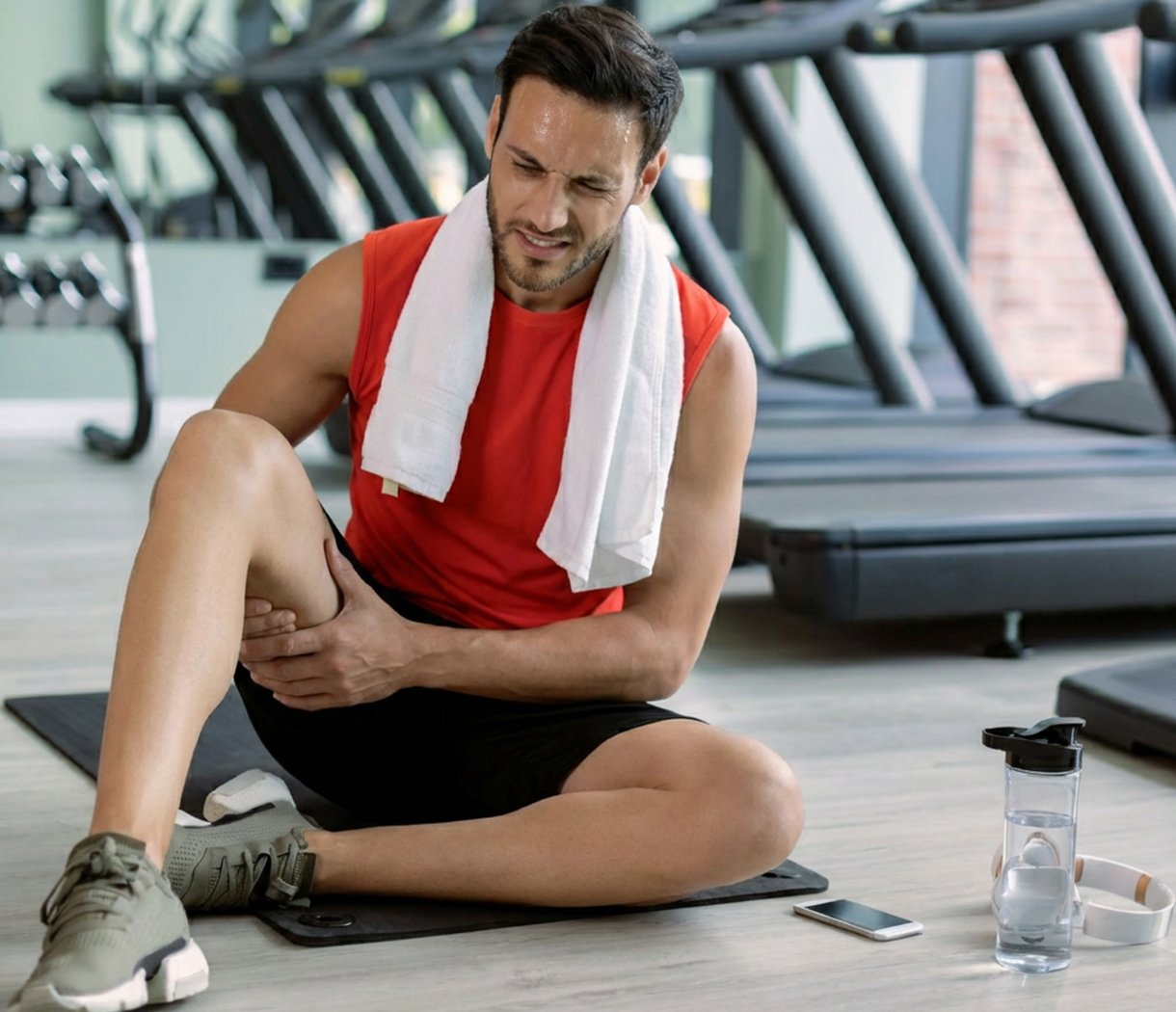
You crushed your leg workout—heavy squats, deep lunges, and deadlifts that pushed your limits. But the real challenge comes 24 to 48 hours later. Every step down the stairs feels like a battle, sitting down requires careful planning, and the muscle soreness makes you question if you will ever feel normal again. This familiar discomfort is delayed onset muscle soreness (DOMS), and for millions of fitness enthusiasts, it is the unavoidable price of progress. CO₂ cryotherapy offers a science-backed, drug-free solution that reduces DOMS symptoms, accelerates muscle recovery, and gets you back to the gym faster.
1. What Exactly Is Delayed Onset Muscle Soreness?
1.1 The Timeline of Post-Workout Pain
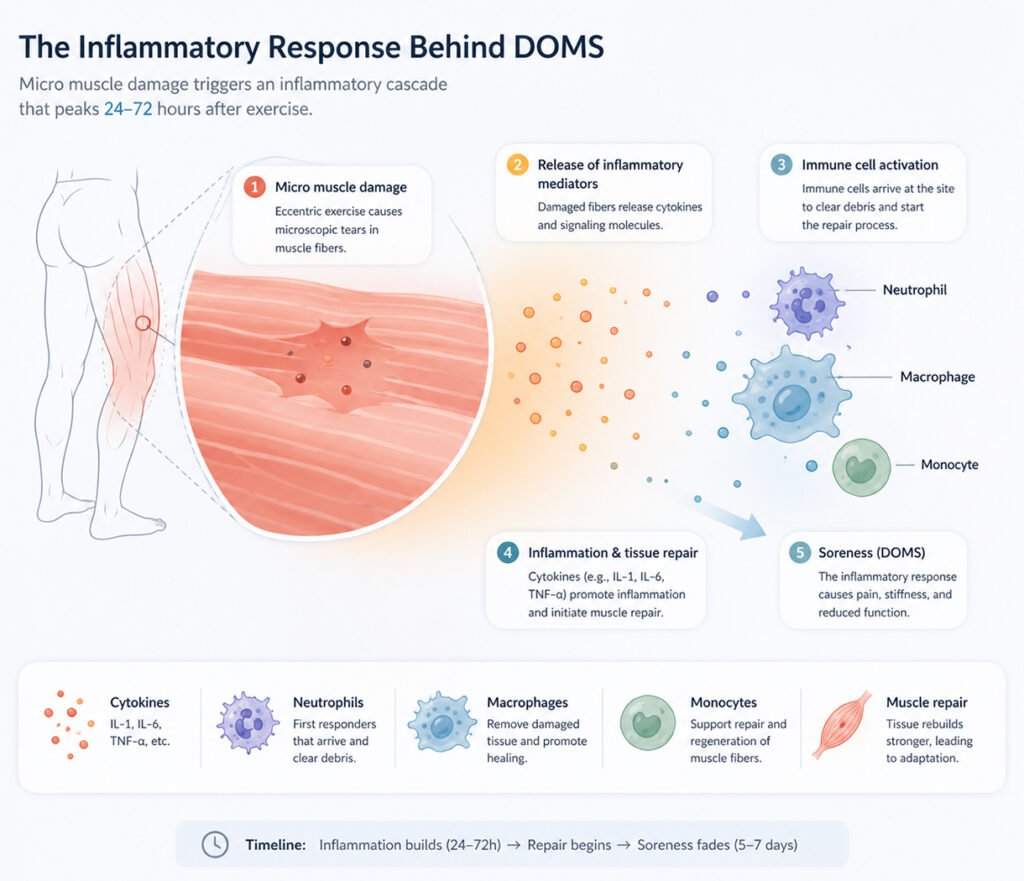
Delayed onset muscle soreness is a sensation of discomfort that typically occurs 1 to 2 days after exercise. The soreness is most evident at the muscle/tendon junction initially, and then spreads throughout the muscle. Unlike acute pain during or immediately after a workout, DOMS peaks between 24 and 72 hours post-exercise and generally subsides within 5 to 7 days. This predictable timeline explains why leg day feels manageable right after but becomes increasingly difficult over the following days.
1.2 Why Heavy Squats and Deadlifts Trigger DOMS
DOMS is particularly caused by eccentric contraction, where muscles lengthen under tension. Heavy squats and deadlifts involve substantial eccentric loading as you lower the weight under control. The muscle activity that causes the most soreness and injury is eccentric activity. Other examples include downhill running, ballistic stretching, plyometrics, and eccentric resistance exercise. The repetitive strain of deep squats and deadlifts places unique stress on the quadriceps, hamstrings, and glutes.
1.3 The Inflammatory Response Behind the Soreness
It has been suggested that the soreness may occur as a result of mechanical factors or it may be biochemical in nature. The results of much of the research concerning DOMS reflect events typically seen in acute inflammation, and a theoretical sequence of events based on research involving acute inflammation and DOMS has been proposed. The injury to the muscle has been well described but the mechanism underlying the injury is not fully understood. Nevertheless, the release of inflammatory mediators—cytokines, complement, neutrophils, and macrophages—plays a central role.
2. How CO₂ Cryotherapy Targets Muscle Recovery
2.1 The Biphasic Vascular Response
CO₂ cryotherapy uses pressurized carbon dioxide gas to rapidly cool the skin and underlying tissues. A treatment is brief—usually 10 to 15 seconds per targeted area—but triggers significant physiological effects. The rapid cooling provides a thermal shock that induces immediate vasoconstriction, reducing swelling and limiting local inflammation. Following cooling, reactive hyperemia occurs: blood flow increases above baseline, delivering oxygen and nutrients to tissues, which accelerates repair. This biphasic response is especially useful after high-intensity training.
2.2 Modulating Inflammation and Pain Signals
The cold stimulus decreases pro-inflammatory cytokines like IL-1, IL-6, and TNF-α while reducing tissue edema. Managing inflammation in this way supports recovery for overuse injuries, tendinopathies, and post-exercise muscle soreness. Additionally, rapid cold exposure slows nerve conduction and stimulates endogenous opioid release, providing systemic analgesic effects without drugs. Athletes can safely achieve drug-free pain relief to maintain training consistency.
2.3 CO₂ vs. Traditional Ice: Why the Difference Matters
Ice packs and cold baths gradually reduce tissue temperature and may lack precision. In contrast, CO₂ cryotherapy delivers immediate cooling to localized areas, allowing clinicians to control exposure time and targeted depth. The device uses liquid CO₂ and high pressure to deliver safe, effective treatments that enhance exercise recovery, support athletic performance, and improve rehabilitation for common injuries and conditions, including muscle tears, soft tissue damage, arthritis, and tendonitis. The dry cold preserves muscle elasticity, while ice baths can leave joints feeling stiff and muscles heavy.
3. Core Mechanisms of CO₂ Cryotherapy for DOMS Relief
3.1 Rapid Reduction of Local Inflammation
After intense eccentric exercise like heavy squats and deadlifts, muscle fibers develop microscopic tears. The body responds with an inflammatory cascade that peaks 24 to 72 hours later, causing the characteristic pain and stiffness of DOMS. CO₂ cryotherapy applies pressurized carbon dioxide at -78°C directly to the affected muscles. This extreme cold causes immediate vasoconstriction, reducing blood flow to the area and limiting the release of pro-inflammatory mediators. By dampening the initial inflammatory peak, cryotherapy prevents excessive swelling and tissue damage without completely blocking the healing process.
3.2 Restoration of Normal Blood Flow Through Reactive Hyperemia
Following the brief cooling phase, the body responds with reactive hyperemia—a dramatic increase in blood flow to the treated area. This rebound effect delivers fresh oxygen, nutrients, and immune cells needed for tissue repair while flushing out metabolic waste products such as lactic acid and inflammatory debris. Unlike ice packs, which can reduce blood flow for extended periods and potentially delay healing, CO₂ cryotherapy creates a balanced cycle of constriction followed by dilation. This rhythm supports efficient cleanup of damaged tissue and accelerates the repair of micro-tears in muscle fibers.
3.3 Modulation of Pain Signaling Pathways
Cold exposure directly affects how nerves transmit pain signals. The intense cooling slows conduction velocity in both A-delta and C-fibers—the nerve types responsible for transmitting sharp and dull pain. Additionally, cryotherapy stimulates the release of endogenous opioids, including endorphins and enkephalins, which bind to opioid receptors in the central nervous system. This dual mechanism provides both local and systemic pain relief without the side effects of oral medications. For someone suffering from DOMS, this means less discomfort during daily activities like walking downstairs or sitting down.
3.4 Preservation of Muscle Elasticity and Function
One often overlooked benefit of CO₂ cryotherapy is its ability to cool tissue without introducing moisture. Ice packs and cold water immersion add water to the skin and underlying tissues, which can increase stiffness and reduce muscle pliability. CO₂ cryotherapy uses dry cold, which rapidly lowers tissue temperature without wetness. This preserves the natural elasticity of muscle fibers and connective tissue, allowing athletes to maintain better range of motion and functional performance even during the DOMS period. The result is less stiffness and a faster return to normal movement patterns.
4. Practical Application for Fitness Enthusiasts
4.1 When to Apply CO₂ Cryotherapy for DOMS
Timing matters for optimal DOMS relief. For immediate post-workout application, cryotherapy helps limit the initial inflammatory cascade before it peaks. For existing DOMS, treatment can reduce pain and stiffness regardless of when symptoms began. A typical localized CO₂ session takes only 10 to 15 seconds per targeted area, making it easy to fit into any training schedule. Localized cryotherapy works by exposing a specific part of the body to extreme cold and high pressure, rapidly reducing the skin surface to 39.2°F (4°C).
4.2 Frequency and Session Length
For DOMS management after heavy leg workouts, one to two sessions within the first 48 hours post-exercise are usually sufficient. Each treatment applies the cryotherapy handpiece directly to the quadriceps, hamstrings, and glutes. The rapid cooling process is comfortable, and most people feel only an intense but tolerable cold sensation. Unlike ice baths that require 10 to 20 minutes of uncomfortable immersion, CO₂ cryotherapy delivers therapeutic cooling in under one minute per muscle group.
4.3 Combining with Active Recovery
CO₂ cryotherapy works best as part of a comprehensive recovery strategy. After treatment, light movement such as walking or gentle stretching helps maintain blood flow to the recovering muscles. The pain relief provided by cryotherapy allows you to engage in active recovery exercises that would otherwise be too uncomfortable. Many fitness enthusiasts find that combining cryotherapy with foam rolling, hydration, and proper nutrition produces the best long-term results.
5. Comparing CO₂ Cryotherapy to Other Recovery Methods
5.1 CO₂ Cryotherapy vs. Ice Baths
Ice baths involve immersing the body in water at 5°C to 15°C for 5 to 15 minutes. Water conducts heat 25 times faster than air, which is why a 5°C ice bath often feels more painful than a -150°C dry cryotherapy session. Ice baths can cause muscle tissue to feel congealed and heavy, reducing mobility immediately after. CO₂ cryotherapy preserves muscle elasticity, allowing athletes to return to training immediately. For DOMS specifically, cryotherapy produces clinically significant reduction after one session, while ice baths require 15 or more minutes of immersion to achieve similar effects.
5.2 Massage and Other Recovery Modalities
Massage seems to be the most effective method for reducing DOMS and perceived fatigue. However, massage requires a trained therapist, takes 30 to 60 minutes, and is not always convenient after every workout. Compressive garments, contrast water therapy, and active recovery also show positive impacts on reducing DOMS symptoms. CO₂ cryotherapy offers a faster, more convenient alternative that does not require undressing or specialized facilities. When applied correctly and combined with structured rehabilitation, cryotherapy enhances performance, reduces downtime, and fits into evidence-based sports medicine programs.
5.3 Why CO₂ Cryotherapy Stands Out
Unlike ice packs that provide gradual, uneven cooling, CO₂ systems deliver consistent temperatures of -78°C with pinpoint accuracy through specialized applicators. The technology incorporates real-time temperature monitoring, adjustable treatment duration, and ergonomic design features that enhance control and comfort. Additionally, the rapid application protocol requiring only 10 to 15 seconds per treatment site maximizes efficiency while minimizing patient exposure time.
6. Practical Tips for Managing DOMS After Leg Day
6.1 The First 24 Hours: Immediate Recovery
Within the first 24 hours after heavy squats and deadlifts, focus on limiting excessive inflammation without suppressing the healing process entirely. A brief CO₂ cryotherapy session on each major muscle group can help reduce the initial inflammatory peak. Avoid high-dose anti-inflammatory medications that may interfere with muscle adaptation. Light walking and staying well-hydrated support the body‘s natural recovery mechanisms.
6.2 Day 2 to 3: Managing Peak Soreness
When DOMS peaks between 24 and 72 hours, this is when most people feel the worst stiffness and pain. A cryotherapy session during this window can significantly reduce discomfort, making daily activities more manageable. Gentle stretching and foam rolling may help, but avoid aggressive massage that could aggravate already sensitive tissues. Continue hydration and consider increasing protein intake to support muscle repair.
6.3 Long-Term Prevention and Adaptation
As your muscles adapt to regular heavy training, DOMS typically becomes less severe over time. However, significant increases in volume or intensity will still trigger soreness. Regular cryotherapy sessions after particularly challenging workouts can reduce cumulative fatigue and allow you to train more frequently. Listen to your body—some soreness is normal and beneficial for adaptation, but sharp pain may indicate injury requiring medical attention.
PERGUNTAS FREQUENTES
Q: How soon after leg day should I use CO₂ cryotherapy for DOMS?
A: Within 24 hours for best results, but treatment at any point during DOMS can still reduce pain and stiffness.
Q: Will CO₂ cryotherapy interfere with muscle growth?
A: No. It reduces excessive inflammation without blocking the muscle adaptation signals needed for growth.
Q: How many CO₂ sessions do I need for DOMS relief?
A: One to two sessions within 48 hours post-workout usually provide significant relief. Results vary by individual.
Q: Can I use CO₂ cryotherapy at home?
A: Yes. Portable localized CO₂ devices are available for home use. Always follow manufacturer instructions and consult a professional first.
Q: Is CO₂ cryotherapy better than an ice bath for DOMS?
A: Research suggests cryotherapy provides more effective muscle performance recovery and avoids the circulation reduction caused by ice baths.
Conclusão
Delayed onset muscle soreness is an inevitable part of pushing your limits in the gym, especially after heavy squats and deadlifts. But suffering through days of stiffness and pain does not have to be the price of progress. CO₂ cryotherapy offers a fast, non-invasive, and drug-free solution that reduces inflammation, preserves muscle blood flow, and accelerates recovery. By triggering rapid vasoconstriction followed by reactive hyperemia, modulating pain signals, and preserving muscle elasticity, CO₂ cryotherapy helps you conquer leg day soreness and get back to training stronger than before.
Referências
MacIntyre, D. L., et al. (1995). Delayed muscle soreness. The inflammatory response to muscle injury and its clinical implications. Sports Medicine, 20(1), 24–40.
https://pubmed.ncbi.nlm.nih.gov/7481277/
Wilke, J., et al. (2021). Is “Delayed Onset Muscle Soreness” a False Friend? The Potential Implication of the Fascial Connective Tissue in Post-Exercise Discomfort. International Journal of Molecular Sciences, 22(17), 9482.
https://pmc.ncbi.nlm.nih.gov/articles/PMC8431437/
Hirata, K., et al. (2024). Cryotherapy with carbon dioxide hydrate enhances immediate recovery of muscle function from neuromuscular fatigue. Journal of Sports Sciences, 42(22), 2103–2114.
https://pubmed.ncbi.nlm.nih.gov/39533652/
PMC. Table 9: Cold therapy effectiveness comparison.
https://pmc.ncbi.nlm.nih.gov/articles/PMC12559053/table/Tab9/
LocalCryotherapy. (2025). CO₂ Cryotherapy for Faster Sports Recovery.
https://www.localcryotherapy.com/ko/co%e2%82%82-cryotherapy-sports-recovery.html
LocalCryotherapy. (2025). Spot-On Relief: Localized CO₂ Cryotherapy for Quick Pain Control.