Introdução
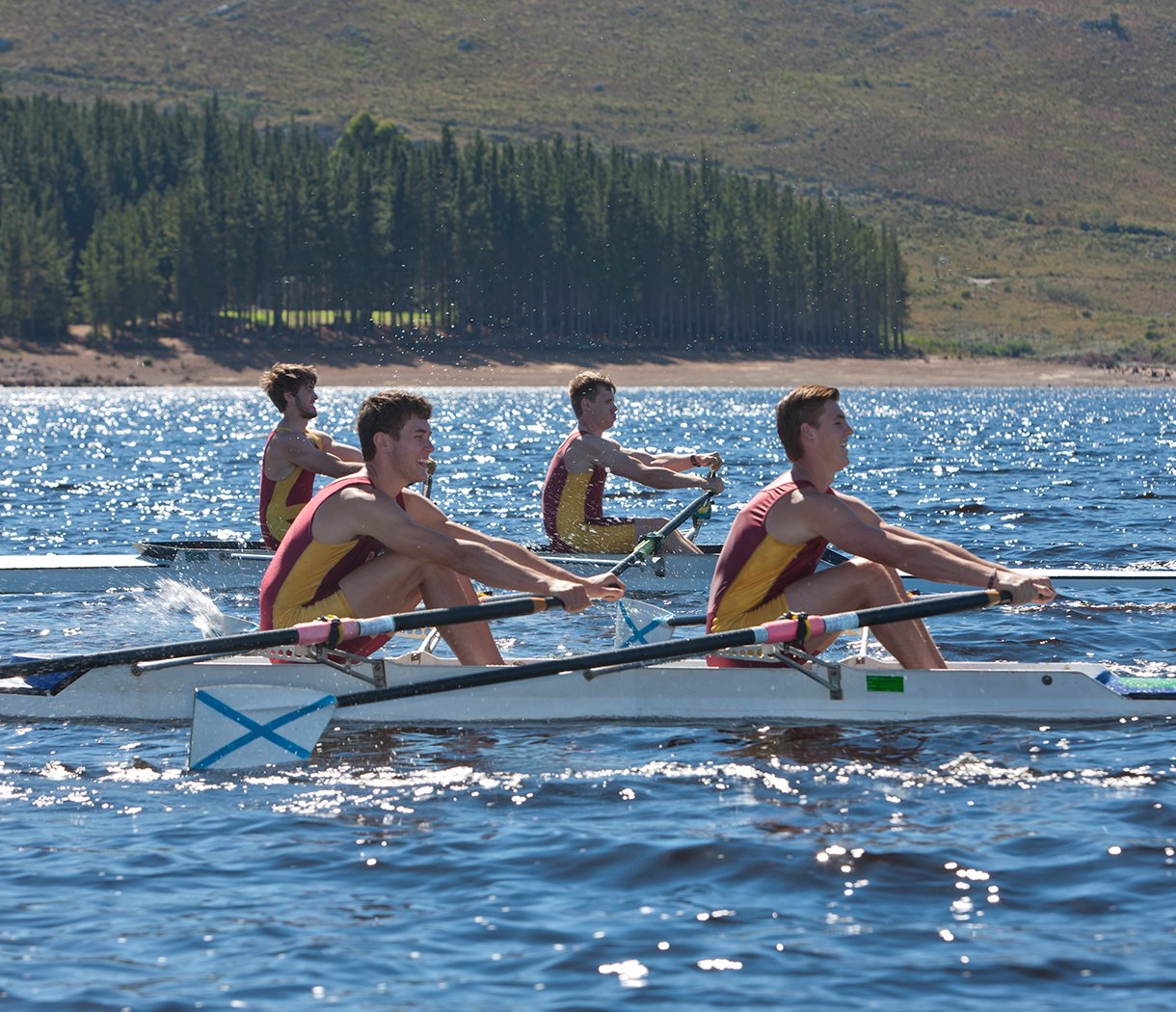
The rhythmic pull of the oar, the explosive drive of the legs, the controlled lean back at the finish. Every stroke in rowing demands a coordinated effort from the entire body. No single area bears more of this repetitive burden than the lower back. The lumbar spine and its surrounding muscles act as the critical link between the powerful leg drive and the upper body pulling motion. With each stroke, the lower back muscles contract forcefully, supporting the transfer of force while maintaining stability throughout the motion. Over the course of a training session, a rower may repeat this motion hundreds of times. The cumulative effect is a deep, nagging fatigue that settles into the paraspinal muscles, the quadratus lumborum, and the erector spinae. This fatigue does not simply fade with a night rest. It accumulates over days and weeks, affecting performance, increasing injury risk, and diminishing the joy of the sport. For rowers seeking an effective, non-invasive way to manage this persistent muscle fatigue, CO₂ cryotherapy offers a targeted approach that works with the body natural recovery processes.
1. The Demands of Rowing on the Lower Back
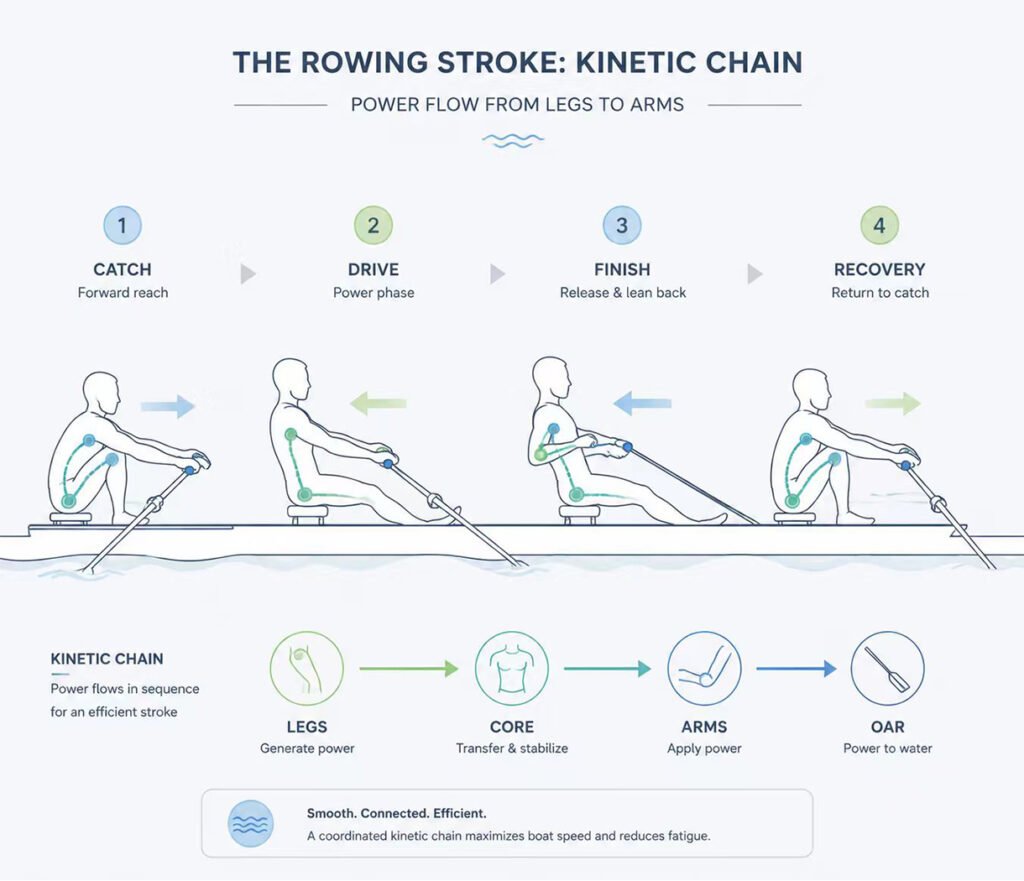
Rowing places extraordinary demands on the lower back. The sport requires athletes to generate power through their legs, transfer that power through their core, and apply it through their arms and oars. The lower back muscles sit at the center of this kinetic chain, and they pay a price for their central role.
1.1 The Mechanics of Each Stroke
Every rowing stroke follows a similar pattern. The catch, where the oar enters the water, requires the rower to lean forward from the hips. This position places the lower back muscles in a stretched, loaded state. The drive phase follows, with the rower pushing through the legs and swinging the back from a forward lean to a slight backward lean. This motion requires a forceful contraction of the erector spinae and quadratus lumborum muscles. The finish, where the oar leaves the water, involves a final extension of the back. The recovery phase returns the rower to the catch position, completing the cycle. Each of these phases loads the lower back differently, but all of them contribute to the cumulative fatigue that rowers experience.
1.2 Why Lower Back Fatigue Accumulates
The lower back muscles are not designed for sustained, repetitive high-intensity contractions. They contain a mix of slow-twitch and fast-twitch fibers, but the demands of rowing push both types to their limits. With each stroke, the muscles contract, relax, and contract again. This repeated cycle depletes the muscle energy stores and creates microtrauma in the muscle fibers. The body responds to this microtrauma with inflammation, which is a necessary part of the repair process. However, when the next training session arrives before the repair process is complete, the inflammation and fatigue accumulate. Over time, this cycle can lead to chronic muscle tightness, reduced flexibility, and an increased risk of more serious injuries.
1.3 The Impact on Performance and Enjoyment
Lower back fatigue does more than cause discomfort. It affects a rower ability to generate power through the stroke. When the lower back muscles are fatigued, they cannot support the transfer of force from the legs to the oar effectively. This reduces boat speed and makes each stroke feel heavier. Fatigue also affects technique. Rowers with tired lower backs may compromise their posture, leaning too far forward or backward to compensate. This can lead to inefficient strokes and increased strain on other parts of the body. Beyond performance, persistent lower back fatigue can take the enjoyment out of rowing. What should feel like a powerful, fluid motion becomes a struggle against a constant ache.
2. How CO₂ Cryotherapy Addresses Lower Back Fatigue
CO₂ cryotherapy offers a modern approach to managing the muscle fatigue that follows intense exercise. Unlike traditional ice packs, which require prolonged contact and leave the skin wet, CO₂ cryotherapy uses pressurized carbon dioxide gas to deliver rapid, targeted cooling to the affected area. This approach works through several physiological mechanisms that directly address the factors contributing to lower back fatigue.
2.1 Reducing Inflammation and Microtrauma
Intense exercise creates microtrauma in muscle fibers, and the body responds with inflammation. While this inflammation is a necessary part of the healing process, excessive or prolonged inflammation can delay recovery and contribute to persistent fatigue. The rapid cooling from CO₂ cryotherapy helps modulate this inflammatory response. The cold reduces the activity of pro-inflammatory enzymes and mediators, helping to keep the inflammatory response within a manageable range. This does not prevent the body from healing, but it does help prevent the inflammation from becoming excessive. By keeping inflammation in check, CO₂ cryotherapy may help reduce the soreness and stiffness that often follow intense training sessions.
2.2 Enhancing Circulation and Nutrient Delivery
One of the key benefits of CO₂ cryotherapy is its effect on circulation. When the cold gas contacts the skin, it triggers vasoconstriction, the narrowing of blood vessels. This initial response helps limit the accumulation of inflammatory fluid in the tissues. The more significant effect occurs after the cold stimulus ends. The blood vessels undergo a phase called reactive hyperemia, where they dilate more widely than before. This rebound effect brings a surge of oxygen-rich blood and nutrients to the treated area. For fatigued lower back muscles, this enhanced circulation supports the delivery of healing factors while carrying away metabolic waste products that accumulate during exercise. Better blood flow means faster removal of the byproducts that contribute to muscle soreness and fatigue.
2.3 Promoting Muscle Relaxation and Reducing Tension
Fatigued muscles often remain in a state of residual tension. This tension can contribute to the feeling of tightness and stiffness that rowers experience after training. The cold stimulus from CO₂ cryotherapy influences nerve signaling, reducing the activity at the motor end plates where nerves signal muscles to contract. This helps interrupt the cycle of sustained contraction, allowing the muscle fibers to return to a more relaxed state. The result is a reduction in the tightness that can limit flexibility and range of motion. For rowers, this means a quicker return to a comfortable, functional state after training.
3. Integrating CO₂ Cryotherapy into a Rower Recovery Routine
For rowers who want to incorporate CO₂ cryotherapy into their training regimen, understanding how to use it effectively makes a difference. The therapy is not a replacement for proper rest, nutrition, and hydration, but it can be a valuable addition to a comprehensive recovery plan.
3.1 Timing the Sessions
The timing of CO₂ cryotherapy sessions can influence their effectiveness. Many rowers find that using the therapy immediately after a training session helps address the acute inflammation and microtrauma before they become established. Others prefer to use it on rest days, when the muscles have had time to recover but still feel tight and fatigued. The best approach depends on individual response and training schedule. A typical protocol might include two to three sessions per week, targeting the lower back and any other areas that feel particularly fatigued.
3.2 Combining with Other Recovery Strategies
CO₂ cryotherapy works best when combined with other recovery strategies. Proper hydration supports the body ability to clear metabolic waste and deliver nutrients to fatigued muscles. Gentle stretching helps maintain flexibility and reduce tension. Adequate sleep allows the body to complete the repair processes that the therapy supports. When used alongside these fundamental practices, CO₂ cryotherapy can help rowers get more out of their recovery time.
3.3 Listening to the Body
The most important factor in any recovery plan is paying attention to the body signals. Some days, the lower back may feel particularly tight or fatigued, and a CO₂ cryotherapy session may provide the relief needed to prepare for the next training session. Other days, the muscles may feel relatively fresh, and the therapy may be less necessary. Rowers who learn to read their bodies can use CO₂ cryotherapy strategically, applying it when it will have the greatest impact.
4. Long-Term Benefits for Rowers
The benefits of CO₂ cryotherapy extend beyond immediate recovery from fatigue. Regular use can support long-term muscle health and performance.
4.1 Supporting Consistent Training
One of the biggest challenges for rowers is maintaining consistent training volume. When fatigue accumulates, it becomes harder to complete sessions at the desired intensity. CO₂ cryotherapy can help manage the fatigue that builds up over a training cycle, allowing rowers to maintain their training schedule without being derailed by persistent muscle soreness. This consistency is essential for making progress and achieving performance goals.
4.2 Reducing the Risk of Injury
Fatigued muscles are more susceptible to injury. When the lower back muscles are tired, they cannot provide the same level of support to the spine. This can lead to poor technique, which in turn increases the risk of strains and more serious injuries. By helping to manage muscle fatigue, CO₂ cryotherapy may contribute to a lower risk of injury. This is particularly important for rowers, who rely on their lower backs for power and stability throughout the stroke.
4.3 Enhancing Overall Well-Being
The benefits of CO₂ cryotherapy are not limited to physical recovery. The therapy also supports mental clarity and focus, which are important for athletes who need to maintain concentration during long training sessions. By reducing the physical discomfort of fatigue, CO₂ cryotherapy can help rowers approach their training with a more positive mindset. This mental boost can be just as valuable as the physical recovery.
PERGUNTAS FREQUENTES
Q1: Is CO₂ cryotherapy painful for the lower back?
Most rowers describe a very cold sensation that is intense but not painful. The applicator moves continuously, so no single spot stays cold for more than a moment.
Q2: How soon after a session will I feel less lower back fatigue?
Many rowers notice reduced tightness and soreness within minutes after the session. The analgesic effects begin quickly, while deeper tissue recovery continues over the following hours.
Q3: How many sessions does a rower typically need?
Some rowers use CO₂ cryotherapy after every training session during intense periods, while others use it two to three times per week. A typical supportive protocol includes two to three sessions per week, adjusted based on training load and individual response.
Q4: Can I use CO₂ cryotherapy alongside other recovery methods?
Yes. CO₂ cryotherapy works well with stretching, hydration, and proper nutrition. It does not replace these measures but works alongside them.
Q5: Will CO₂ cryotherapy prevent lower back injuries?
CO₂ cryotherapy helps manage fatigue and supports tissue recovery. However, maintaining proper technique, adequate rest, and appropriate training load remains important for injury prevention.
Conclusão
Rowing is a sport of power, precision, and endurance. It demands everything from the athlete, and the lower back bears a significant portion of that demand. The repetitive loading of each stroke creates a cumulative fatigue that can affect performance, increase injury risk, and diminish the enjoyment of the sport. For rowers seeking an effective, non-invasive way to manage this fatigue, CO₂ cryotherapy offers a targeted approach that works through inflammation modulation, improved circulation, and muscle relaxation. When combined with sensible recovery strategies, CO₂ cryotherapy may help rowers maintain consistent training, reduce their risk of injury, and continue enjoying the powerful, fluid motion that defines their sport.
Referências
CO₂ Cryotherapy Supports Seasonal Muscle and Joint Recovery
How CO₂ Cryotherapy Improves Posture and Fights Fatigue
https://www.localcryotherapy.com
The Hidden Benefits of CO₂ Cryotherapy for Inflammation and Injury Repair
What I Experienced During My CO₂ Cryotherapy Trial: Results After Several Days