
소개
Waking up with neck stiffness or discomfort after sleeping in an uncomfortable position is a common experience for many people. Changes in sleeping posture, prolonged pressure on cervical muscles, and limited movement during the night may contribute to temporary tightness around the neck and shoulder area. CO₂ Cryotherapy, also known as localized carbon dioxide cryotherapy, has gained attention as a targeted cold therapy approach that supports comfort in specific body areas. By applying controlled cold stimulation to targeted tissues, CO₂ Cryotherapy may help support normal physiological responses, including circulation changes, muscle relaxation, and recovery after daily physical stress. Many people explore this technology as part of a wellness routine focused on maintaining mobility and managing everyday neck discomfort.
1. Understanding Morning Neck Stiffness and CO₂ Cryotherapy
Morning neck stiffness can affect daily movement, especially when the cervical muscles feel tight after sleep. Understanding the connection between sleeping posture, muscle tension, and localized cold therapy can help people choose suitable approaches for supporting neck comfort.
1.1 Why Sleeping Positions Can Influence Neck Comfort
During sleep, the neck remains in a relatively fixed position for several hours. When the head and cervical spine are not properly aligned, certain muscles may experience prolonged tension.
The cervical region contains multiple structures, including cervical vertebrae, muscles, ligaments, fascia, and nerves. Maintaining the same position throughout the night may contribute to temporary stiffness when waking up.
Common daily factors such as pillow height, sleeping posture, stress levels, and previous physical activity can also influence how the neck feels in the morning. For many individuals, gentle movement and supportive recovery methods become important parts of their morning routine.
1.2 The Connection Between Muscle Tension and Cervical Discomfort
The neck muscles help support head movement and maintain posture throughout the day. When these muscles experience repeated stress or prolonged contraction, they may become sensitive and feel uncomfortable.
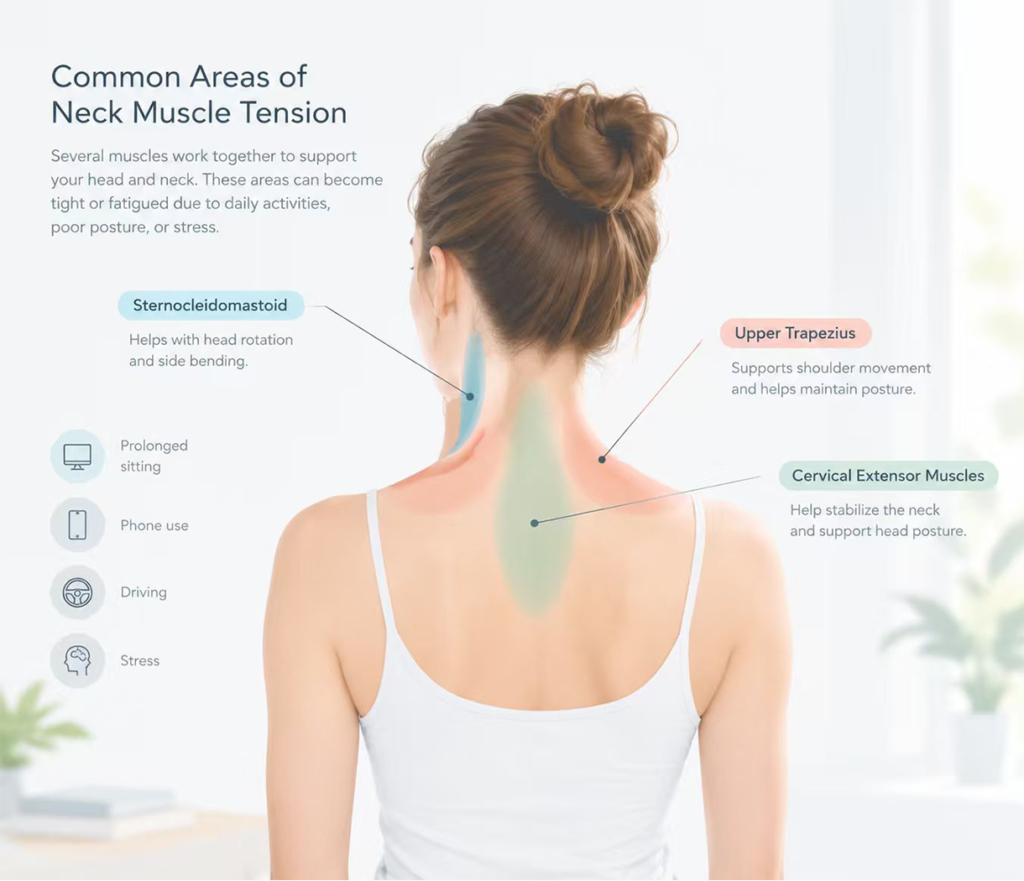
The upper trapezius, sternocleidomastoid, and cervical extensor muscles are commonly involved in maintaining neck stability. Activities such as computer work, smartphone use, driving, and poor posture may increase physical demand on these areas.
CO₂ Cryotherapy focuses on localized cooling, which may influence physiological responses in targeted tissues. Cold exposure is commonly associated with processes such as vasoconstriction, reduced nerve conduction speed, and temporary changes in muscle activity.
1.3 What Is CO₂ Cryotherapy and How Does It Work?
CO₂ Cryotherapy uses compressed carbon dioxide gas to create rapid cooling on targeted areas of the body. Unlike traditional ice packs, this technology delivers controlled cold stimulation directly to the selected region.
The rapid temperature change creates a localized cooling effect that interacts with skin and underlying tissues. This process may support comfort by influencing sensory responses and helping manage the feeling of tension after physical stress.
Localized cryotherapy is different from whole-body cryotherapy because it focuses on specific areas rather than exposing the entire body to extremely cold environments. This targeted approach makes it suitable for people looking for focused cold therapy around areas such as the neck and shoulders.
2. How CO₂ Cryotherapy Supports Neck Recovery and Daily Mobility
CO₂ Cryotherapy is often explored as part of a broader wellness routine because it provides targeted cooling without requiring extended recovery time. Understanding its potential role can help users develop realistic expectations about localized cold therapy.
2.1 Supporting the Body’s Natural Response to Cold Stimulation
Cold stimulation creates several physiological responses within the body. When tissues experience controlled cooling, blood vessels in the treated area may temporarily narrow, which is known as vasoconstriction.
This response is one reason cold-based therapies are commonly used in sports recovery and physical wellness settings. The cooling process may also influence sensory nerve activity, helping users experience a different sensation in areas affected by temporary discomfort.
For morning neck stiffness, localized CO₂ Cryotherapy provides a focused approach that targets the specific area rather than applying general cold exposure.
2.2 Supporting Muscle Relaxation After Sleep-Related Stiffness
Neck stiffness after waking up often relates to muscle tightness and limited movement after several hours of rest. A cold therapy approach may help support a more comfortable transition from rest to daily activity.
CO₂ Cryotherapy can be incorporated into morning wellness routines by focusing on areas where users experience tightness, such as the sides of the neck, upper shoulders, or cervical muscle regions.
Combined with gentle stretching and proper posture habits, localized cold therapy may become part of a balanced approach to maintaining neck mobility.
2.3 The Role of Localized Cryotherapy in Modern Wellness
Modern wellness approaches increasingly focus on targeted technologies that fit into daily lifestyles. Localized cryotherapy provides an option for individuals who prefer focused applications rather than broader recovery methods.
The growing interest in CO₂ Cryotherapy comes from its ability to deliver rapid cooling to specific body areas. This makes it relevant for people managing daily physical stress caused by work habits, exercise routines, or posture-related challenges.
While CO₂ Cryotherapy does not replace professional evaluation or personalized care when needed, it can serve as a supportive tool for individuals seeking additional comfort during their daily routines.
3. CO₂ Cryotherapy Applications for Modern Lifestyle-Related Neck Stress
Many modern lifestyle habits place additional demands on the cervical region. From long hours using digital devices to extended periods of sitting, daily activities can influence neck and shoulder comfort.
3.1 CO₂ Cryotherapy for Desk Workers With Morning Neck Tightness
Office workers and remote professionals often spend many hours in seated positions. Forward head posture, prolonged screen use, and limited movement breaks can increase stress on cervical muscles.
When combined with morning stiffness, these habits may make neck mobility feel more challenging at the beginning of the day.
CO₂ Cryotherapy offers a targeted cooling approach that desk workers may consider as part of their personal wellness routine. By focusing on the neck and shoulder area, users can address specific regions affected by daily posture demands.
3.2 CO₂ Cryotherapy for People With Smartphone-Related Neck Stress
Frequent smartphone use has changed how people position their heads throughout the day. Looking downward for extended periods may increase demand on cervical muscles and contribute to feelings of neck tension.
This type of posture-related discomfort is often associated with the term “tech neck,” which describes neck strain related to prolonged device use.
Localized CO₂ Cryotherapy may provide a supportive option for people who experience temporary neck tightness from daily device habits. Combined with posture awareness and regular movement, it can become part of a comprehensive approach to neck wellness.
3.3 CO₂ Cryotherapy for Active Individuals After Daily Physical Stress
Physical activities such as strength training, cycling, swimming, and recreational sports can place additional stress on the neck and shoulder muscles.
Athletes and active individuals often include recovery strategies in their routines to maintain mobility and comfort. Localized cold therapy has become one approach used to support recovery after physical activity.
CO₂ Cryotherapy allows users to focus on specific areas that experience higher physical demands, making it suitable for individuals who want targeted support after exercise or physically demanding activities.
4. CO₂ Cryotherapy as Part of a Daily Neck Wellness Routine
Neck stiffness related to sleep position is often connected with daily habits, posture, and muscle condition. While changing sleeping positions and maintaining healthy movement patterns are important, some people also explore localized cold therapy as an additional wellness approach.
4.1 Supporting Neck Comfort After Long Periods of Postural Stress
Modern lifestyles often involve extended periods of sitting, screen use, and limited movement. These habits can place continuous demand on the cervical muscles, especially when the head remains in a forward position for long periods.
The cervical area contains complex structures that work together to maintain head balance and movement. When these muscles experience repeated stress, individuals may notice temporary tightness or reduced flexibility.
CO₂ Cryotherapy provides targeted cooling that can be applied to specific areas of the neck and shoulder region. The cooling process may help support sensory comfort and normal tissue responses after daily physical stress.
Rather than focusing only on morning discomfort, many people view localized cryotherapy as part of a broader approach that includes posture improvement, mobility exercises, and healthy lifestyle habits.
4.2 The Importance of Combining Cold Therapy With Proper Neck Care
Cold therapy is only one part of maintaining neck wellness. Daily habits have a significant influence on how the cervical area feels throughout the day.
Simple adjustments, such as maintaining a neutral head position while working, taking movement breaks, and performing gentle mobility exercises, can support overall neck function.
When combined with these habits, CO₂ Cryotherapy may provide additional support for individuals who experience occasional neck tightness after sleep or daily activities.
4.3 How Localized CO₂ Cryotherapy Differs From Traditional Cold Applications
Traditional cold applications often include ice packs or cold compresses placed on the body surface. While these methods are commonly used, CO₂ Cryotherapy offers a different approach through rapid gas-based cooling.
The use of carbon dioxide allows targeted application to specific body regions. This makes localized CO₂ Cryotherapy suitable for areas where users want focused cooling without applying cold therapy over larger body areas.
Different cryotherapy technologies have different mechanisms and application methods. Understanding these differences helps users choose an approach that matches their personal wellness goals.
5. Exploring the Future of CO₂ Cryotherapy in Personal Wellness
As interest in recovery technology and non-invasive wellness approaches continues to grow, localized cryotherapy has become an increasingly discussed option. CO₂ Cryotherapy represents one example of how targeted cooling technology is being incorporated into modern self-care routines.
5.1 The Growing Role of Localized Cryotherapy Technology
Localized cryotherapy has expanded beyond traditional sports settings and is now explored in different areas of personal wellness. Its targeted application makes it attractive for people who prefer focused approaches rather than general cold exposure.
The technology behind CO₂ Cryotherapy continues to develop, with attention placed on improving application methods, comfort, and user experience.
Current discussions around cryotherapy often focus on how controlled cooling influences physiological responses, including circulation changes, sensory reactions, and tissue comfort.
5.2 CO₂ Cryotherapy and the Future of At-Home Wellness Support
People increasingly look for wellness solutions that fit naturally into their daily routines. Convenience, targeted application, and non-invasive characteristics are important factors when choosing recovery technologies.
CO₂ Cryotherapy reflects this trend by providing a focused cold therapy option that can be incorporated into personal care routines.
For individuals experiencing occasional morning neck stiffness, localized cooling may become one supportive method alongside healthy sleep habits, posture awareness, and regular movement.
자주 묻는 질문
What is CO₂ Cryotherapy for neck stiffness?
CO₂ Cryotherapy is a localized cold therapy method that uses carbon dioxide cooling to support comfort in targeted areas such as the neck and shoulders.
Can CO₂ Cryotherapy help with morning neck discomfort?
It may support comfort by providing localized cooling and influencing normal physiological responses related to cold exposure.
Why does my neck feel stiff after sleeping?
Morning neck stiffness may be related to sleeping position, muscle tension, posture habits, or prolonged lack of movement during sleep.
Is CO₂ Cryotherapy the same as using an ice pack?
No. CO₂ Cryotherapy uses controlled carbon dioxide cooling, while ice packs rely on direct surface cooling.
Can CO₂ Cryotherapy replace stretching or posture improvement?
No. It works best as a supportive option combined with healthy movement habits and proper posture practices.
결론
Morning neck stiffness can result from many everyday factors, including sleeping position, posture habits, and muscle tension accumulated throughout daily activities. CO₂ Cryotherapy provides a targeted cold therapy approach that many individuals explore as part of their wellness routines. Through localized cooling, it may support comfort, sensory relaxation, and normal physiological responses in specific areas such as the neck and shoulders. While it is not a replacement for professional care or healthy lifestyle habits, CO₂ Cryotherapy can be considered a convenient supportive option for people looking to maintain daily mobility and neck comfort.
참조
Whole- and partial-body cryostimulation/cryotherapy: Current technologies and practical applications
https://pubmed.ncbi.nlm.nih.gov/27712663
Orthopaedic Application of Cryotherapy: A Comprehensive Review of the History, Basic Science, Methods, and Clinical Effectiveness
https://pubmed.ncbi.nlm.nih.gov/33512971
Whole-body cryotherapy in athletes: From therapy to stimulation. An updated review of the literature
https://www.frontiersin.org/articles/10.3389/fphys.2017.00258/full
Whole-body cryotherapy for preventing and treating muscle soreness after exercise in adults
Local Cryotherapy in Traumatology and Orthopedics: A Review of Current Approaches and Potential Clinical Use