소개
A simple act like walking to the mailbox, climbing a short flight of stairs, or stepping off a curb can become a source of quiet anxiety for many older adults. The fear of falling is not unfounded. Each year, millions of seniors experience falls that lead to fractures, loss of independence, and a diminished quality of life. The underlying causes are often invisible: age-related changes in muscle strength, slower reaction times, diminished sensation in the feet, and declining circulation to the lower extremities. These physiological shifts make the body less responsive to the demands of everyday movement. While balance exercises and strength training remain the cornerstones of fall prevention, CO₂ cryotherapy offers a complementary, non-invasive approach that may help support the body’s natural systems for stability and coordination. By targeting circulation, neuromuscular function, and proprioceptive awareness, this therapy may help older adults maintain the confidence and physical capacity to move through their daily lives with greater ease and security.
1. Understanding Balance Decline in Older Adults
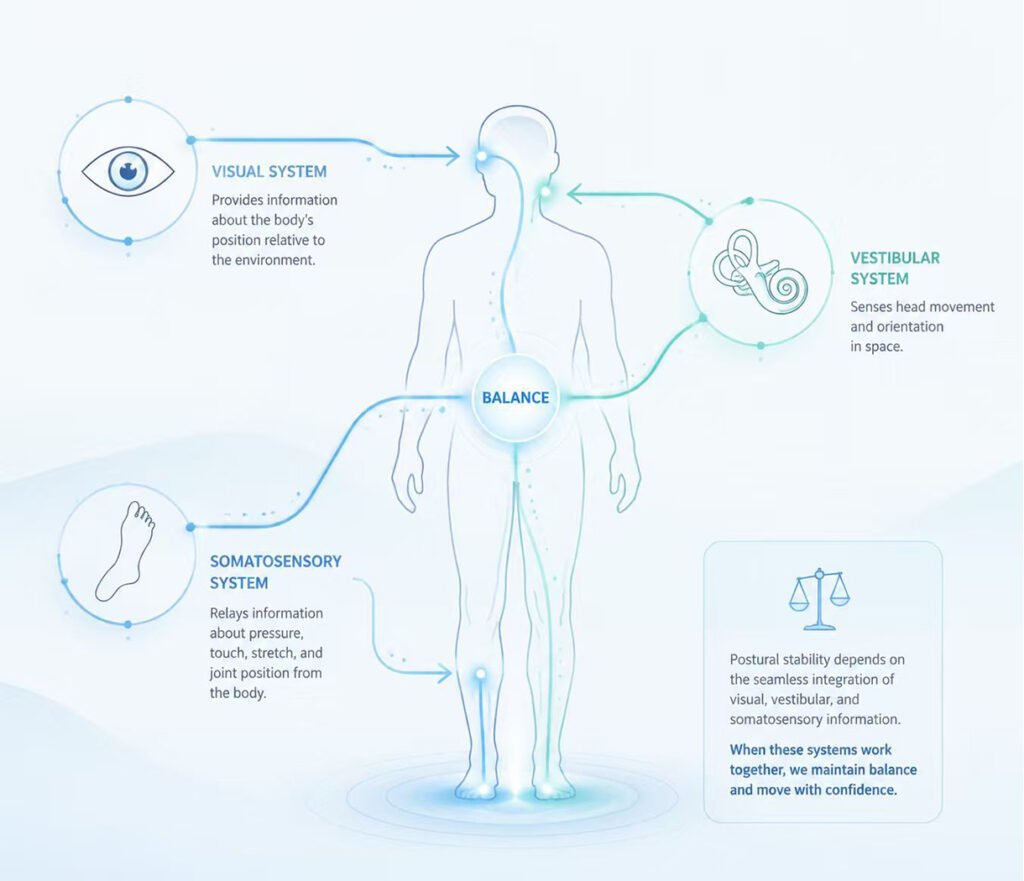
Maintaining balance is a complex process that depends on the seamless integration of multiple body systems. These systems undergo gradual changes with age.
1.1 The Systems That Support Balance
Postural stability relies on three primary systems working in harmony. The visual system provides information about the body’s position relative to the environment. The vestibular system, located in the inner ear, senses head movement and orientation. The somatosensory system, which includes receptors in the skin, muscles, and joints, relays information about pressure, stretch, and joint position. With age, the function of each of these systems declines. Vision becomes less sharp, vestibular function diminishes, and the sensitivity of the skin receptors in the feet decreases. The integration of these signals also becomes less efficient.
1.2 How Aging Affects Neuromuscular Control
The neuromuscular system undergoes significant changes with age. Muscle mass decreases, a process known as sarcopenia. The communication between the nervous system and muscles becomes less precise. Sensorimotor delays become prolonged, meaning the nervous system takes longer to respond to balance challenges. The central nervous system partially loses the ability to recruit and control motor units effectively. These changes result in slower reaction times, reduced muscle power, and a diminished ability to recover from a stumble or misstep.
1.3 The Role of Circulation and Sensation
Poor circulation in the lower extremities compounds these challenges. Reduced blood flow to the feet can lead to numbness, tingling, and decreased sensation. When the feet cannot accurately sense the surface beneath them, the brain receives less reliable information about the body’s position, making balance more difficult. Conditions such as peripheral neuropathy, common in older adults, further diminish sensation and increase fall risk. The combination of reduced circulation and diminished sensation creates a feedback loop. Less movement leads to poorer circulation, which further reduces sensation and stability.
2. How CO₂ Cryotherapy May Support Balance
CO₂ cryotherapy delivers controlled, localized cooling to targeted areas using pressurized carbon dioxide gas. Unlike traditional ice packs, which cool unevenly and leave moisture behind, CO₂ cryotherapy provides dry, precise cooling that penetrates the skin and reaches underlying tissues quickly. This approach may offer several benefits for older adults concerned about balance and fall prevention.
2.1 Stimulating Neuromuscular Control
CO₂ cryotherapy appears to stimulate neuromuscular balance and enhance postural stability. The cold stimulus activates mechanoreceptors in the skin and deeper tissues. These receptors send signals to the nervous system about changes in pressure and position. The enhanced neuromuscular control translates to improved postural stability, reduced fall risk, and more efficient movement patterns. Cold spray has been shown to improve muscle strength in some contexts. Brief skin cooling may enhance sympathetic tone and muscle spindle sensitivity, potentially contributing to greater muscle force generation.
2.2 Improving Circulation to the Lower Extremities
CO₂ cryotherapy is recognized as a safe, non-invasive treatment that improves circulation and reduces leg swelling in seniors. The cold causes blood vessels to constrict temporarily, then dilate more widely during the rebound phase. This process brings oxygen-rich blood to the tissues while flushing away metabolic waste. Better circulation to the feet and legs supports the health of the muscles, nerves, and skin needed for stable movement. By reducing swelling and stiffness, CO₂ cryotherapy enables elderly patients to participate more comfortably in physical activity and rehabilitation exercises.
2.3 Supporting Sensory Function
For older adults with diminished sensation in their feet, CO₂ cryotherapy may offer additional support. The therapy improves microcirculation and reduces oxidative stress. Better blood flow to the peripheral nerves may help maintain nerve health and function. When the feet can more accurately sense the ground beneath them, the brain receives better information for making postural adjustments. This improved sensory feedback may help older adults feel more confident and stable on their feet.
3. A Safe and Supportive Approach for Seniors
CO₂ cryotherapy is generally considered safe for older adults when administered appropriately. However, age-related changes require careful consideration.
3.1 Modified Protocols for Older Adults
Older adults may have reduced cold tolerance and slower recovery from temperature changes. For this reason, treatment protocols for seniors often involve modified parameters and enhanced monitoring. Sessions may be shorter, and the temperature may be adjusted to ensure comfort and safety. A thorough consultation with a qualified practitioner helps determine the appropriate approach for each individual.
3.2 Important Safety Considerations
CO₂ cryotherapy is not appropriate for everyone. Individuals with severe high blood pressure, heart conditions, or certain other medical concerns should not undergo treatment. A healthcare provider should evaluate any new therapy before beginning. Seniors considering CO₂ cryotherapy should discuss their medical history and any medications they are taking with both their doctor and the cryotherapy practitioner.
3.3 A Complementary Tool, Not a Replacement
CO₂ cryotherapy is best understood as a complementary approach that supports other fall prevention strategies. It does not replace balance exercises, strength training, or proper footwear. The therapy may help create conditions that make these other activities more comfortable and effective. When used alongside a comprehensive fall prevention plan, CO₂ cryotherapy may contribute to better overall stability and confidence.
4. Integrating CO₂ Cryotherapy into a Fall Prevention Routine
For older adults interested in exploring CO₂ cryotherapy, understanding how to incorporate it into a broader routine helps maximize its potential benefits.
4.1 Frequency and Consistency
The benefits of CO₂ cryotherapy are cumulative. A single session may provide temporary relief, but consistent use over several weeks tends to produce more noticeable improvements. Many practitioners recommend a series of sessions, with the exact frequency depending on individual needs and responses. Maintenance sessions may support ongoing stability.
4.2 Combining with Exercise and Physical Activity
CO₂ cryotherapy may make it easier for older adults to engage in the exercises that support balance. By reducing joint stiffness and muscle tension, the therapy can improve comfort during activity. Seniors who participate in balance training, tai chi, walking programs, or physical therapy may find that cryotherapy helps them get more from these activities. The therapy can be scheduled before or after exercise, depending on individual preferences and goals.
4.3 Attention to Footwear and Environment
The benefits of CO₂ cryotherapy are best supported by attention to everyday factors that affect balance. Proper footwear with good support and non-slip soles reduces fall risk. A clutter-free living environment with adequate lighting and secure handrails provides a safer space for movement. Regular vision and hearing checkups help maintain the sensory systems that support balance.
5. Long-Term Strategies for Maintaining Stability
Fall prevention requires ongoing attention to multiple aspects of health and lifestyle.
5.1 Regular Balance and Strength Training
Exercise-based balance training is one of the most effective interventions for improving balance and reducing falls among older adults. Programs that challenge balance, strengthen the lower body, and improve gait are particularly valuable. A few minutes of balance exercises each day can help maintain steadiness. Working with a physical therapist or exercise professional helps ensure that exercises are appropriate and effective.
5.2 Monitoring and Adjusting
Falls can happen when the body changes and the environment does not adapt. Regular checkups with healthcare providers help identify changes in vision, hearing, medication, or physical function that may increase fall risk. Adjusting the home environment, reviewing medications for side effects that affect balance, and staying active all contribute to long-term stability.
5.3 Staying Active and Engaged
Physical activity supports muscle strength, bone density, and cardiovascular health. Social engagement and mental stimulation also play roles in maintaining the cognitive functions needed for safe movement. Activities that involve walking, standing, and moving through different environments provide natural opportunities to practice balance.
자주 묻는 질문
Q1: Is CO₂ cryotherapy painful for older adults?
Most seniors describe a cold sensation that is intense but not painful. The treatment is brief, and any discomfort stops when the application ends.
Q2: How many sessions does an older adult typically need?
The number varies. Some seniors notice improvement after a few sessions, while others benefit from a longer series. A typical approach involves several sessions over a few weeks, with adjustments based on individual response.
Q3: Can I continue my regular activities after a session?
Yes. The treatment requires no downtime, and seniors can resume their normal activities immediately afterward.
Q4: How soon after treatment will I feel more stable on my feet?
Some seniors notice reduced stiffness and improved ease of movement within a few sessions. The most noticeable improvement in stability often takes several weeks to appear as the cumulative effects of the therapy build.
Q5: Is CO₂ cryotherapy safe for seniors with diabetes or neuropathy?
Seniors with diabetes or neuropathy should consult their healthcare provider before considering CO₂ cryotherapy. The therapy may offer benefits for circulation and nerve function, but individual evaluation is important to ensure safety.
결론
The gradual decline in balance that accompanies aging is not inevitable. While the body undergoes natural changes that can affect stability, there are steps that older adults can take to maintain their confidence and independence. CO₂ cryotherapy offers a non-invasive, supportive approach that may help improve circulation, stimulate neuromuscular control, and enhance sensory function. When combined with regular balance exercises, strength training, and attention to everyday safety measures, this therapy may help older adults move through their daily lives with greater stability and less fear. The goal is not to eliminate all risk but to provide the body with the support it needs to respond effectively to the challenges of movement.
참조
CO₂ Cryotherapy for Circulation and Swelling Relief in Seniors
https://www.localcryotherapy.com/co₂-cryotherapy-for-circulation-and-swelling-relief-in-seniors
How CO₂ Cryotherapy Improves Posture and Fights Fatigue
https://www.localcryotherapy.com/how-co₂-cryotherapy-improves-posture-and-fights-fatigue
CO₂ Cryotherapy for Peripheral Neuropathy in Metabolic Disorders
https://www.localcryotherapy.com/co₂-cryotherapy-for-peripheral-neuropathy-in-metabolic-disorders
Is CO₂ Cryotherapy Safe for All Ages and Fitness Levels?
https://www.localcryotherapy.com/is-co₂-cryotherapy-safe-for-all-ages-and-fitness-levels
Aging-related changes in neuromuscular control strategies and their influence on postural stability – Scientific Reports