
소개
A finger that clicks, catches, or temporarily locks when bending can make daily tasks difficult. Opening a jar, gripping a steering wheel, typing, or holding a mug may become uncomfortable when stiffness develops at the base of a finger or thumb. These symptoms may indicate trigger finger, a condition involving restricted flexor tendon movement through its sheath. Localized cold therapy is sometimes explored for discomfort, but its role in trigger finger needs careful consideration. CO₂ cryotherapy offers targeted cooling unlike ice packs, yet it is not a proven treatment for tendon catching. Understanding the condition, evidence, and modern CO₂ devices can help readers make informed decisions about hand care.
1. Understanding Trigger Finger and Why Finger Movement Becomes Difficult
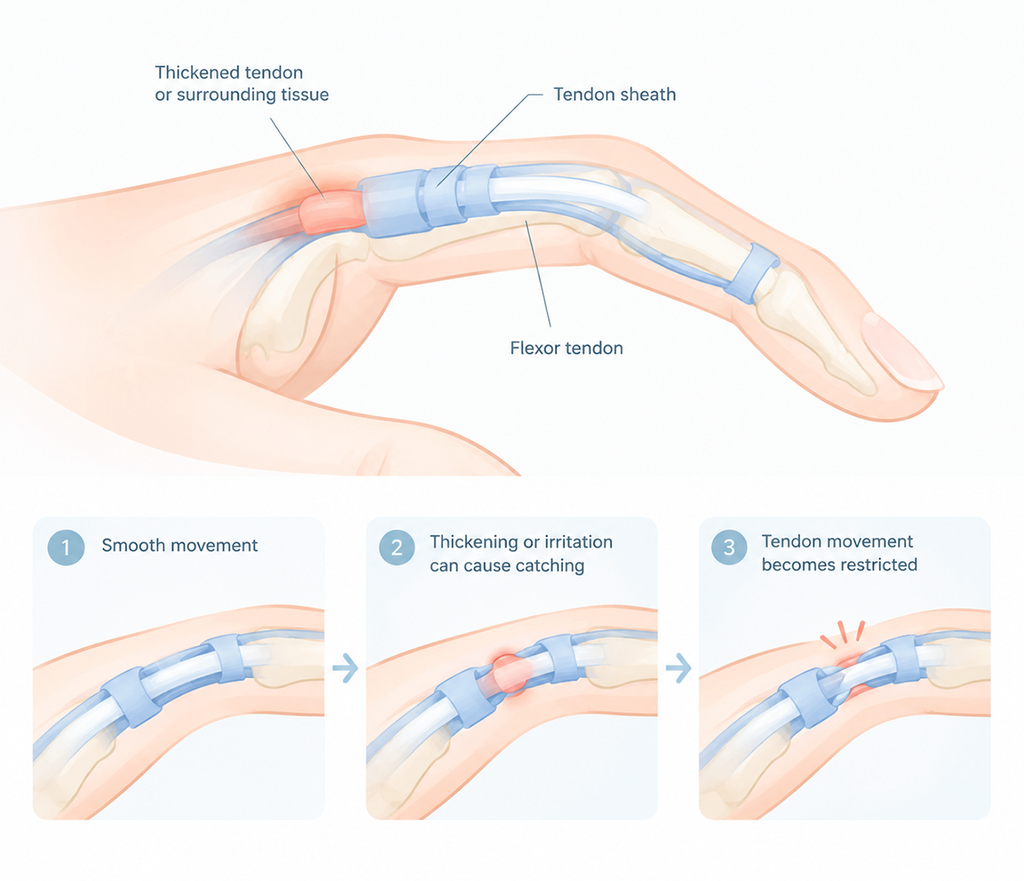
Before considering CO₂ cryotherapy, it helps to understand why trigger finger develops and how it differs from ordinary hand fatigue. The characteristic catching or locking sensation usually involves the tendon and the narrow passage through which it moves, rather than a problem with the finger muscles alone.
1.1 What Is Trigger Finger?
Trigger finger, or stenosing tenosynovitis, occurs when a flexor tendon or its surrounding tissues become thickened or irritated, making it harder for the tendon to glide smoothly through its sheath. The affected finger may click during movement, catch in a bent position, or need the opposite hand to straighten it. Symptoms often appear near the base of the finger on the palm side and may be more noticeable after periods of inactivity. Although it can affect any finger or the thumb, severity ranges from mild intermittent stiffness to persistent locking that interferes with daily hand function.
1.2 Common Symptoms and Everyday Triggers
Trigger finger symptoms may include tenderness at the base of the affected digit, morning stiffness, clicking during movement, and difficulty fully straightening the finger. Repetitive gripping, forceful pinching, and prolonged hand-intensive activities can aggravate symptoms in some people. Tasks such as using hand tools, preparing food, carrying bags, or repeatedly squeezing objects may make the problem more noticeable. However, these activities do not explain every case, and ordinary hand fatigue does not automatically indicate trigger finger. Persistent catching, a palpable tender spot in the palm, or reduced finger movement warrants an appropriate clinical assessment.
1.3 Who May Be More Likely to Develop Trigger Finger?
Trigger finger can affect adults across different occupations and activity levels, although certain factors are associated with a greater likelihood of developing the condition. People over 40, individuals with diabetes, and those with rheumatoid arthritis may face a higher risk. Repetitive hand use can also contribute to discomfort or draw attention to existing symptoms, particularly when work requires sustained gripping. Recognizing these factors helps distinguish a temporary episode of hand soreness from a condition that may need targeted treatment. Because several tendon, joint, and nerve problems can produce overlapping symptoms, a healthcare professional can help establish the most likely cause.
2. CO₂ Cryotherapy for Trigger Finger: How Localized Cooling Works
Once the underlying problem is understood, the next question is whether localized cooling can play a useful supporting role. CO₂ cryotherapy uses pressurized carbon dioxide to create a rapid cooling effect over a selected area, but its potential benefits for discomfort should be separated from claims about correcting the mechanical restriction responsible for trigger finger.
2.1 What Is CO₂ Cryotherapy?
CO₂ cryotherapy is a localized cold therapy method that delivers pressurized carbon dioxide gas toward a selected treatment area. The human-use device described on the LocalCryotherapy website specifies gas temperatures of approximately -78°C and includes red-light targeting and temperature-monitoring features. Unlike a conventional ice pack, which cools through direct contact over a broader area, a CO₂ system delivers a directed stream of cold gas. The actual cooling effect depends on the equipment, application technique, treatment distance, exposure time, and individual response. Because the gas is extremely cold, operators must follow the device instructions and appropriate safety procedures rather than treating the temperature as an invitation for longer or more intense exposure.
2.2 How Localized Cooling May Affect Hand Discomfort
Cold exposure can temporarily reduce skin temperature and alter sensory nerve activity, which may make an area feel less uncomfortable for a period of time. This explains why cold-based approaches are sometimes considered when managing localized pain or swelling. However, a temporary reduction in discomfort does not necessarily improve tendon gliding or resolve the thickening associated with trigger finger. Evidence supporting CO₂ cryotherapy specifically for trigger finger remains limited, so it is not appropriate to promise that this method will restore normal movement or prevent locking. Its possible role is best considered within a broader care plan established around the person’s symptoms and clinical findings.
2.3 CO₂ Cryotherapy Compared With Traditional Ice Packs
Traditional cold packs are widely available and can provide localized cooling when used with appropriate skin protection. CO₂ cryotherapy instead uses pressurized gas and may allow a trained operator to direct cooling toward a defined area without placing an ice pack against the skin. Some devices also incorporate targeting aids and temperature monitoring to support more controlled application. These technical differences do not establish that CO₂ cryotherapy is more effective for trigger finger, however. Direct comparative evidence for this particular condition is lacking, and an extremely cold gas stream carries risks that differ from those of a wrapped cold pack. The appropriate method depends on clinical needs, device instructions, and individual safety considerations.
3. What Should You Consider Before Using CO₂ Cryotherapy for Trigger Finger?
The small size of the hand can make targeted cooling seem straightforward, but the fingers contain superficial nerves, blood vessels, tendons, and delicate skin. A suitable approach must therefore account for the location of symptoms, the condition of the skin, and whether cooling is appropriate for the individual.
3.1 Identifying the Source of Finger Stiffness
Before considering any cooling device, it is important to establish whether the symptoms are consistent with trigger finger. Pain at the base of a digit accompanied by clicking or catching may suggest the condition, whereas numbness, tingling, joint swelling, or pain after an injury may point toward other problems. Conditions such as arthritis, tendon injuries, and nerve compression can also affect hand movement. A clinician can examine the affected finger, assess its range of motion, and determine whether further evaluation is necessary. Accurate identification matters because localized cooling may not address the underlying cause of symptoms that resemble trigger finger.
3.2 Choosing a Suitable Cooling Approach
The CO₂ cryotherapy device featured on the LocalCryotherapy human-use product page is designed for targeted cooling and includes a red-light aiming feature and temperature-monitoring technology. These features may help an operator identify the intended area and monitor the application, but they do not replace appropriate training or clinical judgment. The hand is a particularly sensitive treatment area, so users should not improvise exposure times, spray distances, or application patterns. Follow the exact instructions supplied for the specific device and use professional guidance when the suitability of treatment is uncertain. Never direct an intense cold stream onto one small spot for an extended period.
3.3 Understanding the Limits of the Available Evidence
Research and clinical guidance for trigger finger focus on measures such as modifying aggravating activities, splinting, corticosteroid injections, and, when necessary, surgical release. Cold application may be discussed as a way to manage some discomfort, but that does not demonstrate that pressurized CO₂ can resolve tendon catching. Evidence from other applications of cryotherapy cannot automatically be transferred to trigger finger because the condition has a specific mechanical component. Anyone considering CO₂ cryotherapy should therefore ask what outcome is realistic: temporary comfort is different from restoring unrestricted tendon movement. This distinction supports informed decisions and helps prevent promising technology from being mistaken for a proven condition-specific treatment.
4. Building a Practical Hand-Care Plan Around Trigger Finger
Localized cooling should not become the only focus when finger stiffness affects daily life. A more useful strategy considers the demands placed on the hand, the severity of the symptoms, and whether established treatment options may be needed to improve movement.
4.1 Adjusting Activities That Aggravate Symptoms
Reducing repetitive forceful gripping and pinching may help limit aggravation while the finger is uncomfortable. Where practical, people can use tools with larger handles, alternate demanding tasks, take short breaks, and avoid repeatedly forcing a catching finger straight. These adjustments do not guarantee that trigger finger will resolve, but they may reduce unnecessary strain during everyday activities. Gentle movement within a comfortable range can help maintain function, although painful or forceful exercises should be avoided. If a finger repeatedly locks, movement becomes increasingly restricted, or work and self-care become difficult, a healthcare professional should assess the problem rather than relying on activity changes alone.
4.2 Established Treatment Options for Trigger Finger
Treatment depends on symptom severity, duration, medical history, and the effect on daily activities. Mild symptoms may improve with reduced aggravating activity, while a clinician may recommend a splint to limit movement and allow the affected tissues to rest. Corticosteroid injection is a common treatment option when symptoms persist or interfere with function. If nonsurgical approaches do not provide sufficient improvement, a specialist may discuss a procedure to release the constricted passage around the tendon. CO₂ cryotherapy is not an established substitute for these treatments, and anyone experiencing persistent or worsening symptoms should discuss evidence-based options with a qualified healthcare professional.
4.3 Recognizing Safety Considerations for Localized CO₂ Cooling
Extremely cold CO₂ gas can injure skin and underlying tissue if applied incorrectly. People with reduced sensation, impaired circulation, cold hypersensitivity, or damaged skin should avoid cold exposure or seek professional advice first. Never apply the gas directly to broken skin or an unhealed wound, and stop immediately if unexpected pain, marked discoloration, blistering, or unusual numbness occurs. Device-specific safety instructions take priority over general cold therapy advice. If a finger becomes fixed in a bent position and cannot be straightened, or if symptoms follow a significant injury, seek prompt medical assessment instead of trying to unlock it through cooling.
5. Setting Realistic Expectations for CO₂ Cryotherapy and Finger Mobility
Understanding what a treatment can and cannot accomplish is essential when evaluating new approaches to hand discomfort. The most meaningful goal is not simply to make the finger feel colder or temporarily less painful, but to identify the cause of the symptoms and choose an approach that supports safe, useful hand function.
5.1 Comfort Is Not the Same as Correcting Tendon Catching
A person may notice temporary discomfort changes after cold exposure, but this does not mean the underlying tendon restriction has improved. Trigger finger is a mechanical problem in tendon movement, so symptom relief alone cannot confirm normal bending and straightening. Tracking how often the finger catches, whether morning stiffness persists, and how easily daily tasks are completed is more useful than focusing on short-term sensation after cooling. Persistent symptoms deserve reassessment, particularly if the finger increasingly locks or loses its range of motion.
5.2 When to Seek Professional Assessment
Arrange a clinical assessment if clicking, pain, or stiffness persists, interferes with work, or makes daily tasks difficult. Seek prompt care if the finger stays locked and cannot be straightened, or if significant pain, swelling, redness, fever, or injury-related symptoms suggest another condition. People with diabetes or inflammatory joint disease should be especially attentive to persistent hand symptoms, as these can affect risk and treatment decisions. A healthcare professional can confirm whether trigger finger is the likely diagnosis and explain the benefits and limitations of available options. Early assessment can also help avoid time spent on approaches that do not address the cause of restricted movement.
자주 묻는 질문
Can CO₂ cryotherapy cure trigger finger?
There is currently insufficient evidence to establish CO₂ cryotherapy as a cure for trigger finger. It may provide a temporary cooling sensation, but it has not been shown to reliably correct the tendon restriction responsible for catching or locking.
Can cold therapy help with trigger finger pain?
Cold therapy may temporarily ease some discomfort for certain people, but individual responses vary. It does not replace assessment or established treatment when symptoms persist or interfere with daily activities.
Is CO₂ cryotherapy better than an ice pack for finger stiffness?
There is not enough condition-specific evidence to conclude that CO₂ cryotherapy is superior to a traditional cold pack for trigger finger. The methods differ in how they deliver cooling and in their safety requirements.
How is trigger finger usually treated?
Options may include activity modification, splinting, corticosteroid injections, and surgical release when other measures fail or symptoms are severe. A clinician can recommend an approach based on the individual case.
Is a CO₂ cryotherapy device safe to use on the fingers?
Safety depends on the device, application technique, and the person’s health. Because pressurized CO₂ can be extremely cold, use only as directed and obtain professional guidance when treating a sensitive area such as the hand.
When should I see a healthcare professional about trigger finger?
Seek an assessment if symptoms persist, interfere with daily activities, or progressively worsen. A finger that becomes locked and cannot be straightened requires prompt medical attention.
결론
Trigger finger can make simple hand movements uncomfortable by restricting the smooth movement of a flexor tendon through its surrounding sheath. CO₂ cryotherapy provides a targeted cooling approach, and devices featuring directed application and temperature monitoring may offer practical technical advantages in appropriate settings. However, the presence of these features does not establish that CO₂ cryotherapy can cure trigger finger or restore tendon movement. People experiencing finger stiffness or catching should prioritize an accurate diagnosis, appropriate activity adjustments, and established treatment options when needed. By understanding the difference between temporary comfort and treating the underlying mechanical problem, readers can evaluate localized cold therapy more realistically and make safer decisions about their hand health.
참조
National Health Service (NHS). Trigger Finger.
https://www.nhs.uk/conditions/trigger-finger/
American Academy of Orthopaedic Surgeons (AAOS), OrthoInfo. Trigger Finger.
https://www.orthoinfo.org/diseases–conditions/trigger-finger
Amirfeyz R, et al. Evidence-based management of adult trigger digits.
https://pubmed.ncbi.nlm.nih.gov/28488453/
NHS Inform. Trigger Finger or Trigger Thumb in Adults.
LocalCryotherapy. Cryotherapy Machine for Humans.
https://www.localcryotherapy.com/cryotherapy-machine-product-list/cryotherapy-machine-for-human