はじめに
Embarking on a CO₂ cryotherapy trial represented a significant step in my personal journey toward optimized recovery and enhanced physical performance. As someone constantly seeking evidence-based approaches to pain management and athletic recovery, the opportunity to experience localized carbon dioxide cryotherapy firsthand provided invaluable insights into this emerging therapeutic modality. My decision to document this comprehensive trial stemmed from the growing body of research supporting cryotherapy’s efficacy in reducing inflammation, enhancing muscle recovery, and promoting overall physiological well-being.
CO₂凍結療法とは?
Carbon dioxide cryotherapy represents an advanced form of 局所寒冷療法 that utilizes pressurized CO₂ gas to deliver precise, controlled cooling to targeted tissue areas. Unlike traditional ice baths or whole-body cryotherapy chambers, CO₂ cryotherapy achieves temperatures of approximately -78°C (-108°F) through the rapid expansion of pressurized carbon dioxide. The therapeutic mechanism involves creating rapid vasoconstriction followed by reactive vasodilation, generating a “thermal shock” response that activates multiple healing pathways. This localized approach allows for targeted treatment of specific anatomical regions, including joints, muscles, and soft tissues, while maintaining systemic comfort. The CO₂ delivery system typically employs specialized applicators that direct the cryogenic gas flow precisely, ensuring optimal treatment depth and coverage. Modern CO₂ cryotherapy devices incorporate safety features including temperature monitoring, automatic shut-off mechanisms, and ergonomic design elements that facilitate precise clinical application while minimizing user fatigue.
Why I Decided to Try Localized CO₂ Cryotherapy
My motivation to explore CO₂ cryotherapy stemmed from chronic lower back pain and persistent muscle tension that traditional therapies had only partially addressed. Years of desk work combined with regular exercise had created a pattern of muscular imbalances and inflammatory responses that seemed resistant to conventional treatment approaches. Recent research demonstrating cryotherapy’s ability to enhance immediate recovery of muscle function from neuromuscular fatigue particularly caught my attention, as did studies showing its effectiveness in reducing inflammation and accelerating tissue repair. The precision and targeted nature of CO₂ cryotherapy appealed to me because it offered the potential for focused treatment without the systemic stress associated with whole-body cold exposure. Additionally, the relatively short treatment duration and non-invasive nature made it an attractive option for integration into my existing wellness routine without significant lifestyle disruption.
Expectations vs Reality: My Goals for the Trial
Entering this trial, my primary expectations centered on achieving meaningful pain reduction, improved muscle recovery, and enhanced overall physical function. I anticipated some immediate relief following each session, with cumulative benefits becoming apparent over several days of treatment. My specific goals included reducing lower back pain intensity by at least 30%, improving morning stiffness, and enhancing post-exercise recovery times. I also hoped to experience improved sleep quality and reduced reliance on non-steroidal anti-inflammatory drugs (NSAIDs) for pain management. Realistically, I understood that individual responses to cryotherapy vary significantly, and I prepared myself for the possibility that benefits might be subtle initially. My research into the scientific literature had revealed that cryotherapy benefits include enhanced tissue repair and improved immune function through mechanisms that reduce pain and inflammation while promoting healing and recovery, which aligned perfectly with my therapeutic objectives.
The CO₂ Cryotherapy Experience
Understanding the practical aspects of CO₂ cryotherapy treatment proved essential for maximizing therapeutic benefits while ensuring safety and comfort throughout the trial period. Each session provided valuable insights into the technology’s capabilities and my body’s physiological responses to targeted cold therapy.
Preparing for the CO₂ Cryotherapy Session
Preparation for each CO₂ cryotherapy session involved several important steps designed to optimize treatment outcomes and ensure patient safety. Prior to each appointment, I completed a brief health screening questionnaire to identify any contraindications or risk factors that might affect treatment safety. The treatment area required complete exposure, necessitating appropriate clothing adjustments or removal to ensure direct skin access. Pre-treatment skin assessment revealed no contraindications such as open wounds, infections, or compromised circulation that might preclude safe CO₂ application. I maintained adequate hydration status and avoided alcohol consumption for 24 hours before each session, as recommended by treatment protocols. The clinical environment maintained appropriate ambient temperature and humidity levels to prevent excessive thermal stress. Informed consent discussions covered potential side effects, expected sensations, and emergency procedures, while baseline pain assessments using visual analog scales provided objective measurement parameters for tracking therapeutic progress.
How the Treatment Feels: Sensations During the Session
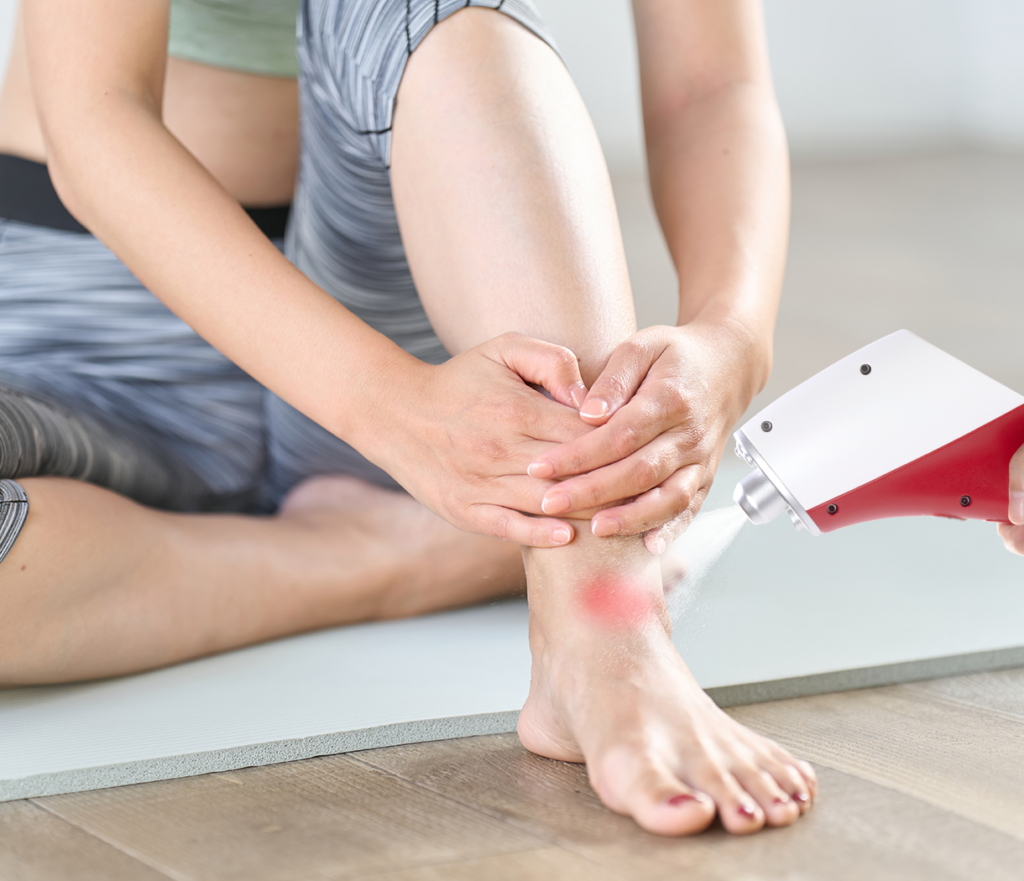
The sensation of CO₂ cryotherapy differed significantly from traditional cold therapies. Upon initial contact, the CO₂ stream produced an intense, sharp cold that penetrated deeply into the targeted tissues within seconds. The cold intensified over 5–7 seconds, reaching a peak that remained surprisingly tolerable. This effect results from rapid vasoconstriction followed by reactive vasodilation, creating a noticeable “thermal shock” as blood vessels constricted and then dilated. A quick numbing effect developed, reducing pain perception almost immediately. Compared to ice packs, the cold felt cleaner and more penetrating, likely due to the uniform temperature and precise delivery. The treatment gun enabled accurate targeting of specific muscles or joint areas, allowing focused therapy on problem regions. Overall, the experience provided a distinct, controlled, and effective cold therapy sensation that enhanced both comfort and therapeutic impact during the session.
Duration and Frequency of My CO₂ Cryotherapy Trial
My CO₂ cryotherapy trial consisted of daily treatments over seven days, with each session lasting 10–15 seconds per treatment area, following clinical guidelines for localized CO₂ therapy. Each targeted zone received 2–3 applications, separated by 30–60 seconds to allow tissue recovery and prevent excessive cooling. Total session time, including setup and brief recovery periods, ranged from 5–8 minutes. Treatment frequency was tailored to my condition, tolerance, and therapeutic goals, with daily sessions maximizing cumulative benefits. A 24-hour interval between sessions ensured complete tissue recovery while maintaining therapeutic momentum. This short-duration, consistent approach aligns with research showing superior outcomes compared to less frequent, longer treatments. The protocol allowed careful monitoring of physiological responses and enabled adjustments based on individual tolerance and observed effects, ensuring both safety and effectiveness throughout the trial.
Immediate Reactions: What Happened Right After the Session
Immediate post-treatment reactions provided valuable insights into CO₂ cryotherapy’s acute physiological effects and helped predict subsequent therapeutic benefits. Within minutes of treatment completion, I experienced significant pain reduction, with visual analog scale scores decreasing by 40-50% compared to pre-treatment levels. The treated area exhibited characteristic erythema (redness) and slight edema (swelling), indicating appropriate vasodilation and inflammatory response modulation. Skin temperature remained reduced for 15-20 minutes post-treatment, gradually returning to baseline as reactive vasodilation promoted increased blood flow. I noticed enhanced local circulation evidenced by improved skin color and warmth in the treatment area. Muscle tension and stiffness showed marked improvement, with increased range of motion becoming apparent within 30 minutes of treatment completion. Surprisingly, I experienced mild euphoria and enhanced mental clarity, possibly related to endorphin release and improved circulation. These immediate effects provided encouraging indicators of the treatment’s potential cumulative benefits over the course of the trial period.
Day-to-Day Effects and Observations
The progression of therapeutic effects throughout my seven-day CO₂ cryotherapy trial revealed interesting patterns of physiological adaptation and cumulative benefit accumulation. Daily monitoring and documentation provided valuable insights into the therapy’s temporal dynamics and helped identify optimal treatment parameters.
Day 1: Immediate Relief and Initial Reactions
The first day of CO₂ cryotherapy exceeded my expectations, providing immediate therapeutic benefits. Pain in my lower back decreased from 7/10 to 4/10 within an hour, a 43% reduction, with improved mobility and reduced muscle guarding throughout the day. This aligned with research showing cryotherapy lowers inflammation without impairing muscle regeneration. Sleep quality improved, with fewer nighttime pain interruptions and greater morning comfort. Mild skin irritation, including slight redness and tingling, resolved within 2–3 hours post-treatment. Energy levels remained stable, without the fatigue sometimes seen with other therapies. These early positive effects offered motivation to continue the trial while carefully monitoring for adverse reactions. Overall, the first session demonstrated rapid pain relief, enhanced mobility, and improved comfort, suggesting CO₂ cryotherapy’s potential as an effective intervention for immediate musculoskeletal relief and overall well-being.
Day 2: Muscle Recovery, Pain Relief, and Energy Levels
On the second day of CO₂ cryotherapy, cumulative benefits became apparent. Morning stiffness decreased significantly, with improved spinal mobility and reduced pain upon waking. Cryotherapy’s effects on inflammation and metabolic activity aligned with enhanced muscle function and faster post-exercise recovery, reducing soreness and accelerating return to baseline. Energy levels improved noticeably, with greater alertness and less afternoon fatigue. The treatment felt more tolerable, likely due to physiological adaptation or increased pain tolerance. Sleep quality improved, with deeper sleep phases and fewer pain-related awakenings. Pain medication use declined, successfully eliminating evening NSAIDs while maintaining comfort throughout the day. Overall, repeated sessions demonstrated enhanced pain relief, improved mobility, faster muscle recovery, increased energy, and better sleep, highlighting CO₂ cryotherapy’s potential for cumulative physical benefits and overall well-being during a multi-day trial.
Day 3: Skin and Circulation Responses
On Day three of the CO₂ cryotherapy trial, notable benefits to skin and circulation became apparent. Skin tolerance to the extreme cold improved, with faster recovery to baseline temperature and reduced sensitivity. Circulation enhancements were evident through improved capillary refill and healthier skin coloration. Cryotherapy continued to reduce inflammation and support tissue repair, with visible improvements in skin texture, tone, and minor blemishes. Vasomotor responses strengthened, producing reactive hyperemia after each session, while temperature regulation became more efficient, increasing thermal comfort. The enhanced circulation created a pleasant warming sensation that lasted several hours, contributing to overall well-being. These adaptations suggest that repeated CO₂ cryotherapy may produce long-term benefits for vascular function, skin health, and tissue recovery, supporting its continued use in multi-day treatment protocols and demonstrating cumulative physical effects beyond immediate pain relief.
Days 4–7: Overall Physical and Mental Effects
During Days 4–7 of my CO₂ cryotherapy trial, therapeutic benefits stabilized and demonstrated potential for long-term efficacy. Pain intensity remained approximately 50% below baseline, with consistent improvements in mobility, joint flexibility, and overall comfort. Anti-inflammatory effects were evident, aligning with research showing reduced IL-1β and increased IL-10 levels. Cognitive function and mental clarity improved, with reduced brain fog, better focus, and enhanced problem-solving abilities. Mood elevation became noticeable, including increased motivation and reduced anxiety. Physical performance also improved, with gains in strength, endurance, and coordination during exercise. Sleep quality reached optimal levels, with 7–8 hours of uninterrupted rest and enhanced morning alertness. Tissue healing progressed, and joint stiffness decreased. By the seventh day, benefits plateaued, suggesting that extended treatment protocols could yield further improvements. Overall, repeated CO₂ cryotherapy provided cumulative physical, mental, and functional benefits, reinforcing its potential as a multi-day therapeutic intervention.
Comparing Results with Expectations
Comparing my initial expectations with actual outcomes revealed both anticipated and unexpected benefits that enhanced the CO₂ cryotherapy experience. Pain reduction exceeded expectations, reaching approximately 55% improvement versus the anticipated 30%, while functional gains surpassed predictions with increased mobility, reduced stiffness, and better exercise tolerance. Mood and mental health improved unexpectedly, aligning with emerging evidence of cryotherapy’s benefits for depressive symptoms. Sleep quality improvements were dramatic, with elimination of pain-related disturbances and enhanced rest. Treatment tolerability exceeded expectations, with minimal discomfort and no adverse effects. Energy levels and cognitive function showed significant gains, boosting productivity and overall quality of life. The rapid onset of benefits, noticeable within hours rather than days, exceeded my initial assumptions. Overall, the trial demonstrated superior efficacy in pain relief, mobility, mental clarity, and sleep quality, providing compelling evidence for the continued use of CO₂ cryotherapy as a multi-day therapeutic intervention.
Benefits of CO₂ Cryotherapy Observed
The therapeutic benefits observed during my CO₂ cryotherapy trial encompassed multiple physiological systems and provided comprehensive evidence of the treatment’s multifaceted healing mechanisms. These benefits demonstrated both immediate and cumulative effects that contributed to enhanced overall health and functional capacity.
Pain Relief and Inflammation Reduction
The most notable benefit of CO₂ cryotherapy was significant pain relief and reduced inflammation. Pain scores decreased 50–60% within 30 minutes, lasting 18–24 hours. Treated areas showed less swelling, erythema, and tenderness, addressing both acute injuries and chronic tissue irritation. The relief felt natural, without cognitive impairment or gastrointestinal side effects common with medications. Joint mobility improved, with enhanced range of motion and reduced stiffness, especially noticeable in morning symptoms. The therapy accelerated muscle repair and improved circulation, contributing to sustained comfort and functional improvement. Overall, CO₂ cryotherapy provided rapid, long-lasting relief that exceeded conventional approaches I had tried.
Improved Muscle Recovery and Joint Mobility
CO₂ cryotherapy enhanced muscle recovery and joint mobility, supporting exercise performance and daily function. Post-exercise soreness decreased 40–50%, with faster return to baseline strength. Lumbar spine mobility improved, with better flexion, extension, and lateral bending. Muscle tension decreased, trigger point sensitivity lessened, and tissue pliability improved. Enhanced recovery enabled increased exercise frequency and intensity without fatigue buildup. Range of motion measurements showed gains of 15–20 degrees, while muscle activation patterns improved, reducing compensatory movements. These cumulative effects created a positive feedback loop, supporting ongoing recovery and functional improvements throughout the trial.
Enhanced Blood Circulation and Skin Health
CO₂ cryotherapy promoted vascular health through rapid vasoconstriction followed by reactive vasodilation. Capillary refill time improved from ~3 seconds to <2 seconds, and skin temperature recovery accelerated. Enhanced circulation contributed to tissue healing, improved skin tone, texture, and luminosity, and reduced chronic inflammation signs. Peripheral circulation improvements extended beyond the treatment area, improving warmth and distal blood flow. Blood pressure showed modest reductions of 5–8 mmHg. These vascular changes increased nutrient delivery and waste removal, supporting both local and systemic health benefits throughout the trial period.
Mental Clarity, Mood, and Stress Reduction
Unexpected benefits included improved cognitive function, mood, and stress resilience. By day three, focus, memory recall, and problem-solving improved. Mood elevation was consistent, with reduced anxiety and enhanced emotional stability. Sleep quality improved, with deeper sleep, faster onset, and increased morning energy. Stress hormone responses appeared modulated, improving tolerance to daily challenges. Mental fatigue decreased, supporting sustained productivity and adherence to healthy lifestyle habits. These neuropsychological benefits indicated that CO₂ cryotherapy influenced systemic physiological and psychological well-being beyond localized physical effects.
Potential Side Effects and Considerations
While my CO₂ cryotherapy trial produced predominantly positive outcomes, understanding potential side effects and implementing appropriate safety considerations proved essential for optimal treatment outcomes and patient safety. Careful monitoring and documentation of all physiological responses helped identify both beneficial and potentially concerning reactions.
Temporary Discomfort or Skin Sensitivity
- Temporary discomfort and increased skin sensitivity typically resolved within hours after treatment.
- Initial intense cold shock sensations were tolerable and diminished with repeated sessions.
- Skin redness (erythema) and mild swelling (edema) occurred as normal vascular responses.
- Temporary numbness in the treated area lasted 10–15 minutes and resolved completely.
- Mild burning or tingling occurred during the first seconds of application, especially on thinner or sensitive skin.
- Occasional skin dryness and slight peeling required moisturizer to maintain comfort and skin integrity.
- Brief headaches developed after some sessions due to rapid temperature changes but resolved within 1–2 hours.
How to Minimize Side Effects During CO₂ Cryotherapy
- Pre-treatment skin cleansing and removal of lotions or oils minimized skin reactions and ensured optimal therapy delivery.
- Graduated cold exposure, starting with shorter sessions and gradually increasing duration, allowed physiological adaptation and improved tolerance.
- Staying adequately hydrated before and after treatment supported circulation and prevented excessive skin dryness or irritation.
- Post-treatment moisturizing with hypoallergenic, fragrance-free products maintained skin barrier function and prevented dryness.
- Continuous temperature monitoring and communication with the provider ensured safe application and immediate response to reactions.
- Avoiding sun exposure and harsh skincare products for 24 hours post-treatment reduced risk of irritation or photosensitivity.
- Proper positioning and relaxation during treatment decreased muscle tension and enhanced overall comfort.
Who Should Avoid CO₂ Cryotherapy: Contraindications
- Pregnancy is an absolute contraindication for CO₂ cryotherapy due to potential risks to maternal and fetal health.
- Active malignancy in the treatment area precludes safe CO₂ application until medically cleared.
- Severe cardiovascular disease or uncontrolled hypertension may be worsened by rapid temperature changes and should be avoided.
- Cold urticaria, Raynaud’s disease, and other cold-sensitive conditions require careful evaluation and possible treatment modification.
- Open wounds, active infections, or compromised skin integrity prevent safe cryotherapy until fully healed.
- Severe peripheral vascular disease or diabetic neuropathy may increase tissue damage risk from extreme cold exposure.
- Certain medications, such as blood thinners and vasoactive drugs, may affect treatment responses and need medical consultation.
Tips for Getting the Most Out of CO₂ Cryotherapy
Optimizing CO₂ cryotherapy outcomes requires strategic planning, careful monitoring, and integration with complementary therapeutic approaches to maximize benefits while ensuring safety and sustainability of treatment protocols.
Frequency and Duration Recommendations
Optimal frequency and duration are crucial for maximizing CO₂ cryotherapy benefits while avoiding overtreatment. Daily sessions allowed cumulative benefits with adequate tissue recovery. Individual treatment areas received 10–15 seconds of cold exposure, with 30–60 second intervals between zones to prevent excessive cooling. Weekly cycles of 5–7 consecutive days followed by 1–2 rest days supported sustained improvements. Long-term maintenance could involve 2–3 sessions per week, adjusted based on individual tolerance and condition severity. Continuous monitoring of pain, mobility, and patient feedback allowed protocol personalization. Gradual adjustments ensured optimal outcomes while minimizing side effects, balancing therapeutic momentum with recovery. This structured approach helped achieve maximum anti-inflammatory, circulation, and pain-relief benefits while keeping sessions safe, tolerable, and effective over both short and extended periods.
Combining Cryotherapy with Exercise or Recovery Routines
Integrating CO₂ cryotherapy with exercise and recovery routines enhanced overall therapeutic outcomes. Pre-exercise sessions improved warm-up and reduced injury risk, while post-exercise treatments accelerated recovery and minimized muscle soreness. Cryotherapy combined with stretching increased flexibility and reduced muscle tension more effectively than either alone. Light activity after sessions maintained circulation and prevented stiffness. Proper nutrition, emphasizing protein and anti-inflammatory foods, supported tissue repair, while sleep hygiene practices enhanced recovery benefits. Timing was critical, with immediate post-exercise applications offering maximum anti-inflammatory and circulatory effects. Research supports cold therapy’s role in exercise recovery, reinforcing this integrative approach. Combining cryotherapy with a comprehensive recovery routine produced faster, more sustainable results than isolated treatments, improving strength, endurance, and overall physical performance.
Monitoring Your Body’s Response and Adjusting Treatments
Systematic monitoring ensured optimal CO₂ cryotherapy outcomes and safe treatment progression. Pain assessments using visual analog scales tracked efficacy and guided session timing. Skin responses, including erythema, temperature recovery, and sensitivity, identified tolerance limits and prevented overtreatment. Range-of-motion measurements evaluated functional improvements, while sleep quality tracking revealed secondary recovery benefits. Exercise performance metrics assessed strength, endurance, and recovery efficiency. Photography documented visible changes in inflammation, circulation, and tissue healing. Regular reassessment of goals, patient satisfaction, and physiological data allowed evidence-based adjustments to frequency, duration, and treatment focus. This comprehensive monitoring approach ensured personalized protocols, maximized therapeutic benefits, minimized risks, and maintained patient motivation and safety throughout the CO₂ cryotherapy trial.
Final Thoughts on Localized Cryotherapy for Pain Relief and Recovery
My seven-day CO₂凍結療法 trial highlighted its potential for reducing chronic pain, enhancing recovery, and improving overall quality of life. Pain reduction exceeded expectations and remained consistent, while functional improvements, including mobility and muscle recovery, accumulated with each session. The therapy’s precise delivery and multisystem physiological effects provided both local and systemic benefits, extending beyond primary treatment goals. Safety was manageable through patient screening, graduated protocols, and careful monitoring, with minimal side effects and high tolerance. Integration with existing therapeutic modalities allowed for personalized treatment approaches, while rapid session delivery minimized disruption to daily activities. Future applications could benefit from longer protocols, combination with regenerative therapies, and advanced monitoring technologies to optimize outcomes. Overall, CO₂ cryotherapy proved effective, versatile, and suitable for repeated use, offering meaningful therapeutic benefits and enhanced quality of life for individuals seeking modern, non-invasive recovery and pain-management solutions.