はじめに
CO₂ Cryotherapy, also known as localized carbon dioxide cryotherapy, has become an increasingly popular cold therapy approach for people seeking targeted recovery support. Unlike traditional whole-body cooling methods, localized CO₂ Cryotherapy focuses on applying controlled cold stimulation to specific areas of the body. After a session, the body responds through natural physiological processes involving skin temperature changes, blood vessel reactions, nerve responses, and tissue adaptation. Understanding what happens after therapy can help users and professionals develop realistic expectations and better understand how this technology fits into modern wellness, sports recovery, and body care routines.
1. Understanding the Immediate Effects After CO₂ Cryotherapy
After localized CO₂ Cryotherapy is applied, the body begins responding to rapid temperature changes in the targeted area. These responses are part of the body’s natural adaptation process and may vary depending on the individual, application area, and overall physical condition.
1.1 How the Body Responds to Localized CO₂ Cooling
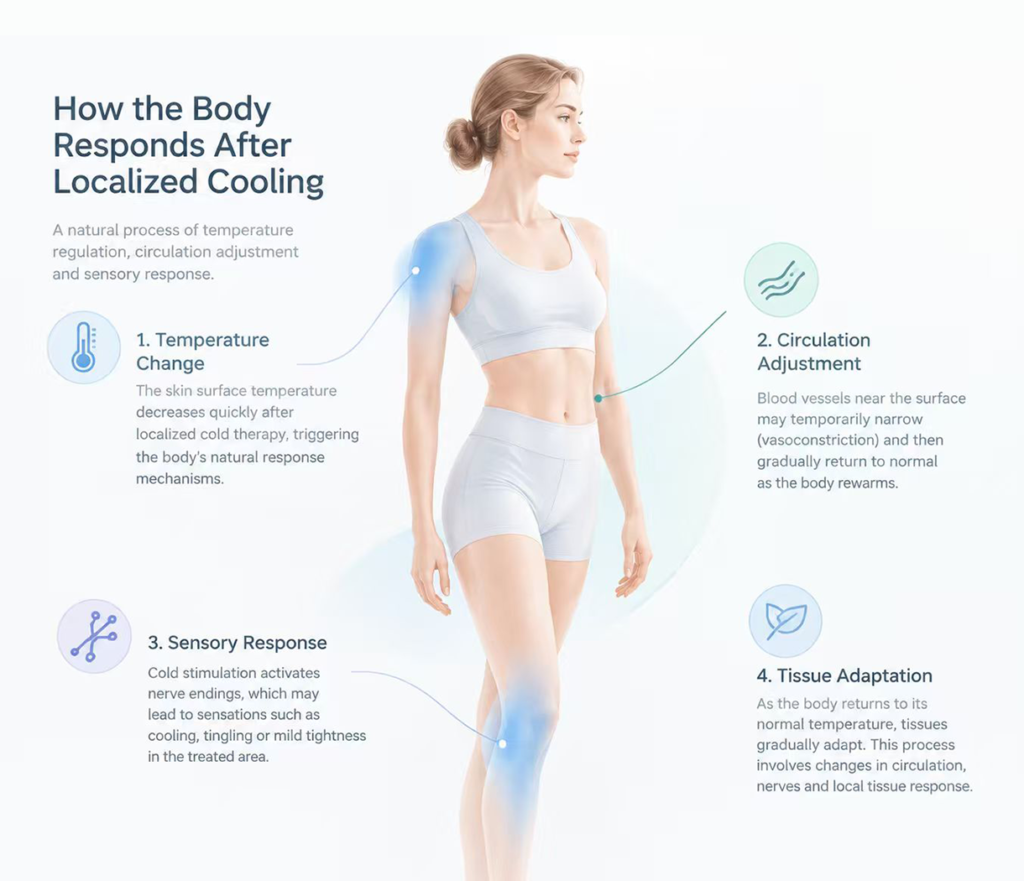
CO₂ Cryotherapy creates a rapid cooling effect by using pressurized carbon dioxide to reduce the surface temperature of the targeted area. This sudden temperature change activates the body’s natural thermal response mechanisms.
When skin temperature decreases, blood vessels near the surface may temporarily narrow through a process known as vasoconstriction. This reaction helps the body regulate temperature and maintain internal balance. Research on gaseous CO₂ cryotherapy has explored thermal changes and vascular responses following localized cooling applications.
After the cooling phase, the body gradually returns toward its normal temperature state. This transition involves changes in circulation and sensory responses around the treated area.
1.2 The Role of Vasoconstriction and Blood Flow Changes
One of the most noticeable physiological responses after CO₂ Cryotherapy is the temporary change in local blood vessel activity. Vasoconstriction occurs when blood vessels become narrower in response to cold stimulation.
As the body restores normal temperature, blood vessels gradually adjust again. This natural process is one reason localized cold therapy continues to attract attention in sports recovery and wellness environments.
The response is not the same for everyone. Factors such as skin temperature, body composition, activity level, and the treated area may influence individual experiences after a session.
1.3 Why People Notice Different Sensations After CO₂ Cryotherapy
After a therapy session, some people may experience sensations such as cooling, tingling, mild tightness, or temporary changes in skin feeling. These sensations are related to the interaction between cold stimulation and sensory nerves.
The experience can depend on the application location. Areas with more muscle tissue, joints, or sensitive nerve endings may feel different compared with other body regions.
Understanding these normal responses helps users approach localized cryotherapy with realistic expectations and recognize that individual experiences can vary.
2. CO₂ Cryotherapy and the Body’s Recovery Response
Many people explore this therapy as part of their recovery routine after physical activity, repetitive movements, or daily physical stress. The body’s response after cooling involves multiple biological processes related to temperature regulation and tissue comfort.
2.1 How Localized Cold Therapy Supports Post-Activity Recovery
After exercise or physically demanding activities, muscles and surrounding tissues experience temporary stress. Localized CO₂ Cryotherapy provides targeted cooling that may support comfort during recovery periods.
Athletes, fitness enthusiasts, and active individuals often include cold therapy as part of broader recovery habits. Instead of replacing proper rest, hydration, and movement strategies, this therapy can complement a balanced recovery routine.
2.2 The Connection Between CO₂ Cryotherapy and Muscle Comfort
Muscle fatigue often develops after repetitive activities, intense workouts, or prolonged physical effort. Cooling techniques have been widely explored as supportive methods for managing post-activity discomfort.
CO₂ Cryotherapy focuses on specific body areas, allowing users to apply cooling directly where they want additional support. Common areas include thighs, calves, shoulders, elbows, and lower back regions.
The goal is not to eliminate normal physical responses but to provide a comfortable recovery option that fits different lifestyles and activity levels.
2.3 Understanding Tissue Response After Cold Stimulation
Cold stimulation influences the relationship between temperature, circulation, and sensory signals in the body. After therapy, tissues gradually adapt as they return to normal temperature.
This process involves complex physiological reactions, including changes in local blood vessel behavior and nerve activity. Because every person responds differently, users should consider their personal comfort and professional recommendations when incorporating cold therapy into their routines.
3. CO₂ Cryotherapy After Exercise and Physical Activity
Exercise recovery is one of the most common reasons people explore localized cryotherapy. From professional training environments to personal fitness routines, targeted cold therapy has become part of many recovery strategies.
3.1 What Happens After CO₂ Cryotherapy Following a Workout?
After a workout, muscles experience temporary stress caused by repeated contractions and physical demand. Applying localized CO₂ Cryotherapy after exercise may help create a cooling sensation in specific areas that experience higher levels of activity.
For example, runners may focus on calves or knees, while strength-training individuals may choose shoulders, arms, or lower back areas.
Cold therapy is usually viewed as one component of recovery, alongside stretching, mobility exercises, nutrition, and adequate rest.
3.2 CO₂ Cryotherapy and Delayed Muscle Discomfort
Delayed muscle discomfort after exercise is a common experience, especially after unfamiliar or intense activities. Many recovery methods focus on helping individuals maintain comfort while their bodies naturally adapt.
CO₂ Cryotherapy provides targeted cooling that may help support post-exercise recovery routines. Research has compared cryotherapy and photobiomodulation approaches in relation to muscle recovery, highlighting continued interest in different recovery technologies.
3.3 Why Targeted Cooling Is Different From Traditional Cold Methods
Traditional cold methods often involve ice packs or cold water applications. Localized CO₂ Cryotherapy provides a different approach by delivering rapid cooling directly to selected areas.
This targeted method allows users to focus on specific body regions rather than applying general cooling to larger areas. The choice between different cold therapy methods depends on personal preferences, goals, and professional guidance.
4. CO₂ Cryotherapy in Daily Wellness and Professional Settings
Beyond athletic recovery, this therapy is increasingly discussed in wellness environments because of its targeted application and convenient session structure.
4.1 CO₂ Cryotherapy for Active Lifestyle Users
People with active lifestyles often look for practical recovery methods that fit into busy schedules. Localized CO₂ Cryotherapy can be incorporated after exercise, outdoor activities, or physically demanding days.
Users may apply it to areas that experience frequent stress, including legs after walking or running, shoulders after training, or arms after repetitive activities.
The focus remains on supporting daily comfort and maintaining an active lifestyle.
4.2 CO₂ Cryotherapy for Wellness and Recovery Centers
Wellness centers and recovery facilities are exploring localized cryotherapy as part of modern recovery experiences. Because this therapy focuses on specific areas, it can be adapted for different user preferences.
Professionals may consider factors such as application area, session timing, and individual needs when introducing localized cold therapy into wellness programs.
4.3 How CO₂ Cryotherapy Fits Into Modern Recovery Routines
Modern recovery routines often combine multiple approaches rather than relying on one method. Sleep quality, movement, nutrition, hydration, and recovery technologies can all contribute to overall wellness.
CO₂ Cryotherapy can serve as a supportive tool within these routines by providing targeted cold stimulation and helping users manage daily physical stress.
5. Understanding Expectations After CO₂ Cryotherapy
Knowing what to expect after a therapy session helps users better understand the experience and create appropriate recovery habits.
5.1 Common Feelings After a CO₂ Cryotherapy Session
After localized CO₂ Cryotherapy, people may notice temporary sensations such as cooling, refreshed feeling, mild sensitivity, or changes in skin temperature.
These experiences are generally related to the body’s response to cold stimulation. The duration and intensity of sensations can differ depending on the individual and the treated area.
5.2 Maintaining Healthy Recovery Habits After Cold Therapy
After a therapy session, maintaining normal healthy habits remains important. Proper hydration, balanced nutrition, regular movement, and sufficient rest all contribute to overall wellness.
Cold therapy works best when included as part of a complete lifestyle approach rather than viewed as a single solution.
5.3 The Future of Localized CO₂ Cryotherapy Technology
As interest in personalized wellness continues to grow, localized CO₂ Cryotherapy remains an area of development within recovery and body care fields.
Future advancements may continue improving application methods, user experience, and integration with professional wellness environments.
よくあるご質問
What happens immediately after CO₂ Cryotherapy?
The body responds to localized cooling through natural temperature regulation processes, including changes in skin temperature and blood vessel activity.
How long do the effects of CO₂ Cryotherapy last?
The experience varies between individuals and depends on factors such as application area and personal response.
Can CO₂ Cryotherapy be used after exercise?
Many active individuals include localized cold therapy as part of their post-exercise recovery routines.
Does CO₂ Cryotherapy feel uncomfortable?
Most users describe a strong cooling sensation. Comfort levels may vary depending on the treated area and individual sensitivity.
Is CO₂ Cryotherapy the same as traditional ice therapy?
No. It uses pressurized carbon dioxide for targeted cooling, while ice therapy uses direct cold materials.
結論
CO₂ Cryotherapy creates a unique localized cooling experience that activates the body’s natural response to temperature changes. After a session, the body begins regulating temperature, adjusting blood vessel activity, and responding through sensory pathways. Whether used after exercise, during wellness routines, or as part of professional recovery environments, localized CO₂ Cryotherapy offers a targeted approach to cold therapy. Understanding these physiological responses allows users to develop realistic expectations and view this therapy as a supportive addition to a balanced approach to health and recovery.
参考文献
Physiological assessment of a gaseous cryotherapy device: thermal effects and changes in cardiovascular autonomic control
https://pubmed.ncbi.nlm.nih.gov/17300850
Comparison between cryotherapy and photobiomodulation in muscle recovery: a systematic review and meta-analysis
https://pubmed.ncbi.nlm.nih.gov/34669081
Photobiomodulation therapy (PBMT) and/or cryotherapy in skeletal muscle restitution, what is better? A randomized, double-blinded, placebo-controlled clinical trial
https://pubmed.ncbi.nlm.nih.gov/27624781
The Effectiveness of Photobiomodulation Therapy Versus Cryotherapy for Skeletal Muscle Recovery: A Critically Appraised Topic
https://pubmed.ncbi.nlm.nih.gov/29952693
Cold‐water or partial‐body cryotherapy? Comparison of physiological responses and recovery following muscle damage