
はじめに
Post-injury swelling, or edema, is one of the most common complications following acute trauma or soft tissue injuries. Left untreated, it can prolong recovery, increase pain, and hinder mobility. Localized cryotherapy, a targeted cold therapy approach, has become an increasingly popular, non-invasive method to accelerate recovery and reduce inflammation at the injury site. Unlike systemic treatments, localized cryotherapy focuses precisely on the affected area, reducing vascular permeability, limiting inflammatory mediator activity, and alleviating pain. In this article, we explore the mechanisms, best practices, benefits, and application techniques of localized cryotherapy for injury recovery, providing an evidence-based guide for clinicians, athletes, and patients aiming for faster rehabilitation.
1. Understanding Post-Injury Swelling
1.1 What Causes Swelling After Injury
Swelling is a natural physiological response to soft tissue trauma. When tissues are damaged, local blood vessels dilate, increasing blood flow to the area and triggering an inflammatory response. White blood cells migrate to the injury site, releasing cytokines and other inflammatory mediators. While this process is essential for tissue repair, excessive edema can compress surrounding structures, increase pain, and reduce range of motion. For instance, in a sprained ankle, interstitial fluid accumulation can limit mobility and delay weight-bearing activities. Understanding the cellular and vascular mechanisms behind post-injury swelling is critical for effective intervention. By targeting these processes, localized cryotherapy can moderate the inflammatory response without interfering with natural healing.
1.2 Types of Injuries That Cause Swelling
Swelling can result from various injuries, including ligament sprains, muscle strains, contusions, and post-surgical tissue trauma. Ligament sprains, such as ankle or wrist injuries, often involve partial or complete tearing of connective tissue, leading to localized inflammation. Muscle strains cause microtears in myofibers, triggering fluid accumulation and tenderness. Contusions, or bruises, involve capillary damage beneath intact skin, resulting in hematoma formation. Even minor surgical procedures can provoke localized edema due to tissue manipulation. The extent of swelling varies depending on injury severity, patient age, vascular health, and comorbidities. Tailoring cryotherapy protocols to specific injury types enhances recovery outcomes while minimizing complications.
1.3 Consequences of Uncontrolled Swelling
Unmanaged swelling can have several detrimental effects. Excessive edema prolongs pain perception and delays the restoration of normal function. It may impair joint mobility, reduce flexibility, and compromise the range of motion, particularly in extremities like knees and ankles. In chronic cases, prolonged swelling can induce fibrosis, restricting tissue elasticity. Additionally, unregulated edema can exacerbate secondary injuries by increasing pressure on nerves and blood vessels. Clinically, early intervention is critical; managing swelling promptly ensures more effective rehabilitation, faster return to activity, and decreased risk of long-term complications. Localized cryotherapy is a practical tool to address these concerns effectively.
2. How Localized Cryotherapy Works
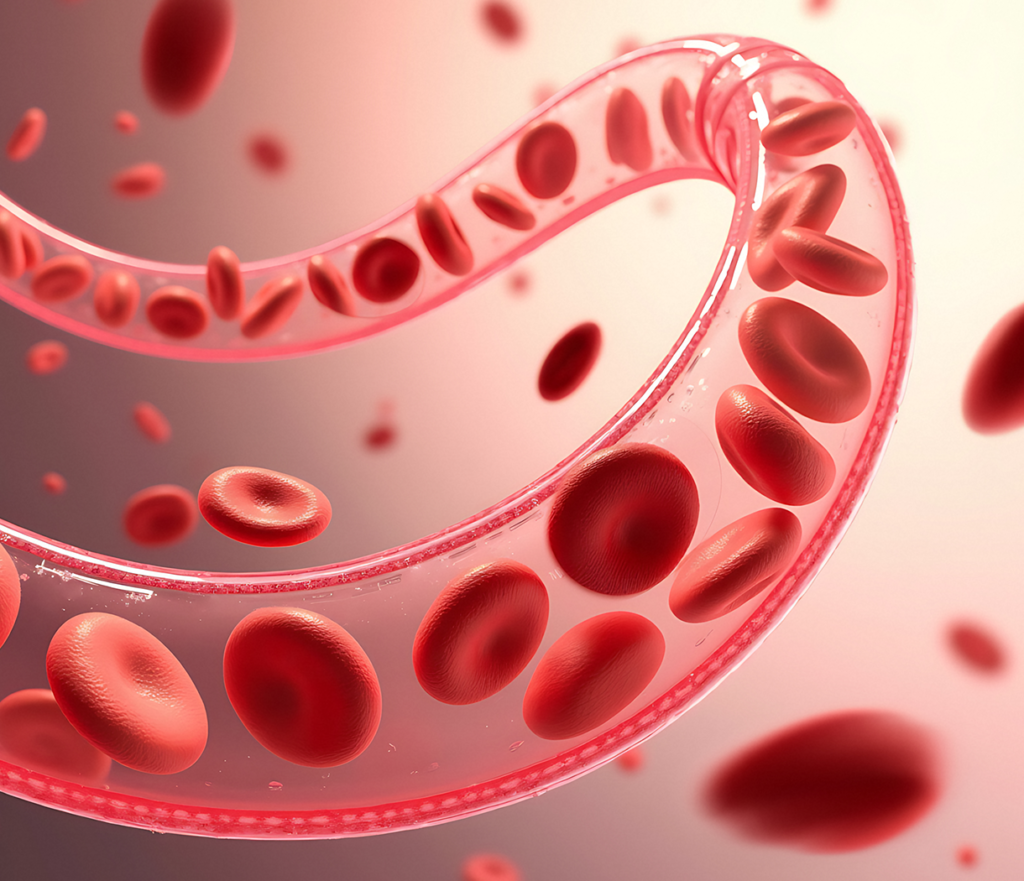
Localized cryotherapy reduces swelling by targeting the affected area with controlled cold exposure. The therapy induces several physiological responses that contribute to reduced edema and enhanced recovery.
2.1 Mechanism of Cold Therapy for Swelling Reduction
Cold therapy induces vasoconstriction, which narrows local blood vessels and reduces blood flow to the injured tissue. This limits the infiltration of inflammatory mediators and decreases capillary permeability, preventing excessive fluid accumulation. Cryotherapy also slows cellular metabolism, reducing oxygen demand and limiting secondary tissue damage. Furthermore, cold exposure diminishes nerve conduction velocity, providing analgesic effects by suppressing nociceptive signaling. By combining vascular, cellular, and neurological mechanisms, localized cryotherapy creates an optimal environment for tissue repair while minimizing post-injury pain and inflammation.
2.2 Benefits Over Traditional Ice Packs
Traditional ice packs provide surface cooling but often fail to reach deeper tissues where inflammation resides. Localized cryotherapy, in contrast, delivers controlled cooling precisely to the injured site, offering deeper penetration and more consistent temperature regulation. This precision allows for prolonged anti-inflammatory effects without excessive cold exposure to surrounding healthy tissue. Moreover, localized cryotherapy can be applied more comfortably and with adjustable intensity, enhancing patient compliance. Clinically, this method improves outcomes by targeting both superficial and deeper layers of injury while reducing the risk of frostbite or skin irritation associated with conventional ice packs.
2.3 Timing and Duration for Maximum Effect
Optimal results depend on initiating cryotherapy soon after injury, ideally within the first few hours. Early application limits vascular leakage and inflammatory mediator accumulation. Sessions typically last 10–20 minutes, with intervals of one to two hours depending on severity. Excessive or prolonged exposure may impair tissue repair or cause frostbite. Consistency is critical; repeated, controlled applications reduce edema and accelerate recovery. Individual factors such as tissue type, injury location, and patient tolerance should guide session length. By adhering to evidence-based timing and duration protocols, localized cryotherapy maximizes therapeutic benefits while minimizing risks.
3. Best Practices for Using 局所凍結療法
Localized cryotherapy is effective only when applied correctly. Proper technique, safety precautions, and integration with other rehabilitation strategies are essential.
3.1 Proper Application Techniques
Apply cold therapy directly to the injury site while protecting the skin with a thin barrier, such as a towel, to prevent frostbite. Maintain even contact and avoid excessive pressure. Adjust exposure intensity based on patient tolerance, ensuring cooling penetrates the swollen tissue effectively. For irregularly shaped areas, contouring the cold source or alternating positions ensures uniform coverage. Correct technique maximizes anti-inflammatory effects while preventing skin damage, ensuring safe and effective recovery. Always monitor skin color, temperature, and patient feedback during application.
3.2 Safety Considerations and Contraindications
Localized cryotherapy is generally safe, but certain conditions require caution. Avoid direct cold exposure in patients with impaired circulation, neuropathy, diabetes, or cold hypersensitivity. Pregnant individuals and those with open wounds should consult a healthcare professional before therapy. Limit exposure to prevent frostbite or nerve injury. Monitor patient response closely and discontinue if adverse reactions occur. Following established safety guidelines ensures therapeutic benefits while minimizing potential complications associated with cold therapy.
3.3 Combining Cryotherapy with Other Recovery Methods
Cold therapy works best when integrated with complementary recovery strategies. Elevation reduces hydrostatic pressure, promoting fluid reabsorption. Compression supports tissue and limits further swelling. Rest allows cellular repair and prevents additional strain. Combining localized cryotherapy with physical therapy or gentle mobilization enhances functional recovery. Clinicians often implement multi-modal approaches to optimize healing, reduce edema, and shorten rehabilitation timelines. The synergy of cold therapy with these methods creates a comprehensive recovery plan.
4. Benefits of Localized Cryotherapy
Localized cryotherapy provides multiple advantages for post-injury recovery. By directly targeting the swollen tissue, it reduces inflammation and alleviates pain. Patients often report quicker relief compared to traditional methods, facilitating earlier mobilization and return to activity. The therapy is non-invasive, adjustable, and easily applied in both clinical and home settings, enhancing accessibility. Additionally, localized cryotherapy minimizes systemic effects, focusing on the injured area without affecting overall body temperature. Athletes and patients alike benefit from the precise control, allowing safe, repeatable applications that accelerate tissue repair and support overall rehabilitation strategies. Testimonials from clinical and sports medicine settings consistently highlight its efficacy in enhancing recovery comfort and efficiency.
5. Step-by-Step Guide to Localized Cryotherapy
5.1 Preparing the Injury Area
Before applying cold therapy, ensure the affected area is clean, dry, and free from any cuts or open wounds. Position the patient comfortably to allow stable application and prevent movement during treatment. If necessary, elevate the injured limb to facilitate fluid drainage and improve therapy efficacy. Adequate preparation enhances comfort and safety while maximizing the therapeutic benefits of localized cryotherapy.
5.2 Applying the Cryotherapy
Cover the swollen tissue with the cooling medium, ensuring even contact across the affected area. Maintain exposure for 10–20 minutes, adjusting as needed for patient tolerance. For optimal outcomes, repeat sessions every 1–2 hours during the acute phase, depending on the severity of swelling. Careful monitoring of skin response ensures safe application while achieving desired anti-inflammatory effects. Consistent, controlled application maximizes recovery while minimizing potential complications.
5.3 Post-Treatment Care
After cold therapy, gently inspect the skin for any signs of excessive redness, blanching, or discomfort. Allow the tissue to return to normal temperature gradually. Elevation and rest complement cryotherapy by promoting fluid reabsorption and tissue repair. Resume gentle movements or physical therapy as advised by a healthcare professional. Post-treatment care ensures sustained benefits from localized cryotherapy and supports overall rehabilitation.
よくあるご質問
How soon after injury should I start localized cryotherapy?
Ideally within the first few hours post-injury, as early intervention limits inflammation and edema formation.
How long should each cryotherapy session last?
Typically 10–20 minutes per session, depending on tissue type and patient tolerance, with intervals of 1–2 hours.
Can I use localized cryotherapy on any type of injury?
Cold therapy is generally effective for soft tissue injuries, but consult a professional for complex injuries or underlying conditions.
Is localized cryotherapy safe for children and elderly?
With careful monitoring and adherence to safety precautions, it is generally safe; special consideration is needed for sensitive skin and circulation issues.
Can cold therapy replace physical therapy?
No. Cold therapy complements rehabilitation but does not replace active physical therapy or other medical interventions.
結論
Localized cryotherapy is a safe, non-invasive, and effective method for managing post-injury swelling. By targeting the injured tissue, it reduces inflammation, alleviates pain, and supports faster recovery. When applied correctly, following proper timing, duration, and safety guidelines, it enhances rehabilitation outcomes and accelerates return to function. Integrating cold therapy with elevation, compression, rest, and professional rehabilitation strategies provides a comprehensive approach for optimal recovery. Patients and clinicians can benefit from the precision, convenience, and therapeutic efficacy of localized cryotherapy as part of a structured post-injury recovery plan.
参考文献
Bleakley, C. M., et al. (2012). The Use of Ice in the Treatment of Acute Soft-Tissue Injury: A Systematic Review of Randomized Controlled Trials. American Journal of Sports Medicine, 40(1), 233–241.
https://pubmed.ncbi.nlm.nih.gov/22016348/
Hubbard, T. J., & Denegar, C. R. (2004). Does Cryotherapy Improve Outcomes With Soft Tissue Injury? Journal of Athletic Training, 39(3), 278–279.
https://www.ncbi.nlm.nih.gov/pmc/articles/PMC531973/
Swenson, C., et al. (1996). Cryotherapy in Sports Injury Management. Sports Medicine, 22(6), 389–422.
https://pubmed.ncbi.nlm.nih.gov/8911694/
Knight, K. L., & Draper, D. O. (2013). Therapeutic Modalities: The Art and Science. 2nd Edition, Lippincott Williams & Wilkins.