はじめに
As the cold season approaches, many people seek strategies that support immune function and help the body respond to seasonal stressors. CO₂ cryotherapy has emerged as a promising modality that leverages targeted cooling to influence circulation, inflammation, metabolic activity, and immune responses. Unlike traditional whole‑body cold exposure techniques, CO₂ cryotherapy delivers controlled carbon dioxide gas cooling that stimulates physiological processes associated with recovery and wellness. This article examines how CO₂ cryotherapy can contribute to immune support during cold seasons, discusses the underlying biology, practical applications, scientific evidence, and how it fits into a holistic wellness routine without invasive procedures.
1. Understanding the Immune System and Seasonal Vulnerability
To appreciate how CO₂ cryotherapy may support immune health, it helps to first understand the components of the immune system and why individuals tend to experience more frequent illnesses during colder months.
1.1 The Immune System’s Core Functions and Components
The human immune system comprises innate and adaptive components designed to protect the body from pathogens. Innate immunity provides immediate, non‑specific defense mechanisms such as physical barriers, phagocytic cells, and inflammatory responses. Adaptive immunity involves lymphocytes (B cells and T cells) that recognize specific antigens and build immunological memory. Both arms work together to neutralize pathogens, clear infected cells, and generate protective antibodies. Maintaining immune balance requires adequate nutrition, sleep, and circulatory support so that immune cells can patrol tissues effectively.
1.2 Cold Season Stressors and Immune Function Challenges
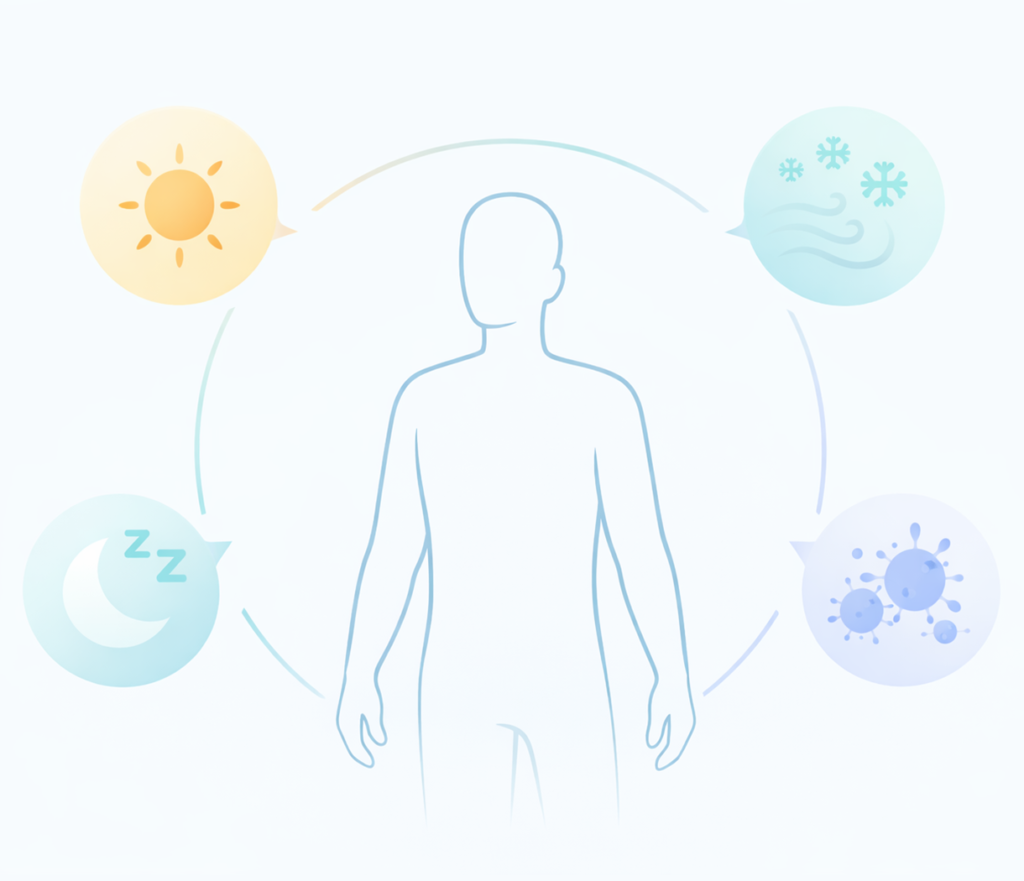
During cold seasons, changes in environmental factors and lifestyle can strain immune defenses. Lower temperatures can promote indoor crowding, increasing exposure to respiratory viruses. Cold air may compromise mucosal barriers in the nasal passages, reducing their ability to trap and clear pathogens. Seasonal changes can also affect sleep quality and reduce exposure to natural sunlight, influencing circadian rhythms and vitamin D levels — both factors linked to immune modulation. These combined stressors create conditions where supportive modalities like CO₂ cryotherapy, which influence circulation and inflammation, may play a role in maintaining resilient immune responses.
2. What Is CO₂ Cryotherapy and How It Works
Innovations in cryotherapy have expanded beyond ice baths and whole‑body chambers. CO₂ cryotherapy uses cold carbon dioxide gas, delivered in a controlled manner, to generate localized cooling effects with distinct physiological outcomes relevant to immune support.
2.1 Principles of CO₂ Cryotherapy Delivery
CO₂ cryotherapy applies cooled carbon dioxide gas directly to skin surfaces or targeted body areas. Carbon dioxide rapidly decreases skin and superficial tissue temperature but does not induce the extreme frostbite risk seen with some freezing modalities because exposure is brief and controlled. The cooling triggers a natural physiological response: vasoconstriction (narrowing of blood vessels), followed by vasodilation (widening of blood vessels) once the cooling stimulus is removed. This “thermal shock” pattern influences microcirculation — the flow of blood through the smallest vessels — which is critical for distributing immune cells to tissues and removing metabolic waste products.
2.2 CO₂ Cryotherapy vs. Traditional Cold Therapies
Traditional cold therapies like ice packs, cold water immersion, and cryogenic chambers use different physical mechanisms. Ice and cold water primarily rely on conductive cooling of large body areas, which may result in prolonged exposure and general discomfort. CO₂ cryotherapy, by contrast, delivers precise, short bursts of cooling without immersing the body in cold water or exposing it to cryogenic temperatures. This specificity allows practitioners to target areas with high lymphatic and circulatory activity, potentially enhancing the body’s ability to clear waste molecules and support immune cell trafficking — a process where immune cells move to where they are most needed.
2.3 Physiological Responses to Cold Stress
When local tissue temperature drops during CO₂ cryotherapy, biological mechanisms beyond circulation are activated. Cold exposure stimulates the sympathetic nervous system, leading to the release of catecholamines (such as norepinephrine), which can influence immune signaling pathways. Additionally, intermittent cold exposure has been associated with increased levels of anti‑inflammatory cytokines — signaling molecules that help regulate immune responses and reduce undue inflammation, a key factor in overall immune resilience.
3. How CO₂ Cryotherapy Supports Immune Function
CO₂ cryotherapy’s effects on circulation and inflammatory modulation have implications for immune function, especially during cold seasons when immune challenges are more frequent.
3.1 Enhanced Microcirculation and Immune Cell Mobilization
Microcirculation refers to blood flow through capillaries, arterioles, and venules, which deliver oxygen and immune cells to tissues while removing waste products. Improved microcirculation supports immune surveillance — the process by which immune cells patrol the body looking for pathogens and damaged cells. The alternating vasoconstriction and vasodilation induced by CO₂ cryotherapy enhances blood flow dynamics, facilitating the movement of leukocytes (white blood cells) to critical tissues. This enhanced circulatory support can help ensure that immune cells reach sites of infection or inflammation more efficiently.
3.2 Inflammation Modulation and Immune Balance
Inflammation is an essential immune process, but excessive or prolonged inflammation can deplete physiological resources and impair immune responses. CO₂ cryotherapy’s cooling effect helps moderate inflammatory responses by reducing the activity of pro‑inflammatory mediators in tissues. This modulation supports immune balance by curbing unnecessary inflammation while allowing the immune system to respond effectively to genuine threats. Especially during cold seasons, reducing chronic low‑grade inflammation may help preserve immune capacity and reduce susceptibility to infections.
3.3 Stress Response and Neuro‑Immune Interactions
Biological stressors, including temperature changes, trigger neuro‑immune interactions mediated by the nervous system. Cold stress activates the sympathetic nervous system, which in turn influences immune signaling. Short, controlled CO₂ cryotherapy sessions may enhance levels of norepinephrine — a molecule linked to improved immune vigilance and readiness. Moreover, stimulation of cutaneous (skin) receptors during cooling can influence neural pathways that modulate immune cell distribution and responsiveness, contributing to a primed, balanced immune state.
4. Practical Applications for the Cold Season
Understanding the theory is useful, but applying CO₂ cryotherapy effectively requires practical insights on timing, locations, and complementary strategies that support immune resilience.
4.1 Timing and Frequency During Cold Season
For immune support in cold seasons, CO₂ cryotherapy sessions can be scheduled regularly rather than solely in response to soreness or injury. Typical recommendations involve short, targeted exposures (2–5 minutes) once or twice per week during periods of high environmental stress or increased infection risk. The goal is not to treat a specific injury but to promote circulatory efficiency and inflammatory balance, helping the body maintain homeostasis when environmental pressures rise. Consistent application enhances adaptation and may contribute to immune vigilance across the season.
4.2 Target Areas for Immune Support
Practitioners often focus CO₂ cryotherapy on areas with rich vascular and lymphatic networks that influence systemic circulation. Common areas include the neck and upper shoulders, which are near major blood vessels and lymph nodes, and the torso, where large muscle groups and lymphatic channels can benefit from improved flow dynamics. Targeted application supports systemic effects without unnecessary exposure to extremities, enabling efficient distribution of immune‑related circulatory benefits.
4.3 Integration with Lifestyle and Wellness Practices
CO₂ cryotherapy should complement — not replace — foundational health behaviors. Adequate sleep, balanced nutrition rich in micronutrients (like vitamins C and D), regular physical activity, and stress mitigation are core to immune resilience. Cryotherapy adds a physiological stimulus that boosts circulatory and inflammatory responses but works best when integrated into a comprehensive wellness routine that addresses lifestyle factors influencing immune function.
5. Safety, Considerations, and Who Should Be Cautious
While CO₂ cryotherapy can be beneficial, understanding its safety profile and appropriate use is essential for responsible application.
5.1 General Safety and Contraindications
CO₂ cryotherapy is generally considered safe when administered by trained professionals in controlled environments. However, it may not be suitable for individuals with certain conditions, such as severe cardiovascular disease, Raynaud’s phenomenon (an exaggerated cold‑induced circulatory response), or cold urticaria (a skin reaction to cold). People with impaired sensation or peripheral neuropathy should exercise caution, as they may not accurately perceive temperature changes. Consultation with a healthcare provider is recommended before initiating cryotherapy, especially for those with underlying health conditions.
5.2 Potential Side Effects and How to Minimize Risks
Mild side effects can include temporary redness, numbness, or tingling in treated areas. These effects typically resolve soon after the session. To minimize risks, practitioners ensure treatments are brief, the skin is clean and dry, and direct inhalation of CO₂ gas is avoided. Protective measures, such as shielding sensitive areas and monitoring skin temperature, help prevent adverse outcomes and enhance comfort.
5.3 Adapting Cryotherapy for Different Age Groups
Age‑related physiological differences may influence how individuals respond to CO₂ cryotherapy. Older adults may benefit from gentler, shorter sessions to account for changes in skin thickness and circulatory responsiveness. For younger individuals, standard protocols with consistent application can support circulatory conditioning. Regardless of age, personalized adjustments and professional oversight optimize safety and efficacy.
よくあるご質問
Q: Can CO₂ cryotherapy prevent colds and flu entirely?
No, it does not prevent infections outright, but it supports factors like circulation and inflammation that contribute to a more resilient immune response.
Q: Is cryotherapy painful?
Most people describe CO₂ cryotherapy as brisk or cool, not painful. Sensations vary but are generally well tolerated during short sessions.
Q: How quickly might someone notice benefits?
Some individuals report improved circulation and reduced tissue tension immediately, while systemic immune effects may become more noticeable over weeks of consistent application.
Q: Can I combine cryotherapy with other immune‑support strategies?
Yes. Combining cryotherapy with good sleep, nutrition, and stress management enhances overall immune resilience.
Q: Are there age limits for CO₂ cryotherapy use?
There are no strict age limits, but tailored protocols and professional guidance are advised for children and older adults to ensure comfort and safety.
結論
CO₂ cryotherapy offers a non‑invasive, physiologically supported modality that can contribute to immune system support during cold seasons. By enhancing microcirculation, moderating inflammation, and engaging neuro‑immune pathways, it may help the body adapt to environmental stressors that challenge immune function. When integrated into a broader wellbeing routine that includes sleep, diet, movement, and stress management, CO₂ cryotherapy becomes a valuable tool for individuals seeking to maintain balance and resilience as the seasons change.
参考文献
Castellani, J. W., et al. Human Physiological Responses to Cold Exposure: Acute and Chronic Adaptations.
https://pubmed.ncbi.nlm.nih.gov/15208424/
Tipton, M. J., et al. The Response of the Pulmonary and Immune Systems to Acute Cold Stress: Mechanisms and Modulation.
https://pubmed.ncbi.nlm.nih.gov/23869257/
Brenner, I. K., et al. Cold Exposure and Immune Function: Mechanisms and Performance Relevance.
https://pubmed.ncbi.nlm.nih.gov/17469824/
Zhou, W., et al. Cold Stress, Inflammation and Immune Regulation: Molecular Pathways Impacting Health Outcomes.