はじめに
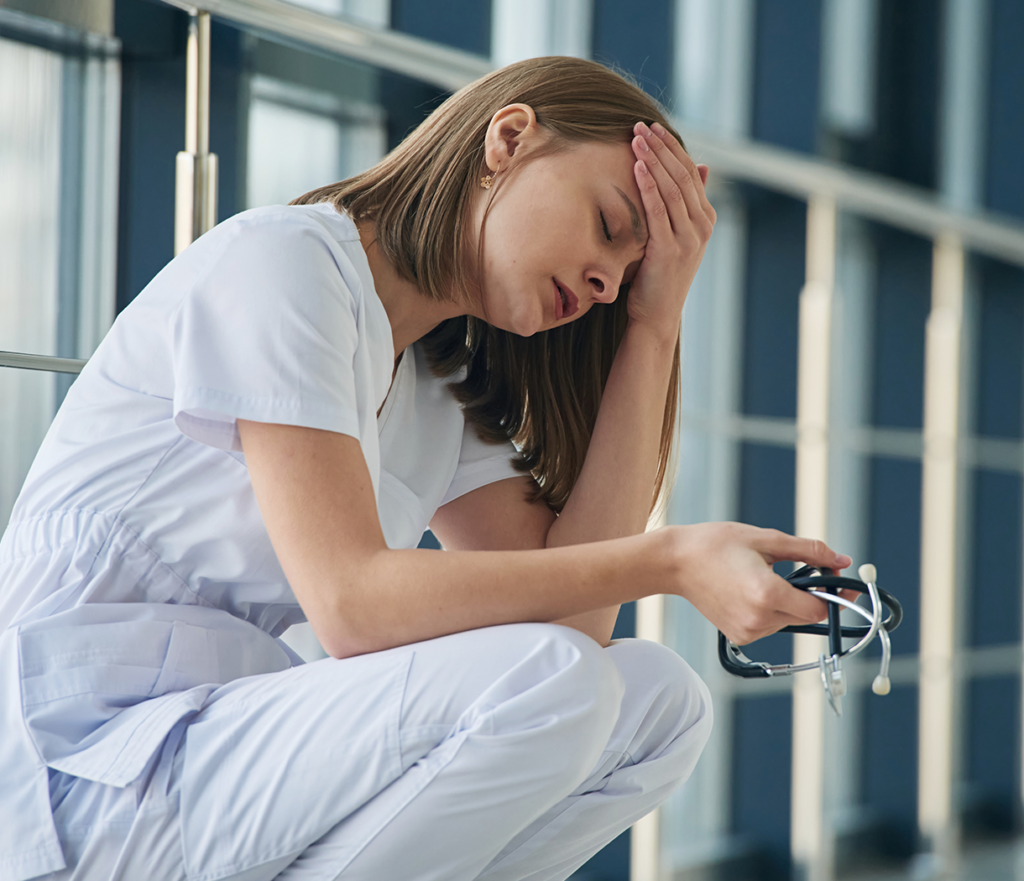
Nursing is one of the most physically and mentally demanding professions in the world. Working 12-hour shifts is a routine for many nurses, involving prolonged standing, repetitive lifting, and high-stress decision-making. Over time, these demands can lead to musculoskeletal pain, chronic fatigue, and even burnout. In recent years, CO₂ cryotherapy has emerged as an innovative solution to support nurse wellness, offering rapid pain relief, improved recovery, and enhanced energy. This therapy leverages cutting-edge technology, including high-pressure CO₂ gas and red laser targeting, to provide localized and systemic therapeutic benefits. For nurses seeking effective, non-invasive self-care strategies, CO₂ cryotherapy is gaining attention as a scientifically backed recovery modality.
1. The Physical Demands of Nursing
The nursing profession is inherently taxing, requiring both physical stamina and mental resilience. Understanding these demands underscores why innovative recovery solutions like CO₂ cryotherapy are essential.
1.1 Long Hours on Feet and Repetitive Movements
Nurses often spend the majority of their shifts standing, walking, or lifting patients. This repetitive physical activity can lead to chronic musculoskeletal strain, particularly in the lower back, shoulders, and knees. Studies show that over 70% of nurses report some form of musculoskeletal pain during their careers. These conditions not only affect performance at work but can also contribute to long-term joint deterioration. Integrating therapies such as CO₂ cryotherapy helps address localized inflammation, promote microcirculation, and support tissue repair. By targeting affected areas with cold therapy and laser stimulation, CO₂ cryotherapy accelerates recovery, allowing nurses to maintain peak physical function even after consecutive long shifts.
1.2 Night Shifts and Sleep Disruption
Night shift work disrupts the circadian rhythm, leading to impaired sleep, increased fatigue, and reduced cognitive performance. For nurses, this sleep disruption compounds physical stress, making recovery more difficult. CO₂ cryotherapy supports the body’s natural restorative processes by inducing thermal shock, which triggers endorphin release and sympathetic nervous system regulation. These physiological responses can improve sleep onset and quality, helping nurses better manage the challenges of night and rotating shifts. By combining cold therapy with targeted laser application, cryotherapy enhances both muscular and neurological recovery, promoting overall well-being for shift-working nurses.
2. How CO₂凍結療法 Works for Nurses
Transitioning from the physical stressors of nursing, it is important to understand the science behind CO₂ cryotherapy and why it is particularly suitable for nurses.
2.1 The Science Behind Cryotherapy
CO₂ cryotherapy utilizes pressurized carbon dioxide gas cooled to approximately -78°C, delivered directly to specific areas of the body. This rapid temperature drop induces localized vasoconstriction, followed by vasodilation upon rewarming, which enhances blood flow and nutrient delivery to tissues. Additionally, cryotherapy reduces pro-inflammatory cytokines and promotes the release of endorphins, alleviating both pain and stress. When combined with precision red laser therapy, cryotherapy can target deep tissue structures, stimulating cellular repair and reducing chronic inflammation. This dual approach merges traditional cryotherapy principles with advanced photobiomodulation, offering a comprehensive recovery solution tailored for high-demand professionals like nurses.
2.2 Short Sessions Fit for Nurses
Time constraints are a significant barrier for nurses seeking wellness solutions. One of the advantages of CO₂ cryotherapy is its brevity: most sessions last between 2 to 5 minutes per targeted area. The rapid application allows nurses to fit therapy sessions before or after shifts without disrupting their schedules. Despite the short duration, studies and clinical observations indicate that even brief exposures can significantly reduce muscle soreness, enhance circulation, and improve alertness. The therapy is non-invasive, does not require pharmaceuticals, and can be repeated as needed, making it a practical self-care intervention for nurses seeking both immediate and cumulative benefits.
3. Top Benefits of CO₂ Cryotherapy for Nurses
Having reviewed the science and logistics of CO₂ cryotherapy, it is essential to explore its practical benefits for nurses coping with the demands of long shifts.
3.1 Faster Physical Recovery
Musculoskeletal strain is a major occupational hazard for nurses. CO₂ cryotherapy accelerates recovery by inducing vasoconstriction and vasodilation cycles, which enhance blood circulation and lymphatic drainage. The therapy effectively reduces edema, alleviates localized pain, and supports rapid muscle repair. Combined with red laser therapy, cryotherapy penetrates deep tissue layers, promoting collagen synthesis and reducing micro-tears in muscle fibers. Regular sessions can significantly shorten recovery time between shifts, enabling nurses to maintain physical performance and prevent cumulative fatigue-related injuries.
3.2 Stress Relief and Mental Clarity
The nursing profession is mentally demanding, with chronic stress contributing to cognitive fatigue and emotional burnout. Cryotherapy stimulates the autonomic nervous system, triggering the release of endorphins and norepinephrine, which reduce stress and improve mood. Laser-assisted cryotherapy further enhances neurovascular activity, improving focus and mental clarity. Nurses report feeling more alert and balanced following therapy sessions, which can translate into safer clinical decision-making and higher patient care quality. The integration of cold therapy into wellness routines provides both physiological and psychological resilience, a critical advantage for healthcare professionals.
3.3 Better Sleep Quality
Sleep disturbances are common among nurses working rotating or extended shifts. CO₂ cryotherapy promotes parasympathetic nervous system activation, which facilitates relaxation and improves sleep quality. Thermal shock from localized cold exposure helps reset circadian rhythms by modulating melatonin release. Additionally, the reduction of muscular discomfort enhances comfort during rest, further contributing to restorative sleep. Consistent post-shift cryotherapy sessions have been observed to shorten sleep latency and increase deep sleep duration, supporting overall recovery and sustained energy levels for subsequent shifts.
3.4 Enhanced Energy and Alertness
Nurses often experience cognitive fatigue, decreased vigilance, and delayed reaction times due to long hours. Cryotherapy enhances energy and alertness by improving systemic circulation and stimulating sympathetic nervous system activity. Cold exposure triggers the release of catecholamines, which increase metabolic rate and heighten sensory acuity. This boost in physiological and mental alertness is particularly beneficial for pre-shift preparation or post-night shift recovery. When integrated into a weekly self-care routine, CO₂ cryotherapy ensures nurses remain physically resilient and cognitively sharp, reducing the likelihood of errors and improving overall workplace performance.
4. Practical Tips for Nurses Using CO₂ Cryotherapy
Transitioning from understanding benefits, practical implementation ensures nurses can safely and effectively incorporate cryotherapy into their self-care routines.
4.1 Scheduling Sessions
Optimal timing of CO₂ cryotherapy is essential to maximize benefits. Nurses can schedule sessions immediately after shifts to alleviate accumulated musculoskeletal strain or before shifts to boost alertness and energy. A typical frequency is 2–3 sessions per week, targeting areas most affected by strain, such as the lower back, shoulders, and knees. Integrating therapy into existing break periods or immediately after commuting home can make adherence manageable. By planning sessions around work schedules, nurses can achieve consistent therapeutic benefits without disrupting professional responsibilities.
4.2 Safety Precautions
Safety is paramount when applying cryotherapy. Nurses should avoid direct exposure to open wounds or areas with impaired sensation. Sessions should not exceed recommended durations, typically 2–5 minutes per area, to prevent tissue damage. Individuals with cardiovascular or respiratory conditions should consult medical professionals before initiating therapy. Following these safety protocols ensures nurses experience effective recovery without risk of adverse events.
よくあるご質問
Is CO₂ Cryotherapy safe for nurses with medical conditions?
CO₂ cryotherapy is generally safe for healthy adults. Individuals with cardiovascular, respiratory, or cold sensitivity conditions should consult a healthcare provider before therapy.
How often should a nurse use CO₂ Cryotherapy to see results?
Optimal frequency is 2–3 sessions per week, though benefits such as reduced soreness can be felt after the first few treatments.
Can cryotherapy reduce chronic back and shoulder pain for nurses?
Yes. Targeted cryotherapy combined with red laser stimulation can reduce inflammation, improve circulation, and accelerate tissue repair in chronic musculoskeletal regions.
Does it require any special preparation before a session?
No extensive preparation is needed. Exposed skin should be clean and dry, and jewelry should be removed. Wearing light, breathable clothing is recommended.
結論
Nurses face unique physical and mental challenges due to prolonged shifts, high stress, and repetitive movements. CO₂ cryotherapy, enhanced with red laser technology, provides a scientifically backed, non-invasive solution for faster physical recovery, stress relief, improved sleep, and enhanced alertness. By incorporating cryotherapy into weekly self-care routines, nurses can maintain both physical resilience and mental acuity, reducing burnout and supporting long-term professional performance.
参考文献
Bleakley, C.M., et al. (2012). The Use of Cryotherapy in Musculoskeletal Injury Management: A Review.
https://pubmed.ncbi.nlm.nih.gov/22392636/
American Nurses Association. Occupational Health and Safety for Nurses.
https://www.nursingworld.org/practice-policy/work-environment/health-safety/
Lombardi, D., et al. (2017). Physiological Effects of Cryotherapy and Laser Therapy on Musculoskeletal Recovery.