Introduction
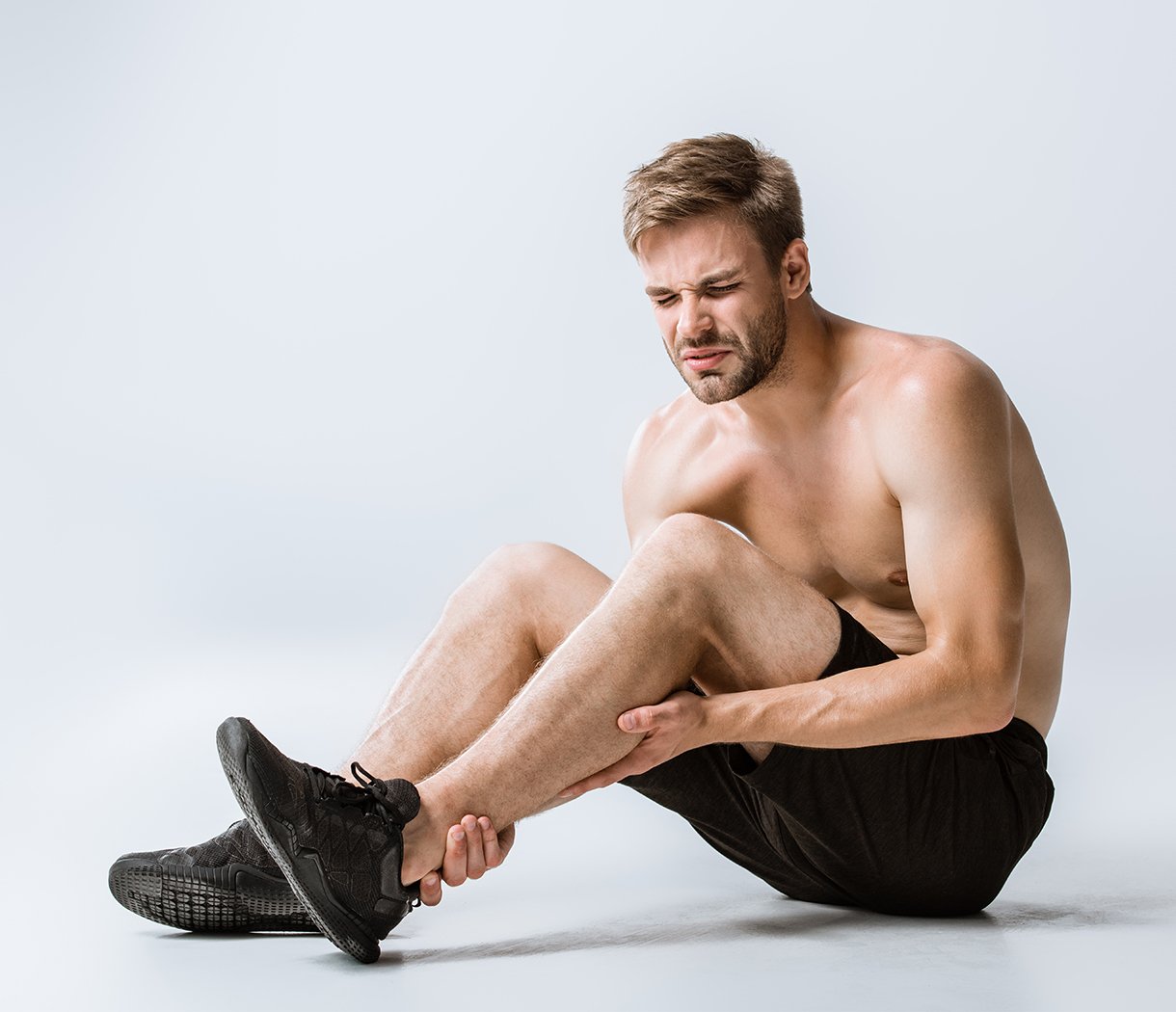
Gymnastics demands extraordinary upper body strength. Adult gymnasts, CrossFit athletes, and calisthenics practitioners place repeated high loads on their wrists during handstands, ring work, and floor exercises. Over time, these repetitive forces can cause a distal radial stress fracture—a tiny crack in the bone near the wrist. This injury is not limited to young athletes. Adult gymnasts and fitness enthusiasts also suffer from it, especially when training volume or intensity increases suddenly. Traditional treatment requires weeks of rest and cast immobilization. But a newer approach, CO₂ cryotherapy, may help accelerate bone healing. This article explains how localized cold therapy works at the cellular level to support fracture repair and get athletes back to training sooner.
1. Understanding Distal Radial Stress Fracture in Adult Athletes
1.1 How Repetitive Loading Damages the Wrist Bones
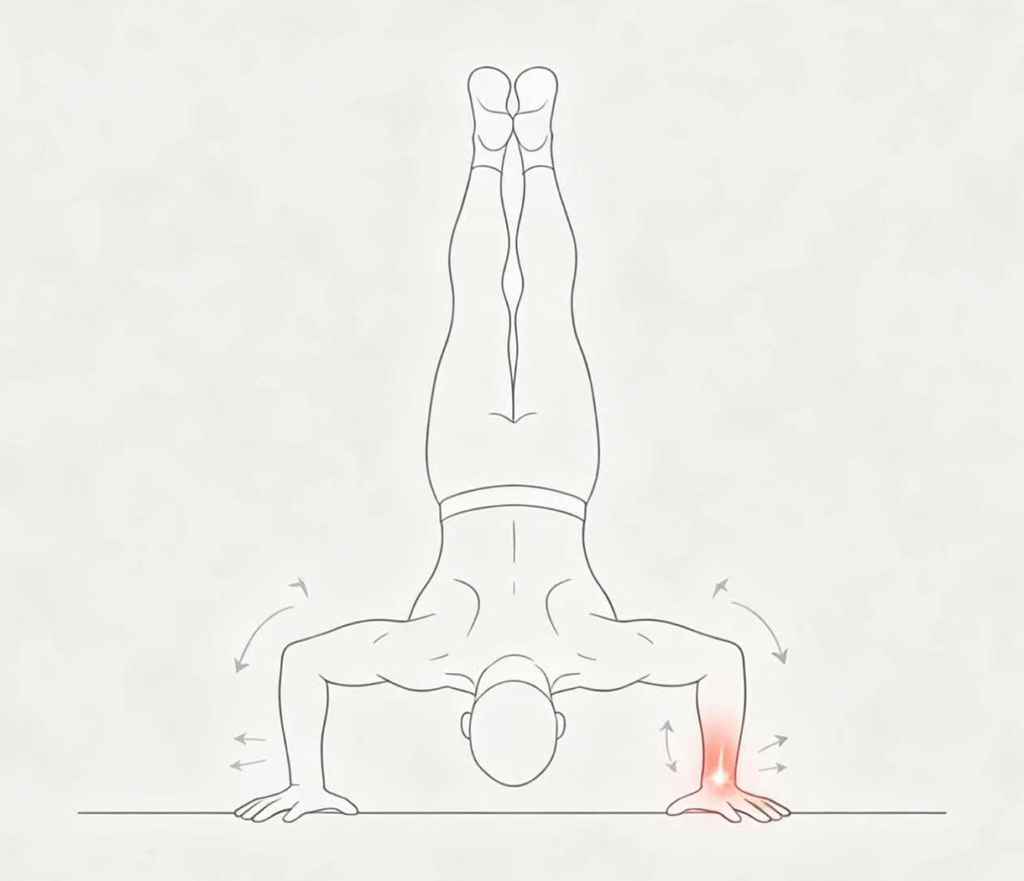
The distal radius is the larger of the two forearm bones at the wrist joint. In adult athletes who perform hand‑weighted movements, this bone absorbs tremendous compressive forces. Each handstand push‑up or ring dip transmits forces through the wrist. Unlike a single traumatic fall that breaks the bone completely, a stress fracture develops slowly. Microscopic cracks form when the bone’s natural remodeling process cannot keep up with the damage from repeated loading. Without enough recovery time between sessions, these tiny cracks accumulate. Pain worsens gradually, starting as a dull ache during activity and progressing to constant soreness.
1.1.1 Common Causes in Adult Gymnasts and CrossFit Athletes
Adult gymnasts who return to the sport after a long break face a high risk. Their bones have not adapted to the high impact loads. CrossFit athletes performing high‑volume handstand walks or deficit push‑ups also develop wrist stress fractures. Calisthenics practitioners training for planche or handstand push‑up records put similar stresses on the distal radius. In many cases, the injury follows a sudden increase in training frequency, duration, or intensity. Poor wrist mobility or weak forearm muscles contribute to the problem. Unlike acute fractures, a stress fracture often goes unnoticed for weeks until the pain becomes severe enough to stop training.
1.2 Why This Injury Is Hard to Heal
Bone healing requires adequate blood supply and mechanical stability. The distal radius has a relatively rich blood supply, but stress fractures occur in a specific area called the metaphyseal‑diaphyseal junction. This zone has less vascularity than other parts of the bone. Additionally, the wrist moves constantly during daily activities. Even with a cast or splint, small movements at the fracture site can disrupt the healing process. The body’s natural repair mechanisms work slowly. Without external support, a distal radial stress fracture can take six to twelve weeks to heal completely. For competitive adult athletes, this long downtime means lost progress, reduced fitness, and frustration.
1.2.1 The Need for Adjunctive Therapies
Standard treatment for a stress fracture involves rest, immobilization, and gradual return to activity. This approach works for most people, but the timeline is slow. Many adult athletes cannot afford to stop training for months due to work, competition schedules, or personal goals. They need safe, non‑invasive ways to speed up bone healing. CO₂ cryotherapy offers a promising adjunct. It works alongside rest and immobilization, not instead of them. By enhancing the body’s own repair processes, it may reduce the total recovery time and get athletes back to their sport sooner.
2. How CO₂ Cryotherapy Works on Bone Tissue
2.1 Localized Cold Application to the Fracture Site
CO₂ cryotherapy uses medical‑grade carbon dioxide gas delivered under pressure. When released through a specialized nozzle, the liquid CO₂ expands into an extremely cold gas or solid dry ice snow. The temperature reaches approximately -78°C (-108°F). Unlike whole‑body cryotherapy chambers, localized CO₂ cryotherapy directs the cold precisely to the injured area. For a wrist stress fracture, the practitioner applies the cold gas to the skin overlying the distal radius. Each exposure lasts only 10 to 30 seconds. The treatment causes no damage to the skin or deeper tissues when performed correctly.
2.1.1 The Cold Shock Response
When cold hits the skin, the body reacts immediately. Blood vessels in the area constrict, reducing local blood flow. This vasoconstriction drops the tissue temperature rapidly. After the cold stimulus stops, the vessels dilate widely. This reactive hyperemia floods the area with fresh blood. The new blood brings oxygen, nutrients, and immune cells to the fracture site. It also carries away metabolic waste products and inflammatory mediators. This cycle of constriction and dilation acts like a pump, improving overall circulation in the healing bone. Over multiple sessions, the bone receives better support for repair.
2.2 Cellular Mechanisms of Cold‑Enhanced Bone Healing
Cold exposure triggers several biological pathways that benefit fracture repair. First, the temporary reduction in blood flow creates a mild hypoxic state at the bone surface. Hypoxia, or low oxygen, is not harmful in short bursts. In fact, it activates hypoxia‑inducible factors (HIFs). These proteins turn on genes that promote new blood vessel formation. More blood vessels mean more oxygen and nutrients delivered to the healing fracture. Second, cold stress increases the activity of osteoblasts, the cells that build new bone. Cold also reduces the activity of osteoclasts, the cells that break down bone. This shifts the balance toward bone formation.
2.2.1 Growth Factor Release and Collagen Production
Cold application also stimulates the release of growth factors such as vascular endothelial growth factor (VEGF) and transforming growth factor beta (TGF‑β). VEGF drives angiogenesis, the growth of new capillaries into the fracture site. TGF‑β directs mesenchymal stem cells to become osteoblasts. These cells then produce type I collagen, the main structural protein in bone. The newly formed collagen matrix mineralizes over time, turning soft callus into hard bone. By enhancing these natural processes, CO₂ cryotherapy may accelerate each phase of fracture healing: inflammation, repair, and remodeling.
3. Clinical Evidence and Biological Rationale
3.1 What Research Shows About Cold and Bone
Several studies have investigated how localized cold therapy affects bone healing. Animal models of fracture consistently show that intermittent cold application leads to larger callus volume and stronger new bone. The cold‑induced hypoxia triggers a protective response that upregulates angiogenic factors. These factors promote blood vessel growth directly into the fracture gap. Other research on transcutaneous CO₂ application demonstrates increased osteoblast activity and decreased marrow fat. Marrow fat can interfere with bone formation, so reducing it helps healing. Taken together, the evidence supports the use of cold therapy as a safe, non‑pharmacological way to enhance bone repair.
3.1.1 Translating Mechanisms to Human Athletes
While most mechanistic studies come from animal models, the biological pathways are well conserved across mammals. Human athletes experience the same cold shock response, hypoxia signaling, and growth factor release. Therefore, the same benefits likely apply. In clinical practice, physical therapists and sports medicine providers have used localized cryotherapy to reduce post‑fracture swelling and pain. Adding CO₂ cryotherapy to a standard immobilization protocol may shorten the time to radiographic healing. More human studies are needed, but the existing evidence provides a strong scientific rationale.
3.2 Pain Reduction as an Additional Benefit
Bone stress fractures cause significant pain, especially during weight‑bearing activities. This pain limits an athlete’s ability to perform daily tasks and maintain general fitness. CO₂ cryotherapy has well‑documented analgesic effects. The intense cold temporarily numbs local nerve endings, reducing pain signals. Cold also lowers the production of inflammatory cytokines such as interleukin‑6 and tumor necrosis factor‑alpha. Less inflammation means less swelling and less pressure on pain receptors. For an athlete recovering from a wrist stress fracture, this pain relief improves quality of life. It also allows for earlier initiation of gentle range‑of‑motion exercises once the cast is removed.
3.2.1 No Drugs, No Side Effects
Unlike non‑steroidal anti‑inflammatory drugs (NSAIDs), which can actually impair bone healing when used long‑term, CO₂ cryotherapy has no negative effect on bone repair. NSAIDs inhibit cyclooxygenase enzymes, which are necessary for the inflammatory phase of fracture healing. Cold therapy does not interfere with these enzymes. It reduces pain through different mechanisms. Therefore, CO₂ cryotherapy offers a drug‑free alternative for pain management during stress fracture recovery. Athletes who cannot take NSAIDs due to gastrointestinal or kidney issues may find this especially valuable.
4. Applying CO₂ Cryotherapy to a Wrist Stress Fracture Recovery Plan
4.1 Integration with Standard Immobilization
For a confirmed distal radial stress fracture, the first step is always rest and immobilization. A cast or rigid splint keeps the wrist from moving. This prevents further damage and allows the bone to begin healing. During this period of immobilization, CO₂ cryotherapy can be added as an adjunct. The athlete visits a clinic two to three times per week. The practitioner applies the cold gas to the skin over the cast or directly to the wrist if a removable splint is used. Each session lasts only a few minutes. The cold penetrates through superficial tissues to reach the bone.
4.1.1 Typical Session Frequency and Duration
Most protocols suggest three sessions per week for the first four weeks after diagnosis. Each treatment consists of two to three cycles of 10 to 30 seconds of cold exposure per area. The total time per session is under ten minutes. The athlete experiences an intense cold sensation but no lasting pain. After the session, the cast or splint is reapplied, and the athlete continues normal rest recommendations. No additional downtime is needed. The treatment does not interfere with sleep, nutrition, or other recovery strategies.
4.2 Expected Timeline and Outcomes
With standard care alone, a distal radial stress fracture in an adult athlete typically requires six to twelve weeks of rest before full return to sport. Adding CO₂ cryotherapy may shorten this timeline by several weeks. Athletes often report decreased pain after just a few sessions. The improved blood flow and growth factor activity promote faster callus formation. Radiographic healing—new bone visible on X‑ray—may appear earlier. By the fourth week of combined treatment, some athletes can begin gentle wrist mobility exercises under professional guidance. Full return to hand‑weighted activities still requires careful progression, but the total time away from sport may reduce by 20 to 30 percent.
4.2.1 Return to Sport Guidelines
Returning to gymnastics or CrossFit after a wrist stress fracture must be gradual. The athlete should have pain‑free wrist range of motion and normal grip strength before attempting any weight‑bearing. The first phase involves non‑weight‑bearing wrist exercises. Next comes partial weight‑bearing on soft surfaces. Only after several weeks of pain‑free progression should the athlete attempt handstands or dips. CO₂ cryotherapy does not replace this careful progression. It simply accelerates the underlying bone healing, allowing the athlete to move through the phases sooner. A sports medicine provider should guide the entire process.
5. What Adult Athletes Should Know Before Starting
5.1 Who Is a Good Candidate
Adult gymnasts, CrossFit athletes, calisthenics practitioners, and any athlete with a confirmed distal radial stress fracture may benefit from CO₂ cryotherapy. The best candidates have a low‑risk fracture pattern (non‑displaced) and are willing to follow a comprehensive recovery plan. Athletes with cold hypersensitivity, Raynaud‘s phenomenon, cryoglobulinemia, or active skin infection in the treatment area should avoid the therapy. Pregnant athletes should consult their obstetrician. The treating provider should evaluate each case individually. CO₂ cryotherapy is a supportive measure, not a standalone treatment.
5.1.1 Questions to Ask Your Provider
Before starting CO₂ cryotherapy, athletes should ask several questions. How many sessions does the provider recommend? What is the cost per session, and does insurance cover any of it? How soon after injury should the first session occur? Can the therapy be done through a cast, or does the wrist need to be exposed? What are the rare risks, such as skin burns or nerve irritation? A qualified provider who answers these questions clearly and bases recommendations on sound biological principles is likely to offer safe care.
5.2 Combining Cold Therapy with Other Recovery Strategies
CO₂ cryotherapy works best as part of a holistic recovery plan. Adequate nutrition is essential for bone healing. Athletes should consume sufficient calcium (1,000 to 1,200 mg daily) and vitamin D (600 to 800 IU daily). Protein intake supports collagen synthesis. Sleep is when most bone remodeling occurs, so seven to nine hours per night is critical. Avoiding smoking and excessive alcohol also improves healing. CO₂ cryotherapy does not replace these fundamentals. It adds an extra layer of biological support.
5.2.1 Monitoring Progress and Adjusting Treatment
During the recovery period, the provider should monitor the athlete’s symptoms and repeat imaging as needed. If pain decreases as expected and X‑rays show progressive healing, the treatment plan is working. If pain persists or worsens, the provider may adjust the frequency of CO₂ cryotherapy or investigate other causes. Most athletes complete a course of 8 to 12 sessions over four weeks. After that, maintenance sessions are rarely needed. The bone continues to remodel for months after clinical healing, so the athlete must still follow return‑to‑sport guidelines carefully.
FAQ
Q1: Can CO₂ cryotherapy replace cast immobilization for a stress fracture?
A: No. The cast or splint remains essential. Cold therapy is an adjunct that may speed healing, not a replacement.
Q2: How soon after injury should I start CO₂ cryotherapy?
A: Ideally within the first week after diagnosis. Early application may maximize the benefits.
Q3: Does the treatment hurt?
A: The cold sensation is intense but brief. Most athletes tolerate it easily without any numbing cream.
Q4: How many sessions are typically needed?
A: Most adults need 8 to 12 sessions over four weeks, at two to three sessions per week.
Q5: Is CO₂ cryotherapy covered by health insurance?
A: Coverage varies widely. Some plans cover it for documented pain conditions. Check with your insurance provider.
Conclusion
Distal radial stress fractures are a real risk for adult gymnasts, CrossFit athletes, and anyone who trains hand‑weighted movements repeatedly. The long recovery time with standard casting frustrates many active individuals. CO₂ cryotherapy offers a scientifically grounded adjunct that may accelerate bone healing. Localized cold exposure triggers a temporary hypoxic state, which stimulates new blood vessel growth and increases osteoblast activity. Research on cold‑enhanced fracture repair shows larger callus formation and stronger bone. For adult athletes, adding three weekly sessions of CO₂ cryotherapy during the immobilization period may reduce total recovery time by several weeks. The treatment is safe, painless, and free of the side effects that come with medications. While not a replacement for rest and casting, CO₂ cryotherapy gives athletes an extra tool to heal faster and return to the sport they love.
Références
Current Sports Medicine Reports – Wrist injuries in gymnastics
https://journals.lww.com/acsm-csmr/fulltext/2008/09000/gymnastic_wrist_injuries.13.aspx
Journal of Orthopaedics and Sports Medicine – Stress fracture management
https://pmc.ncbi.nlm.nih.gov/articles/PMC12088353
Physiopedia – Radial stress reaction in athletes
https://www.physio-pedia.com/index.php?title=Radial_Epiphyseal_Stress_Reaction
ScienceDirect – Transcutaneous CO₂ promotes bone formation
https://www.sciencedirect.com/science/article/abs/pii/S8756328224001035
BMJ Open Diabetes Research & Care – CO₂ accelerates fracture repair
https://drc.bmj.com/content/early/2020/12/01/bmjdrc-2020-001694
GPnotebook – Stress fracture treatment guidelines
https://gpnotebook.com/en-AU/pages/musculoskeletal-medicine/stress-fracture/treatment
Local Cryotherapy – CO₂ cryotherapy applications