Introduction
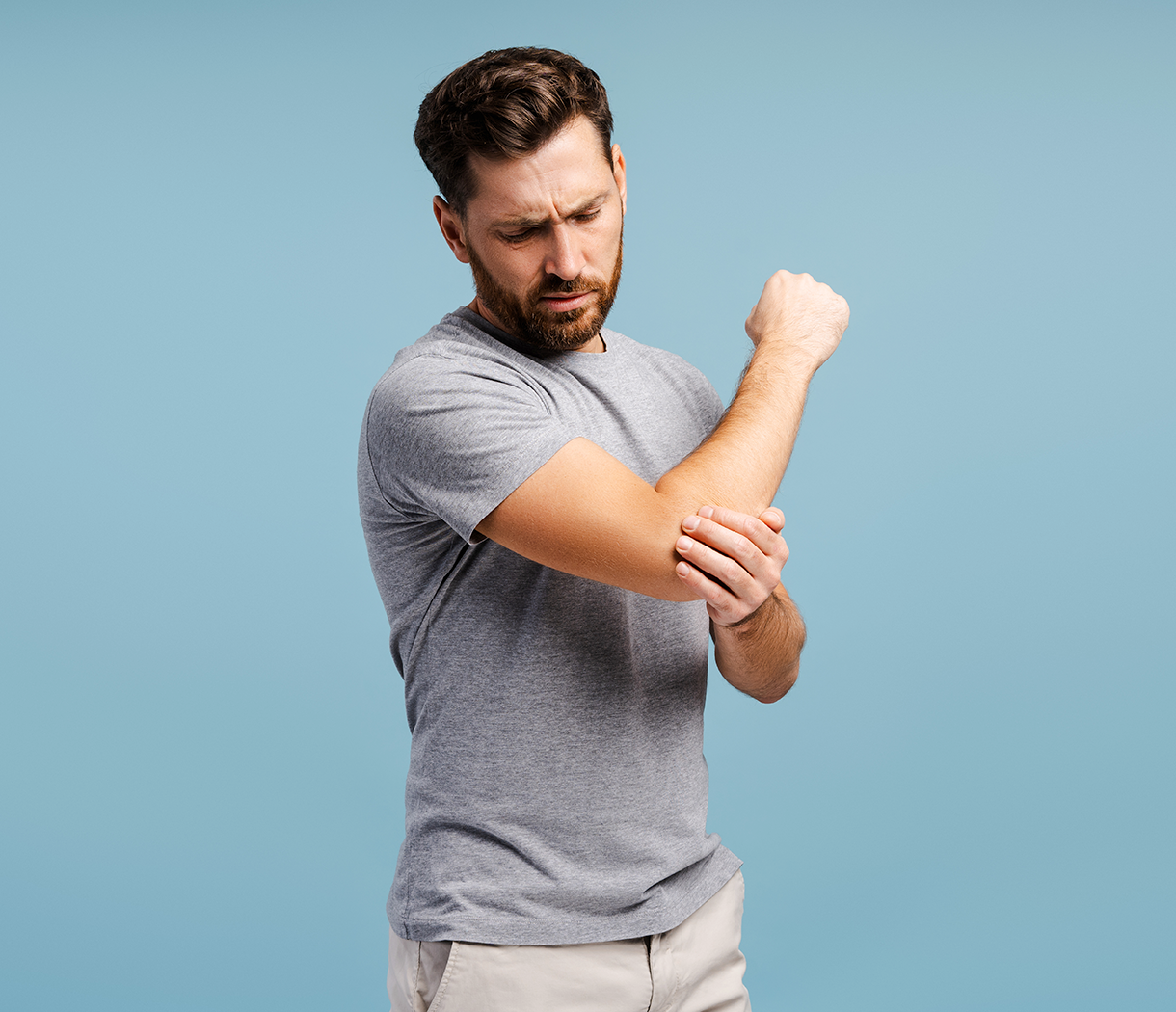
A minor muscle strain can happen during an unfamiliar workout, a sudden stretch, or an everyday movement that places too much force on a muscle. The result may be localized tenderness, mild swelling, discomfort with movement, or temporary weakness. CO₂ cryotherapy offers a targeted cooling approach that may help manage pain after certain minor soft-tissue injuries. However, reducing discomfort does not necessarily mean the injured muscle has healed. Understanding how localized CO₂ cooling works, what current evidence can support, and where its limitations lie can help readers make more informed decisions about recovery. It is also important to recognize when a seemingly minor strain needs professional assessment rather than home or device-based symptom management alone.
1. Understanding Minor Muscle Strains and Localized Tenderness
1.1 What Happens When a Muscle Is Strained?
A muscle strain occurs when muscle fibers or the tendon connecting a muscle to bone are overstretched or damaged. It may develop during exercise, lifting, reaching, or a sudden change in direction. Mild strains can cause localized tenderness and discomfort without major loss of function. More significant injuries may involve pronounced swelling, bruising, weakness, or difficulty moving the affected area. Although people often use the term “pulled muscle” to describe these symptoms, the severity of an injury cannot always be determined by how painful it feels at first.
1.2 Why Does a Minor Strain Feel Tender?
Tenderness can develop as the body responds to tissue damage. The affected area may become sensitive to pressure, stretching, or muscle contraction. Small blood vessels may also be damaged, leading to localized bleeding or swelling. During this period, movements that normally feel easy may become uncomfortable. Tenderness can improve before the underlying tissue has regained its full strength, so pain alone is not a reliable measure of recovery. Returning to demanding activity too soon may place additional stress on the injured muscle.
1.3 How Can You Distinguish a Minor Strain From a More Serious Injury?
A mild strain may cause manageable soreness while allowing most everyday movements. A more serious injury may produce severe or increasing pain, substantial swelling, extensive bruising, or marked weakness. A popping sensation followed by difficulty using the affected limb can also indicate a significant injury. These symptoms should not be treated simply by applying cold therapy. If the person cannot bear weight, move the affected area normally, or use the limb safely, prompt medical assessment is appropriate. Persistent tenderness also deserves attention when it does not improve as expected.
2. How CO₂ Cryotherapy Works After a Muscle Strain
2.1 Understanding Localized CO₂ Cooling
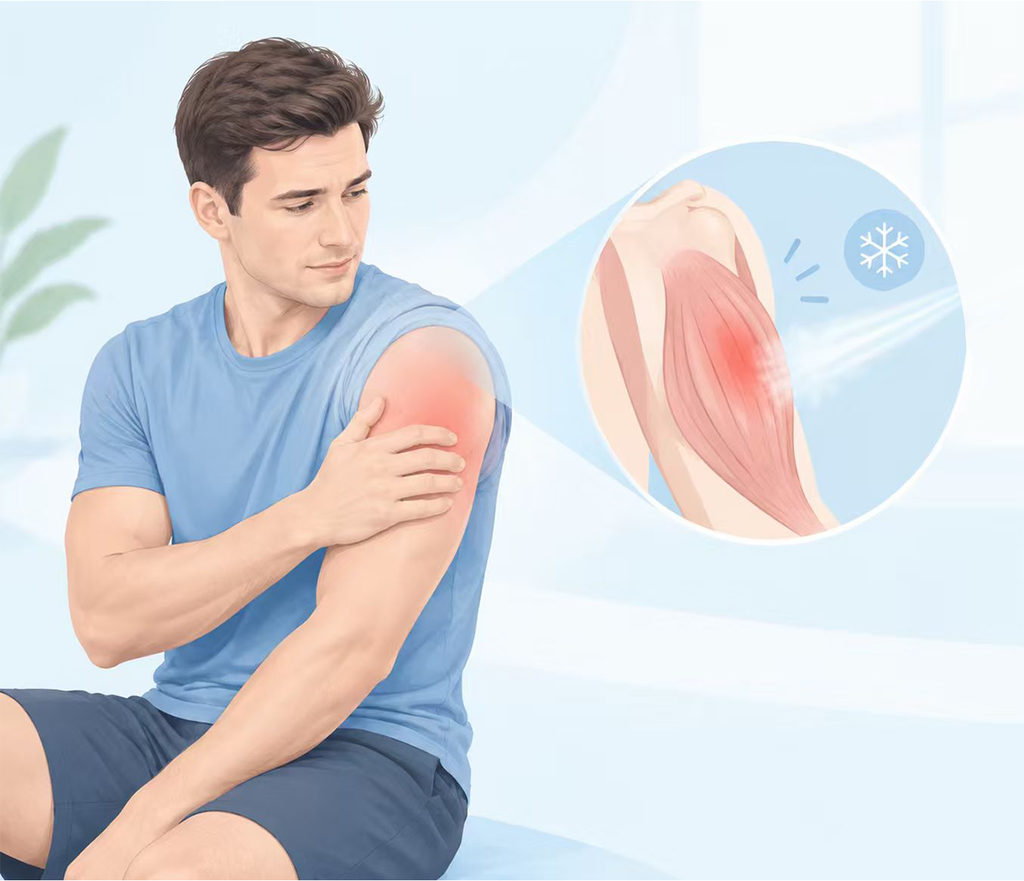
CO₂ cryotherapy uses pressurized carbon dioxide to create a rapid cooling effect over a selected body area. Local Cryotherapy describes its human-use device as delivering CO₂ gas at approximately −78°C at the source. This produces a strong thermal stimulus at the treatment area. The temperature of the gas, however, should not be confused with the actual temperature reached by deeper muscle tissue. Tissue cooling depends on several factors, including application technique, distance, exposure, and the characteristics of the treated area.
2.2 How Cooling May Affect Pain and Tenderness
Cooling can temporarily change sensory nerve activity and reduce the perception of pain. It may also cause local blood vessels to constrict, which can influence blood flow in the treated area. These responses help explain why some forms of cryotherapy are used as an adjunct to acute musculoskeletal pain management. However, the effects of cooling depend on the method used, and evidence from conventional ice packs or other cryotherapy methods cannot automatically establish the effectiveness of a specific CO₂ device. The most reasonable expectation is potential short-term symptom relief, not guaranteed healing.
2.3 What Makes a CO₂ Cryotherapy Device Different?
The Local Cryotherapy device combines a pressurized CO₂ cooling system with red-laser-assisted targeting and real-time temperature monitoring. The red laser helps the operator identify the intended treatment area, while temperature monitoring provides information about the cooling process. These features can support more controlled application when used correctly. They do not, by themselves, prove that the device repairs strained muscle fibers faster or produces better clinical outcomes than other cooling methods. Appropriate technique, adherence to the device instructions, and assessment of the injury remain essential.
3. The Main Limitations of CO₂ Cryotherapy for Minor Muscle Strains
3.1 Pain Relief Does Not Mean the Muscle Has Healed
One of the most important limitations of cryotherapy is that temporary pain relief can create a misleading sense of recovery. If the treated area feels less tender, a person may assume the muscle is ready for exercise, lifting, or other demanding activities. However, reduced pain does not confirm that damaged tissue has regained its normal strength or load tolerance. Returning to activity too early may aggravate the injury. Recovery should therefore depend on symptoms, movement quality, and gradual restoration of function rather than the immediate response to cooling alone.
3.2 Evidence for Cold Therapy Does Not Prove Every CO₂ Device Claim
Clinical evidence supports considering cryotherapy as an adjunct for pain management after acute musculoskeletal injuries, but the strength of evidence varies. Clinical practice guidelines have not identified one universally superior cryotherapy delivery method or protocol. A critical review of sports-related soft-tissue injuries also highlighted uncertainty about whether cooling improves tissue regeneration or other long-term outcomes. These findings matter when evaluating CO₂ cryotherapy. Evidence that cooling can temporarily reduce pain does not establish that a particular device accelerates muscle repair, prevents complications, or shortens recovery time for every strain.
3.3 Very Cold Gas Requires Careful Application
A CO₂ gas source at approximately −78°C creates an intense cooling stimulus. That does not mean the treatment area should receive the maximum possible exposure. Excessive or poorly controlled cooling can injure the skin and superficial tissues. The actual response also varies with the treatment area, application distance, exposure, and individual sensitivity. A device’s temperature-monitoring features can provide useful feedback, but they do not remove the need for proper training and careful observation. Operators should follow the manufacturer’s instructions and stop treatment if an unexpected or concerning skin response occurs.
3.4 CO₂ Cryotherapy Cannot Replace Injury Assessment
Muscle tenderness can have several causes, and not every painful area represents a simple strain. A tendon injury, significant muscle tear, bone injury, or other medical condition may produce similar symptoms. Localized cooling may change the sensation of pain without clarifying the underlying cause. It should not be used to postpone an assessment when symptoms are severe, persistent, or worsening. People with reduced skin sensation, impaired circulation, or other conditions that affect their response to cold should seek appropriate professional guidance before using an intense cooling device.
4. Using Localized CO₂ Cryotherapy as Part of a Recovery Plan
4.1 Choose the Right Time to Consider Cooling
After a suspected minor strain, the first priority is to stop the activity that caused the pain and assess the symptoms. Relative rest can help protect the injured area from additional stress. Cooling may be considered as a supportive measure when appropriate, particularly if localized discomfort is affecting ordinary movement. However, treatment timing should not be based on a universal rule that applies to every injury. The nature of the strain, the presence of swelling or bruising, and any relevant medical conditions should guide the next steps.
4.2 Follow the Device Instructions Rather Than Guessing at Treatment Time
The Local Cryotherapy device is designed for targeted cooling and includes red-laser-assisted positioning and real-time temperature monitoring. Its product information describes rapid application, but a brief treatment does not automatically make the method suitable for every injury. Users should follow the specified treatment distance, application technique, safety instructions, and any recommended limits for the target area. They should not increase exposure simply because tenderness remains. If the expected response does not occur, the safer approach is to reassess the injury rather than repeatedly intensify the cooling stimulus.
4.3 Combine Symptom Management With Gradual Activity
Cooling is only one part of recovery. During the early phase, avoid movements that clearly aggravate the injured muscle and adjust daily tasks to prevent repeated strain. As symptoms improve, ordinary movement can be reintroduced gradually, provided it does not cause increasing pain or loss of function. More demanding activity should wait until movement and strength have recovered sufficiently for the task. Persistent weakness, recurring pain, or difficulty returning to normal activity may warrant assessment by a healthcare professional or physical therapist.
4.4 Monitor the Response After Treatment
After localized cooling, pay attention to both the skin and the injured area. Unusual burning, marked skin changes, persistent numbness, or increasing discomfort should not be ignored. A reduction in tenderness may be encouraging, but it should be considered alongside movement, strength, swelling, and overall function. If symptoms repeatedly return when normal activity resumes, the muscle may need more recovery time or a closer assessment. Keeping track of these changes can help prevent temporary symptom relief from being mistaken for complete recovery.
5. When to Seek Professional Advice Instead of Relying on Cooling
5.1 Warning Signs That Need Medical Assessment
Severe pain, rapidly increasing swelling, extensive bruising, major weakness, or an inability to use the affected limb normally can indicate a more significant injury. Seek prompt medical assessment if these signs occur. New numbness, unusual changes in skin color or temperature, or worsening symptoms also require attention. If the injury followed a substantial impact or a sudden forceful movement, do not assume it is minor simply because the initial pain seems manageable.
5.2 When Tenderness Does Not Improve
A minor strain should generally show a gradual trend toward improved comfort and function. If tenderness persists, repeatedly returns, or interferes with ordinary activities, a healthcare professional can assess whether the original diagnosis remains likely and whether additional treatment is needed. Repeated cooling should not be used to mask ongoing symptoms. Professional guidance can also help determine when strengthening, mobility exercises, or a more structured rehabilitation plan may be appropriate.
5.3 Set Realistic Expectations for CO₂ Cryotherapy
CO₂ cryotherapy may offer a convenient way to apply localized cooling, but its value should be judged by the role it plays in a broader recovery plan. The technology’s rapid cooling and targeting features do not guarantee faster tissue repair or eliminate the possibility of adverse effects. For a minor strain, sensible activity modification, gradual return to movement, and attention to warning signs remain important. The goal is not simply to make the area feel better for a short period; it is to restore comfortable, safe function without aggravating the injury.
Frequently Asked Questions
Can CO₂ cryotherapy help with tenderness after a minor muscle strain?
It may help temporarily reduce localized discomfort, but the response varies. It should be considered an adjunct rather than a proven way to accelerate muscle repair.
Does less pain after CO₂ cryotherapy mean the muscle has healed?
No. Pain can decrease before the injured tissue has regained its strength and tolerance for activity.
How cold is the CO₂ used by the Local Cryotherapy device?
The product information describes pressurized CO₂ gas at approximately −78°C at the source. This is not the same as the temperature reached by deeper muscle tissue.
Can I use CO₂ cryotherapy repeatedly if the tenderness remains?
Do not increase frequency or exposure without following the device instructions and obtaining appropriate guidance. Persistent tenderness may require reassessment rather than more cooling.
When should I seek medical attention for a muscle strain?
Seek assessment for severe or worsening pain, substantial swelling or bruising, marked weakness, numbness, or difficulty using the affected limb normally.
Can CO₂ cryotherapy replace rest and rehabilitation?
No. Appropriate activity modification and gradual restoration of function remain important. Cooling alone does not establish that an injury has healed.
Conclusion
CO₂ cryotherapy may provide temporary relief from localized tenderness after some minor muscle strains, but its limitations deserve equal attention. Rapid cooling, targeted application, and temperature monitoring can support the delivery process, yet they do not guarantee faster tissue repair or a shorter recovery period. Local Cryotherapy’s CO₂ device should be used according to its instructions and as part of a broader approach that includes sensible activity modification and careful symptom monitoring. Most importantly, reduced pain should not be mistaken for complete healing. When symptoms are severe, persistent, or worsening, professional assessment is more appropriate than relying on repeated cooling alone.
Références
American Academy of Orthopaedic Surgeons. Muscle Strains in the Thigh.
https://orthoinfo.aaos.org/en/diseases–conditions/muscle-strains-in-the-thigh/
Luedke J, Orth B, Cleland J, et al. Clinical Practice Guidelines for Pain Management in Acute Musculoskeletal Injury
https://pmc.ncbi.nlm.nih.gov/articles/6485308/
Racinais S, et al. Cryotherapy for Treating Soft Tissue Injuries in Sport Medicine: A Critical Review.
https://bjsm.bmj.com/content/58/20/1215
Bleakley CM, Glasgow P, Webb MJ. Cooling an Acute Muscle Injury: Can Basic Scientific Theory Translate Into the Clinical Setting?
https://bjsm.bmj.com/content/46/4/296
Local Cryotherapy. Appareil de cryothérapie pour les humains.
https://www.localcryotherapy.com/cryotherapy-machine-product-list/cryotherapy-machine-for-human