
Introduction
Peripheral neuropathy is a common complication of metabolic disorders such as diabetes, obesity, and thyroid dysfunction. Characterized by tingling, numbness, pain, and muscle weakness, neuropathy can significantly impair quality of life. Traditional treatments often rely on medications that only address symptoms, leaving underlying nerve dysfunction unaddressed. CO₂ cryotherapy has emerged as a non-invasive therapy that may help modulate microcirculation, reduce oxidative stress, and promote tissue oxygenation—key factors in supporting nerve health. Understanding its potential mechanisms can help patients and clinicians consider this therapy as part of a comprehensive neuropathy management plan.
1. Understanding Peripheral Neuropathy in Metabolic Disorders
Peripheral neuropathy affects millions of individuals, particularly those with long-standing metabolic conditions.
1.1 Causes and Risk Factors
Peripheral neuropathy occurs when peripheral nerves are damaged or dysfunctional. Metabolic disorders such as diabetes lead to high blood sugar levels, which over time damage the nerve fibers and blood vessels supplying them. Other factors include insulin resistance, chronic inflammation, oxidative stress, and vitamin deficiencies, all of which exacerbate nerve degeneration.
1.2 Symptoms and Daily Impact
Symptoms of peripheral neuropathy range from mild tingling and numbness to severe burning pain and muscle weakness. Patients often experience balance problems, reduced mobility, and increased risk of falls. In severe cases, neuropathy can lead to ulcers or infections due to impaired sensation, particularly in the feet.
2. What Is CO₂ Cryothérapie
CO₂ cryotherapy is a non-invasive treatment that applies cold carbon dioxide gas to targeted areas, producing rapid cooling of tissue surfaces and enhancing blood circulation.
2.1 Mechanism of Tissue Cooling
The CO₂ gas evaporates at subzero temperatures, creating a localized cooling effect. This triggers vasoconstriction followed by reactive vasodilation, which helps improve blood flow and oxygen delivery to affected tissues.
2.2 Non-Invasive and Safe
Unlike surgical interventions or invasive procedures, CO₂ cryotherapy does not penetrate deeply into tissue and avoids systemic side effects. Sessions are typically short, painless, and well-tolerated by most patients.
3. How CO₂ Cryotherapy Supports Peripheral Nerve Health
CO₂ cryotherapy may target the cellular and vascular mechanisms contributing to nerve dysfunction.
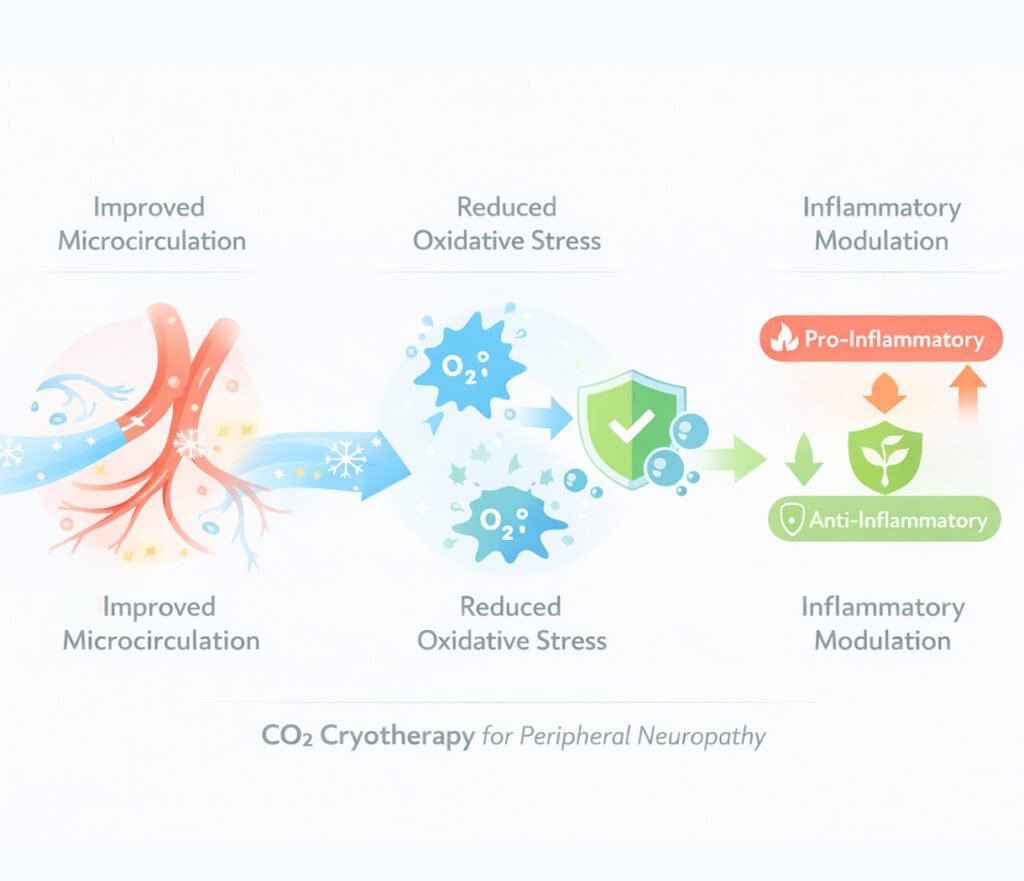
3.1 Enhanced Microcirculation
Peripheral nerves rely on a rich blood supply for oxygen and nutrient delivery. CO₂ cryotherapy stimulates microvascular dilation, improving perfusion in areas affected by metabolic damage. Improved blood flow supports nerve repair and reduces ischemia-related injury.
3.2 Reduction of Oxidative Stress
Oxidative stress plays a major role in metabolic neuropathy, damaging nerve cell membranes and mitochondria. Cold-induced therapy has been shown to activate antioxidant pathways, neutralizing free radicals and protecting nerve structures.
3.3 Modulation of Inflammatory Responses
Chronic inflammation in metabolic disorders contributes to progressive nerve injury. CO₂ cryotherapy helps modulate local inflammatory mediators, promoting a more balanced immune response that supports tissue repair and reduces pain.
4. Clinical Applications and Patient Benefits
The therapeutic effects of CO₂ cryotherapy extend across multiple clinical scenarios for neuropathy.
4.1 Diabetic Peripheral Neuropathy
Patients with diabetes often experience foot and lower limb neuropathy. CO₂ cryotherapy may help improve sensation, reduce tingling and burning, and support microcirculation, complementing glucose management strategies.
4.2 Neuropathy in Obesity and Metabolic Syndrome
Excess body weight can impair nerve function via inflammation and oxidative stress. CO₂ cryotherapy can enhance blood flow and reduce metabolic stress in peripheral nerves, providing relief from numbness or discomfort.
4.3 Thyroid-Related Nerve Dysfunction
Hypothyroidism can lead to slowed nerve conduction and peripheral neuropathy. Targeted CO₂ cryotherapy may assist in restoring local circulation and supporting cellular repair mechanisms.
5. Treatment Process and Considerations
Understanding what to expect can increase patient confidence and compliance.
5.1 Typical Session Protocol
Sessions usually last 10–20 minutes, during which the CO₂ gas is directed to affected areas. Patients may feel a cold sensation but report minimal discomfort. Treatment frequency varies, often 2–3 times per week depending on severity.
5.2 Safety and Contraindications
CO₂ cryotherapy is generally safe; however, it should be avoided in patients with severe cold intolerance, open wounds, or peripheral vascular disease. Medical supervision is recommended for individuals with significant metabolic complications.
5.3 Complementary Approaches
For best results, CO₂ cryotherapy is combined with metabolic management (blood sugar control, diet, exercise) and standard neuropathy care such as physical therapy or nerve-targeted medications.
FAQ
Q1: Can CO₂ cryotherapy reverse nerve damage?
It may not fully reverse chronic nerve injury but can improve microcirculation and reduce symptoms, supporting recovery.
Q2: Is the treatment painful?
Most patients feel a cold sensation; discomfort is minimal and transient.
Q3: How many sessions are needed?
Typically, 6–12 sessions are recommended, depending on severity and individual response.
Q4: Can it replace medications for neuropathy?
No, it is an adjunct therapy that complements conventional management.
Q5: Are there side effects?
Side effects are rare but may include temporary redness or mild skin irritation at the treatment site.
Conclusion
CO₂ cryotherapy offers a promising, non-invasive approach to support peripheral nerve health in patients with metabolic disorders. By enhancing microcirculation, reducing oxidative stress, and modulating inflammation, this therapy addresses key factors contributing to neuropathy. While not a replacement for conventional treatments, it can serve as a valuable adjunct, helping patients manage symptoms, improve tissue health, and potentially enhance quality of life.
Références
Buzin, C. et al. “CO₂ Cryotherapy in Peripheral Neuropathy Management.” Journal of Clinical Neurology, 2020.
https://doi.org/10.3988/jcn.2020.16.2.234
Tesfaye, S. et al. “Diabetic Neuropathy: Mechanisms and Therapeutic Strategies.” The Lancet Neurology, 2011.
https://doi.org/10.1016/S1474-4422(11)70065-0
Ziegler, D. “Treatment of Painful Diabetic Neuropathy with Non-Pharmacological Interventions.” Diabetes Care, 2014.
https://doi.org/10.2337/dc13-2141
Kawada, T. et al. “Microcirculatory Effects of Local Cryotherapy on Peripheral Nerves.” Clinical Physiology and Functional Imaging, 2018.