
Introduction
Chiropractic professionals continue to explore advanced supportive technologies that can complement traditional wellness approaches and help individuals maintain comfort, mobility, and physical performance. CO₂ Cryotherapy, also known as localized carbon dioxide cryotherapy, has gained attention as a targeted cooling method that delivers rapid temperature changes to specific body areas. Unlike whole-body cold exposure, localized CO₂ Cryotherapy allows practitioners to focus on selected regions where clients experience muscle tension, joint discomfort, or recovery needs. This article explores how CO₂ Cryotherapy connects with chiropractic wellness practices, the science behind localized cold therapy, and how this technology may support modern approaches to physical comfort and recovery.
1. Understanding CO₂ Cryotherapy and Its Role in Chiropractic Wellness
Chiropractic care often focuses on supporting musculoskeletal balance, mobility, and overall physical function. As wellness technology continues to develop, localized CO₂ Cryotherapy has become an option that many professionals consider as part of a broader approach to supporting tissue comfort and recovery.
1.1 What Is CO₂ Cryotherapy?
CO₂ Cryotherapy is a localized cold therapy method that uses compressed carbon dioxide gas to create rapid cooling on targeted body areas. The process produces a temporary cooling effect on the skin and underlying tissues, which may influence circulation responses and sensory pathways.
Unlike traditional ice packs, this therapy provides controlled cooling through a specialized application method. This allows practitioners to focus on specific areas rather than applying cold exposure across larger body regions.
1.2 Why Chiropractors Are Exploring Localized Cryotherapy
Chiropractors frequently work with individuals who experience muscle tension, stiffness, limited mobility, and physical discomfort related to daily activities or exercise. Because localized CO₂ Cryotherapy allows targeted application, it can fit naturally into wellness routines that focus on specific areas.
Many professionals are interested in technologies that are convenient, precise, and easy to integrate alongside existing chiropractic services. Localized cryotherapy provides another supportive option for improving client comfort during recovery-focused sessions.
1.3 The Connection Between Chiropractic Care and Cold Therapy
The musculoskeletal system includes muscles, joints, connective tissues, and nerves that work together to support movement. When certain areas experience stress or overuse, individuals may notice discomfort that affects daily activities.
Cold therapy has long been used as a supportive approach for managing temporary discomfort and promoting recovery after physical stress. CO₂ Cryotherapy builds on this concept by providing rapid and targeted cooling to selected areas.
2. The Science Behind Localized CO₂ Cryotherapy
Understanding the biological response behind this therapy helps chiropractic professionals evaluate how this technology may fit into wellness environments. The effects of cold exposure involve multiple physiological responses related to blood flow, nerve signaling, and tissue reactions.
2.1 How Rapid Cooling Influences the Body
Localized cooling creates a temporary temperature change in the applied area. This process can influence sensory receptors within the skin and surrounding tissues, which may contribute to changes in how individuals perceive discomfort.
CO₂ Cryotherapy focuses on controlled temperature reduction rather than prolonged cold exposure. This makes it suitable for targeted applications where professionals want to focus on specific body regions.
2.2 The Role of Vasoconstriction and Circulation Response
When tissues experience cold stimulation, blood vessels may temporarily narrow, a process known as vasoconstriction. After the cooling period, the body naturally responds by restoring normal circulation patterns.
These temperature-related responses are one reason cold therapy continues to be explored in sports recovery, rehabilitation support, and wellness practices.
2.3 Localized Cryotherapy and Tissue Comfort
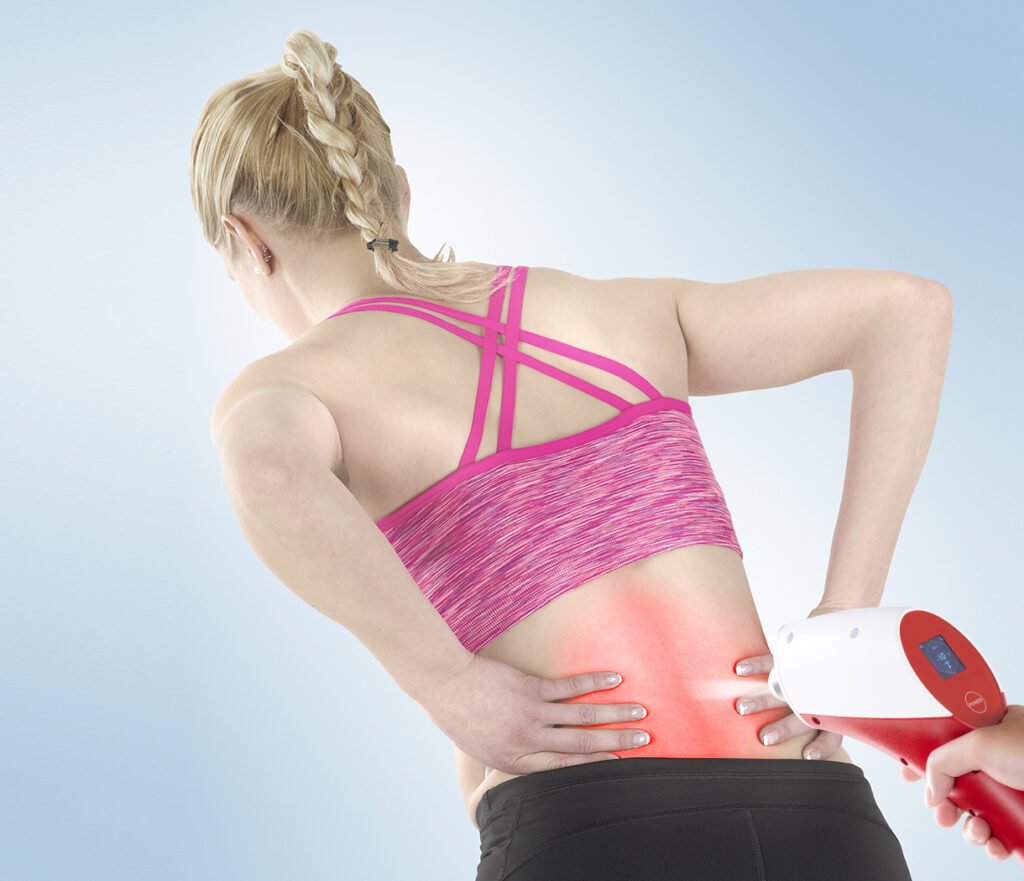
Many chiropractic clients seek supportive solutions for areas affected by muscle tightness, physical activity, or repetitive movement. Localized CO₂ Cryotherapy allows professionals to apply cooling directly to selected regions.
Common application areas may include:
- Lower back muscles
- Shoulder areas
- Neck and upper back regions
- Leg muscles
- Joint areas
The goal is to support comfort and recovery as part of a complete wellness approach.
3. Applications of CO₂ Cryotherapy in Chiropractic Settings
As wellness practices become more technology-focused, chiropractors are looking for tools that can complement their services. CO₂ Cryotherapy offers flexibility because professionals can apply it to different areas depending on individual needs.
3.1 Supporting Muscle Recovery After Physical Activity
Many chiropractic clients participate in sports, fitness programs, or physically demanding activities. These activities can place repeated stress on muscles and connective tissues.
Localized CO₂ Cryotherapy may be incorporated into recovery routines by providing targeted cooling after physical activity. It can help create a more comfortable recovery experience when combined with proper movement habits and professional guidance.
3.2 Supporting Mobility and Daily Physical Comfort
Limited mobility and muscle stiffness can affect how people perform everyday movements. Chiropractors often focus on improving movement patterns and supporting musculoskeletal function.
By applying this therapy to specific areas, professionals can provide an additional supportive method designed around individual comfort needs.
3.3 Enhancing Modern Chiropractic Wellness Services
Modern wellness practices increasingly combine traditional expertise with innovative technologies. Clients often appreciate approaches that are efficient, targeted, and easy to incorporate into their routines.
CO₂ Cryotherapy can serve as a complementary technology that expands the range of supportive services available in chiropractic environments.
4. Choosing CO₂ Cryotherapy Equipment for Professional Use
Selecting suitable equipment requires understanding factors such as application precision, usability, safety features, and compatibility with professional workflows. Chiropractors should consider how a device fits within their existing wellness services.
4.1 Important Features of a Professional CO₂ Cryotherapy Device
A professional localized cryotherapy device should provide:
- Controlled cooling application
- Easy operation
- Precise targeting capability
- Consistent performance
- Practical integration into daily sessions
These features help professionals create a more efficient experience for both practitioners and clients.
4.2 The Benefits of Targeted CO₂ Application
One advantage of CO₂ Cryotherapy is its ability to focus on specific areas rather than applying general cold exposure. Targeted application allows practitioners to customize sessions according to individual body regions.
This approach can be especially useful when clients have different recovery goals or experience discomfort in specific areas.
4.3 How CO₂ Cryotherapy Fits Into Wellness Trends
The wellness industry continues to move toward personalized and technology-supported approaches. Consumers increasingly seek solutions that are convenient, non-invasive, and compatible with active lifestyles.
Localized CO₂ Cryotherapy aligns with this trend by offering a focused approach to cold therapy within professional wellness environments.
5. The Future of CO₂ Cryotherapy in Chiropractic Practices
As technology continues to influence healthcare and wellness industries, localized cryotherapy may become an increasingly recognized supportive option. Chiropractors who understand emerging tools can better evaluate how these technologies fit into their service models.
5.1 Combining Technology With Personalized Care
Technology works best when combined with professional knowledge and individualized care strategies. CO₂ Cryotherapy does not replace chiropractic assessment but can become an additional tool that supports client comfort and recovery experiences.
Personalized application allows professionals to consider each individual’s lifestyle, activity level, and wellness goals.
5.2 Why Localized Cryotherapy Continues to Gain Attention
The demand for convenient recovery solutions continues to grow among active individuals and wellness-focused consumers. Localized CO₂ Cryotherapy offers a targeted approach that matches the growing interest in personalized recovery technologies.
For chiropractors, this technology represents another opportunity to explore innovative methods that support modern wellness practices.
FAQ
What is CO₂ Cryotherapy in chiropractic care?
CO₂ Cryotherapy is a localized cold therapy method that uses carbon dioxide gas to provide targeted cooling to specific body areas.
Can chiropractors use CO₂ Cryotherapy with existing wellness services?
Yes. Many professionals use localized cryotherapy as a complementary approach alongside existing wellness practices.
What areas can CO₂ Cryotherapy be applied to?
Common areas include muscles around the back, shoulders, neck, legs, and selected joint areas.
How long does a CO₂ Cryotherapy session usually take?
Session duration varies depending on the device and application area. Many localized treatments are completed within a short period.
Is CO₂ Cryotherapy the same as whole-body cryotherapy?
No. This therapy focuses on specific body areas, while whole-body cryotherapy involves exposing the entire body to extremely cold environments.
Conclusion
CO₂ Cryotherapy provides chiropractors with a modern localized cold therapy option that can complement wellness-focused practices. Through controlled carbon dioxide cooling, this technology offers a targeted approach for supporting muscle comfort, mobility, and recovery experiences. As personalized wellness solutions continue to develop, localized cryotherapy may become a valuable addition to chiropractic environments by helping professionals provide more diverse and customized support options for their clients.
Références
Localized Cryotherapy: Physiological Effects and Applications in Sports Medicine
https://www.ncbi.nlm.nih.gov/pmc/articles/PMC7020028
Cryotherapy in Sports Medicine: Principles and Clinical Applications
https://www.ncbi.nlm.nih.gov/pmc/articles/PMC4049647
Cold Exposure and Its Effects on Human Physiology
https://www.ncbi.nlm.nih.gov/pmc/articles/PMC5025014
The Role of Cryotherapy in Musculoskeletal Recovery
https://www.ncbi.nlm.nih.gov/pmc/articles/PMC8415720
Physical Therapy and Rehabilitation Approaches for Musculoskeletal Health